



The landscape of the UAE extends far beyond desert skylines, offering countless green spaces ranging from mangroves, wetlands, oases, and protected reserves that showcase a different side of the country’s natural environment. From coastal sanctuaries in Abu Dhabi to hidden lakes in Dubai and mountain valleys in Fujairah, these green spaces provide opportunities for wildlife encounters, quiet walks, and eco-conscious exploration.
- Jubail Mangrove Park, Abu Dhabi
- Al Wathba Wetland Reserve, Abu Dhabi
- Al Ain Oases and Oasis Towns
- Wadi Wurayah Biosphere Reserve, Fujairah
- Ras Al Khor Wildlife Sanctuary, Dubai
- Al Qudra Lakes and Love Lake, Dubai
- Al Zorah Nature Reserve, Ajman
- Sir Bani Yas Island, Abu Dhabi
- Mushrif Park, Dubai
- The Green Planet Bio-Dome, Dubai
- Comparison Table
- Key Takeaways
- FAQs
1. Jubail Mangrove Park, Abu Dhabi
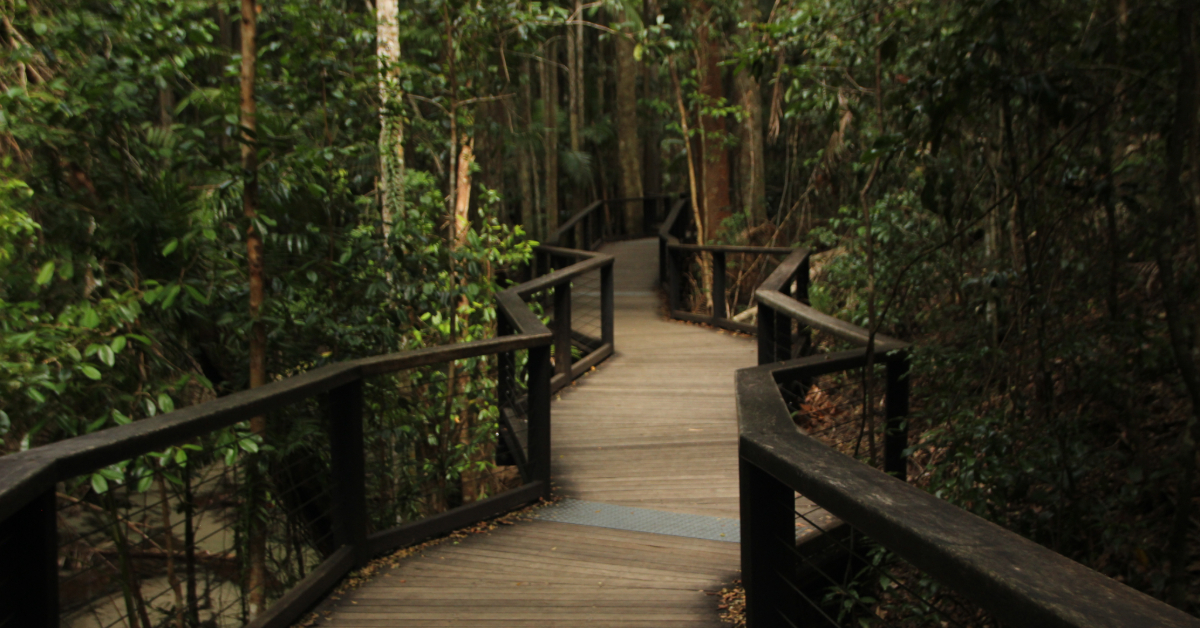
A family-friendly mangrove sanctuary featuring elevated boardwalks, learning nodes and eco-conscious design that helps preserve coastal ecosystems.
Highlights: Birdwatching, scenic walks, kayaking, and interpretive botanical displays. Trails include loops of approximately 1 km, 1.6 km, and 2 km.
Entry and timing
Open daily from around 7:00 am to 9:00 pm. Standard boardwalk entry is AED 15 for adults and AED 10 for children aged 3–6. Booking is recommended, especially on weekends. Professional photography using high-grade equipment now requires a permit, typically around AED 200.
Location
Located on Al Jubail Island, about 15 minutes from downtown Abu Dhabi and close to Yas Island and Saadiyat Island, with free parking available.
Explore the Available Properties for Sale in Al Jubail Island
-
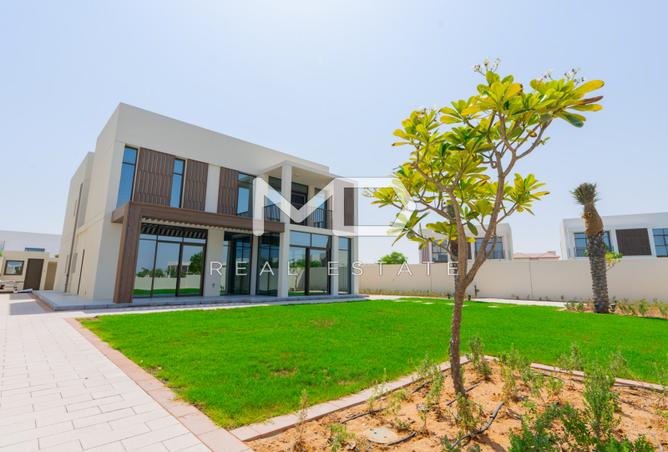

Villa
Listed 2 weeks ago
13,000,000 AED
Luxury 4BR Villa | Park View | Prime Corner Plot
Ain Al Maha, Al Jubail Island, Abu Dhabi
4
6
9,744 sqft
-

Villa
Listed 3 weeks ago
11,500,000 AED
Type V4 Executive | Premium Amenities | Prime Home
Souk Al Jubail, Al Jubail Island, Abu Dhabi
4
5
7,820 sqft
-

Townhouse
Listed 2 months ago
5,950,000 AED
Corner Square | Hot Deal | Best Location
Souk Al Jubail, Al Jubail Island, Abu Dhabi
3
5
2,895 sqft
-

Townhouse
Listed 3 weeks ago
5,950,000 AED
Corner 3BR+M | Landscaped Garden | Green Views
Souk Al Jubail, Al Jubail Island, Abu Dhabi
3
4
2,895 sqft
-

Townhouse
Listed 3 weeks ago
5,950,000 AED
Premium 3BR | Square Type | Serene Community
Souk Al Jubail, Al Jubail Island, Abu Dhabi
3
5
2,895 sqft
-
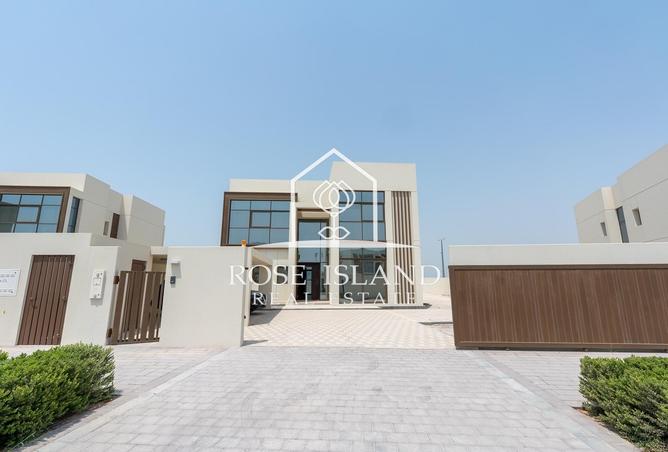
Villa
Listed 2 months ago
8,400,000 AED
Single Row|Ready to Move In|Luxury Villa
Ain Al Maha, Al Jubail Island, Abu Dhabi
4
5
10,107 sqft
-

Villa
Listed 2 months ago
15,950,000 AED
Great Deal|Vacant|Open View|Landscaped BBQ Area
Ain Al Maha, Al Jubail Island, Abu Dhabi
5
6
10,581 sqft
-
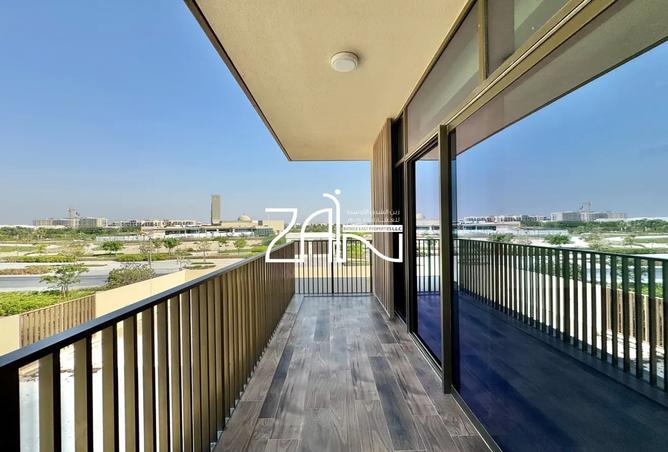
Villa
Listed 2 months ago
14,750,000 AED
LARGE PLOT | 5-BHK LUXURIOS VILLA | ELITE CHOICE
Nad Al Dhabi, Al Jubail Island, Abu Dhabi
5
7
14,633 sqft
-
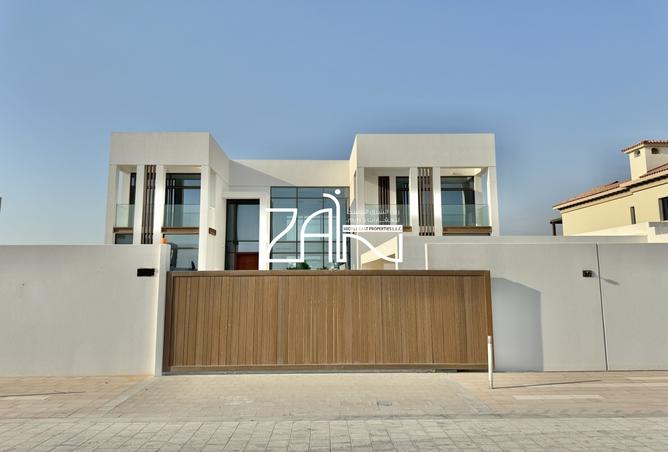
Villa
Listed 2 months ago
19,000,000 AED
V5 SELECT TYPE 5BR VILLA |HUGE PLOT | ELITE CHOICE
Seef Al Jubail, Al Jubail Island, Abu Dhabi
5
7+
19,370 sqft
-
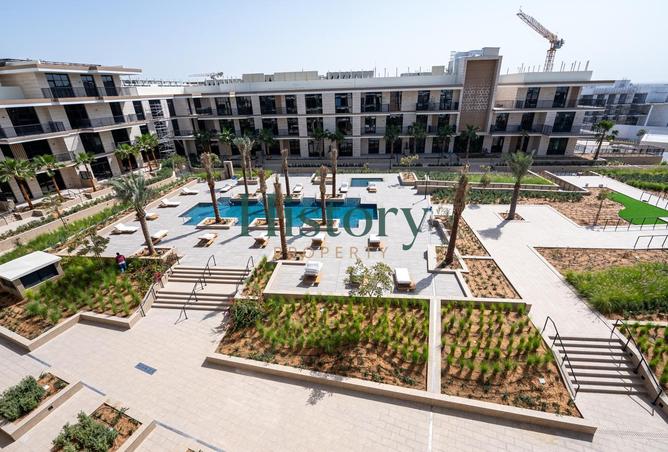
Apartment
Listed 1 month ago
4,300,000 AED
Spacious Layout | High ROI | Prime Location
Jubail Terraces, Al Jubail Island, Abu Dhabi
2
3
1,600 sqft









2. Al Wathba Wetland Reserve, Abu Dhabi
The UAE’s first protected wetland, featuring natural and artificial lakes, sabkhas, and dunes. It is an important breeding site for thousands of Greater Flamingos and more than 250 bird species.
Entry remains free. However, in 2026, the reserve is generally open only on Thursdays and Saturdays from 8:00 am to 4:00 pm, with last entry strictly at 2:00 pm. The reserve is typically closed during the summer months (May–September) to protect wildlife. Visitors should always check official updates before planning a trip.
What to see and do
Walk the 1.5 km or 3 km self-guided trails, visit bird hides, explore native plants, and enjoy a quieter side of Abu Dhabi’s natural environment.
Location
Jarn Yafour – Mafraq Industrial Area – Abu Dhabi – United Arab Emirates
3. Al Ain Oases and Oasis Towns (Al Ain, Abu Dhabi)
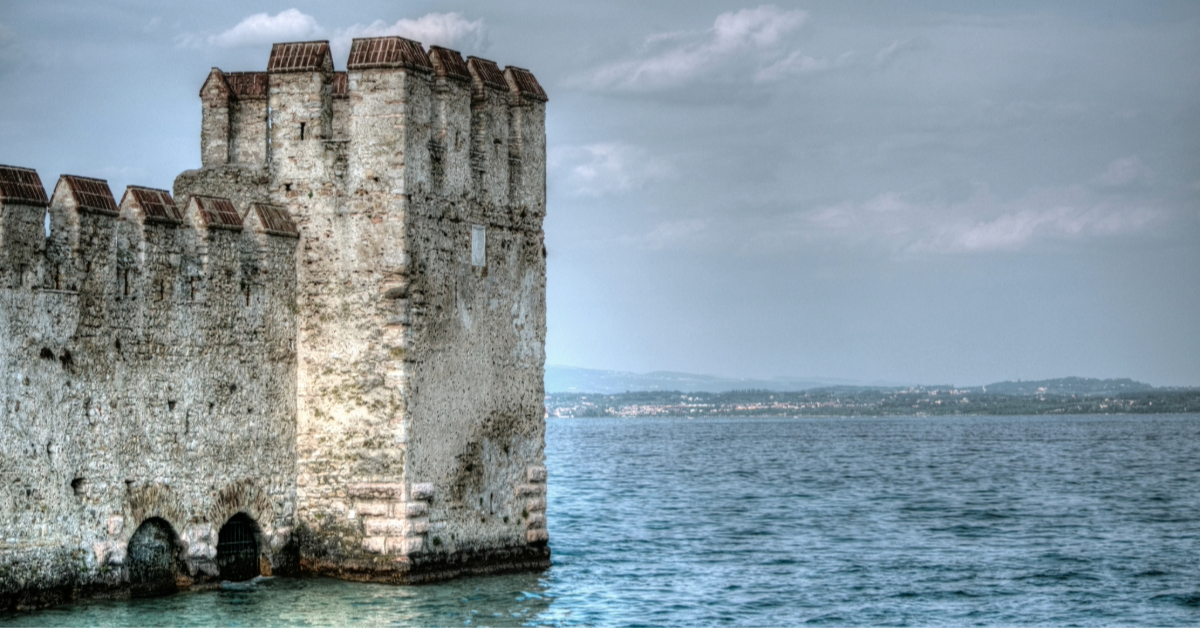
Lush palm gardens connected by traditional falaj irrigation systems, historic forts, and shaded pathways that offer a glimpse into the region’s agricultural heritage.
Al Ain Oasis is generally open daily from around 9:00 am to 5:00 pm.
Location
It’s located in Al Tuhaf St – Central District – Al Ain Oasis – Abu Dhabi – United Arab Emirates
4. Wadi Wurayah Biosphere Reserve, Fujairah
A protected mountain valley spanning more than 12,000 hectares, known for waterfalls, freshwater ecosystems, and rare biodiversity.
The reserve is currently closed to the general public to preserve its fragile ecosystem. Access is currently limited to registered environmental initiatives and volunteer programmes, such as the “Leaders of Change” programme through Emirates Nature-WWF.
Location
It’s located in Bedya, Fujairah, United Arab Emirates
5. Ras Al Khor Wildlife Sanctuary, Dubai
A wetland reserve near Dubai Creek is known for flamingos, mangroves, and migratory birdlife.
Observation hides are available free of charge for birdwatching and photography. Winter hours (October–March) typically run from 7:30 am to 5:30 pm, while summer hours (April–September) operate from around 6:00 am to 6:00 pm. Some reports indicate limited access on Fridays and Saturdays, so Sunday to Thursday visits are generally the safest option. Always confirm timings before visiting.
Location
It’s located in Ras Al Khor Rd – Ras Al Khor – Dubai – United Arab Emirates
6. Al Qudra Lakes and Love Lake, Dubai
Artificial lakes within Al Marmoom Desert Conservation Reserve, including the heart-shaped Love Lake, are surrounded by planted trees and wildlife habitats. Facilities are limited, so visitors should bring supplies and plan.
Best for: Cycling, picnics, camping, and sunset views. Weekdays tend to be quieter.
Location
It’s located in Saih Al Salam – Dubai – United Arab Emirates
7. Al Zorah Nature Reserve, Ajman
A coastal mangrove ecosystem with tidal creeks and calm waterways. Known for flamingos, herons, and egrets, the reserve offers a peaceful setting ideal for kayaking and birdwatching.
Location
It’s located in The Pavilion Al Zorah, Al Ittihad Road, Opp. Union Coop Jerf 1 – Ajman – United Arab Emirates
8. Sir Bani Yas Island, Abu Dhabi
A wildlife reserve island home to free-roaming species such as oryx, giraffes and cheetahs. Eco-safari tours and nature-focused stays make it a unique destination combining conservation with hospitality.
Location
It’s located in Al Dhafra Islands – Sir Baniyas Island – Abu Dhabi – United Arab Emirates
9. Mushrif Park, Dubai
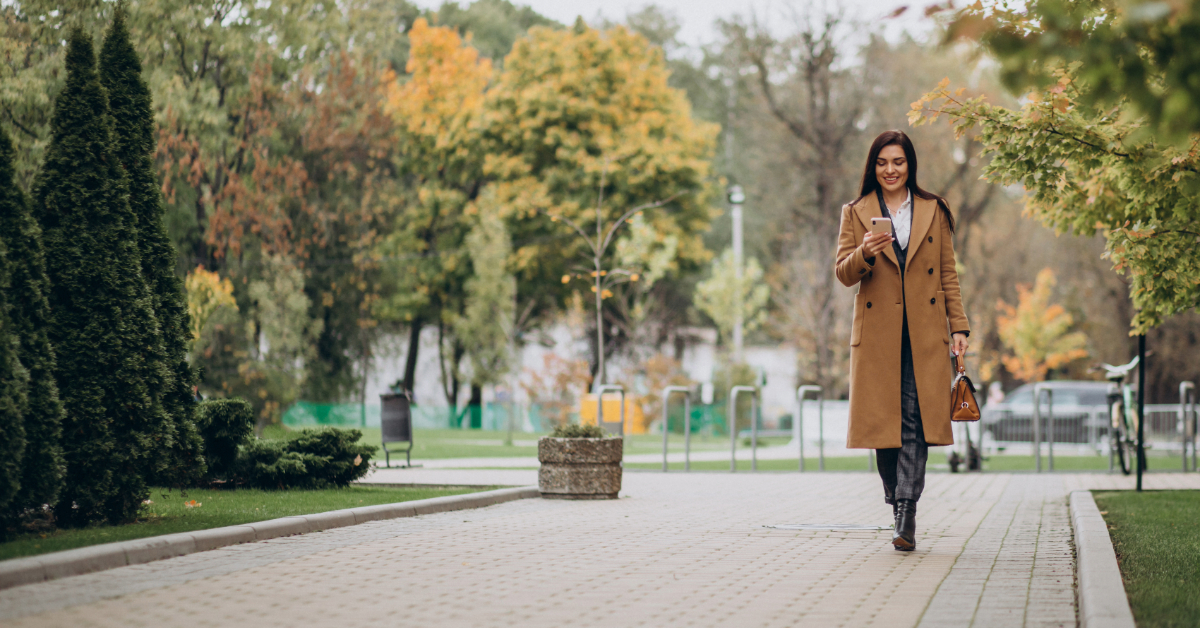
One of Dubai’s largest woodland-style parks, covering roughly 1,300 acres with shaded trails, picnic areas, and adventure play zones.
What to expect
Dense tree cover, hiking routes, cycling tracks, and outdoor recreation spaces. Entry is approximately AED 10 per car, and the park features one of Dubai’s largest mountain-biking trail networks, spanning nearly 50 km.
Location
It’s located in Al Khawaneej St – Dubai – United Arab Emirates
10. The Green Planet Bio-Dome, Dubai
An indoor rainforest-style bio-dome located at City Walk, housing more than 3,000 plants and animals under a climate-controlled environment.
Best for: Family visits and nature experiences during the hotter months or rainy days.
Location
It’s located in Al Wasl, Dubai, United Arab Emirates
Comparison Table: Green Experience Types
| Place | Type of Greenery | Best for | Distance from nearest major city |
| Jubail Mangrove Park | Mangroves, boardwalks | Leisure walks, birdwatching | ~20–30 mins from Abu Dhabi |
| Al Wathba Wetland | Wetlands and salt flats | Flamingos, quiet nature walks | ~30 mins from Abu Dhabi |
| Al Qudra Lakes | Desert lakes | Camping, wildlife spotting | ~40 km from Dubai |
| Ras Al Khor Sanctuary | Urban wetlands | Birdwatching, photography | Within Dubai city limits |
Key Takeaways
The UAE offers a diverse range of green spaces, from mangroves and wetlands to oases and indoor rainforest environments. Wildlife viewing is often best between October and April, especially during migration seasons. Many sites have low or no entry fees, though booking requirements and conservation rules vary. The country’s Blue and Green Spaces Roadmap 2030 continues to introduce digital entry systems and stronger sustainability policies across protected reserves.
FAQs
Yes. Locations such as Jubail Mangrove Park feature wheelchair-friendly boardwalks and shaded rest areas. However, remote natural valleys may be less accessible.
Cooler months, usually November through April, are ideal. Summer visits should be planned for early in the morning or late in the afternoon.
Some locations require booking or have limited opening days, particularly protected wetlands.
Many are within 20–40 minutes of Dubai or Abu Dhabi, while mountain reserves and islands may require longer drives or guided access.
Yes. For example, Jubail Mangrove Park pairs well with nearby Saadiyat Island attractions, while Al Qudra Lakes works well alongside desert camping experiences.