



Understanding floor area ratio is essential for anyone involved in property development, urban planning, or real estate investment. Whether you are exploring opportunities in Dubai Marina, planning a project in Downtown Dubai, or assessing land use in Abu Dhabi, FAR plays a central role in determining how much you can build on a given plot.
This guide explains FAR in simple terms, walks you through the formula and calculation process, and highlights its importance in modern zoning regulations.
- What Is Floor Area Ratio (FAR)?
- FAR Formula & Key Terms
- How to Perform a FAR Calculation Step-by-Step
- Importance & Impacts of FAR
- Typical FAR Ranges & Examples (2025–2026)
- Calculation Tricks & Common Pitfalls
- How Local Zoning Codes & Jurisdictions Vary (India, U.S., Other Countries)
- Key Takeaways
- FAQs
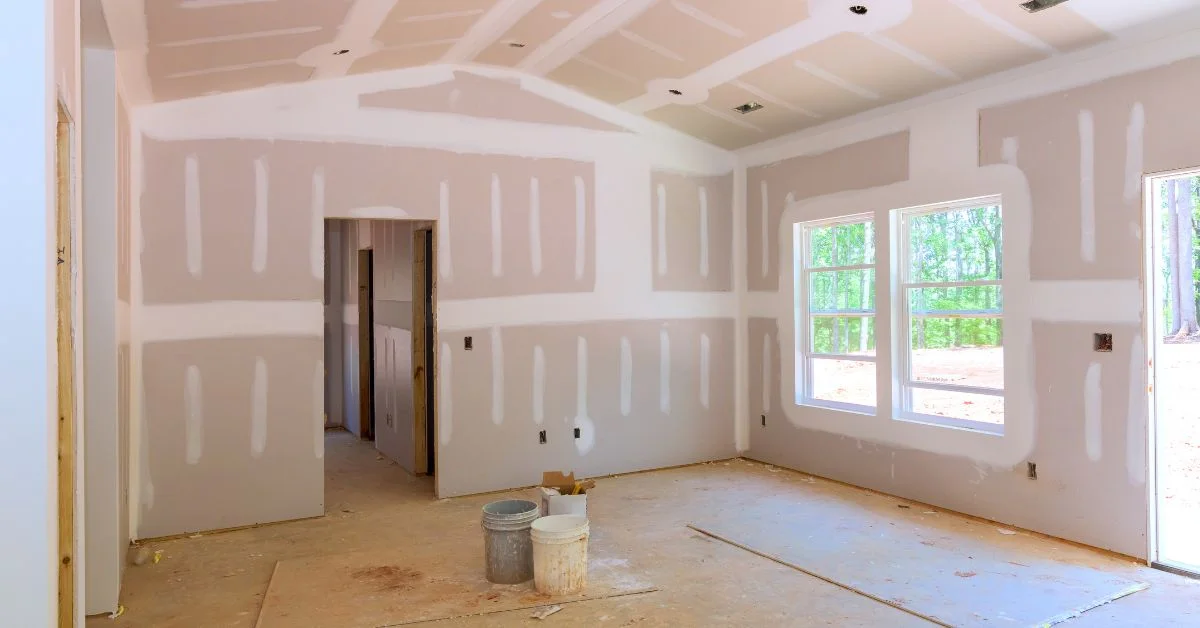
What Is Floor Area Ratio (FAR)?
Floor area ratio (FAR) is a zoning metric that measures the relationship between a building’s total floor area and the land on which it sits. In simple terms, it expresses how much floor space you can build relative to the plot area.
It is also referred to as Floor Space Ratio (FSR), Floor Space Index (FSI), plot ratio, or site ratio, depending on the region. In fast-growing urban areas like Business Bay and Jumeirah Village Circle, FAR helps authorities manage density, ensuring adequate light, ventilation, and infrastructure capacity.
Municipalities use FAR to regulate:
- Building density and scale
- Urban form and skyline
- Open space availability
- Infrastructure load and sustainability
Properties for Sale in Jumeirah Village Circle
-
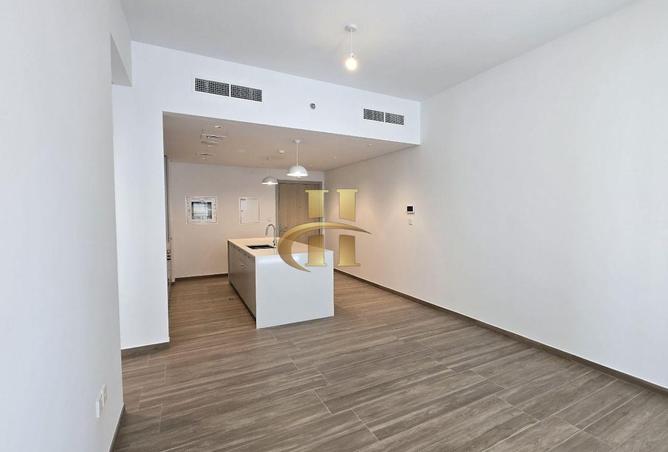

Apartment
Listed 3 weeks ago
1,349,999 AED
Vacant | Ready to Move In | With Kitchen Island
Belgravia Heights 2, Belgravia Heights, District 12, Jumeirah Village Circle, Dubai
1
2
802 sqft
-
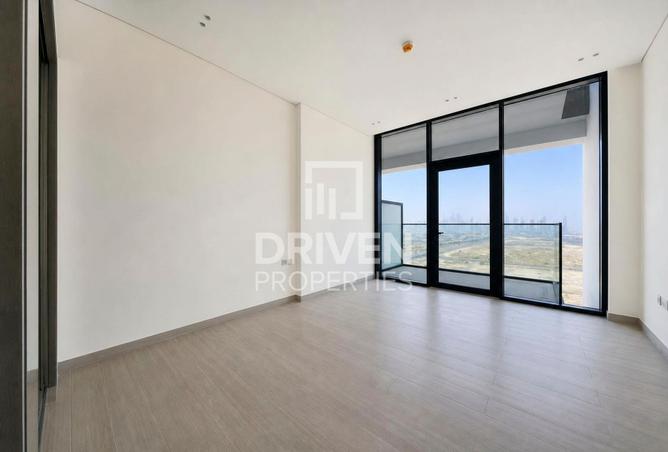
Apartment
Listed 1 week ago
745,000 AED
Brand New | High Floor | Vacant on Transfer
Binghatti Apex, District 10, Jumeirah Village Circle, Dubai
studio
1
426 sqft
-

Apartment
Listed 2 weeks ago
800,000 AED
Resale Opportunity | Premium Unit | Modern Studio
One Park Square, District 11, Jumeirah Village Circle, Dubai
studio
1
427 sqft
-

Apartment
Listed 4 days ago
630,000 AED
Chic Studio | Payment Plan | Smart Home | Premium
Belle Reve by Zimaya, District 15, Jumeirah Village Circle, Dubai
studio
1
411 sqft
-
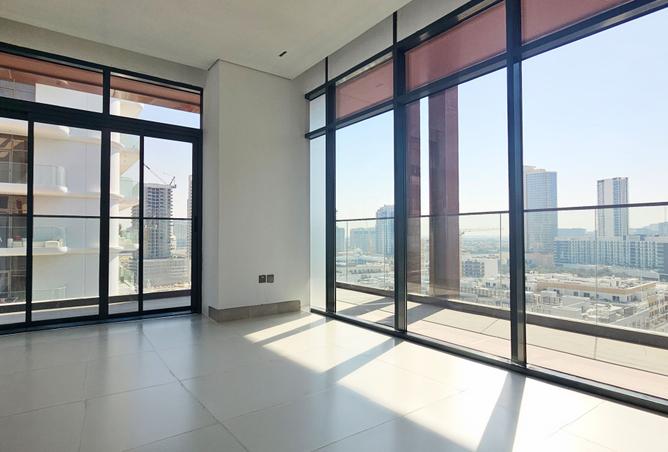
Apartment
Listed 2 months ago
1,870,000 AED
Brand New | Big Layout | Vacant | Unfurnished
AB Cavalier, District 12, Jumeirah Village Circle, Dubai
2
2
1,495 sqft
-

Apartment
Listed 10 hours ago
949,000 AED
Fully Furnished | Close Kitchen | Vacant
Regina Tower, District 12, Jumeirah Village Circle, Dubai
1
2
795 sqft
-

Apartment
Listed 5 days ago
975,000 AED
Fully Furnished | Vacant | Modern Unit
Binghatti Corner, District 10, Jumeirah Village Circle, Dubai
1
1
642 sqft
-

Apartment
Listed 6 days ago
749,000 AED
Furnished | High ROI | Prime Location
Central Park Tower, District 12, Jumeirah Village Circle, Dubai
1
2
604 sqft
-
Apartment
Listed 7 days ago
700,000 AED
Multiple Options | High Floor | Brand New
Binghatti Apex, District 10, Jumeirah Village Circle, Dubai
studio
1
433 sqft
-
Apartment
Listed 7 days ago
975,000 AED
Vacant | Furnished | Pool View
Binghatti Corner, District 10, Jumeirah Village Circle, Dubai
1
2
742 sqft






FAR Formula & Key Terms
Understanding the formula behind floor area ratio is key to applying it correctly in real-world scenarios.
Basic Formula
FAR is calculated using a simple equation:
- FAR = Total Gross Floor Area (GFA) ÷ Lot (Site) Area
- If FAR equals 1.0, the total floor area is equal to the land area. If the FAR is 2.5, the building can have a floor area equal to 2.5 times the plot area.
What is Included vs Excluded in These Calculations?
When calculating floor area ratio, not all building spaces are treated equally. Local regulations define what counts toward Gross Floor Area.
Included spaces typically cover all enclosed and usable areas, such as residential units, offices, and commercial floors. Staircases and lift shafts within the building envelope are also usually included, as are areas measured up to external walls.
Excluded or conditional spaces vary by jurisdiction. These often include open terraces, balconies, and unenclosed porches. Parking areas, particularly underground parking, are often excluded under local planning rules in some emirates and municipalities. Mechanical rooms and attic spaces with limited headroom may also be treated differently based on local codes.
How to Perform a FAR Calculation Step-by-Step
Calculating floor area ratio is straightforward, but accuracy depends on understanding local definitions.
Start by determining the total site area, measured in square metres or square feet. Then calculate the gross floor area by summing the floor areas that count toward FAR. This includes all enclosed, habitable spaces.
Next, review local zoning guidelines to confirm which areas are included or excluded. Regulations in Al Reem Island may differ significantly from those in Jebel Ali, so this step is critical.
Once you have accurate figures, divide the total gross floor area by the site area. For example, a 15,000 sq ft building on a 10,000 sq ft plot results in a floor area ratio of 1.5.
Finally, compare your result with the maximum permitted FAR set by local authorities. If the calculated FAR exceeds the limit, you may need to make design adjustments, obtain approvals, or secure incentives to proceed.
Importance & Impacts of FAR
Floor area ratio directly influences how cities grow and how properties are valued.
A higher FAR allows for greater building density, which is why areas like Downtown Dubai and Dubai International Financial Centre (DIFC) feature high-rise developments. Lower FAR zones, such as Arabian Ranches, prioritise open space and low-density living.
FAR also affects land value. Plots with higher allowable FAR typically command higher prices because they offer greater development potential. From a design perspective, FAR shapes building height, footprint, and layout. It works alongside regulations such as setbacks and height limits, which can sometimes limit the full use of permitted FAR.
Typical FAR Ranges & Examples (2025–2026)
Different zones have varying FAR limits depending on their intended use and density.
Low-density residential areas usually have FAR between 0.3 and 1.2, supporting villas and small communities like Mirdif. Medium-density zones range from 1.5 to 3.0 and are commonly seen in townhouse developments or low-rise apartments in Dubai Silicon Oasis.
Commercial and mixed-use districts often allow FAR between 3.0 and 6.0 or higher. In dense urban cores, FAR can exceed 10.0, particularly in global cities with skyscraper districts.
These ranges demonstrate how floor area ratio shapes everything from suburban layouts to iconic skylines.
Calculation Tricks & Common Pitfalls
While the concept of floor area ratio is simple, several common mistakes can lead to incorrect calculations.
Using inconsistent measurement units is a frequent issue. Mixing square feet with square metres can significantly distort results. Always ensure uniform units throughout the calculation.
Another common pitfall is misunderstanding which spaces are excluded. Open terraces, basements, and service areas may or may not count under local code, so verification is essential.
If a building already exists on the plot, its counted floor area must be considered when calculating additional allowable space. Ignoring this can result in exceeding the permitted FAR.
It is also important to remember that FAR does not operate in isolation. Height limits and setback requirements can reduce the actual usable floor space, even if the theoretical FAR allows more.
How Local Zoning Codes & Jurisdictions Vary (India, U.S., Other Countries)
FAR regulations vary widely across the world, reflecting different urban planning priorities.
In India, both FAR and FSI are commonly used, with values typically ranging from 1.3 to 3.25, depending on the infrastructure and location. In the United States, FAR varies significantly by city, from as low as 0.5 in suburban zones to over 10 in dense urban centres.
Many cities also offer FAR bonuses. Developers in areas like Dubai Creek Harbour may benefit from incentives tied to sustainability, public amenities, or affordable housing initiatives.
Key Takeaways
Floor area ratio is a fundamental metric that determines how much can be built on a plot of land by comparing total floor area to site size. It plays a major role in shaping urban density, influencing property values, and guiding architectural design. While the formula is straightforward, real-world application depends heavily on local zoning regulations, which define what counts toward gross floor area and how FAR interacts with height limits, setbacks, and incentives.
FAQs
FAR measures total floor area across all levels of a building, while lot coverage refers only to the ground-level footprint. FAR controls both vertical and horizontal development, whereas lot coverage is limited to surface area.
Yes, additional floor space can typically be built up to the maximum FAR, provided all other zoning requirements, such as height limits and setbacks, are met.
They are usually considered non-conforming but are often allowed to remain. However, future modifications may need to comply with updated FAR regulations.
This depends on local regulations. Many jurisdictions exclude basements and underground parking, especially if they are not used as habitable space.
Yes, many cities offer FAR bonuses for developments that include public benefits such as green building features or community amenities.