



The shared housing law in Dubai has entered a new phase in 2026, introducing clear regulations for co-living arrangements across the emirate. With rising demand for flexible and affordable housing, authorities have set clear rules for shared spaces. This helps ensure safety, transparency, and accountability for tenants and landlords.
In this guide, discover:
- What is shared housing under Law No. 4 of 2026?
- Permit requirements and licensing
- Occupancy limits and technical standards mentioned in the shared housing law in Dubai
- Leasing rules and subleasing as per the shared housing law in Dubai
- Permits and advertising allowed
- Penalties and enforcement according to the shared housing law in Dubai
- Timeline and implementation of the shared housing law in Dubai
- Key takeaways
- FAQs
What is shared housing under Law No. 4 of 2026?

Shared housing refers to residential units where multiple individuals or families live together while sharing facilities such as kitchens, bathrooms, and living areas. This law explicitly excludes collective labour accommodation, which is regulated separately.
The scope of this law applies across Dubai, including private developments and free zones. It covers property owners, licensed operators, and tenants, ensuring that all parties follow a unified regulatory framework. This is particularly relevant in high-density areas like Dubai Marina and Business Bay, where shared living arrangements have become increasingly common.
Explore the Available Apartments for Sale in Business Bay
-


Apartment
Listed 2 days ago
1,400,000 AED
High-Floor | Canal View | Prime Investment
Peninsula One, Peninsula, Business Bay, Dubai
studio
1
405 sqft
-

Apartment
Listed 6 days ago
2,090,000 AED
Close to Original Price | Corner Unit | Spacious
Onda by Kasco, Business Bay, Dubai
2
3
1,171 sqft
-

Apartment
Listed 6 days ago
1,560,000 AED
Below OP Deal | High Floor | Prime Investment
Aykon City Tower A, Aykon City, Business Bay, Dubai
1
1
752 sqft
-

Apartment
Listed 1 week ago
998,000 AED
Best Seller | Genuine Resale | Luxury Living
Chic Tower, Business Bay, Dubai
studio
1
464 sqft
-
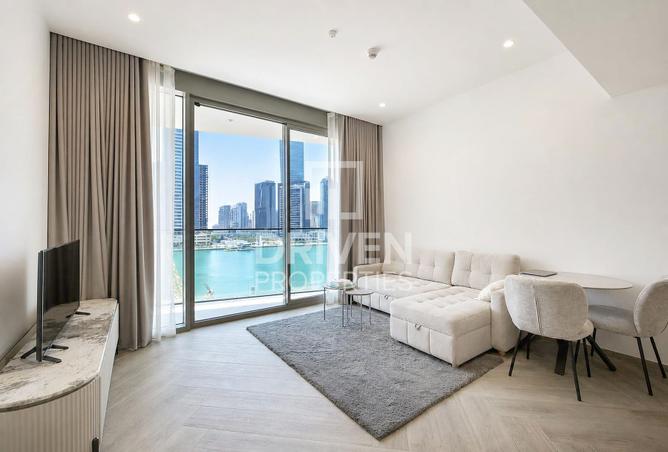
Apartment
Listed 24 hours ago
1,641,000 AED
Modern | End User or Investor deal | Spacious
Peninsula Three, Peninsula, Business Bay, Dubai
1
1
685 sqft
-

Apartment
Listed 1 month ago
15,520,000 AED
Private Pool | Iconic Design | Ultra Luxury Living
Bugatti Residences By Binghatti, Business Bay, Dubai
2
3
2,935 sqft
-
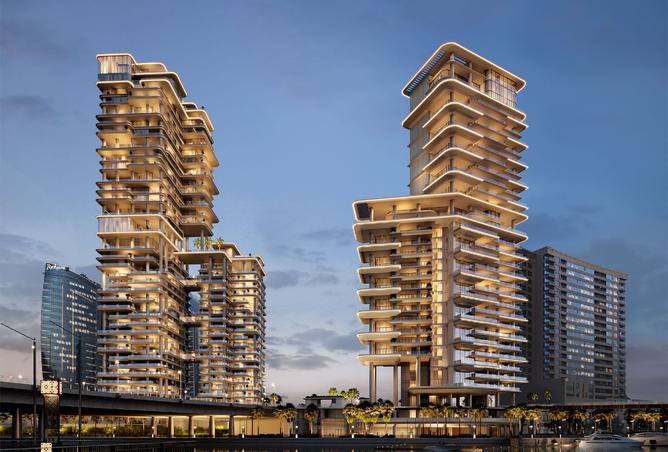
Apartment
Listed 2 months ago
24,700,000 AED
THE DORCHESTER COLLECTION | 30/70 PAYMENT PLAN
Vela Viento By Omniyat, Business Bay, Dubai
2
3
3,799 sqft
-

Apartment
Listed 7 days ago
5,300,000 AED
High Floor | Burj Khalifa and Canal View | Brand New
Peninsula Four, Peninsula, Business Bay, Dubai
3
4
1,932 sqft
-

Apartment
Listed 2 days ago
1,365,000 AED
Resale | Peninsula and Canal View | Middle Floor
The Edge Tower A, The Edge, Business Bay, Dubai
1
1
620 sqft
-

Apartment
Listed 1 month ago
2,550,000 AED
1BR canal view | High Floor | best layout
Peninsula Four, Peninsula, Business Bay, Dubai
1
1
861 sqft









Permit requirements and licensing as per the shared housing law in Dubai
To bring structure to the shared housing market, the law introduces strict permit requirements.
Mandatory permit
Property owners must obtain a shared housing permit from Dubai Municipality before offering a unit for shared occupancy. Operating without this permit is illegal and subject to penalties.
Validity and renewal
Permits are typically valid for one year and must be renewed annually. In some cases, owners can apply for a two-year permit. Owners must submit renewal requests at least 30 days before expiry to avoid disruptions.
Permits for existing units
Operators already offering shared housing when the rule takes effect get one year to comply. Authorities may grant a one-time extension in certain cases.
For those exploring housing options, especially while planning relocation, understanding regulations becomes essential when navigating the process of moving to Dubai.
Occupancy limits and technical standards mentioned in the shared housing law in Dubai

Dubai Municipality now defines clear standards to ensure shared housing remains safe and habitable.
Maximum number of residents
Each unit is assigned a maximum occupancy limit during the permit process. Exceeding this number is considered a violation.
Minimum space per resident
The law introduces minimum space requirements per individual to prevent overcrowding and maintain the quality of living.
Prohibited conversions
You cannot convert certain spaces into sleeping areas. These include kitchens, bathrooms, balconies, corridors, storage areas, and parking spaces. Additionally, the law prohibits non-compliant partitions such as wooden or non-fire-rated gypsum walls.
Appliance safety, sanitation, and facilities
Units must meet strict safety standards, including proper ventilation, lighting, fire safety systems, and sanitation facilities. These measures ensure that shared housing aligns with Dubai’s broader urban safety goals.
Zoning and permitted areas
Authorities designate specific zones where shared housing is allowed, based on infrastructure capacity and community planning. This ensures that demand does not negatively impact existing neighbourhood dynamics.
Leasing rules and subleasing as per the shared housing law in Dubai
The law also clarifies who can legally lease shared housing units and under what conditions.
- The law only allows property owners or licensed establishments to lease shared housing units.
- The law strictly prohibits tenants from subleasing any part of their rented space.
This is a significant shift from earlier informal arrangements, making it important to understand the rules around sub-leasing in Dubai before entering into any agreement.
Additionally, every shared housing contract must be registered in an official electronic system maintained by the Dubai Land Department. This includes details such as landlord information, number of residents, and unit specifications.
Permits and advertising allowed by the shared housing law in Dubai
Advertising shared housing has also come under regulation.
The shared housing law in Dubai prohibits promoting shared housing without a valid permit across all platforms, including online listings, social media, and classifieds. Advertisements must accurately reflect the approved occupancy limits and space allocation per resident.
For tenants considering apartments for rent in Dubai, these regulations improve transparency and reliability across listings.
Explore the Available Apartments for Rent in Dubai
-

Apartment
Listed 2 weeks ago
330,000 AED/year
EXCLUSIVE | AVAILABLE NOW | MULTIPLE CHEQUES
Beach Mansion Tower 1, Beach Mansion, Emaar Beachfront, Dubai Harbour, Dubai
3
4
2,014 sqft
-
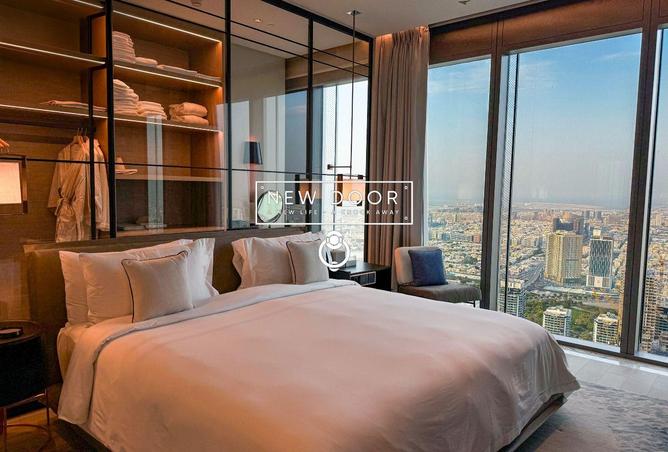
Apartment
Listed 2 months ago
375,000 AED/year
Elegant Furnished 1BR | Luxury Living
One Za'abeel The Residences, Zabeel 1, Zabeel, Dubai
1
1
856 sqft
-
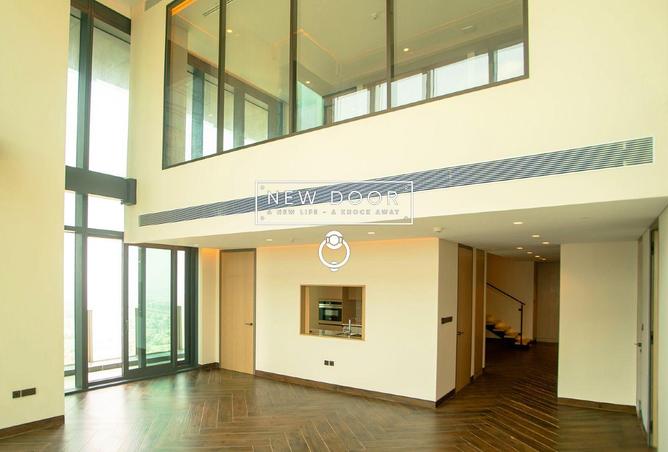
Apartment
Listed 2 months ago
875,000 AED/year
Exclusive 2BR Duplex | Luxury Living | One Zaabeel
One Za'abeel The Residences, Zabeel 1, Zabeel, Dubai
2
2
2,572 sqft
-

Apartment
Listed 2 months ago
730,000 AED/year
Luxury 2BR Duplex | Dubai Frame View
One Za'abeel The Residences, Zabeel 1, Zabeel, Dubai
2
2
2,392 sqft
-
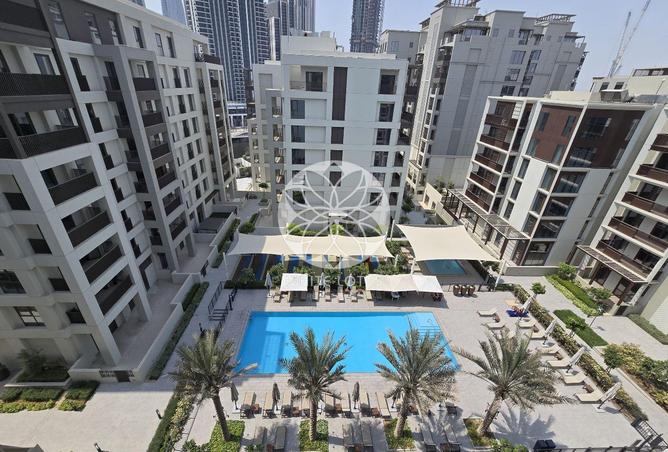
Apartment
Listed 3 days ago
102,000 AED/year
Semi Furnished With Curtains | Corner Unit
Grove at Creek Beach Building 2, Grove at Creek Beach, Creek Beach, Dubai Creek Harbour (The Lagoons), Dubai
1
1
766 sqft
-
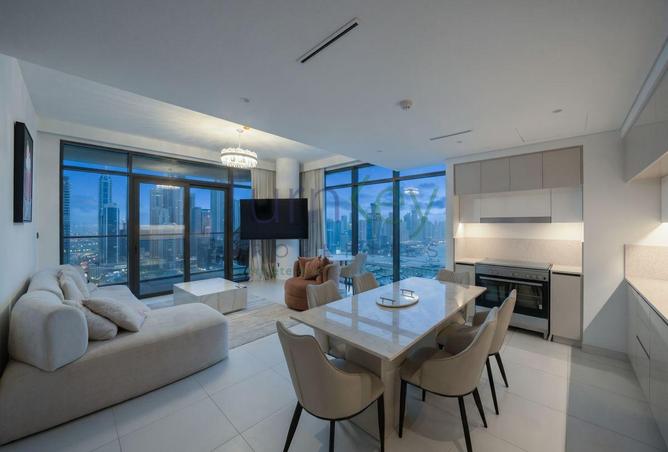
Apartment
Listed 3 days ago
320,000 AED/year
Luxury furnished 3 BR + Maid Ap with Skyline view
Marina Vista Tower 2, Marina Vista, Emaar Beachfront, Dubai Harbour, Dubai
3
3
1,755 sqft
-
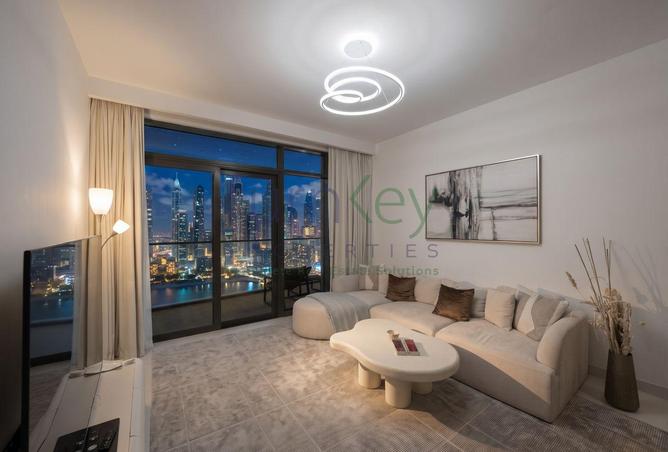
Apartment
Listed 3 days ago
200,000 AED/year
Luxury furnished 2 BR Ap with Skyline view
Marina Vista Tower 2, Marina Vista, Emaar Beachfront, Dubai Harbour, Dubai
2
2
1,172 sqft
-
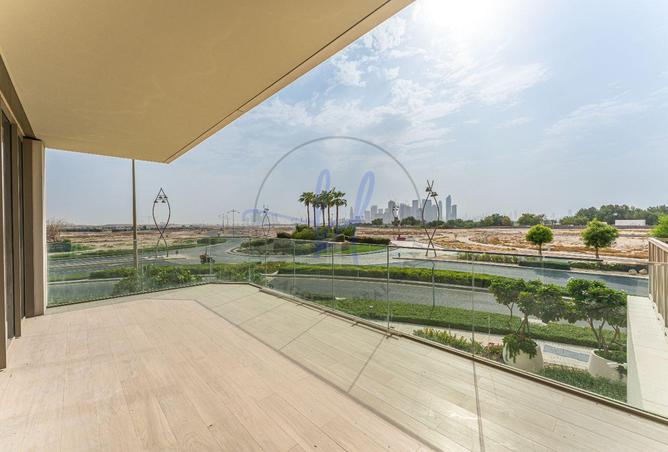
Apartment
Listed 10 hours ago
188,000 AED/year
Spacious 2BR | Resort Amenities | Private Terrace
Al Badia Living Building A, Al Badia Living, Dubai Festival City, Dubai
2
3
1,739 sqft
-
Apartment
Listed 10 hours ago
142,000 AED/year
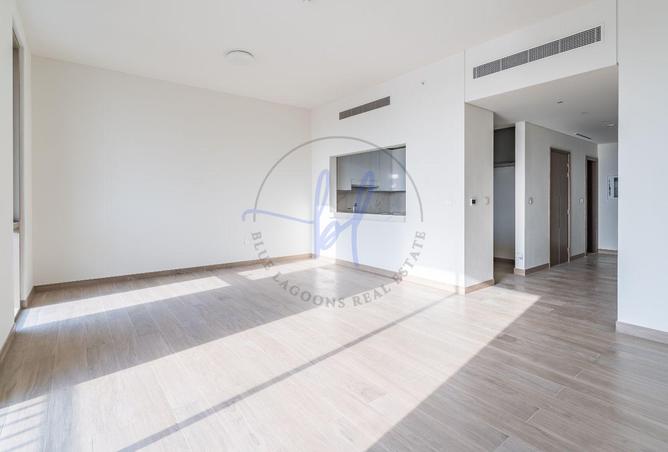
Modern 2BR Apt | Top Class Amenities | Vacant Now
Al Badia Living Building A, Al Badia Living, Dubai Festival City, Dubai
2
3
1,197 sqft
-
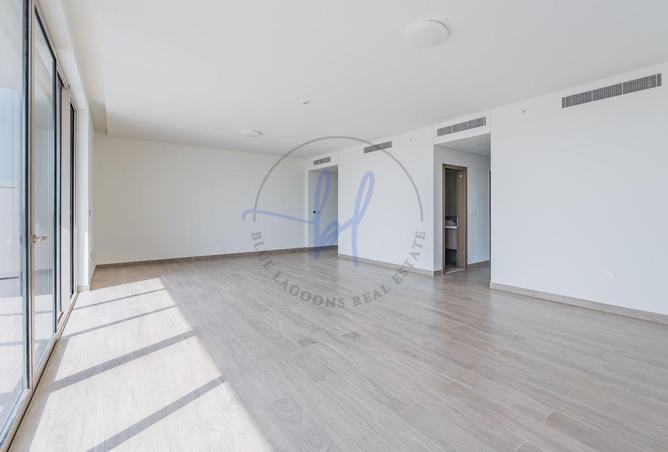
Apartment
Listed 10 hours ago
211,000 AED/year
Full Golf Course Views | Relaxing Home | Al Badia
Al Badia Living Building A, Al Badia Living, Dubai Festival City, Dubai
2
3
1,574 sqft




Penalties and enforcement according to the shared housing law in Dubai
Dubai has introduced a strict penalty structure to ensure compliance.
Violations of the new law may result in fines ranging from AED 500 to AED 500,000, with repeat violations within the same year doubling the fine, with maximum penalties reaching AED 1 million.
Additional consequences may include permit suspension, cancellation, revocation of business licences, utility disconnections, and eviction. The Rental Disputes Centre handles disputes.
Timeline and implementation of the shared housing law in Dubai
- The Vice President and Prime Minister of the UAE has issued Law No. 4 of 2026 on March 11, 2026, and it will come into effect 180 days after its publication in the Official Gazette.
- Existing shared housing operators have one year from the enforcement date to comply. They must meet permit requirements, occupancy limits, and safety standards.
- In certain cases, one-time extension may be granted.
Key takeaways
The shared housing law in Dubai has transformed informal co-living setups into a regulated segment of the real estate market. Permits are now mandatory, occupancy limits are strictly enforced, and only authorised entities can lease shared units. With penalties reaching up to AED 1 million for repeat violations, compliance is no longer optional. Also, the law ensures safer living conditions and greater transparency for residents. This aligns with Dubai’s long-term urban planning strategy.
FAQs
No, permits are required for property owners or operators. However, residents should ensure the unit they occupy has a valid permit to avoid risks such as eviction.
No. Tenants cannot sublease a bed or room. Only the property owner or a licensed establishment can lease the unit.
Exceeding occupancy limits can result in fines along with potential eviction and permit cancellation.
No. The Dubai shared housing law strictly prohibits converting non-habitable spaces or using non-compliant materials for partitions.
Existing operators have one year from the enforcement date to comply, with a possible one-time extension depending on the case.