



Dubai free zone areas continue to attract founders because they combine specialist infrastructure, clear regulation, and flexible company structures. For many businesses, a Dubai free zone offers a practical way to start with 100% foreign ownership, strong customs advantages, and a setup process that is often faster than a mainland route.
In 2026, the appeal is not only about ease. It is also about fit. Different Dubai free zone areas are designed for various sectors, including commodities and logistics, healthcare, media, finance, and tech. Choosing a zone is an important strategic decision, not just an administrative one.
- What Are Free Zones in Dubai?
- Dubai Free Zone Areas in 2026: By Industry and Focus
- Types of Licences in Dubai Free Zones
- Investor Benefits in a Dubai Free Zone
- Cost Factors and the Dubai Free Zone Setup Process
- How to Choose the Right Free Zone
- Key Takeaways
- FAQs
What Are Free Zones in Dubai?
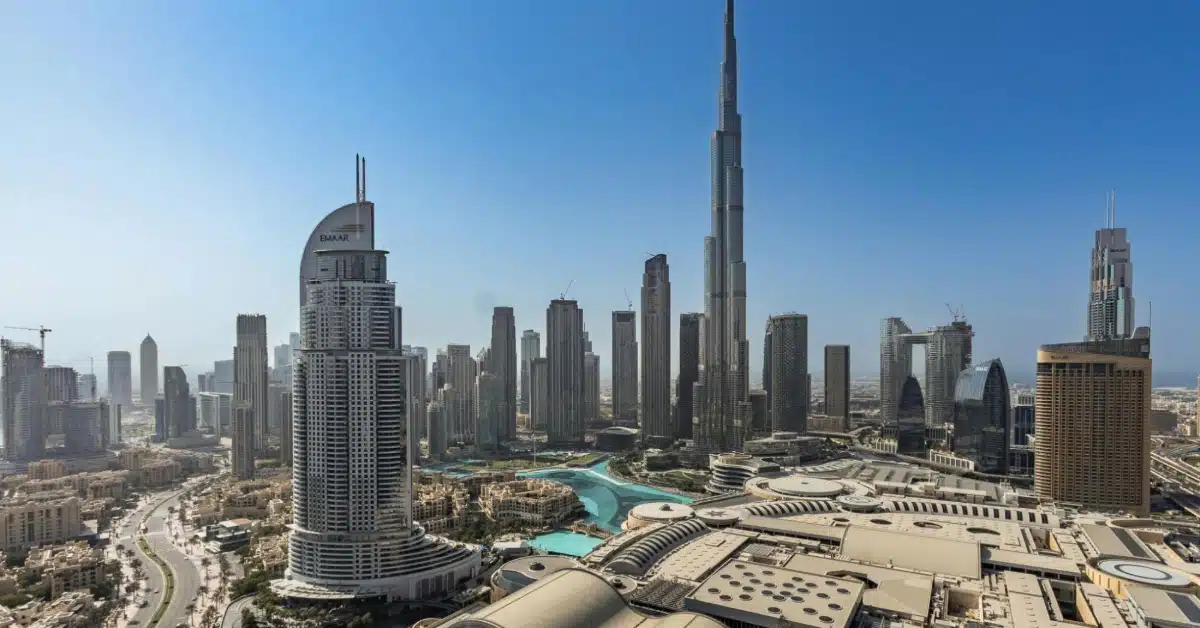
Free zones are designated areas within Dubai that operate under their own rules, regulations, and licensing authorities. The Dubai government explains that these zones offer benefits such as customs duty advantages and tax exemptions, while each maintains its own regulatory framework.
The wider UAE framework also supports this model. The Ministry of Economy and Tourism states that the country has more than 40 multidisciplinary free zones, built to offer foreign investors full ownership, strong infrastructure, and easier setup procedures.
There is also a tax and legal layer to understand. DIFC’s official guidance confirms that it is a qualified free zone for UAE Corporate Tax Law purposes, with a 0% corporate tax rate on qualifying income. In practical terms, that means free zone treatment can be highly favourable, but the exact position depends on the zone, the activity, and whether the business meets the relevant rules.
Dubai Free Zone Areas in 2026: By Industry and Focus
DMCC: Commodities, Trade and Emerging Tech
Dubai now has more than 20 free zones, according to the official Dubai business portal, and they are designed around different business models and industries. That is why the best Dubai free zone for one company may be the wrong fit for another.
DMCC is one of the strongest options for commodities, trade, fintech, crypto, AI, and related ecosystems. Its official site highlights sectors such as gold, diamonds, tea, coffee, energy, tech, gaming, crypto, AI, e-commerce, financial services, maritime, and sustainability.
DIFC: Financial and Regulated Services
DIFC is the premium choice for financial services, wealth management, funds, legal firms, and regulated entities. The centre describes itself as home to the region’s largest ecosystem of financially regulated firms, with the Dubai Financial Services Authority (DFSA) acting as the independent regulator.
Explore the Available Apartments for Sale in DIFC
-
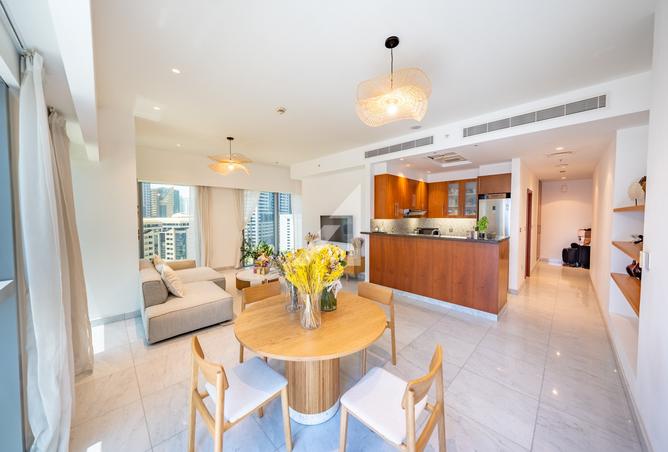

Apartment
Listed 3 weeks ago
2,200,000 AED
Spacious 1BR | Bright Flat with Zabeel & DIFC View
Central Park Residential Tower, Central Park Tower, DIFC, Dubai
1
1
906 sqft
-
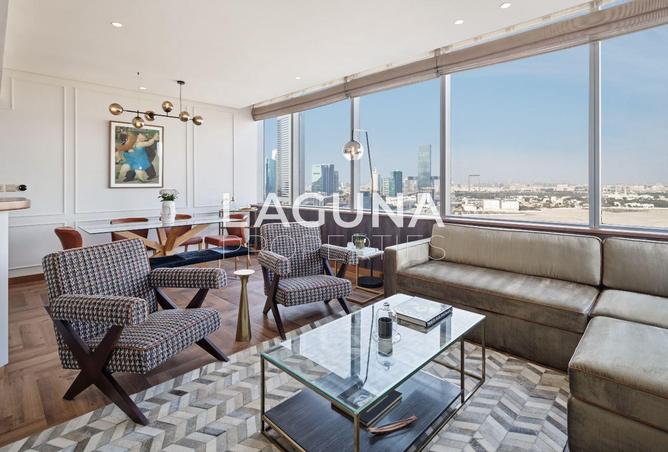

Apartment
Listed 3 days ago
3,175,000 AED
Sky High Luxury | Jaw-Dropping Views
Sky Gardens, DIFC, Dubai
2
3
1,272 sqft
-


Apartment
Listed 2 weeks ago
4,847,580 AED
Za'abeel View|Branded Residences|Premium Amenities
Eden House Zaabeel, DIFC, Dubai
1
2
1,194 sqft
-
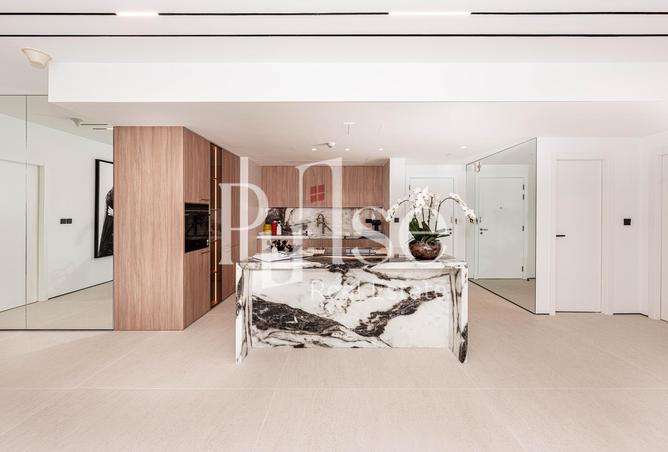

Apartment
Listed 4 days ago
7,790,000 AED
Premium Furnished 3BR | DIFC View | Exclusive
Burj Daman, DIFC, Dubai
3
3
2,091 sqft
-
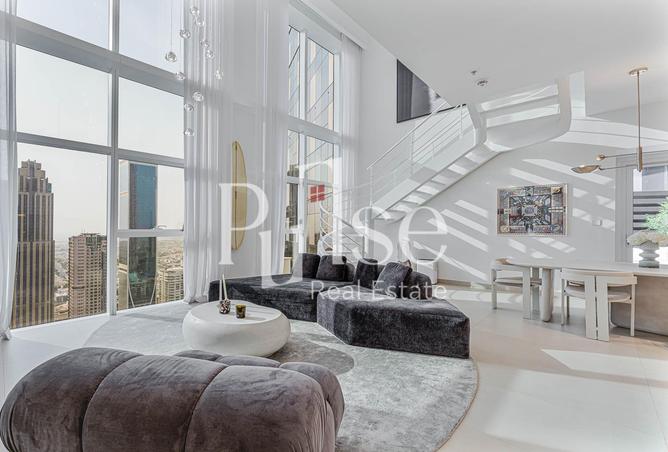
Apartment
Listed 5 days ago
5,500,000 AED
Masterpiece of Modern Elegance | Bespoke Duplex
Central Park Residential Tower, Central Park Tower, DIFC, Dubai
2
3
2,037 sqft
-
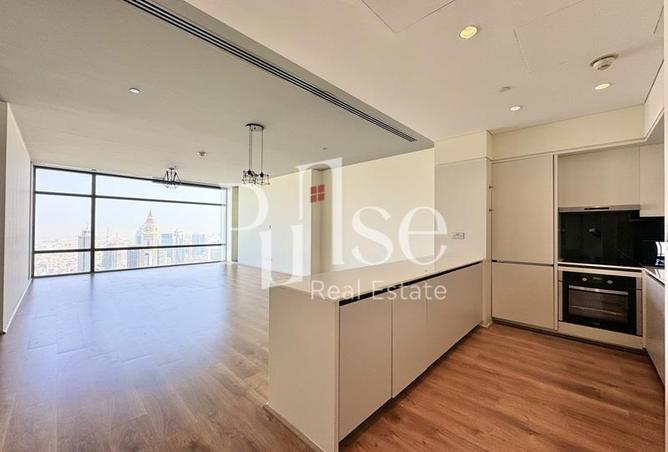
Apartment
Listed 1 week ago
5,700,000 AED
Spacious 2BR | High Floor | DIFC and Sea View
Index Tower, DIFC, Dubai
2
3
1,866 sqft
-
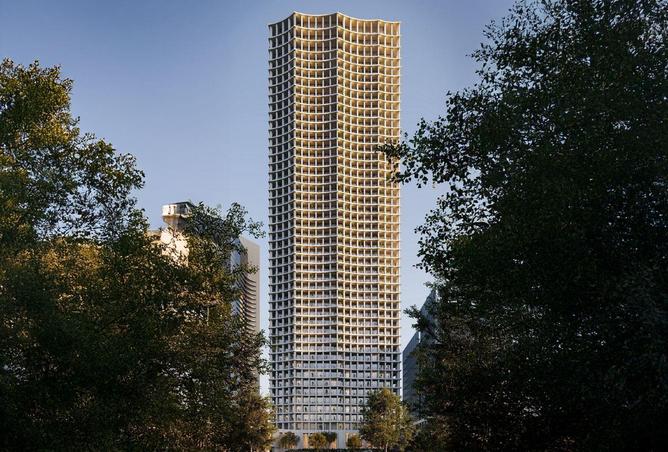

Apartment
Listed 2 weeks ago
4,730,000 AED
Spacious Layout, Zaabeel View, 40/60 PP, Luxury
Eden House Zaabeel, DIFC, Dubai
1
2
1,195 sqft
-
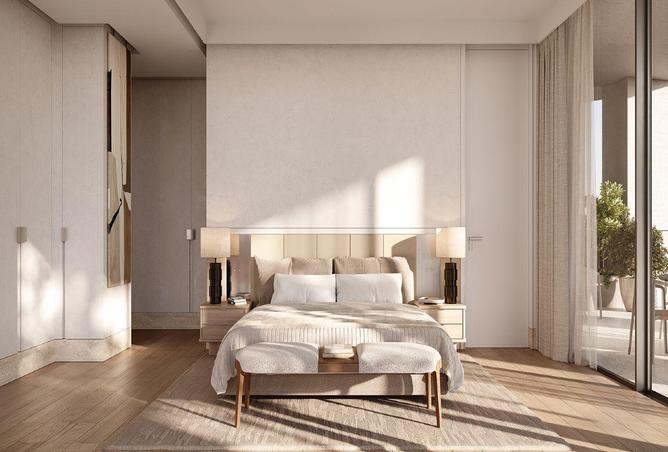
Apartment
Listed 2 weeks ago
4,730,000 AED
At the Heart of DIFC, Branded, 10% DP, 40/60 PP
Eden House Zaabeel, DIFC, Dubai
1
2
1,195 sqft
-
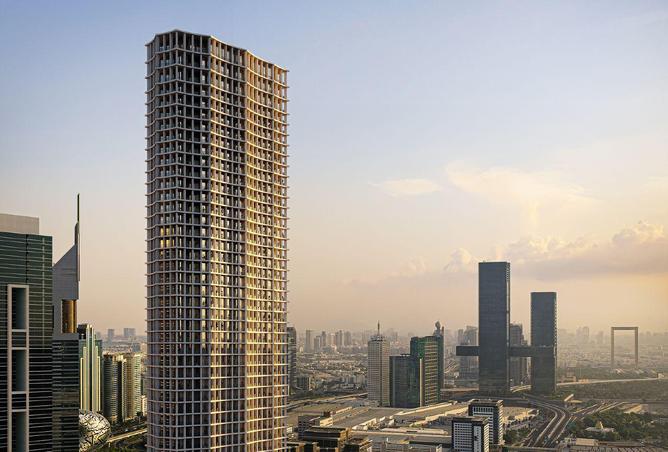
Apartment
Listed 2 weeks ago
6,920,000 AED
Branded Residences, At The Heart of DIFC, 40/60 PP
Eden House Zaabeel, DIFC, Dubai
2
3
1,675 sqft
-
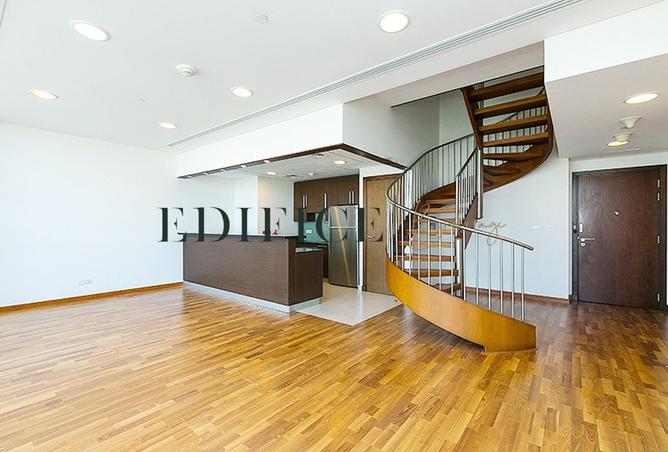

Apartment
Listed 4 days ago
4,500,000 AED
Mid Floor | Duplex | Zabeel / BK View
Burj Daman, DIFC, Dubai
2
3
1,533 sqft
JAFZA: Logistics, Manufacturing and Trade
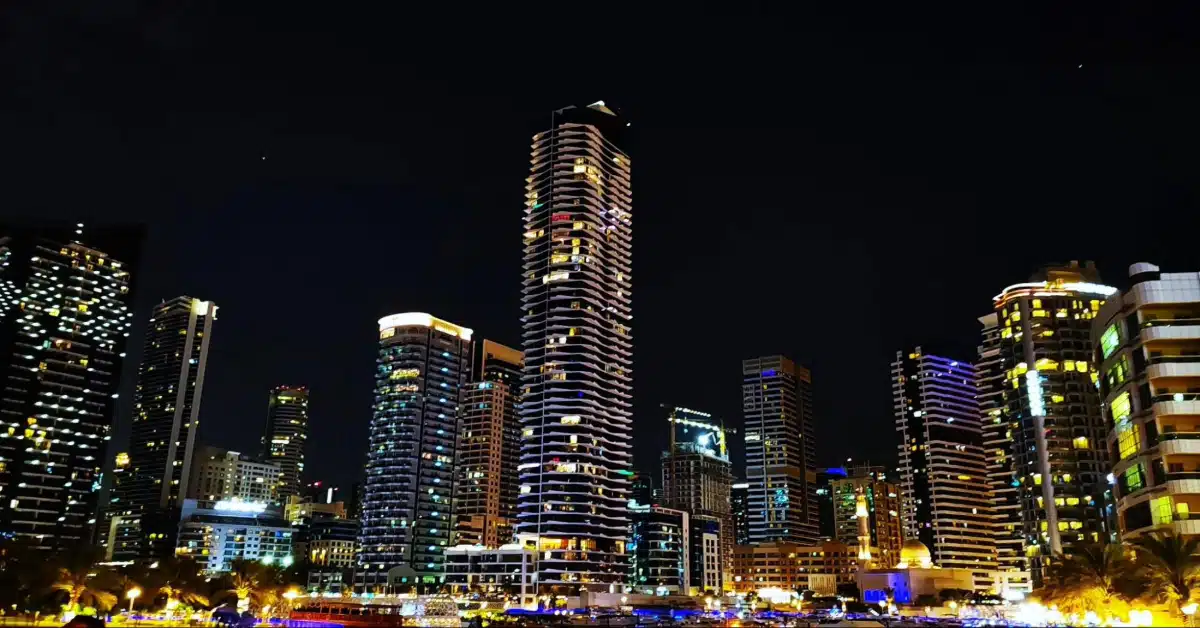
Jebel Ali Free Zone (JAFZA) is built for logistics, manufacturing, trade, and warehousing. JAFZA’s official materials describe it as DP World’s flagship free zone and the largest customs bonded zone in the Middle East, with trading, service, industrial, and logistics licences available.
DHCC: Healthcare and Wellness
Dubai Health Care City, or DHCC, focuses on healthcare, wellness, medical services, scientific work, and research. DHCC states that it is a healthcare and wellness free zone ecosystem, with online registration through its Masaar system and specialist licensing for clinical and non-clinical activity.
Dubai South and DAFZ: Aviation and Logistics
Dubai South and the Dubai Airport Freezone (DAFZ) are strong for aviation, logistics, aerospace, and import-export activity. Dubai South presents its free zone alongside logistics and the Mohammed Bin Rashid Aerospace Hub, while DAFZ emphasises airport proximity, fast processing, and flexible licence options.
Dubai Internet City, Dubai Media City and Dubai Design District: Tech, Media and Design
Dubai Internet City, Dubai Media City, and Dubai Design District serve tech, media, and design businesses well. Industry leaders describe Dubai Internet City as a technology hub, Dubai Media City as a regional media hub, and d3 as a leading design, fashion, and culture district.
Types of Licences in Dubai Free Zones
The most common licence types are commercial, service or professional, industrial, media or creative, and sector-specific licences. These categories map to different kinds of business activity, so the right licence should reflect what the company actually does, not just what sounds broadest.
A commercial licence is usually used for import, export, general trading, and related commercial activity. JAFZA and IFZA both describe commercial trading licences in these terms, and DAFZ says its trade licence can cover import, export, re-export, distribution, storage, and e-commerce trade in goods and services.
A professional or service licence is better for consulting, IT, marketing, legal services, and similar knowledge-based work. IFZA’s official licence pages make this distinction clear, and DAFZ also lists a separate service licence for service-oriented businesses.
Industrial licences apply to processing, manufacturing, assembly, production, and warehousing. JAFZA is the clearest example here, because its industrial licence is built around manufacturing and related operations.
Sector-specific licences are common in regulated environments. DIFC licences support financial businesses under DFSA oversight, while DHCC licences cover healthcare and wellness activities under its own regulatory system.
Investor Benefits in a Dubai Free Zone
The main attraction of a Dubai free zone remains control, clarity, and speed. The Ministry of Economy and Tourism highlights full foreign ownership, repatriation of capital and profits, tax advantages, customs-duty exemption, and independent laws and regulations as core benefits.
Another major benefit is flexibility in ownership and structure. Free zone entities can often be formed as single-shareholder companies, and visa entitlement usually depends on office size and licence type rather than a rigid one-size-fits-all quota. DMCC states that visa numbers are tied to office space and the licence held, while IFZA and DAFZ both highlight streamlined, remote-friendly business setup options.
Infrastructure is equally important. Dubai’s official portal describes free zones as specialised areas with industry-specific support, while DAFZ, DHCC, and TECOM’s districts all emphasise purpose-built ecosystems for logistics, healthcare, media, and technology. That infrastructure can make a real difference to hiring, client access, and operational efficiency.
Cost Factors and the Dubai Free Zone Setup Process
Setup cost is shaped by five main factors: licence type, office or workspace requirement, visa count, regulated approvals, and any facility needs such as warehouses, laboratories, or clinical space. DMCC’s package pages show how office choice and visa eligibility affect pricing, while IFZA and DHCC both show that licence complexity changes the process and the cost profile.
In practice, a simpler setup may involve selecting the free zone, choosing the activity, submitting documents, obtaining the licence, and, if needed, applying for visas. IFZA says its incorporation process can be completed in a few business days, and DAFZ and DHCC both present their setup journeys as short, structured processes.
For budget planning, it is wise to compare registration fees, annual licence charges, VAT where applicable, visa costs, and workspace costs together rather than in isolation. DMCC’s published pricing shows that a package may include VAT and knowledge-related charges, which is a useful reminder that the headline number is not always the full number.
How to Choose the Right Free Zone
The best way to choose is to start with your business activity. A finance firm should look first at DIFC, a trader or commodities company may prefer DMCC, and a logistics or warehousing business may be better suited to JAFZA, DAFZ, or Dubai South. Matching the zone to the actual business model usually saves time later.
Budget is the next factor. Lower-cost zones can suit digital businesses and start-ups, while premium zones may justify their price through reputation, stronger regulation, and better access to specialised infrastructure. That is an inference based on the zones’ official positioning, their regulatory scope, and their package structures.
It is also worth thinking beyond launch. The 2025 Dubai resolution allows certain free zone establishments to operate outside designated zones within Dubai, subject to the necessary DET permits, except for DIFC financial institutions. That makes expansion planning more relevant than it used to be.
Key Takeaways
Dubai free zone areas are not interchangeable. Each zone is designed for a specific business need, with its own rules, licence types, visa framework, and infrastructure. The strongest choice is usually the one that aligns with your sector, budget, and long-term growth plans.
For many founders, a Dubai free zone remains attractive because it offers ownership control, strong customs advantages, and a relatively efficient route to market. The right zone can also improve credibility with banks, partners, and clients.
FAQs
Free zone licences offer 100% foreign ownership but restrict trading to the zone or international markets. Mainland licences allow you to trade anywhere in the UAE but operate under different regulatory systems.
Yes, by obtaining specific DET permits or dual-licensing. However, certain sectors, such as DIFC-regulated financial institutions, are generally excluded from this flexibility.
Visa quotas are typically determined by office size. While flexi-desks offer 1–3 visas, larger physical offices allow for a higher capacity based on square footage.
Digital and simple service setups take 2–5 business days. Regulated industries like healthcare or finance involve more scrutiny and typically take several weeks.
Requirements vary by zone. Regulated sectors often require annual audits and minimum share capital, while many startup-focused zones have no such obligations.