


Understanding the distinction between Freehold ownership and Free Zone developments is essential for anyone navigating Dubai’s real estate landscape in 2026. While both terms are widely used in investment and relocation discussions, the concept of Free Zone vs Freehold Property Dubai refers to entirely different legal and regulatory frameworks.
In simple terms, Freehold Property in Dubai relates to full ownership rights over real estate within designated areas, whereas Free Zone Property refers to developments located within or around special economic zones designed to support business activity and investment incentives. In the context of Free Zone vs Freehold Property Dubai, the confusion often arises because both concepts are linked to foreign investment, yet they serve different purposes within Dubai’s legal system.
Platforms such as Property Finder help users explore verified listings through licensed agents, agencies, and developers, ensuring transparency and compliance with Dubai Land Department regulations.
- What Is Freehold Property in Dubai?
- What Are Free Zone Property/Free Zone Areas in Dubai?
- Pros & Cons: Freehold Properties
- Pros & Cons: Investing in/around Free Zone Areas
- Key Differences: Freehold vs Free Zone Property Comparison Table
- Practical Use-Cases: Which to Choose & When
- Recent Policy Changes & Trends (2024–2026)
- Key Takeaways
- FAQs

What Is Freehold Property in Dubai?
Freehold property represents one of the most secure forms of real estate ownership in Dubai, granting buyers full and permanent rights over both land and building within designated zones.
Definition & Legal Basis
Freehold ownership allows individuals to fully own a property indefinitely, including the land it stands on. This framework is supported by Dubai Law No. 7 of 2006 and subsequent resolutions that expanded ownership rights for non-UAE nationals in specific areas. It has become a cornerstone of Dubai’s international investment appeal.
Who Can Buy Freehold & Where?
UAE nationals can purchase property across most areas without restriction. Non-GCC foreign investors, however, can only buy in designated freehold zones approved by the Dubai Land Department.
Popular freehold communities include Dubai Marina, Downtown Dubai, Palm Jumeirah, Jumeirah Village Circle, and parts of Business Bay, all of which continue to attract global investors in 2026.
Rights & Responsibilities of Freehold Ownership
Freehold owners can sell, lease, mortgage, or pass on their property through inheritance. However, ownership comes with ongoing responsibilities such as service charges, community regulations, and maintenance contributions. These obligations help maintain infrastructure quality in master-planned communities across Dubai Hills Estate and Arabian Ranches.
Explore the Available Apartments for Sale in Dubai Hills Estate
-


Apartment
Listed 2 weeks ago
1,300,000 AED
Vacant | Villa View | Great Condition
Collective Tower 2, Collective, Dubai Hills Estate, Dubai
1
1
486 sqft
-


Apartment
Listed 3 weeks ago
1,680,000 AED
Exclusive | Golf View | High Floor
Greenside Residence Tower A, Greenside Residence, Dubai Hills Estate, Dubai
1
1
748 sqft
-
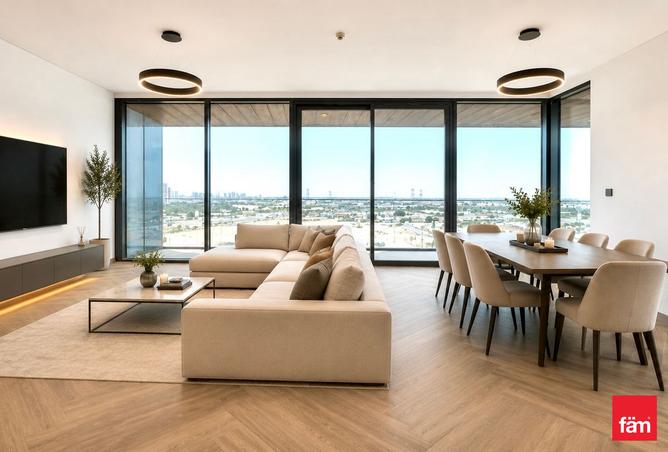

Apartment
Listed 4 days ago
4,950,000 AED
Community Expert | Vacant | All Ensuite
399 Hills Park B, 399 Hills Park, Dubai Hills Estate, Dubai
3
3
2,008 sqft
-


Apartment
Listed 3 weeks ago
2,200,000 AED
VIDA BRANDED | SELLING BELOW OP | READY IN 2028
Park Lane 3A, Park Lane 3, Park Lane, Dubai Hills Estate, Dubai
2
2
1,104 sqft
-
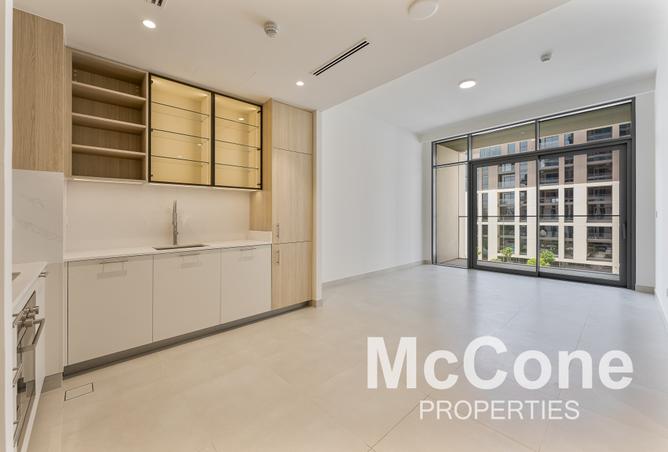

Apartment
Listed 7 days ago
2,200,000 AED
Pool View | Brand New | High Demand
Parkside Views, Dubai Hills Estate, Dubai
1
1
704 sqft
-
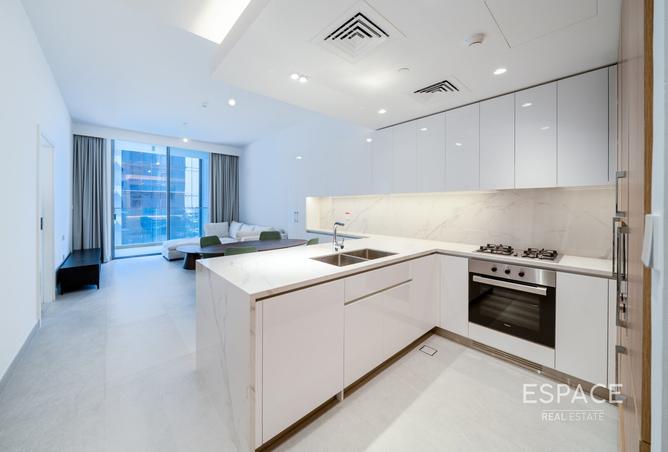

Apartment
Listed 2 weeks ago
2,350,000 AED
Mid Floor | Brand New | Outstanding Quality
Ellington House 2, Ellington House, Dubai Hills Estate, Dubai
1
2
843 sqft
-


Apartment
Listed 2 weeks ago
2,500,000 AED
Hot Investor Deal | Branded 2BR | Handover 2028
Palace Residences 1, Palace Residences at Hills Estate, Dubai Hills Estate, Dubai
2
2
1,206 sqft
-
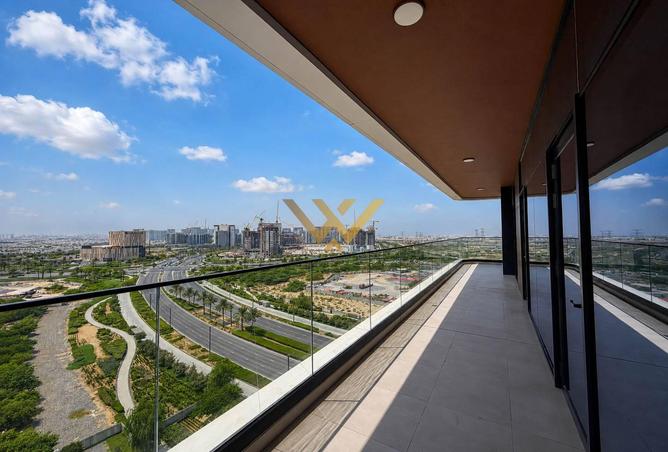

Apartment
Listed 3 months ago
3,200,000 AED
2BR+Maid's | Pool View | High Floor
Golf Residences by Fortimo, Dubai Hills Estate, Dubai
2
4
1,694 sqft
-

Apartment
Listed 1 week ago
1,449,000 AED
Park Backing | Investor Deal | Boulevard View
Executive Residences 1, Executive Residences, Dubai Hills Estate, Dubai
1
1
655 sqft
-
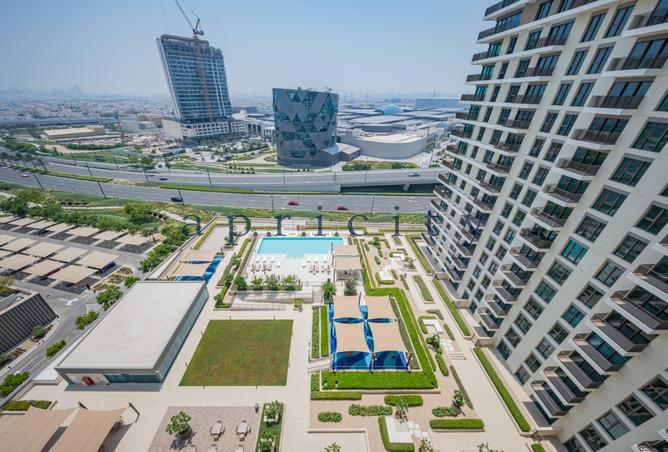

Apartment
Listed 3 weeks ago
1,750,000 AED
Handed Over | Vacant Now | Sunset View
Hills Park, Dubai Hills Estate, Dubai
1
1
672 sqft
What Are Free Zone Property/Free Zone Areas in Dubai?
Free Zone property is closely linked to Dubai’s business ecosystem rather than traditional residential ownership structures.
Definition & Focus
Free Zones are specially designated economic areas designed to encourage foreign investment through benefits such as tax exemptions, simplified company ownership rules, and streamlined regulations. Real estate within or near these zones often serves commercial purposes or supports workforce accommodation for companies operating there.
How Free Zone Properties Differ Legally from Freehold Properties
The key difference lies in intent and ownership structure. Freehold focuses on real estate ownership rights, while Free Zones focus on business regulation and economic incentives. Even if a company operates within a Free Zone, it does not automatically gain freehold ownership of land unless the property is located in a designated freehold area.
Developments near areas like Dubai Silicon Oasis and Jebel Ali Free Zone often reflect this hybrid commercial-residential dynamic.
Pros & Cons: Freehold Properties

Freehold property remains the preferred choice for long-term investors and end-users seeking stability in Dubai’s real estate market.
Pros
Freehold ownership provides permanent property rights, full title deeds, and the ability to pass assets through inheritance. It also supports eligibility for long-term residency programs such as the UAE Golden Visa when investment thresholds are met. Additionally, properties in prime freehold areas often demonstrate strong resale demand and financing appeal.
Cons
However, entry costs can be high, particularly in premium districts like Palm Jumeirah or Downtown Dubai. Buyers must also account for registration fees, typically around 4% of the property value, along with ongoing service charges and maintenance costs. Market performance can vary depending on location and supply dynamics.
Pros & Cons: Investing in/around Free Zone Areas
Free Zone-adjacent developments appeal strongly to business owners and professionals seeking strategic advantages.
Pros
These areas often benefit from high rental demand driven by expatriate professionals and corporate tenants. Investors also gain from business-friendly regulations, 100% foreign ownership of companies, and efficient infrastructure. Locations near Dubai Internet City and Dubai Media City continue to show strong commercial appeal.
Cons
Despite these advantages, Free Zone properties may not always include full freehold ownership, and investors may face restrictions when engaging with the mainland market. Additionally, operational costs such as licensing and compliance can be significant depending on the Free Zone authority.
Key Differences: Freehold vs Free Zone Property Comparison Table

| Feature | Freehold Property | Free Zone Property / Area |
| Ownership of Land | Full ownership | Often lease or restricted |
| Title Deed | Full DLD title deed | Varies by structure |
| Foreign Ownership | Allowed in designated zones | Allowed for business owners |
| Golden Visa Eligibility | Yes (subject to value threshold) | Not directly linked |
| Resale Value | Generally strong in prime areas | Varies by zone |
| Primary Purpose | Residential investment | Business and commercial support |
Practical Use-Cases: Which to Choose & When
For residential buyers or long-term investors, Freehold property remains the more suitable option due to its permanent ownership structure and inheritance benefits. Communities such as Dubai Hills Estate and Jumeirah Lake Towers are popular choices for families and investors alike.
For entrepreneurs and corporate stakeholders, Free Zone developments offer strategic advantages, particularly when business operations are tied to sectors such as technology, media, or logistics. However, investors should always verify whether the property includes full freehold rights or is tied to a licensing structure.
Recent Policy Changes & Trends (2024–2026)
Dubai continues to expand its real estate accessibility, with new freehold areas introduced along Sheikh Zayed Road and Al Jaddaf. Updated regulations have also strengthened the link between property investment and residency benefits, particularly through Golden Visa eligibility thresholds.
At the same time, Free Zone authorities are increasingly enabling businesses to operate across mainland Dubai, reflecting a more integrated economic model between zones and traditional commercial areas.
Key Takeaways
Freehold property in Dubai offers full ownership rights, long-term security, and strong investment potential, making it ideal for residential buyers and investors seeking asset stability. Free Zone areas, on the other hand, are designed to support business growth, offering regulatory and tax advantages but not necessarily full property ownership rights. In 2026, Dubai’s evolving legal framework continues to bridge both systems, but the concept of Free Zone vs Freehold Property Dubai highlights that the fundamental distinction between ownership and business regulation remains unchanged.
FAQs
No—only in DLD-designated freehold zones. Areas outside these zones are generally not available for foreign freehold ownership.
No. Only freehold properties meeting the minimum value requirement (often AED 2 million or more) may qualify.
Not always, but many Free Zone-linked properties do not include full land ownership and may operate under lease or licensing structures.
Costs typically include the purchase price, DLD transfer fee, registration charges, and ongoing service fees.
They may face restrictions on mainland trade, limited business activities depending on the zone, and additional licensing requirements.