



Renting and leasing commercial properties in Dubai can be challenging, especially if you are an entrepreneur. However, with the right approach and guidance, you can find an ideal location for your business without any hassle.
In this guide, we will explore how market trends, classifications, and location preferences influence leasing decisions. Understanding these factors ensures that businesses select properties that not only meet operational requirements but also maximise growth potential and return on investment.
- Understanding Dubai’s commercial property market
- Top commercial property locations in Dubai
- Quick comparison: commercial property types
- Commercial lease terms and legal framework
- Types of lease agreements in Dubai
- Step-by-step guide to renting commercial property in Dubai
- Pricing and cost considerations
- Example rent calculation
- Practical tips for renting commercial property in Dubai
- Special considerations for different business types
- Understanding landlord responsibilities and tenant rights
- Key Takeaways
- FAQs
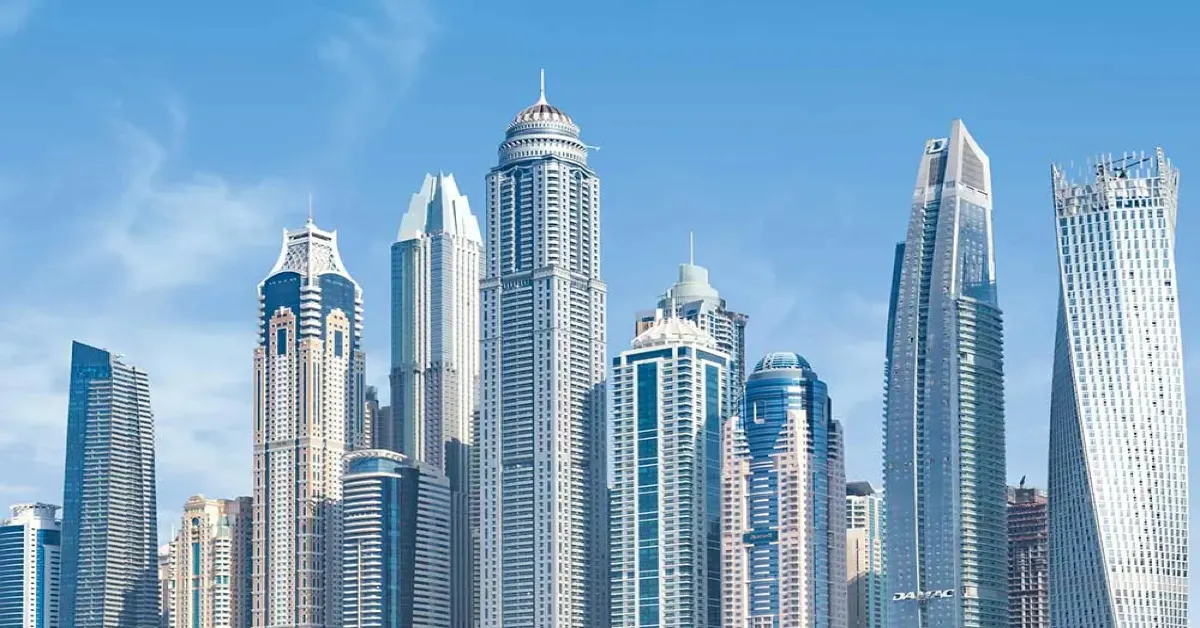
Understanding Dubai’s commercial property market
Dubai’s commercial property sector has undergone significant evolution in recent years. Previously marked by oversupply and competitive pricing, the market has now stabilised, with high occupancy rates and renewed interest from both local and international businesses.
Understanding the market is essential for anyone seeking to rent or lease commercial properties in Dubai. From premium business districts to budget-friendly hubs, the emirate offers spaces suitable for startups, SMEs, and multinational corporations.
Market overview and trends
The commercial real estate landscape in Dubai has shifted significantly, with overall office occupancy now around 92–94% and prime office space in key districts often above 95%. This growth is supported by strong demand from new business registrations, particularly in sectors such as finance, technology, and professional services.
Businesses now face rising prices, but they also benefit from transparent regulations, modern infrastructure, and competitive rental structures, making Dubai an attractive base for operations.
Market classifications and structure
Below are the categories and classifications of the Real estate market in Dubai, These classifications exclude residential buildings, charitable institutions, and undeveloped land. VAT at 5% applies to all leases, including those with instalment payments. Knowing the classification of your target property helps in planning budgets and understanding regulatory requirements.
Commercial property in Dubai is classified into:
- Offices
- Retail outlets
- Warehouses
- Hotels and hospitality spaces
- Land designated for commercial use
Top commercial property locations in Dubai
Choosing the right location is critical for your business success. Dubai offers a range of options from premium districts to budget-friendly areas.
Premium business districts
Dubai’s premium business districts offer prestigious offices, modern infrastructure, and excellent connectivity, ideal for multinational corporations and professional services.
Index Tower – DIFC (Downtown Financial Centre)
- Key Features: Grade A offices, panoramic Downtown Dubai views, regulated legal and financial frameworks.
- Rental Range: 180–250 AED per sq ft annually
Bay Square – Business Bay
- Key Features: Flexible, plug-and-play offices, metro access, smart building technology.
- Rental Range: 100–150 AED per sq ft annually
Sheikh Zayed Road – Iconic Commercial Towers
- Key Features: Central business district exposure, high-rise views, premium facilities.
- Rental Range: 150–220 AED per sq ft annually
Mid-Range business hubs
These areas provide well-equipped offices at competitive rates, suitable for SMEs and growing businesses seeking convenient locations with good amenities.
Mazaya Business Avenue – JLT
- Key Features: Competitive pricing, lakeside views, metro accessibility.
- Rental Range: 80–130 AED per sq ft annually
Dubai Marina – Marina Plaza Offices
- Key Features: Sea views, high footfall, proximity to hotels and cafes.
- Rental Range: 130–200 AED per sq ft annually
Meydan Avenue – Retail & F&B Spaces
- Key Features: Luxury commercial strip, high-end clientele, close to Meydan Racecourse.
- Rental Range: 120–180 AED per sq ft annually
Budget-friendly and specialised areas
Budget-friendly and specialised districts offer affordable commercial spaces, ideal for startups, logistics, tech companies, and small retailers.
Dubai Silicon Oasis – Tech Hub
- Key Features: Affordable offices, fibre-optic infrastructure, innovation centres.
- Rental Range: 50–100 AED per sq ft annually
Al Quoz – Warehouse & Showroom Spaces
- Key Features: Industrial and creative use, easy road access, flexible rentals.
- Rental Range: 40–75 AED per sq ft annually
Deira – Budget-Friendly Shops and Offices
- Key Features: High footfall, ideal for retail traders, near Gold Souk and Dubai Creek.
- Rental Range: 60K–150K AED/year, depending on size
Quick comparison: commercial property types
Different businesses require different spaces. Understanding property types ensures that your choice aligns with operations and growth plans.
| Property Type | Best For | Locations | Price Range (per sq ft) |
| Office Spaces | Corporate offices, consultancies, professional services | Business Bay, DIFC, Sheikh Zayed Road, JLT | 50–250 AED |
| Retail Stores | F&B, fashion, luxury brands | Deira, Meydan Avenue, Marina | 60K–180K AED/year |
| Warehouses | Logistics, e-commerce, and manufacturing | Al Quoz, Dubai South | 40–75 AED |
| Showrooms | Automotive, furniture, appliances | Al Quoz, industrial areas | Variable |
| Co-working Spaces | Freelancers, startups, flexible teams | Business Bay, Downtown, JLT | Daily/Monthly rates |
Commercial lease terms and legal framework
Understanding lease terms protects your business and avoids future disputes.
Lease duration and structure
Commercial leases typically last 1–5 years, although they can sometimes be longer. Agreements outline rights, responsibilities, financial obligations, and lease-specific clauses.
Key lease terms to negotiate
- Rent and Payment Structure: Ensure clarity on rates, escalation, and service charges.
- Rent Escalation Clauses: Cap annual increases to manage budget.
- Fit-Out and Rent-Free Periods: Typically 1–3 months for renovations and setup.
- Renewal Rights and Exit Clauses: Safeguard options for extending or exiting.
- Maintenance and Service Charges: Clarify the Landlord’s Responsibilities.
EJARI registration
Mandatory for all commercial leases, EJARI registration ensures legal validity and protects both parties. Registration involves:
- Submitting contracts within 30 days
- Providing company and tenant documents
- Obtaining an official EJARI certificate
Types of lease agreements in Dubai
You must know the type of your lease agreement before renting a commercial space in Dubai. Typically, there are four types of rental and lease agreements:
Gross lease
Companies rent a commercial property with a pre-decided monthly rent agreement. The landlord covers additional expenses like taxes, insurance, and maintenance.
Land lease
The tenant company pays to lease the land and can construct a building for business operations. After the lease ends, the landlord regains possession of both the land and the building.
Triple net lease
This lease benefits landlords the most. The commercial tenant is responsible for the loan payment, insurance, taxes, and maintenance costs.
Modified net lease
This lease offers shared benefits to commercial tenants and property owners, with equally divided expenses, making it a common choice.
Step-by-step guide to renting commercial property in Dubai
Renting commercial properties in Dubai involves several structured steps, from planning and property selection to negotiation and activation. Following these steps ensures a smooth process and helps avoid common pitfalls.
Step 1: Planning and preparation
Start by defining your business needs clearly:
- Determine required space size and layout
- Set a realistic budget and total occupancy cost
- Identify essential amenities and building specifications
- Check zoning and licensing rules to ensure your activity is permitted
Step 2: Property selection and shortlisting
With your requirements set, begin evaluating suitable options:
- Research units based on accessibility, infrastructure, and surroundings
- Compare neighbourhoods and business environments
- Conduct site visits to inspect layout, condition, and security
- For retail units, observe foot traffic and competitor mix
Step 3: Negotiation and documentation
Secure favourable terms before signing:
- Submit a lease proposal with required documents
- Negotiate rent, lease duration, escalation, and fit-out period
- Review the contract thoroughly and seek legal guidance if needed
Step 4: Registration and activation
Finalise the lease and prepare the unit for operations:
- Register the lease with EJARI
- Conduct a handover inspection and record the unit’s condition
- Begin the fit-out period for renovations, furnishing, and setup
- Start operations once fit-out is complete and the lease becomes active
Pricing and cost considerations
Rental costs vary widely by location and property type. For example, warehouse space in Al Quoz starts at 40 AED per square foot, while DIFC offices may exceed 250 AED per square foot.
Additional costs
- Service charges: AED 2–5/sq ft
- Utilities: Metered separately
- Municipality and EJARI fees
- Insurance
- VAT: 5% on total supply
- Fit-out costs
- Parking fees

Example rent calculation
Below is a simple breakdown of what a business might pay annually for a 1,000 sq ft commercial unit in Dubai.
| Cost Component | Estimate (AED) | Notes |
| Base Rent | 100,000 | Primary cost |
| Service Charges | 3,000–5,000 | Common area and maintenance |
| Municipality Fees | 1,500–2,000 | Varies by area |
| Utilities | 3,000–4,000 | Metered usage |
| VAT (5%) | 5,525–5,850 | On total supply |
| Total Annual Cost | 113,025–117,85 | Approx. 113–118 AED per sq ft |
Practical tips for renting commercial property in Dubai
These practical pointers help businesses make informed decisions and avoid common leasing mistakes.
- Location strategy: Choose an area with strong accessibility for staff, clients, and logistics.
- ROI alignment: Ensure the rental cost supports your projected revenue and long-term financial goals.
- Growth planning: Look for lease options that allow expansion within 12–24 months.
- Professional representation: Work with commercial real estate specialists to support negotiations.
- Lease term selection: Match the lease duration to your business stage and stability.
- Inspection and documentation: Record the unit’s condition with photos and notes before moving in.
Special considerations for different business types
Different business sectors have unique requirements when choosing commercial properties in Dubai. Selecting the right location and property type can significantly impact operations and growth.
- Retail & F&B: Prioritise high-footfall areas such as Deira for traditional retail and Meydan Avenue for upscale dining and boutique outlets.
- Tech Companies: Dubai Silicon Oasis offers government-backed free zone benefits, modern infrastructure, and supportive ecosystems for IT and innovation-driven firms.
- Logistics & Warehousing: Areas like Al Quoz and Dubai South provide affordable warehouse space, good road connectivity, and logistics-friendly facilities.
- Corporate & Professional Services: Premium districts such as DIFC, Business Bay, and Sheikh Zayed Road enhance brand perception and provide access to professional networks and clients
Understanding landlord responsibilities and tenant rights
Knowing your rights and obligations is essential for a smooth commercial tenancy in Dubai. Both landlords and tenants have clear responsibilities under the law, ensuring fair and safe leasing arrangements.
Landlord obligations
- Maintain structural integrity and ensure safety standards are met
- Keep electrical, plumbing, and mechanical systems in working order
- Comply with building codes and safety regulations
- Maintain common areas and provide adequate security
Tenant rights
- Right to peaceful enjoyment of the property
- Protection against arbitrary rent increases
- Clear disclosure of all fees and charges
- Renewal rights under EJARI registration
- Access to RERA dispute resolution mechanisms
Key takeaways
The commercial property market in Dubai in 2025 presents strong opportunities for businesses of all sizes. Prime office occupancy exceeds 92%, resulting in high demand across various sectors. A variety of locations—from premium DIFC offices to budget-friendly Al Quoz warehouses, caters to different business needs, budgets, and growth plans.
Leases generally run 1–5 years and include negotiable terms such as rent, fit-out periods, and renewal options, while EJARI registration ensures full legal compliance. When calculating total costs, businesses should account for service charges, utilities, and VAT. Choosing the right location and working with professional real estate specialists can help secure favourable terms and support long-term business success.
FAQs
Commercial leases typically offer terms ranging from 1 to 5 years, negotiable escalation clauses, and renewal rights, and are applicable to retail, office, warehouse, and industrial properties. Residential leases are typically shorter and less flexible.
Budget ranges widely: Dubai Silicon Oasis, AED 50–100/sq ft; Business Bay, AED 100–150/sq ft; DIFC, AED 180–250/sq ft. Total annual costs, including charge,s often reach AED 113K–118K for a 1,000 sq ft office.
EJARI is RERA’s system for legal lease registration, protecting tenants and landlords, and must be completed within 30 days. Unregistered leases are unenforceable.
Cap rent escalation, secure rent-free fit-out periods, ensure renewal rights, fair exit clauses, and fixed service charges. Use specialists to benchmark terms against RERA indices.