



An eviction notice in Dubai is a formal legal process governed by strict rules under the emirate’s tenancy laws. Whether issued for non-payment of rent, property sale, personal use, or demolition, eviction must comply with Article 25 of Law No. 26 of 2007 as amended by Law No. 33 of 2008. In 2026, these rules will remain the foundation for resolving landlord-tenant disputes across Dubai.
Understanding when an eviction notice is valid and how it must be served helps both landlords and tenants avoid unnecessary legal complications.
In this guide, learn about:
- The legal framework of an eviction notice
- Valid reasons for an eviction notice in Dubai
- Requirements and formalities for serving an eviction notice
- Eviction notice periods by scenario
- Legal and procedural steps to present an eviction notice
- Tenant rights and protections
- Common pitfalls and invalid eviction reasons
- Summary table: Notice periods and grounds
- Market considerations during eviction
- Key takeaways
- FAQs
Understanding the legal framework of an eviction notice

Dubai regulates eviction through a clearly defined statutory system.
Applicable laws
Evictions fall under Law No. 26 of 2007, amended by Law No. 33 of 2008. Article 25 specifically outlines the circumstances under which a landlord may legally evict a tenant.
The law divides eviction into two main categories:
- Eviction before lease expiry due to tenant breach
- Eviction at lease expiry for lawful non-breach reasons
The framework for eviction is rooted in Dubai rental laws, notice periods, and tenancy compliance requirements, which define how and when a landlord can legally serve notice under Article 25.
Regulatory bodies
Eviction disputes are handled by:
The Rental Dispute Settlement Centre is the judicial authority that reviews eviction cases and issues enforceable judgments.
Tenant registration
All tenancy contracts must be registered through the Ejari registration in Dubai. Without an Ejari, a landlord cannot properly file a case before the Rental Dispute Settlement Centre.
These legal requirements apply across all residential communities in the emirate, including areas such as Dubai Marina, where tenancy contracts must also comply with the same registration standards.
Explore the Available Apartments for Rent in Dubai Marina
-


Apartment
Listed 4 weeks ago
183,999 AED/year
SEA VIEW | FURNISHED 2 BEDROOM | PRINCESS TOWER
Princess Tower, Dubai Marina, Dubai
2
3
1,181 sqft
-
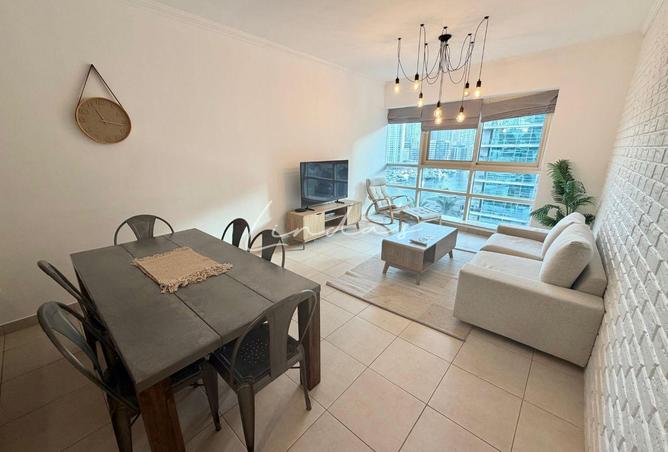
Apartment
Listed 1 week ago
115,000 AED/year
Fully Furnished | Marina View | Ready to Move
Marina Quays West, Marina Quays, Dubai Marina, Dubai
1
2
791 sqft
-

Apartment
Listed 2 weeks ago
130,000 AED/year
Fully Furnished | Well Maintained | Marina View
Al Majara 2, Al Majara Towers, Dubai Marina, Dubai
1
1
944 sqft
-
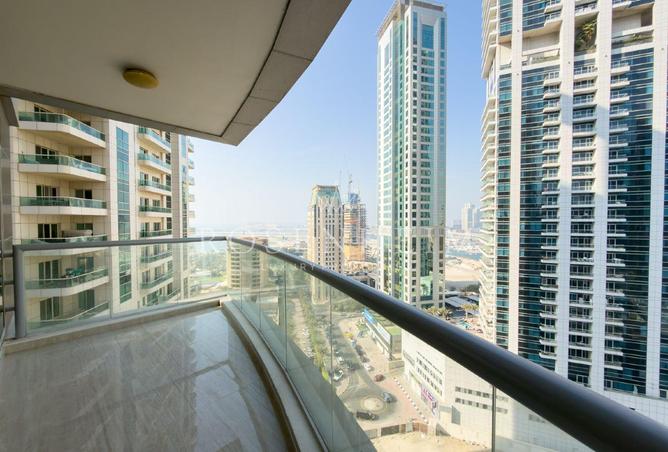
Apartment
Listed 4 days ago
150,000 AED/year
Renovated | Sea View | Two Balconies | Vacant
Skyview Tower, Dubai Marina, Dubai
2
3
1,597 sqft
-

Apartment
Listed 7 days ago
130,000 AED/year
Dubai Marina | Full Furnished | All Bills Included
Sparkle Tower 2, Sparkle Towers, Dubai Marina, Dubai
1
2
971 sqft
-
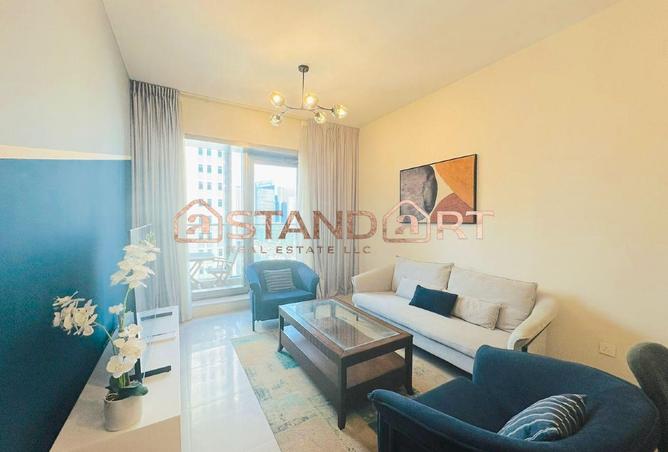
Apartment
Listed 7 days ago
180,000 AED/year
Full Dubai Marina View | Fully Furnished | Vacant
Sparkle Tower 1, Sparkle Towers, Dubai Marina, Dubai
2
4
1,482 sqft
-
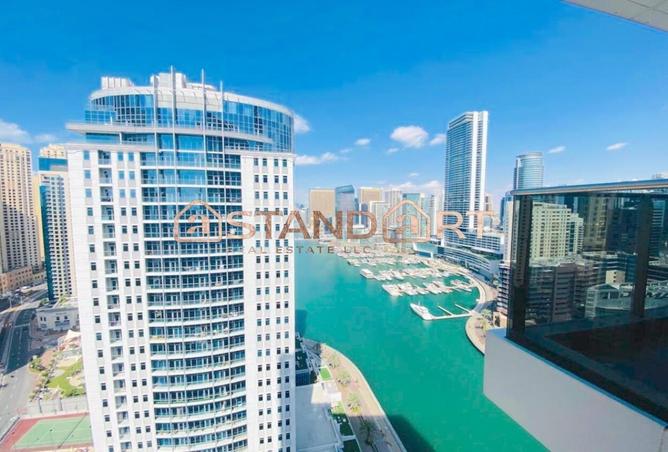
Apartment
Listed 7 days ago
270,000 AED/year
Dubai Marina View | Corner Unit | High Floor
Sparkle Tower 1, Sparkle Towers, Dubai Marina, Dubai
3
4
1,882 sqft
-

Apartment
Listed 1 week ago
220,000 AED/year
Marina View | Vacant | Unfurnished |Fully Upgraded
5242 Tower 1, 5242, Dubai Marina, Dubai
2
2
1,184 sqft
-

Apartment
Listed 2 weeks ago
150,000 AED/year
FULL MARINA VIEW - MID FLOOR - READY TO MOVE IN
Continental Tower, Dubai Marina, Dubai
2
3
1,309 sqft
-
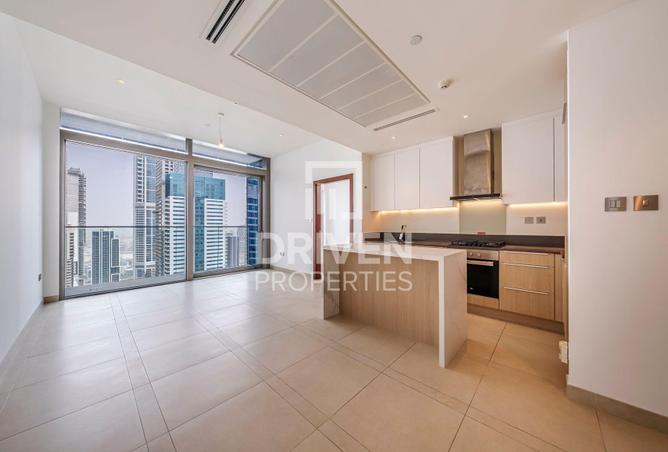
Apartment
Listed 3 days ago
140,000 AED/year
Modern Layout Unit | High Floor | Vacant
Marina Gate 2, Marina Gate, Dubai Marina, Dubai
1
2
763 sqft






Valid reasons for an eviction notice in Dubai

Dubai law does not allow arbitrary eviction. The grounds must fall strictly within Article 25.
Eviction before lease expiry (tenant breach)
A landlord may issue an eviction notice before contract expiry only if the tenant commits a recognised breach.
Valid breach grounds include:
- Failure to pay rent within 30 days of receiving a written notice demanding payment
- Subletting without written landlord approval
- Using the property for illegal or immoral purposes
- Causing deliberate property damage that affects structural safety
- Violating lease terms or municipal planning rules
- Leaving commercial property vacant for 30 consecutive or 90 non-consecutive days without a valid reason
- Government-mandated demolition or reconstruction
If the eviction is based on non-payment, the landlord must serve written notice and allow 30 days for the tenant to settle the outstanding rent before filing at the Rental Dispute Settlement Centre.
Eviction upon lease expiry (lawful non-breach grounds)
If no breach exists, eviction may only occur at contract expiry and requires 12 months’ prior notice served through a notary or registered mail.
Valid grounds include:
- Intention to sell the property
- Owner or first-degree relative intends personal use and has no suitable alternative property.
- Major renovation or full restoration requiring a vacancy with municipality-approved permits.
- Demolition or reconstruction.
Landlords planning renovation-based eviction must follow the formal process outlined for serving notice of renovation to tenants in Dubai, including obtaining municipality-approved permits and ensuring the scope of work genuinely requires vacancy.
Requirements and formalities for serving an eviction notice
An eviction notice must meet strict procedural standards.
Notice content must include
The notice should clearly state:
- Full landlord and tenant names as per Ejari
- Property address and description
- Legal grounds under Article 25
- Clear vacating deadline
Incomplete notices risk dismissal at the Rental Dispute Settlement Centre.
Language and translation
Eviction notices must be issued in Arabic. If drafted in another language, they must be legally translated into Arabic by a certified translator before notarisation.
Service methods and evidence
Valid service methods include:
- Notary Public
- Registered mail or courier with delivery confirmation
Email, SMS, or WhatsApp alone do not meet statutory standards.
Proof of delivery is critical if the dispute escalates.
Eviction notice periods by scenario
| Eviction scenario | Minimum notice period |
| Non-payment of rent or other breach during the lease | 30 days’ written notice to remedy or vacate |
| Eviction for sale, personal use, major works, or demolition at lease expiry | 12 months’ advance notice via notary or registered mail |
The 12 months must be served before lease expiry and cannot be shortened without lawful agreement.
Legal and procedural steps to present an eviction notice

Landlords must follow a structured process:
- Confirm a valid ground under Article 25.
- Draft written notice in Arabic or certified translation.
- Serve through notary or registered mail with proof.
- Allow 30 days for remedy in breach cases.
- Ensure 12 months’ notice for non-breach expiry cases.
- File a claim with the Rental Dispute Settlement Centre if the tenant refuses to vacate.
- After judgment, coordinate with the Execution Department for enforcement.
Tenant rights and protections
Dubai law provides strong safeguards for tenants.
Tenants have the right to:
- Receive proper statutory notice
- Challenge eviction before the Rental Dispute Settlement Centre
- Remain in possession until a legal eviction order is issued
- Seek compensation if the eviction is unlawful
Landlords cannot change locks, disconnect utilities, or remove belongings without a court-backed order.
Common pitfalls and invalid eviction reasons

Even valid grounds can fail if procedures are not followed correctly.
Common mistakes include:
- Serving notice only through informal communication
- Providing incorrect notice periods
- Attempting mid-contract eviction without breach
- Claiming personal use while owning an alternative suitable property
- Failing to obtain official renovation permits
- Forcing tenant removal without an enforcement order
Such errors may lead to case dismissal and possible compensation claims.
Summary table: Notice periods and grounds
| Ground | Notice period | Key requirements |
| Non-payment of rent or breach during the lease | 30 days | Written demand via notary or registered mail; opportunity to remedy |
| Property to be sold, personal use, major works, demolition after contract expiry | 12 months | Notice via notary or registered mail; proven lawful reason; no alternative property in case of personal use |
Market considerations during eviction
Evictions often coincide with broader market decisions. Landlords evaluating whether to sell may rely on Data Guru by Property Finder, which provides verified rental and sales data for specific buildings and communities to support pricing decisions.
Tenants planning relocation frequently explore apartments for rent in Dubai listings or compare options under available villas for rent across Dubai to assess alternatives within budget and location preferences.
Explore the Available Villas for Rent in Dubai
-
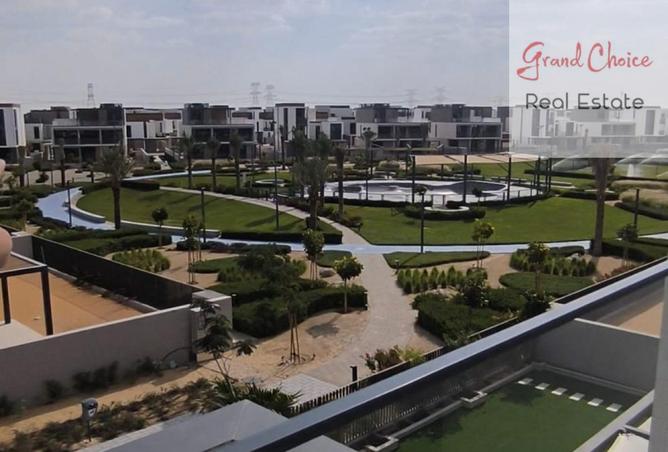
Villa
Listed 1 month ago
550,000 AED/year
Biggest Plot and BUA | Main Park | Corner
Elie Saab 2, Elie Saab, Arabian Ranches 3, Dubai
4
6
5,300 sqft
-
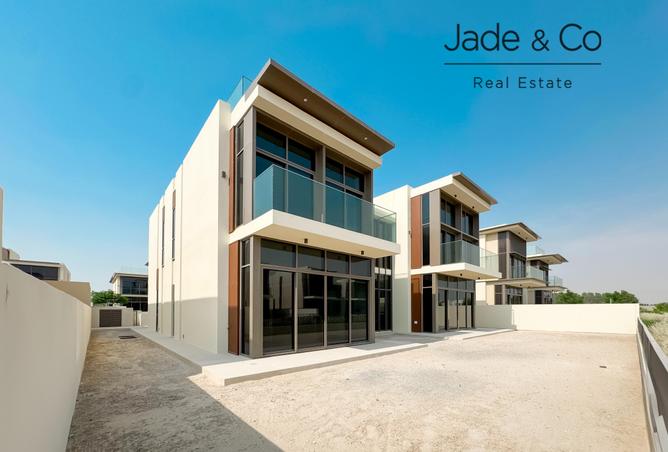
Villa
Listed 1 day ago
1,400,000 AED/year
Exclusive | Key in Hand | Vacant
Golf Place 2, Golf Place, Dubai Hills Estate, Dubai
5
6
7,104 sqft
-

Villa
Listed 2 days ago
350,000 AED/year
4BR Quortaj Villa | Private Pool & Smart Home
Quortaj, North Village, Al Furjan, Dubai
4
6
6,458 sqft
-

Villa
Listed 3 days ago
750,000 AED/year
Stylish Villa | Swimming Pool | Garden Area
Nad Al Sheba 4, Nad Al Sheba, Dubai
4
6
18,644 sqft
-

Villa
Listed 3 days ago
1,300,000 AED/year
Exclusive | Contemporary Villa | Garden Area
Nad Al Sheba 4, Nad Al Sheba, Dubai
7
7+
17,107 sqft
-

Villa
Listed 3 days ago
1,500,000 AED/year
Luxurious Villa | Garden Area | Outside Majlis
Nad Al Sheba 4, Nad Al Sheba, Dubai
7
7+
14,976 sqft
-

Villa
Listed 4 days ago
1,300,000 AED/year
4BR Garden Home | Vacant Now | Partial Renovations
Garden Homes Frond E, Garden Homes, Palm Jumeirah, Dubai
4
4
6,683 sqft
-

Villa
Listed 3 days ago
220,000 AED/year
Modern Luxury Villa| 4 Bedrooms| Maidroom
Wadi Alshabak, Dubai
4
5
12,002 sqft
-
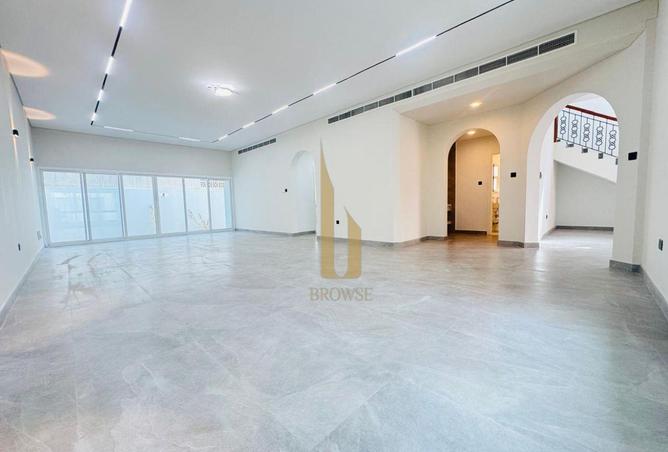
Villa
Listed 2 days ago
450,000 AED/year
RENOVATED FULL VILLA | Private Garden | Maids
Jumeirah 3 Villas, Jumeirah 3, Jumeirah, Dubai
5
5
4,500 sqft
-
Villa
Listed 3 days ago
450,000 AED/year
Spacious 3-Bed Villa | Corner Unit | Ready to Move
Nad Al Sheba Gardens 2, Nad Al Sheba Gardens, Nad Al Sheba, Dubai
3
4
3,091 sqft








Working with a Property Finder SuperAgent can also help both landlords and tenants navigate negotiations with experienced, verified professionals who meet strict performance standards.
Key takeaways
Evictions in Dubai are strictly regulated under Law No. 26 of 2007 as amended by Law No. 33 of 2008. There are only two lawful routes: breach-based eviction with 30 days’ notice or non-breach eviction at lease expiry with 12 months’ notice. Proper service through a notary or registered mail is mandatory. Tenants have strong legal protections and may challenge unlawful eviction before the Rental Dispute Settlement Centre.
FAQs
You generally cannot. Non-breach grounds apply only at contract expiry with 12 months’ prior notice.
No. Notices must be served through a notary or registered mail with proof of delivery.
No. The landlord must first issue a written notice demanding payment and allow 30 days before filing a case.
If the tenant does not vacate after the notice period, the landlord may file a case at the Rental Dispute Settlement Centre for enforcement.
Tenants may challenge the eviction and claim compensation for financial losses if the landlord violated legal procedures.