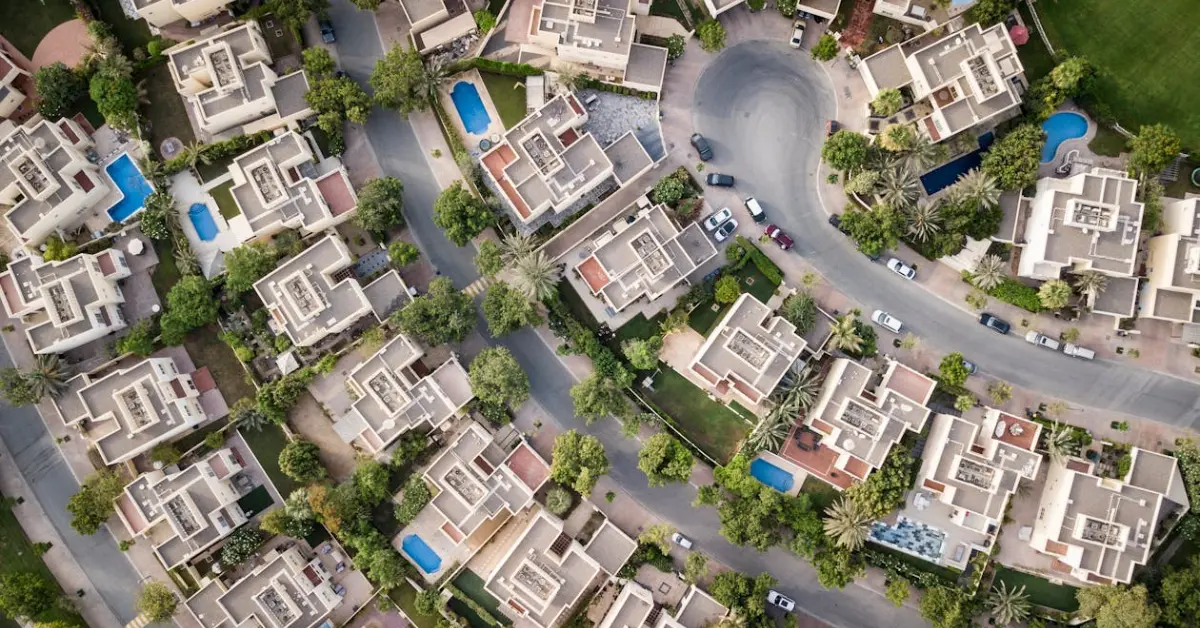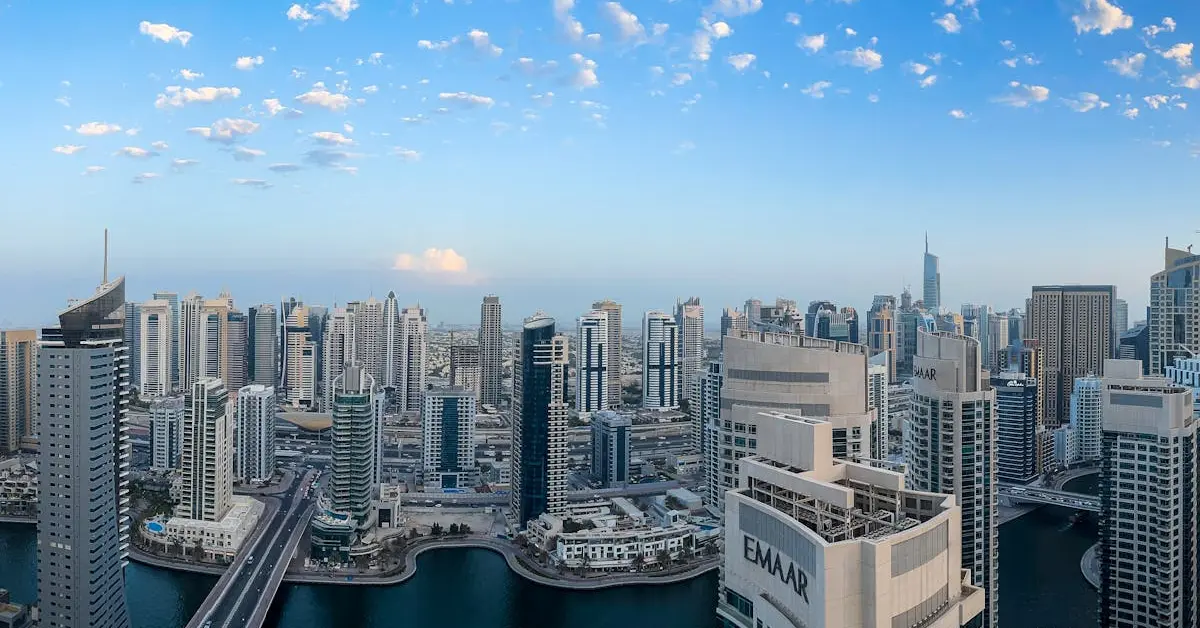



Buying property in Dubai has never been more attractive for British investors. Learn how to buy property in Dubai from the UK, with high rental returns, zero property tax, a strong expat market, and a stable currency pegged to the USD, making Dubai one of the world’s top destinations for real estate investment.
If you’re in the UK and wondering how to buy property in Dubai, the process is more straightforward than you think – thanks to investor-friendly laws, transparent regulations, and digital systems that allow international buyers to complete transactions remotely.
- Understanding Your Eligibility and Dubai’s Property Market
- Step 1: Define Your Investment Objective and Set Your Budget
- Step 2: Arrange Financing or Confirm Cash Availability
- Step 3: Select Your Property Type and Location
- Step 4: Conduct Due Diligence and Verify Developers
- Step 5: Reserve Your Property
- Step 6: Complete Compliance and Execute Remote Purchase
- Step 7: Complete Registration and Obtain Title Deed
- Step 8: Understand Your Residency and Visa Options
- Best Practices and Tips for UK Buyers
- Key Takeaways
- Frequently Asked Questions

Understanding your eligibility and Dubai’s property market
Buying property in Dubai as a UK resident is straightforward, but it helps to understand the basic rules and the types of ownership available.
Eligibility Requirements for UK Buyers
There are no age, residency, or citizenship restrictions for foreigners buying property in Dubai. UK buyers can own full freehold properties in designated zones, or choose from off-plan units, resale homes, and leasehold agreements of up to 99 years. The only key requirement is selecting a property located within an approved freehold area under Dubai’s Real Property Law.
Approved Freehold Zones for Foreign Ownership
Foreign ownership is allowed in several major communities across Dubai. These high-demand, high-liquidity areas include:
- Dubai Marina
- Downtown Dubai
- Business Bay
- Jumeirah Beach Residence (JBR)
- Palm Jumeirah
- Dubai Hills Estate
- Arabian Ranches
- Waterfront masterplans
Freehold vs. Leasehold Properties
Before purchasing, it’s important to know the difference between property types.
Freehold properties provide complete and permanent ownership, making them ideal for long-term investment or residency-related plans. Whereas, leasehold properties offer long-term usage rights – typically up to 99 years – but do not carry the same long-term value or residency advantages as freehold homes.
Step 1: Define Your Investment Objective and Set Your Budget
- Determining Your Investment Strategy
Decide if you want rental income, capital appreciation, or a balanced approach combining both objectives. This choice will influence the property type you buy, the neighbourhood you target, and your expected holding period.
- Setting a Realistic Budget
Make sure your budget covers the purchase price, associated fees and a 3 – 5% contingency for unexpected costs.
Consider the following when setting your budget:
- Property purchase price
- Title deed fees (AED 4,000 for properties up to AED 500,000; AED 8,000 for properties above AED 500,000)
- Brokerage commission (typically 2 – 3% of property value)
- Registration and legal fees
- Annual service charges and maintenance costs
Step 2: Arrange Financing or Confirm Cash Availability
If you need a mortgage, start that process early; if you’re buying with cash, prepare source-of-funds documents.
Mortgage options for non-resident UK buyers
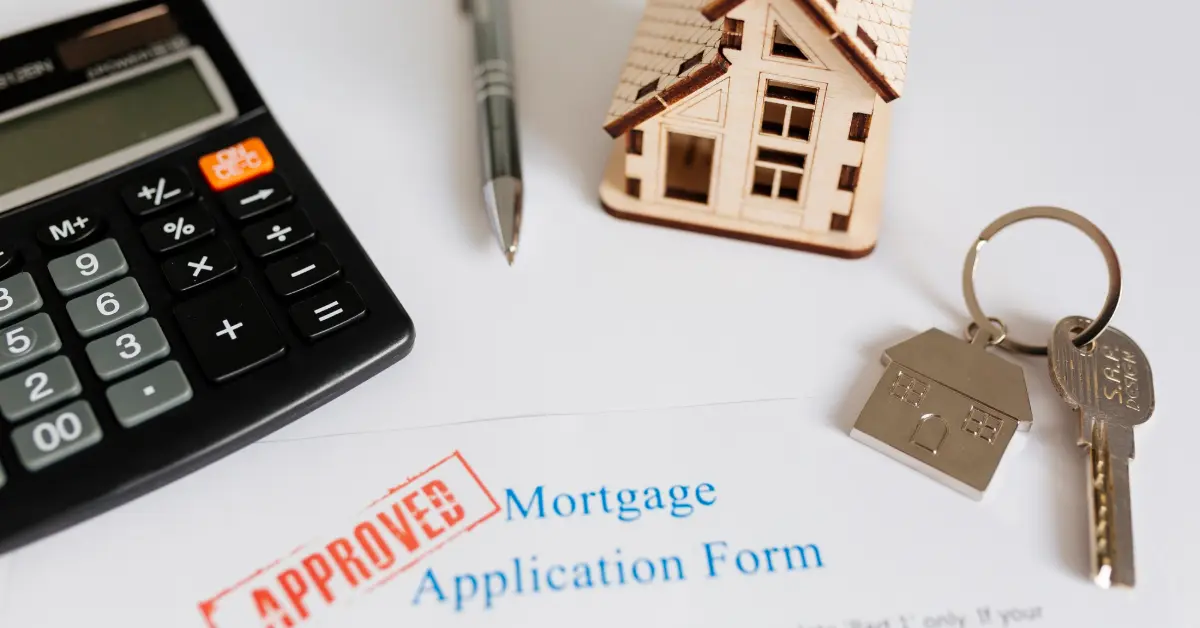
UAE banks typically offer mortgages to non-resident UK buyers up to about 50% LTV, depending on your profile. Rates often track EIBOR plus a margin, and approval usually takes two to three weeks, including property valuation.
Documents commonly required for mortgage applications
- Valid passport
- Proof of UK address
- Income letters or salary certificates
- Recent payslips
- Bank statements showing financial stability
- Tax returns (if self-employed)
- UK credit report
Cash purchases
If you’re buying in cash, you’ll need bank statements, proof of funds and source-of-funds documentation to meet AML requirements.
Step 3: Select your property type and location
Choose between ready properties and off-plan investments based on your strategy and timeline.
Ready properties vs off-plan investments
Each property type offers distinct advantages for different investment strategies.
| Property Type | Key Advantages | Best For |
|---|---|---|
| Ready Properties | Immediate rental income, known condition, move-in ready | Income-focused investors seeking immediate cash flow |
| Off-Plan Properties | Staged payments, pre-handover appreciation, capital gains potential | Capital appreciation seekers, long-term investors |
Location selection criteria
When evaluating neighbourhoods, look at:
- Tenant demand and likely rental yields
- Community amenities and quality of life
- Annual service charges per sqft
- Building maintenance history and reputation
- Pipeline of new supply and future developments
- Recent resale comparables and market liquidity
Explore the Available Properties for Sale in Dubai
-
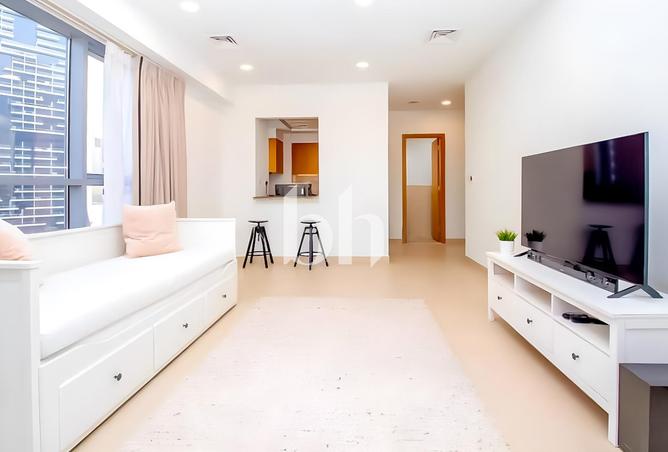

Apartment
Listed 2 days ago
1,950,000 AED
Spacious 1 Bedroom | Burj View | Vacant Soon
Bellevue Tower 2, Bellevue Towers, Downtown Dubai, Dubai
1
2
854 sqft
-
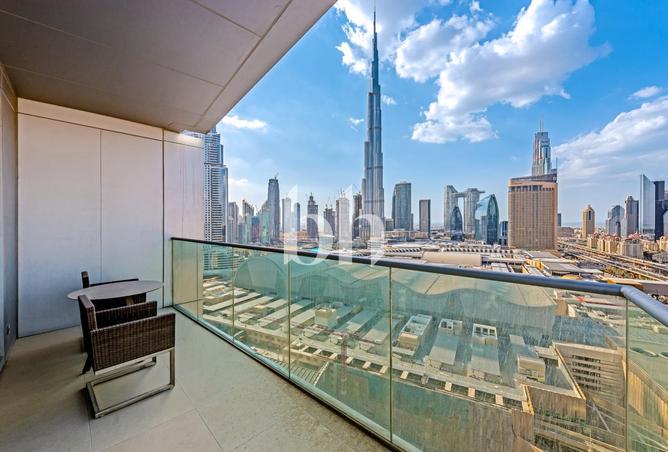
Apartment
Listed 2 weeks ago
5,600,000 AED
Burj Khalifa View | Luxury | Vacant Soon
The Address Residence Fountain Views 2, The Address Residence Fountain Views, Downtown Dubai, Dubai
2
3
1,451 sqft
-

Townhouse
Listed 1 week ago
3,800,000 AED
Single Row | Vastu | Golden Beach Access
Elora, The Valley, Dubai
4
4
2,486 sqft
-
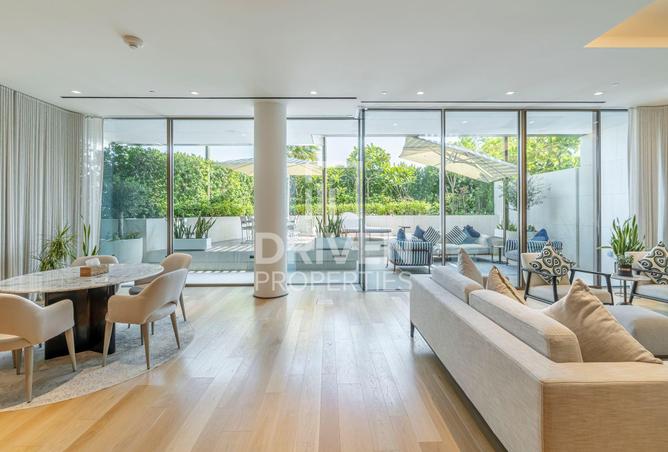
Apartment
Listed 2 weeks ago
39,900,000 AED
Luxurious Duplex Loft with Bulgari Marina View
Bulgari Resort & Residences 6, Bulgari Resort & Residences, Jumeirah Bay Island, Jumeirah, Dubai
2
3
4,576 sqft
-
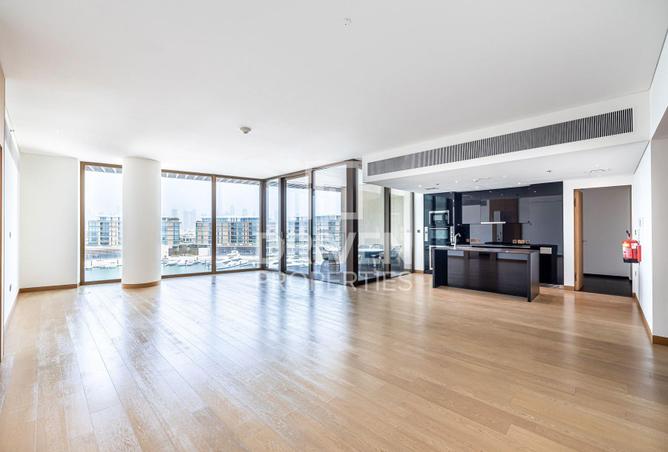
Apartment
Listed 2 weeks ago
40,000,000 AED
Luxurious | High Floor with Full Marina View
Bulgari Resort & Residences 6, Bulgari Resort & Residences, Jumeirah Bay Island, Jumeirah, Dubai
3
4
2,611 sqft
-
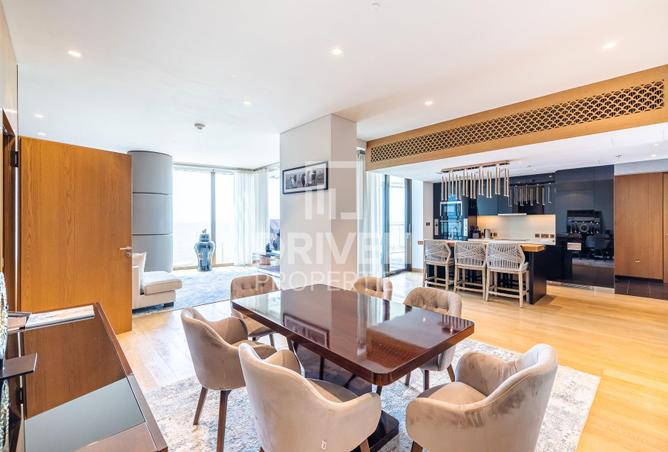
Apartment
Listed 2 weeks ago
32,000,000 AED
Fully Upgraded with Sea and Skyline View
Bulgari Resort & Residences 6, Bulgari Resort & Residences, Jumeirah Bay Island, Jumeirah, Dubai
3
4
2,630 sqft
-
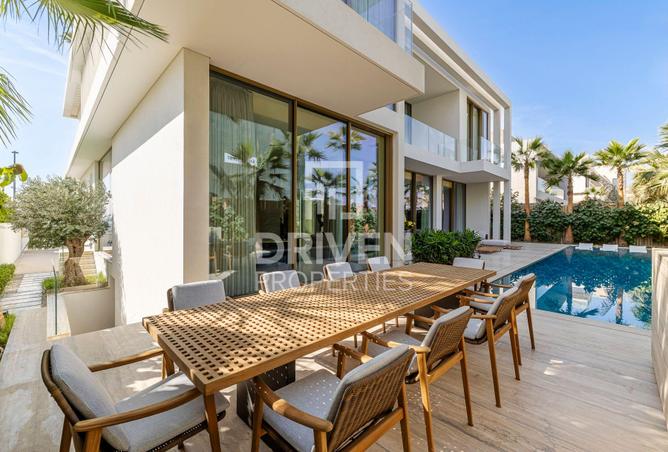
Villa
Listed 2 weeks ago
135,000,000 AED
Designer Coastal Villa | Modern and Brand New
La Mer South Island, La Mer, Jumeirah, Dubai
6
7
24,751 sqft
-
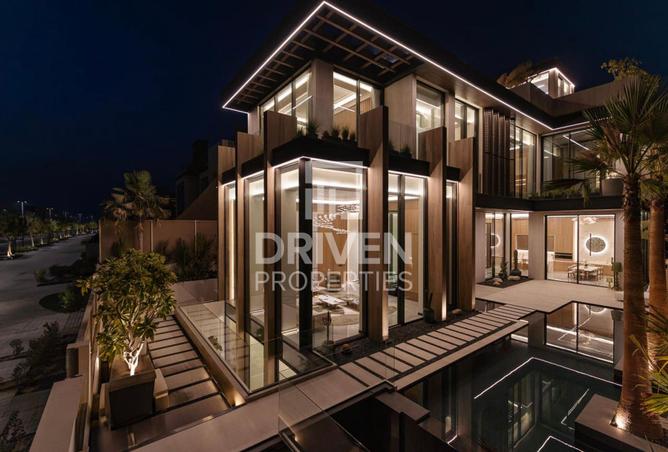
Villa
Listed 2 weeks ago
135,000,000 AED
Brand New | Luxury Villa | Sea View from Rooftop
La Mer South Island, La Mer, Jumeirah, Dubai
5
6
18,295 sqft
-
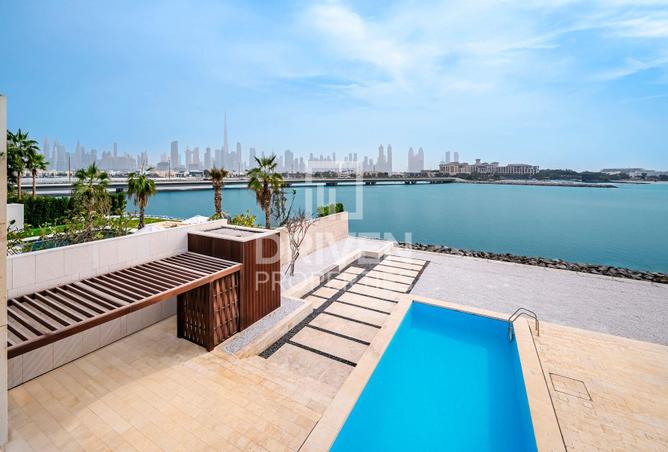
Villa
Listed 2 weeks ago
195,000,000 AED
Bulgari Front Row Mansion | Full Skyline Views
Jumeirah Bay Island Villas, Jumeirah Bay Island, Jumeirah, Dubai
5
7
7,353 sqft
-
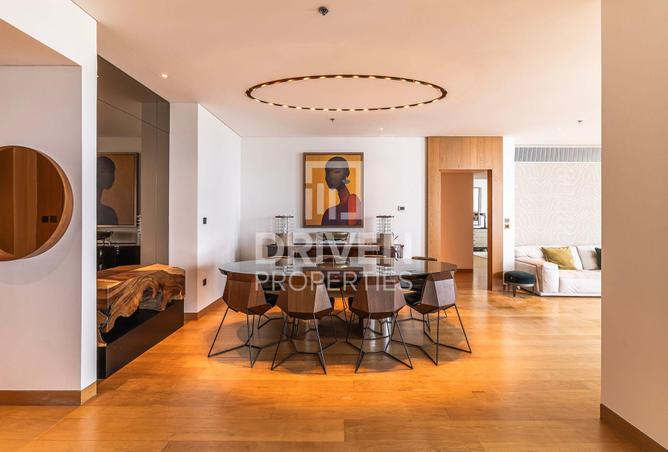
Apartment
Listed 2 weeks ago
38,000,000 AED
High Floor | Luxurious with Full Skyline Views
Bulgari Resort & Residences 2, Bulgari Resort & Residences, Jumeirah Bay Island, Jumeirah, Dubai
3
4
2,631 sqft


Step 4: Conduct Due Diligence and Verify Developers
Do thorough checks on any property or developer before committing funds. Key verification steps include:
- Verify title status via Dubai Land Department records.
- Check for any encumbrances or outstanding liabilities.
- Review service charge history and maintenance records.
- Benchmark current rental rates against similar units.
- Research recent sale prices and market trends
Due diligence for off-plan properties
Off-plan purchases require additional verification steps to protect your investment:
- Confirm project registration with the Dubai Land Department
- Ensure buyer payments go into approved developer escrow accounts
- Review the developer’s track record and past completions
- Assess project specifications and timeline realism
- Evaluate market demand for the project type and location
Step 5: Reserve Your Property
Secure the unit by following the developer’s or seller’s reservation process.
Secondary market (ready property)
- Sign a Memorandum of Understanding (MOU) or Form F – this sets price, timelines and obligations.
- Pay a deposit, typically 10% (held in escrow with an authorised trustee) until completion.
Off-plan property reservation
- Sign a reservation agreement and pay a booking fee to secure the unit.
- Execute the Sales and Purchase Agreement and proceed with Oqood registration at the Dubai Land Department.
- Payments are made according to construction milestones.
Explore the Available Off-Plan Projects for Sale in Dubai
-
Terra Gardens
Dubai, Expo City, Terra Gardens
1, 2 and 3 bedrooms
From: AED 2,270,000 Down payment: 10%
Serro 2 at The Heights
Dubai, The Heights Country Club & Wellness, Serro 2
3 and 4 bedrooms
From: AED 6,200,000
Avarra by Palace
Dubai, Business Bay, Avarra by Palace
1, 2, 3, 4 and 6 bedrooms
From: AED 2,839,888 Down payment: 10%
Creek Haven
Dubai, Dubai Creek Harbour (The Lagoons), Creek Haven
1, 2 and 3 bedrooms
From: AED 1,864,888 Down payment: 10%
Virella 2
Dubai, The Valley
Salva The Heights
Dubai, The Heights Country Club & Wellness, Salva
3, 4 and 5 bedrooms
From: AED 5,500,000 Down payment: 10%
Palmiera Collective
Dubai, The Oasis by Emaar, Palmiera Collective
4, 5 and 6 bedrooms
From: AED 13,600,000
Greencrest
Dubai, Dubai Hills Estate, Greencrest
1, 2 and 3 bedrooms
From: AED 1,584,888
Aurea
Dubai, Mina Rashid, Aurea
1, 2 and 3 bedrooms
From: AED 2,310,000 Down payment: 10%
Vida Residences Hillside
Dubai, Dubai Hills Estate, Vida Residences Hillside
1, 2 and 3 bedrooms
From: AED 1,827,888 Down payment: 10%

Deposit requirements
Minimum deposit requirements vary by property type and developer. Generally:
- Secondary market: typically 10% of purchase price (held in escrow)
- Off-plan: booking fee plus staged payments during construction
- Minimum down payment is generally around 25% of the total property value.
Step 6: Complete Compliance and Execute Remote Purchase
You can complete most transactions from the UK using digital tools and agents.
Remote purchasing options for UK buyers
- Video viewings and virtual consultations.
- Electronic document signing (where accepted).
- Power of Attorney (POA) for physical signatures or final transfer if required.
Power of Attorney process
To appoint a representative in Dubai, you must:
- Draft and sign a POA in the UK
- Have it notarised by an authorised UK notary
- Legalise it at the UAE Embassy in London
- Attest it with the UAE Ministry of Foreign Affairs (if required)
- Provide the processed document to your representative
Know Your Customer (KYC) and compliance
Prepare full KYC documentation, including:
- Source of funds documentation
- Bank statements and financial records
- Identity verification documents
- Proof of UK address
- Employment verification or business ownership documents
Fund transfers and payment processing
Use international SWIFT transfers to the designated escrow or developer account. Work with your bank to ensure all transfers include clear paperwork showing the transaction purpose and fund sources for regulatory compliance.
Step 7: Complete Registration and Obtain Title Deed
Once all payments and documents are in order, register the purchase with the Dubai Land Department to formalise ownership and obtain the Title Deed. DLD processing typically takes several working days after submission.
Title deed fees
- Properties valued up to AED 500,000: AED 4,000
- Properties valued above AED 500,000: AED 8,000
Step 8: Understand Your Residency and Visa Options
Purchasing property can also open visa opportunities depending on the value of your investment.
Property investor visa (2-year residency)
- Qualifying threshold: around AED 750,000 (subject to current rules)
- Enables UAE residency and access to local services
Golden Visa (10-year residency)
- Qualifying threshold: commonly AED 2 million in property value.
- Applies to high-value investors and may include off-plan purchases through approved companies; additional documents may be required if financed with a mortgage.
Visa application process
- Confirm eligibility against current thresholds
- Compile the required documentation with your agent or lawyer
- Submit applications to the UAE immigration authorities and attend any necessary appointments
Best Practices and Tips for UK Buyers
1. Work with Regulated Real Estate Agents
Choose trusted, licensed real estate agents to avoid scams or fake listings. Good agents have updated market knowledge, check the authenticity of properties, and help you complete the purchase safely. They also guide you on neighbourhood trends, rental returns, and investment potential.
2. Hire a Property Lawyer
A qualified property lawyer helps ensure the buying process is smooth and secure. They review contracts, check documents, make sure everything follows UAE law, and represent you during the transaction. This is especially helpful if you are buying from the UK.
3. Conduct Market Research
Take time to understand Dubai’s property market before buying. Consider rental yields, price growth, demand in various areas, and upcoming developments. Knowing market trends helps you choose the right property at the right time.
4. Build a Data Set for Comparison
Collect data on recent sales and rental prices for similar properties in your preferred area. Compare this information with what agents tell you. Using real numbers gives you more confidence in your decisions and helps you judge whether the price is fair.
Key Takeaways
UK buyers can purchase freehold property in designated Dubai zones without any residency or citizenship restrictions, and they can complete the entire process without visiting the UAE. The buying journey typically follows eight simple steps: defining your goals, arranging financing, choosing a property and reserving it, completing remote compliance, registering the purchase with the Dubai Land Department, and then exploring available residency options.
Non-resident UK buyers can access mortgages of up to 50% LTV from UAE banks, with approval usually taking 2–3 weeks. The full transaction can be completed remotely using digital signatures, video viewings, and the power of attorney, removing the need for in-person attendance.
Buyers should factor in additional costs of around 7-10% of the property price, covering fees, taxes, and commissions. Properties worth AED 750,000 or more qualify for a 2-year renewable investor visa, while those priced at AED 2 million or more make buyers eligible for the 10-year Golden Visa.
Dubai also offers major financial advantages, including tax-free rental income and zero capital gains tax – benefits not available in the UK.
FAQs
Can I buy Dubai property without a visa or residency in the UAE?Yes, you can; there are no visa or residency requirements to purchase property in Dubai. UK buyers can complete entire transactions remotely using digital signatures, video viewings, and power of attorney arrangements.
What mortgage terms are available for UK non-residents buying Dubai property?UAE banks offer mortgages to non-resident UK buyers covering up to 50% of the property value, subject to individual financial profiles and bank assessments.
How long does the complete purchase process take from offer to registered ownership?The timeline varies based on whether you’re purchasing a ready property or an off-plan unit. Ready property purchases typically complete within 8-12 weeks, including offer acceptance, due diligence, deposit payment, documentation, and DLD registration. Off-plan purchases extend over the project construction period with staged payments aligned to completion milestones.
What residency benefits do Dubai property owners receive?Dubai property ownership qualifies investors for renewable visas based on investment value. Properties valued at approximately AED 750,000 qualify for a 2-year investor visa. Properties valued at AED 2 million or above qualify for a prestigious 10-year Golden Visa, enabling extended UAE residency and access to local services, banking, healthcare, and education facilities.
Are there tax implications for UK property owners investing in Dubai?Dubai offers exceptional tax advantages compared to UK property investment. No capital gains tax applies to property sales, and rental income generated from Dubai properties is not subject to UAE income tax.
Share

Iman Youssef
Property Finder
Real Estate Professionals