


Taking over a rental property in Dubai Marina, Jumeirah Village Circle, Business Bay, or Bur Dubai should be a straightforward handover, yet one unresolved utility issue can quickly delay the entire process: an outstanding DEWA bill left behind by the departing occupant. In many cases, landlords assume the next tenant will simply activate services, while incoming tenants expect a clean transfer. However, when an Outstanding DEWA Bill from a previous tenant in Dubai appears on the premises file, DEWA activation, Ejari continuity, and even key handover can become complicated.
The good news is that Dubai’s tenancy framework is quite clear once you understand where DEWA liability sits, how Ejari registration interacts with utility accounts, and what documentary evidence both sides need to protect themselves. Whether you are a landlord preparing a unit in Downtown Dubai or a tenant moving into Dubai Silicon Oasis, knowing the right steps can prevent expensive disputes and unnecessary delays.
- Understanding DEWA, Ejari & Clearance Certificates
- Who is Legally Responsible for Outstanding DEWA Bills?
- Key Steps for Landlords to Clear Previous Tenant Liabilities
- Obligations & Precautions for New Tenants Before Moving In
- What Happens If Outstanding Bills Are Discovered After Move-In?
- Best Practices to Prevent Disputes or Liabilities
- What DEWA’s Policies / Rules Say (Recent Updates & Processes)
- Costs & Timeframes to Expect
- Key Takeaways
- Frequently Asked Questions

Understanding DEWA, Ejari & Clearance Certificates
Before determining who must settle an unpaid utility amount, it is important to understand the three systems that govern almost every residential handover in Dubai.
DEWA, or the Dubai Electricity and Water Authority, is the government provider responsible for electricity and water supply across the emirate. Every occupied apartment or villa, from Arabian Ranches villas to International City flats, must have an active DEWA account tied to a customer name.
Alongside this sits Ejari, Dubai’s mandatory tenancy registration system managed by the Dubai Land Department. Ejari legally records who the tenant is, the lease dates, and the exact property details. Without an active Ejari certificate, a new tenant generally cannot complete DEWA activation because the tenancy itself is not officially registered.
The third crucial document is the DEWA clearance certificate. This certificate confirms that the final bill has been generated and all outstanding utility dues attached to that tenancy account have been paid in full. DEWA itself states that clearance is only issued once the final bill amount is settled, making it the most reliable proof that the previous occupier has no pending utility liability.
Outstanding DEWA Bill from Previous Tenant in Dubai cases usually arise when one of these three handover stages is skipped or delayed.
Who is Legally Responsible for Outstanding DEWA Bills?
Dubai’s legal position generally places electricity and water consumption responsibility on the tenant who actually occupied and used the premises, unless the tenancy contract expressly states otherwise.
The Rental Disputes Center confirmed in a published ruling that tenants are obliged to settle electricity and water charges incurred during their occupancy and must provide the landlord with a DEWA clearance certificate upon vacating the property if the lease does not assign responsibility differently.
That means if a tenant lived in a Jumeirah Lake Towers apartment for twelve months and failed to close the account correctly, the unpaid usage remains their liability in principle.
However, there is also a practical landlord duty that cannot be ignored. Since the property owner controls the handover, key release, Ejari cancellation coordination, and security deposit return, landlords are expected to verify that the previous tenant has actually completed DEWA closure before allowing a new occupant to take possession. If this verification is missed, the landlord often becomes the first party the incoming tenant pursues.
Where the tenancy contract is silent, the burden shifts to documentary evidence: occupancy dates, meter readings, final bills, and DEWA records. This is why many rental disputes in Al Barsha and Mirdif stem less from who used the electricity and more from who failed to document the handover properly.
Key Steps for Landlords to Clear Previous Tenant Liabilities
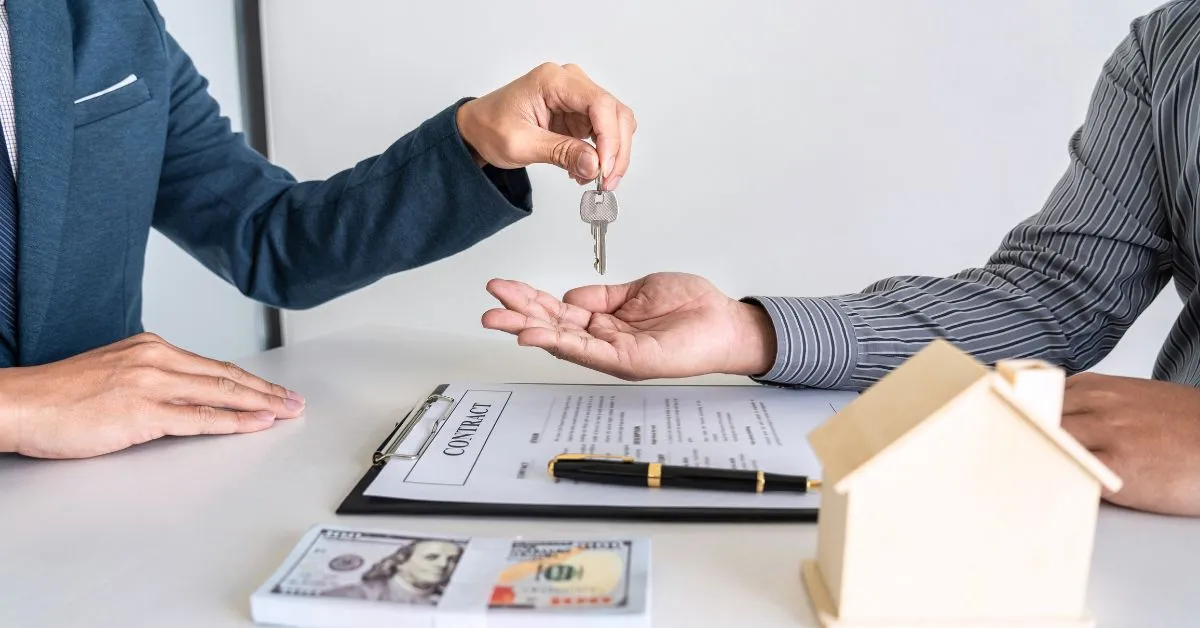
Landlords should treat utility closure as part of the legal exit checklist, not as an afterthought after the tenant has already left.
The first step is obtaining the DEWA final bill and clearance certificate from the departing tenant. Since DEWA issues the certificate only after all dues are paid, this document is stronger than a verbal assurance or screenshot of a last monthly bill.
After that, the landlord should ensure Ejari termination and lease end documentation match the actual move-out date. If the tenant claims to have vacated on 30 June but Ejari remains active until mid-July, a billing overlap can create unnecessary confusion for the next registration.
Meter readings are equally important. Smart landlords in Dubai Hills Estate and The Springs now routinely photograph electricity and water meter numbers on the day of exit and store timestamped images with the handover report.
Most importantly, landlords should not hand over keys, access cards, or move-in possession to the next tenant until the DEWA account is confirmed. Recent community discussions in Dubai property forums repeatedly show that rushed handovers without DEWA proof often leave owners trying to untangle billing disputes after the new resident is already inside the unit.
If the previous tenant has vanished or delayed payment, the landlord may need to temporarily use the security deposit to settle the liability so the property can be transferred cleanly.
Explore the Available Properties for Sale in Dubai Hills Estate
-


Villa
Listed 1 week ago
5,600,000 AED
Greenbelt Backing | New To Market | Best Priced
Maple at Dubai Hills Estate 1, Maple at Dubai Hills Estate, Dubai Hills Estate, Dubai
4
4
3,119 sqft
-


Apartment
Listed 3 days ago
6,000,000 AED
Rare Duplex | Corner Unit | Full Park View
Elvira 2, Elvira at Dubai Hills Estate, Dubai Hills Estate, Dubai
3
4
2,509 sqft
-


Villa
Listed 4 days ago
249,000,000 AED
Vacant Golf Course Mansion | Iconic Interiors
Dubai Hills View, Dubai Hills Estate, Dubai
7+
7+
37,697 sqft
-


Villa
Listed 5 days ago
24,000,000 AED
Community Expert | Handed Over | Vastu
Golf Place 2, Golf Place, Dubai Hills Estate, Dubai
5
6
8,591 sqft
-
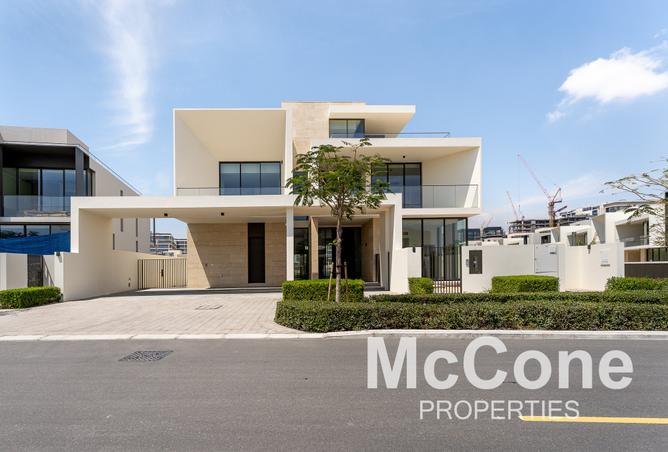

Villa
Listed 2 days ago
26,000,000 AED
Brand New | Full Lagoon View | Corner Plot
Address Hillcrest, Dubai Hills Estate, Dubai
5
6
7,128 sqft
-
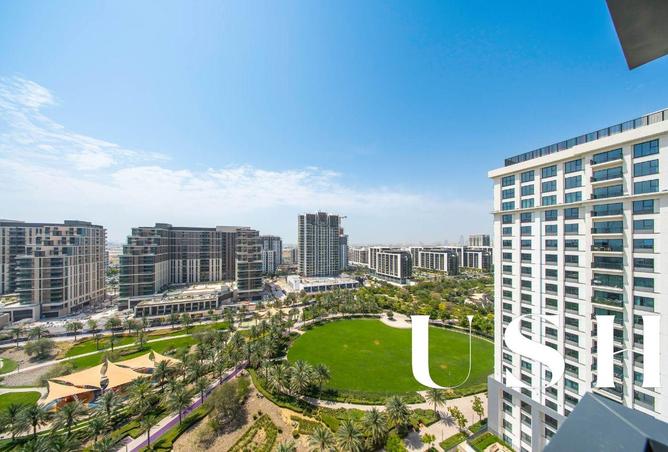

Apartment
Listed 5 days ago
3,700,000 AED
Serene Views | Multiple Options | Exclusive
Lime Gardens, Dubai Hills Estate, Dubai
3
4
1,400 sqft
-
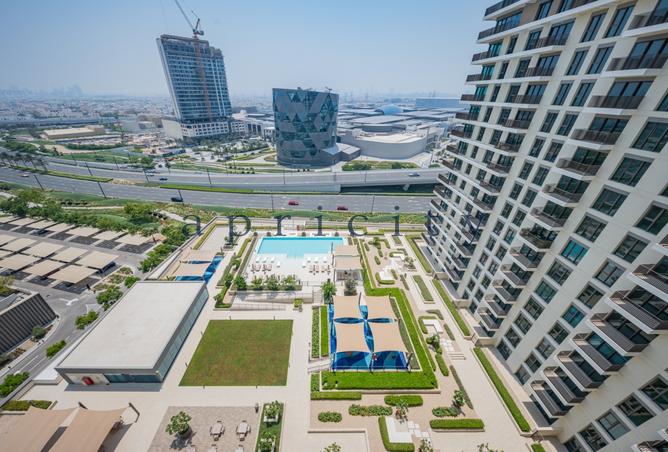

Apartment
Listed 1 week ago
1,750,000 AED
Handed Over | Vacant Now | Mall View
Hills Park, Dubai Hills Estate, Dubai
1
1
672 sqft
-
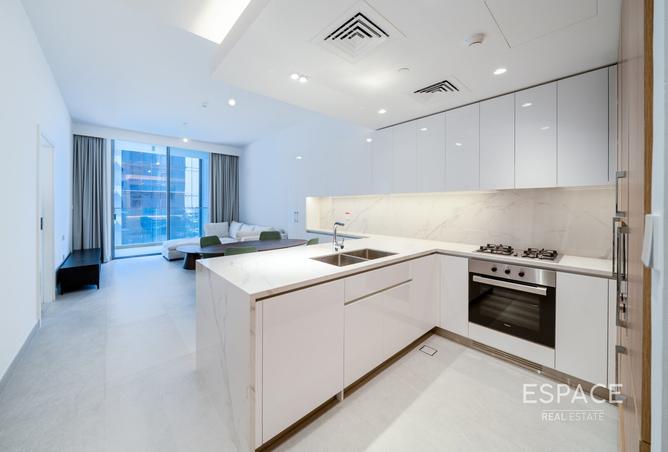

Apartment
Listed 3 days ago
2,350,000 AED
Mid Floor | Brand New | Outstanding Quality
Ellington House 2, Ellington House, Dubai Hills Estate, Dubai
1
2
843 sqft
-


Villa
Listed 4 weeks ago
17,999,999 AED
Extended Villa With Pool Overlooking Green Belt
Golf Place 1, Golf Place, Dubai Hills Estate, Dubai
4
5
7,438 sqft
-
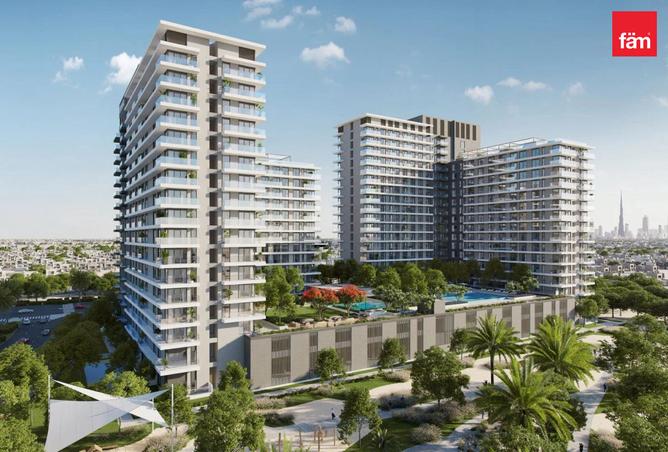

Apartment
Listed 2 weeks ago
1,478,880 AED
Specious Layout | 1 Bedroom | Community Expert
Club Place Building B, Club Place, Dubai Hills Estate, Dubai
1
1
746 sqft
Obligations & Precautions for New Tenants Before Moving In
Incoming tenants often assume that once they sign the lease and pay the deposit, all previous obligations on the property have disappeared. That assumption can be costly.
Before moving into any apartment in Dubai Sports City, Discovery Gardens, or Dubai Creek Harbour, request the DEWA clearance certificate from the landlord or managing agent. This confirms there is no unpaid balance linked to the previous occupancy.
You should also verify that the Ejari contract has been activated correctly and that the title deed details, unit number, and tenancy dates all match your lease. If Ejari registration is delayed, DEWA activation can also be delayed, leaving the tenant legally contracted but practically without utilities.
A move-in meter reading is another essential protection. Take date-stamped photographs of every utility meter on the first day you receive keys. This gives you baseline proof if a later billing discrepancy appears.
Equally important, ensure your lease contains a sentence making the previous tenant solely liable for all utility dues incurred before your tenancy commencement date. Outstanding DEWA Bill from Previous Tenant in Dubai disputes become far easier to resolve when this liability line is written directly into the contract.
When searching for rental homes, many tenants compare agent-listed units across Dubai Marina, Town Square, and Motor City. That regulated agent involvement can also help ensure utility handover paperwork is requested before occupancy.
What Happens If Outstanding Bills Are Discovered After Move-In?
Sometimes the issue only becomes visible after the tenant tries to activate a DEWA account and receives notice of prior unpaid charges on the premises.
At that stage, the new tenant should immediately gather the Ejari certificate, signed tenancy contract, move-in inspection report, dated meter photos, and any written request previously made for a DEWA clearance certificate. These documents establish the exact start of liability.
DEWA can review the billing period attached to the disputed amount. If records show that the unpaid consumption predates the new tenancy, the tenant can request correction, account segregation, or written confirmation that the debt belongs to the prior customer file rather than the current occupier.
If the landlord insists the new tenant should absorb the charge, the lease wording becomes decisive. Where no clear clause exists, the matter can be escalated to the Rental Disputes Center, which will assess occupancy evidence and contract obligations.
This is why so many residents in recent Bur Dubai and Hor Al Anz rental discussions stress one recurring lesson: never rely on verbal assurances that “the previous tenant settled everything” without documentary proof.
Best Practices to Prevent Disputes or Liabilities
The most effective way to avoid a utility dispute is to treat DEWA closure as a documented chain rather than a single payment receipt.
For landlords, that means collecting the clearance certificate, inserting detailed utility liability clauses in the lease, preserving move-out meter records, and coordinating Ejari cancellation before advertising the property for immediate occupation.
For tenants, it means obtaining all receipts, photographing initial meter readings, reviewing every handover document carefully, and refusing to activate or assume a DEWA account until the tenancy registration is legally valid.
Contract clauses should expressly define who pays past charges versus future charges. Meter readings should be attached as annexures wherever possible. Ejari and DEWA transfer timing should be coordinated so there is no overlap and no undocumented gap between occupancies.
In practical terms, a well-managed handover in Palm Jumeirah should leave a paper trail from old tenant move-out to new tenant move-in with zero undocumented utility days.
What DEWA’s Policies / Rules Say (Recent Updates & Processes)
DEWA’s current process makes one thing very clear: a clearance certificate is not issued until the final bill and any outstanding dues are fully settled. Once payment is complete, the certificate is sent digitally to the registered customer, creating an official closure record.
This matters because many landlords still accept only a final bill screenshot, which is not the same as certified account clearance.
Security deposits also play a practical role here. Across Dubai’s rental market, landlords commonly withhold all or part of the tenant’s deposit until utility liabilities, maintenance deductions, and move-out obligations are settled.
In addition, incomplete DEWA closure can indirectly delay subsequent tenancy administration. Since Ejari activation, title file updates, and new DEWA requests all rely on a clean administrative handover, unresolved dues can slow the transition more than many parties expect.
Costs & Timeframes to Expect
Landlords and tenants dealing with an Outstanding DEWA Bill from Previous Tenant in Dubai should also plan for the administrative timelines involved.
A DEWA final bill and clearance certificate is typically generated within roughly one to five business days after the move-out request and settlement of all dues, depending on processing speed and account status.
The DEWA security deposit historically tied to utility activation often sits around AED 2,000 for apartments and AED 4,000 for villas, which is separate from any unpaid consumption but can affect refund timing once closure is completed.
Ejari registration is usually processed within the same day to two business days once all documents are correctly submitted, while Rental Disputes Center cases can take several weeks or longer depending on whether mediation resolves the matter early.
Financially, the largest variable is rarely the DEWA admin fee itself, it’s the unpaid consumption amount, delayed move-in costs, temporary hotel stays, or legal filing expenses that arise when the issue is discovered too late.
Key Takeaways
An Outstanding DEWA Bill from a previous tenant in Dubai is generally the legal responsibility of the person who consumed the utilities, but that does not remove the landlord’s duty to verify full DEWA clearance before a new tenancy begins. Ejari registration and DEWA closure must work together as part of one coordinated handover, not as separate tasks completed casually after keys are exchanged. New tenants should insist on written proof, move-in meter evidence, and lease clauses protecting them from prior utility debt, while landlords should retain final bills, meter photos, and security deposit authority to ensure the previous occupier does not leave unresolved liabilities behind. In nearly every dispute, the side with the better paperwork wins faster.
Frequently Asked Questions
No. If your Ejari contract clearly shows the tenancy commencement date and you hold move-in meter readings, you should not be liable for electricity or water consumed before that date. Any discrepancy should be formally disputed with DEWA using your occupancy documents.
You should avoid completing move-in handover or releasing the full security deposit until the certificate is produced. If the issue remains unresolved, the matter can be escalated through the Rental Disputes Center because utility clearance is recognised as part of proper property vacation procedure.
Yes. In many Dubai leases, landlords deduct unpaid utility charges from the outgoing tenant’s security deposit before releasing the balance, provided deductions are documented and contractually supported.
Yes. Ejari is the official tenancy proof used for DEWA activation, and mismatched or inactive tenancy registration can delay account opening for the new tenant.
The contract should clearly state that the tenant pays utilities during their occupancy, require the outgoing tenant to provide a DEWA clearance certificate at move-out, define move-in and move-out meter reading procedures, and link security deposit release to settlement of all utility obligations.