



Moving from the UK to Dubai is a big change, but one that continues to attract professionals, families, and retirees. The promise of tax-free income, modern infrastructure, and a high standard of living is appealing, especially for those seeking a different pace of life. At the same time, relocating to Dubai involves careful planning, from securing the right visa to understanding healthcare, schooling, housing, and cultural expectations.
This guide breaks down the practical realities of moving to Dubai from the UK, helping you build a realistic picture of what life is like before making the move.
- Visas & residency options
- Cost of living compared to the UK
- Opening a Bank Account in the UAE
- Education & healthcare
- Lifestyle, safety & culture
- Working & doing business
- Typical Working Hours and Work Culture
- Settling In: The First 90 Days in Dubai
- Practical moving tips
- Pros & cons at a glance
- Checklist for Moving to Dubai from the UK
- Key takeaways
- FAQs
Visas & Residency Options
UK passport holders can enter the UAE visa-free for up to 30 days, with the option to extend for another 30 days. While this is useful for short visits, it does not allow residents to work, open bank accounts, or access long-term services. Anyone planning to live in Dubai will need a residence visa.
While short-term entry is straightforward, long-term residency in Dubai is always linked to a clear purpose, with options including employment, investor or business, freelance and remote worker, and family sponsorship visas.
What the Application Usually Involves
Although requirements vary by visa type, most applications follow a similar process.
This typically includes:
- Passport and supporting documents
- Medical fitness test
- Biometric data
- Issuance of an Emirates ID is required for banking, utilities, and daily services
Processing usually takes five to ten working days.
Residence Visas: What Most People Use
While short-term entry is straightforward, long-term residency in Dubai is always linked to a clear purpose. Most residents fall into one of four main visa categories, each suited to different lifestyles and career plans:
- Employment visas, sponsored by an employer and tied to your job contract.
- Investor or business visas, granted through company ownership or qualifying property investment.
- Freelance and remote worker visas are designed for self-employed professionals or overseas employees.
- Family sponsorship visas, allowing residents to sponsor spouses and children once income and housing criteria are met.
Choosing the Right Visa
Employment visas offer simplicity and stability, but residency depends on continued employment. Business and investor visas offer greater independence, though they entail setup and compliance responsibilities. For families, dependants’ visas are linked to the primary sponsor, meaning changes in employment or business status can affect the whole household.
Cost of Living Compared to the UK
Dubai’s reputation for luxury can be misleading. Living costs vary widely depending on location, lifestyle, and whether you’re moving alone or with family. Compared with major UK cities, some expenses are lower, while others are noticeably higher.
Housing & Rent
Rental prices in Dubai can be competitive with those in London, particularly outside prime neighbourhoods.
The figures below offer a broad comparison between typical rental costs in Dubai and London.
| Area | Dubai Rent | London Rent |
|---|---|---|
| 1-bedroom, city centre | AED 8,757/month (~£1,838) | ~£2,153 |
| 2-bedroom, prime areas | AED 138,000–248,000/year | Higher in similar London zones |
One key difference is payment structure. Many landlords require one to four post-dated cheques covering the full year, which can increase upfront costs.
Day-to-Day Costs
Everyday expenses such as transport, groceries, and dining out are often cheaper in Dubai, although air-conditioning costs are higher due to the climate.
| Category | Dubai | UK |
|---|---|---|
| Monthly transport pass | ~AED 300 (£64) | £200+ |
| Utilities (85 m² apartment) | ~AED 722 (£153) | £280–£300 |
| Groceries (single person) | £300–£400 | £400–£450 |
| Mid-range meal for two | £60–£70 | £80+ |
Taxes, Income & Savings
Dubai has no personal income tax or capital gains tax, which can significantly boost take-home pay. However, families should factor in private schooling, healthcare, and housing costs, which can offset these savings.
Explore the Available Properties for Rent in Dubai
-
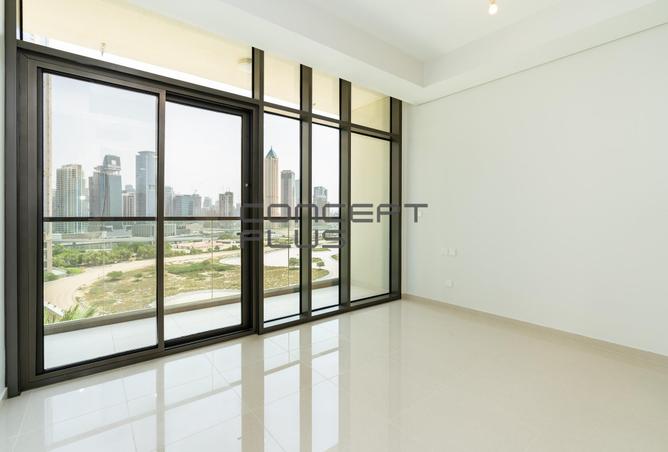

Apartment
Listed 2 weeks ago
67,000 AED/year
Modern Living | Equipped Kitchen | Spacious
Aykon City Tower C, Aykon City, Business Bay, Dubai
studio
1
426 sqft
-

Apartment
Listed 7 days ago
280,000 AED/year
Lifestyle Amenities| Ideal Location |2-months free
City Tower 1, City Towers, Sheikh Zayed Road, Dubai
3
5
2,271 sqft
-
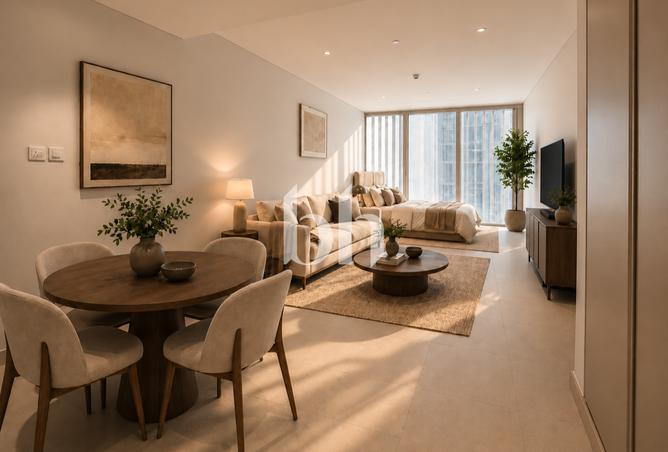
Apartment
Listed 7 days ago
85,000 AED/year
2-months free | Brand new | Metro nearby
City Tower 1, City Towers, Sheikh Zayed Road, Dubai
studio
1
538 sqft
-

Apartment
Listed 7 days ago
200,000 AED/year
Elegant home | Skyline views | 2-months free
City Tower 1, City Towers, Sheikh Zayed Road, Dubai
2
4
1,701 sqft
-

Apartment
Listed 7 days ago
160,000 AED/year
2-Months free | Metro access | Ready to move in
City Tower 1, City Towers, Sheikh Zayed Road, Dubai
1
2
861 sqft
-

Villa
Listed 14 hours ago
500,000 AED/year
Swimming Pool | Garden Area | Covered Parking
Nad Al Sheba 4, Nad Al Sheba, Dubai
4
6
14,722 sqft
-
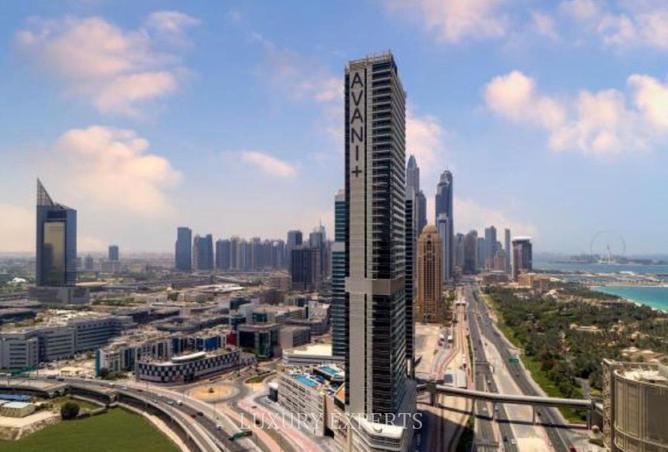
Apartment
Listed 2 days ago
200,000 AED/year
2BR Furnished | Sea and Palm Views
Palm View, Dubai Media City, Dubai
2
3
1,579 sqft
-

Villa
Listed 1 week ago
1,500,000 AED/year
Main Lake | Renovated Villa | Unfurnished
Entertainment Foyer, Mediterranean Clusters, Jumeirah Islands, Dubai
4
5
11,040 sqft
-
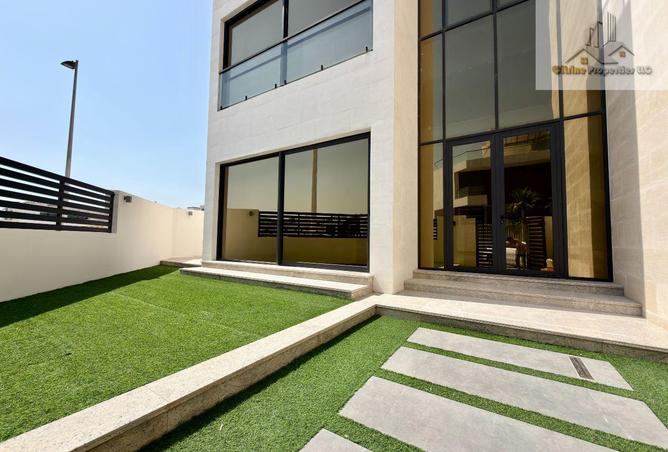
Villa
Listed 6 days ago
450,000 AED/year
Luxurious | Brand New Villa | Swimming Pool
Nad Al Sheba Gardens 1, Nad Al Sheba Gardens, Nad Al Sheba 1, Nad Al Sheba, Dubai
6
7+
5,003 sqft
-
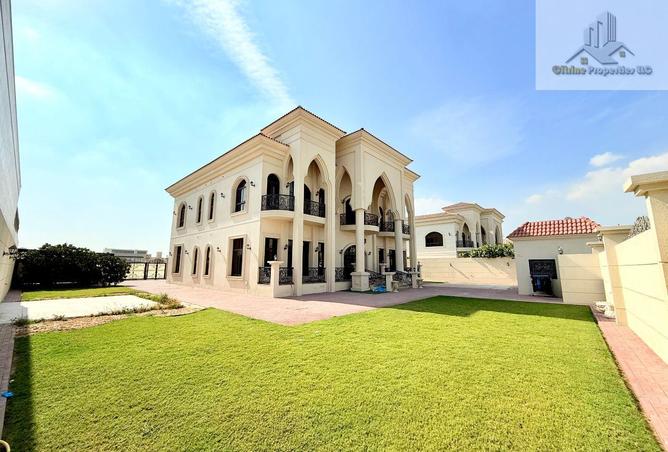
Villa
Listed 6 days ago
800,000 AED/year
Exclusive Villa | Huge Garden | Covered Parking
Nad Al Sheba 4, Nad Al Sheba, Dubai
5
7
17,222 sqft






Opening a Bank Account in the UAE
Opening a bank account is one of the first practical steps after moving to Dubai, especially if you plan to receive a salary, rent a property, set up utilities, or manage regular expenses in AED. Most full-service bank accounts are easier to open once you have a UAE residence visa and Emirates ID, although some banks may offer limited non-resident account options.
The exact requirements vary by bank, but residents are usually asked for a valid passport, UAE residence visa, Emirates ID, proof of address, and proof of income such as a salary certificate, employment contract, payslip, or salary transfer letter. Some banks may also request recent bank statements or additional verification depending on your employment status and account type.
For UK expats, it’s worth comparing account fees, minimum balance requirements, digital banking features, international transfer charges, and whether the bank supports salary transfers from your employer. Dubai has a wide choice of local and international banks, so the best option depends on whether you need a simple current account, savings account, mortgage support, or business banking.
What Does It Cost to Move to Dubai from the UK?
The total cost of moving to Dubai from the UK depends on:
- Flights
- Shipping and relocation costs
- Temporary accommodation
- Rental deposits
- Visa and documentation costs
- School deposits
- Utility setup costs
Many newcomers underestimate setup costs during the first few months.
Education & Healthcare System

Education and healthcare are key considerations for anyone relocating, particularly families. In Dubai, both systems operate very differently from those in the UK, with private providers playing a central role.
Schools
Education in Dubai is almost entirely private. Many schools follow the British national curriculum, alongside IB and other international systems. Fees vary widely, with premium schools charging AED 45,000 to AED 200,000+ per year, depending on age and reputation.
To meet demand, Dubai has announced plans to open 60 affordable private schools by 2033, although these options will take time to become widely available.
Healthcare
There is no NHS-style public healthcare system. Private health insurance is mandatory, usually provided by employers or purchased independently. Basic individual plans can start from AED 700–2,000, with higher costs for families and more comprehensive coverage.
Lifestyle, Safety & Culture
Life in Dubai differs from the UK not just in pace, but in customs, climate, and everyday routines. Understanding these differences can help new residents settle in more comfortably.
Weather & Environment
Dubai has a hot desert climate, with extreme summer temperatures and mild, pleasant winters. Air-conditioning is essential year-round. Indoor air quality is generally good, although dust storms can occasionally affect outdoor conditions.
Safety & Legal Differences
Dubai is considered one of the safest cities in the world, with very low crime rates. However, laws are stricter than in the UK. Alcohol consumption, public behaviour, and personal relationships are regulated, and residents are expected to respect local customs and religious practices.
Retiring in UAE
Dubai is also an option for UK residents considering retirement abroad, particularly those looking for warm weather, private healthcare, strong infrastructure, and a large English-speaking expat community. However, retiring in Dubai requires careful financial planning because residents need private health insurance, housing is mostly private, and there is no NHS-style healthcare system.
The UAE offers a residence visa for retirees who meet specific age and financial requirements. The official UAE government guidance states that applicants must generally be retired, meet the age or work-history conditions, and satisfy one of the approved financial routes, such as property ownership, savings, or qualifying annual income. One listed income route is an annual income of at least AED 180,000 or its equivalent in foreign currency.
For UK retirees, it is also important to consider pensions, tax residency, exchange rates, and access to savings. GOV.UK advises people moving or retiring abroad to notify the relevant UK offices dealing with tax, benefits, and pensions. It also recommends contacting the International Pension Centre for questions about State Pension arrangements overseas.
Working & Doing Business

Many British expats move to Dubai with a job already secured, with employers typically handling visas and health insurance. Freelancers and remote workers can apply for specific permits, while entrepreneurs often set up in free zones, which allow 100% foreign ownership and simpler business registration.
The UAE dirham is pegged to the US dollar, meaning GBP exchange rate movements can affect living costs and property affordability. Recent currency trends have made Dubai property more attractive for UK buyers.
Typical Working Hours and Work Culture
Dubai’s work culture differs from the UK in pace and structure. Working patterns vary by employer and sector. Since the UAE moved to a Monday–Friday working week model, many private and government organisations now follow updated schedules, although working hours differ across industries.
Many companies offer flexible hours or hybrid working, particularly in multinational firms and free zones.
While workplaces tend to be more hierarchical than in the UK, they are also highly international, with teams often comprising multiple nationalities. Punctuality, professionalism, and respect for local customs are valued, especially during Ramadan and public holidays.
Settling In: The First 90 Days in Dubai
The first few months after moving to Dubai are often the most demanding. This period is usually spent securing long-term housing, finalising school placements, opening bank accounts, and setting up utilities. Daily routines, from commuting to shopping and social life, also begin to take shape.
Allowing extra time and budget during the first 90 days can ease pressure and make the transition from the UK smoother.
Logistics of Moving & Practical Tips
Beyond visas and cost comparisons, the practical side of relocating often determines how smooth the experience feels. Key considerations include:
- Deciding what to ship versus buy locally
- Understanding customs rules and import restrictions
- Opening a UAE bank account
- Finding a rental home and setting up utilities and internet
- Planning school enrolments, family visas, and pet relocation
- Preparing these details in advance can significantly reduce stress once you arrive.
Pros & Cons – Quick Comparison
Moving from the UK to Dubai involves balancing financial, lifestyle, and cultural factors. The table below highlights the most common advantages and challenges UK residents experience after relocating.
| Pros of Living in Dubai | Cons of Living in Dubai |
|---|---|
| No personal income tax, allowing higher take-home pay | High costs for housing, private schooling, and healthcare |
| Very low crime rates and a strong sense of personal safety | Extreme summer heat, especially from June to August |
| Modern infrastructure, transport, and digital services | Cultural and legal restrictions compared to the UK |
| Large British and international expat community | The rental system often requires upfront payments via cheques |
| Wide range of lifestyle, dining, and leisure options | Residency status is tied to visas and sponsorship |
How these factors are felt varies by lifestyle and household size. Single professionals often benefit most from tax savings and convenience, while families tend to feel higher costs more acutely. Setting realistic expectations before moving helps ensure the trade-offs feel manageable rather than limiting.
Checklist for Moving to Dubai from the UK
Relocating is easier when the move is broken into stages. The checklist below covers the main tasks UK residents should complete before leaving, during arrival, and after settling in Dubai.
Before leaving the UK:
- Check your passport validity and visa route
- Secure a job offer, business setup, freelance permit, or other residency path
- Gather key documents such as birth certificates, marriage certificates, education records, and medical records
- Arrange international health insurance or confirm employer-provided cover
- Notify HMRC if you are leaving the UK for tax purposes
- Inform your local council, pension providers, student loan provider, and relevant benefits offices if applicable
- Review your UK bank account terms for overseas residents
- Get quotes from relocation and shipping companies
- Decide what to ship, store, sell, or buy again in Dubai
- Research school places early if moving with children
Key Takeaways
Moving to Dubai from the UK offers clear financial advantages, particularly through tax-free income and lower everyday costs such as transport and dining. However, housing, schooling, and healthcare can be expensive, especially for families. Visas are accessible but formal; cultural norms differ from those in the UK, and the climate plays a major role in daily life. With careful planning and realistic expectations, Dubai can be a rewarding and secure place to live.
FAQs
Dubai doesn’t offer citizenship through naturalisation, but long-term residency options, such as the Golden and retirement visas, are available.
No. English is widely spoken, though learning some Arabic can help with integration.
Private schools can charge between AED 45,000 and over AED 200,000 per year.
Private health insurance is mandatory, usually through employers or purchased independently.
Yes, but families should budget carefully and choose locations close to schools and workplaces.