



Palm Jumeirah is Dubai’s established palm-shaped island, offering a mature luxury lifestyle, a strong hospitality presence, and a wide range of finished residential options. When looking at Palm Jebel Ali vs Palm Jumeirah, Palm Jebel Ali represents a newer, larger palm-shaped development, designed with space, future community planning, and long-term growth potential in mind.
- Palm Jebel Ali vs Palm Jumeirah Overview
- How do size and masterplan scale compare?
- What lifestyle and amenities can you expect on each island?
- How do location and connectivity differ?
- What property types are available now, and what is still upcoming?
- Which island suits investors looking for stability or growth potential?
- What should families, end users, and second-home buyers prioritise?
- Key takeaways
- FAQs
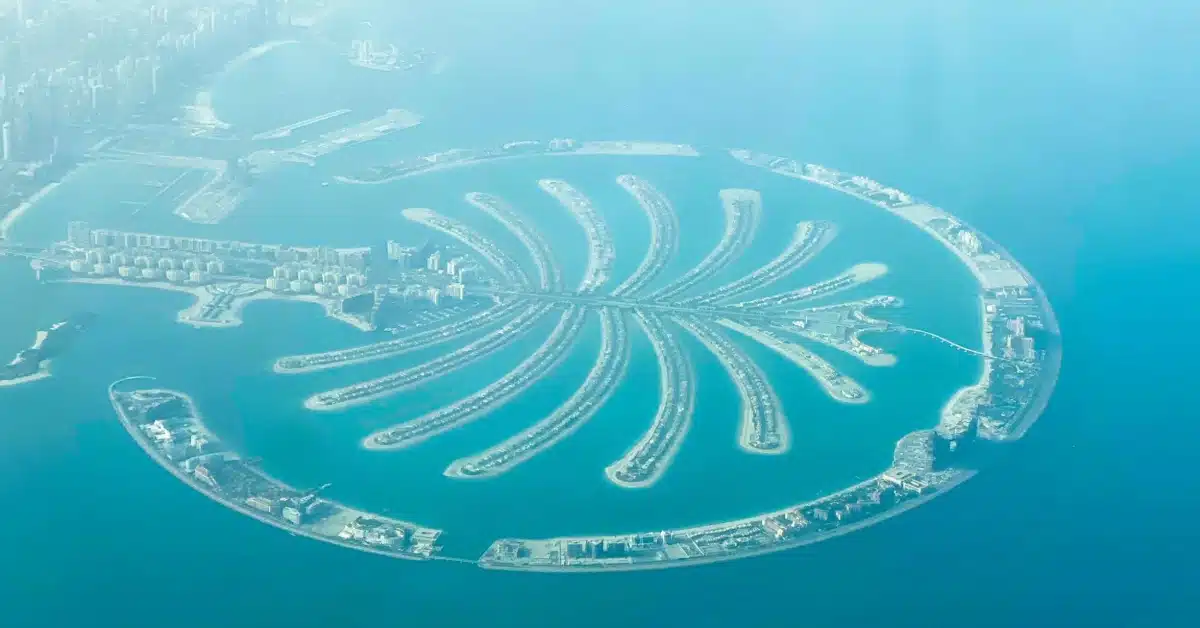
Palm Jebel Ali vs Palm Jumeirah Overview
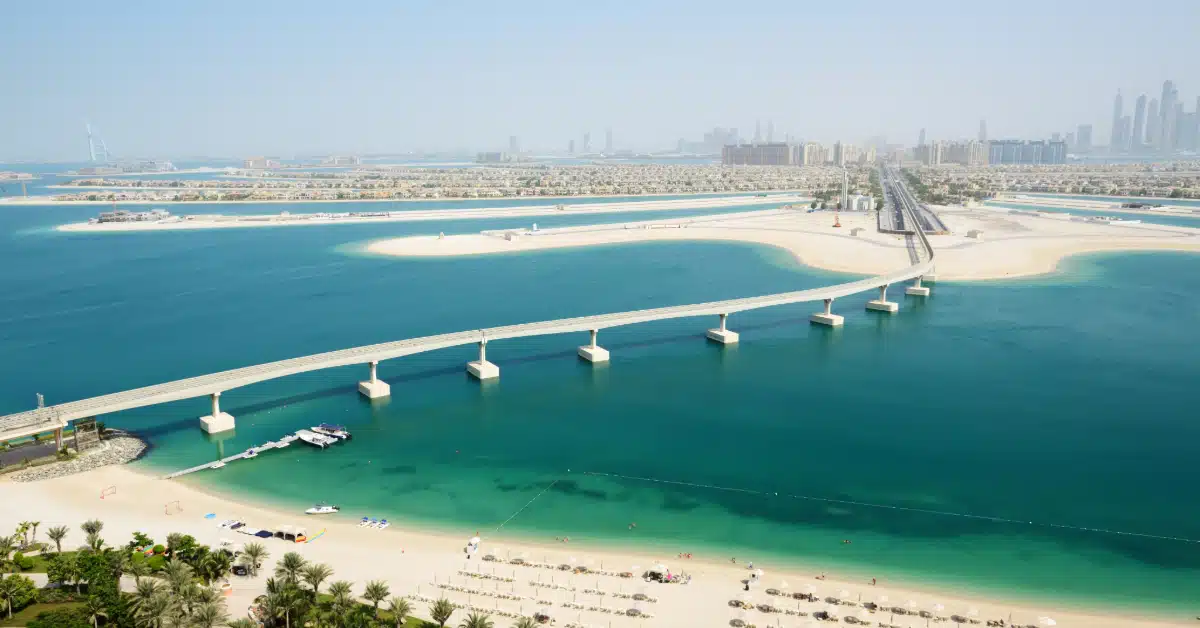
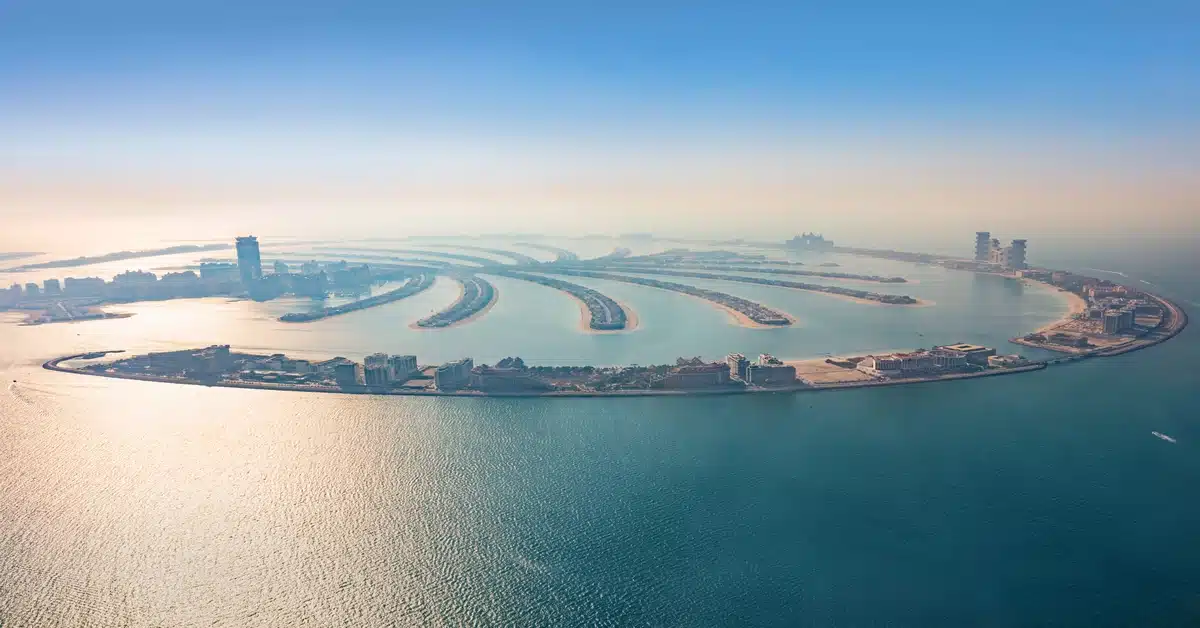
The simplest way to frame the Palm Jebel Ali vs Palm Jumeirah comparison is emerging vs established. Palm Jumeirah is a fully functioning destination, with a mature residential market and a proven day-to-day lifestyle.
Whereas, Palm Jebel Ali is being developed as a newer coastal destination with a larger footprint and a longer runway, where the lifestyle and market depth will strengthen as communities, retail, and leisure districts come online.
This difference matters because it affects how quickly you can move in, how predictable your tenant demand may be, and how comfortable you are with a destination that is still being shaped over time. If you value certainty and immediate usability, Palm Jumeirah usually feels more straightforward. If you are comfortable with a more extended holding period and a phased community story, Palm Jebel Ali may be a better fit.
How do size and masterplan scale compare?
Palm Jumeirah is the more compact island, with a dense, recognisable structure comprising a trunk, fronds, and a crescent that supports a large hospitality and residential ecosystem. For many buyers, that compactness is a feature, not a drawback, because it keeps the island experience walkable and concentrated, and reduces the sense of living in “a project that is still arriving”.
Palm Jebel Ali is planned at a much larger scale, which translates into broader coastlines, more room for district variety, and greater potential for low-intensity neighbourhood planning.
In practical terms, “bigger” can mean more breathing room and a potentially quieter setting. Still, it also means your experience will depend more heavily on sequencing and delivery, because the destination is built in phases. Not all areas will feel equally complete at the same time.
When considering Palm Jebel Ali vs Palm Jumeirah, a helpful approach is to separate “masterplan promise” from “current liveability”.
What lifestyle and amenities can you expect on each island?
Palm Jumeirah’s lifestyle is defined by its operational efficiency. The island supports high-end dining, hospitality, leisure, beach access, marinas, and a well-established pattern of short-stay and long-stay demand. It tends to suit people who want a resort-like environment with energy and convenience, where most of what you want is already available and easy to access without waiting for new districts to open.
Palm Jebel Ali is positioned more like a newer coastal destination that aims to balance waterfront living with more open space. Buyers who prefer a quieter setting often look at emerging destinations because they expect less density, more privacy, and a calmer day-to-day rhythm once the neighbourhoods mature.
That said, the defining factor is timing, because the experience of an emerging destination changes noticeably as retail, schools, parks, and community services roll out.
If your lifestyle decision depends on what exists now, Palm Jumeirah has the advantage. If your lifestyle decision depends on what the destination is designed to become, Palm Jebel Ali may be a good fit, provided you are comfortable with the journey.
How do location and connectivity differ?
Palm Jumeirah sits in a central coastal corridor, with proximity to major leisure districts and established business zones. That centrality tends to matter for residents who commute frequently, second-home owners who want quick access to restaurants and attractions, and landlords targeting stable rental demand supported by a mature destination brand.
On the other hand, Palm Jebel Ali sits further south, closer to the wider Jebel Ali and Dubai South growth areas. That can be attractive if you prefer a less intense surrounding environment, or if you are positioning yourself for longer-term development in the south. The trade-off is that the convenience of central Dubai may not feel as immediate, depending on where you work, where you spend weekends, and how often you want to be in the busiest coastal hubs.
What property types are available now, and what is still upcoming?
Palm Jumeirah offers a broad mix of finished stock, including apartments on the trunk, high-spec towers and branded residences, and frond villas. This breadth matters because it gives buyers multiple entry points depending on budget, layout preferences, and whether the goal is end use, rental income, or a hybrid.
Explore the Available Properties for Sale in Palm Jumeirah
-
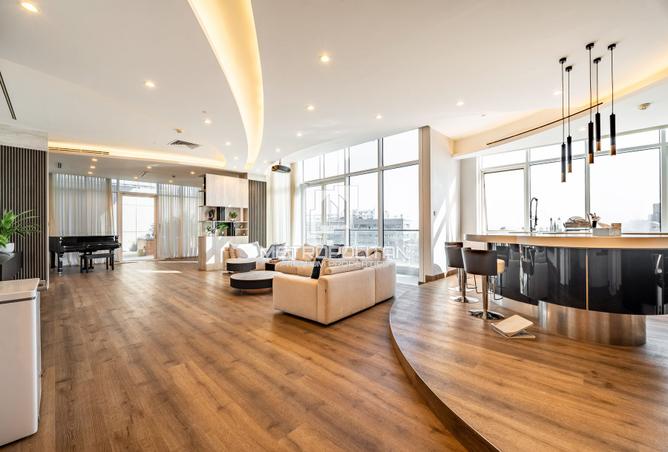
Penthouse
Listed 3 months ago
24,000,000 AED
Exclusive Listing | Furnished | Beach Access
Oceana Southern, Oceana, Palm Jumeirah, Dubai
4
4
5,304 sqft
-
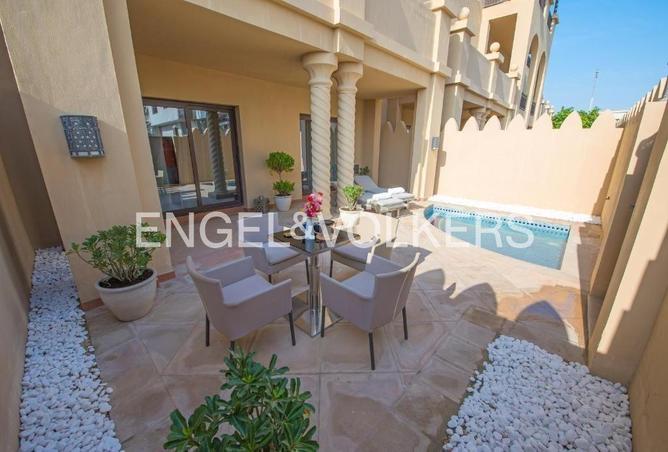
Apartment
Listed 7 days ago
9,700,000 AED
Triplex Unit | Private Pool | VOT
The Fairmont Palm Residence South, The Fairmont Palm Residences, Palm Jumeirah, Dubai
3
4
4,907 sqft
-
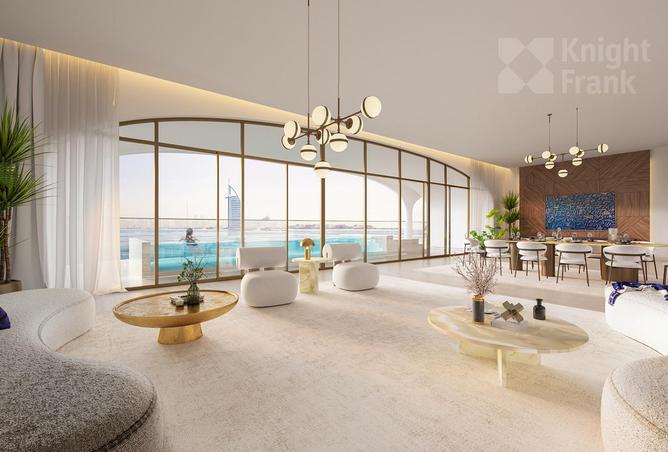
Apartment
Listed 1 month ago
17,900,000 AED
Exclusive | Rare Layout | Distress Deal
Ocean House, Palm Jumeirah, Dubai
2
3
4,213 sqft
-
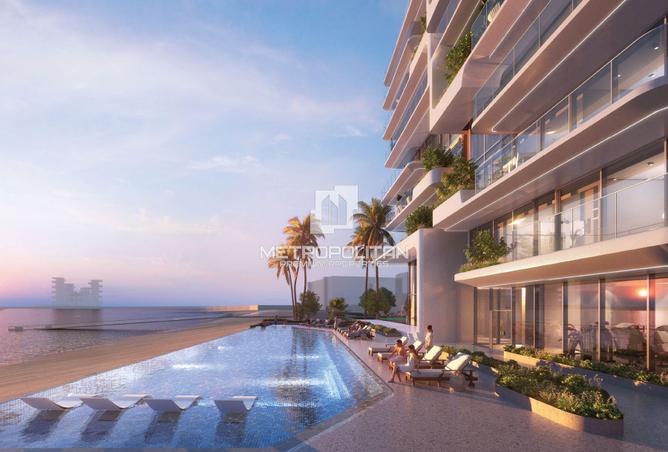
Apartment
Listed 1 week ago
41,000,000 AED
Prime Location | Large Layout | Luxury Residence
Luce, Palm Jumeirah, Dubai
4
5
8,298 sqft
-
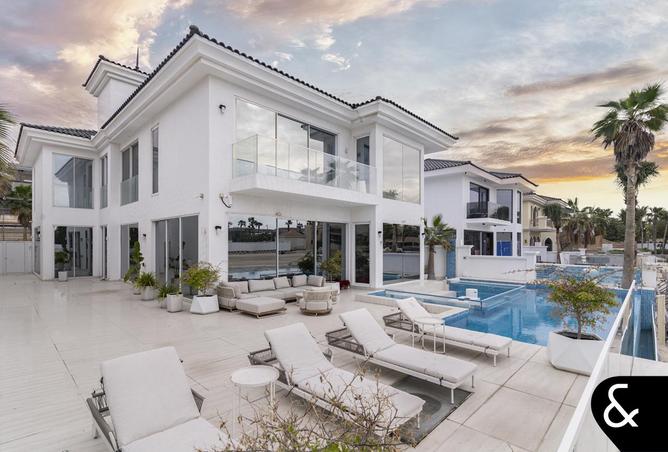
Villa
Listed 4 weeks ago
39,990,000 AED
Exclusive - Extended - 5 Bedrooms - Upgraded
Garden Homes Frond F, Garden Homes, Palm Jumeirah, Dubai
5
6
5,600 sqft
-
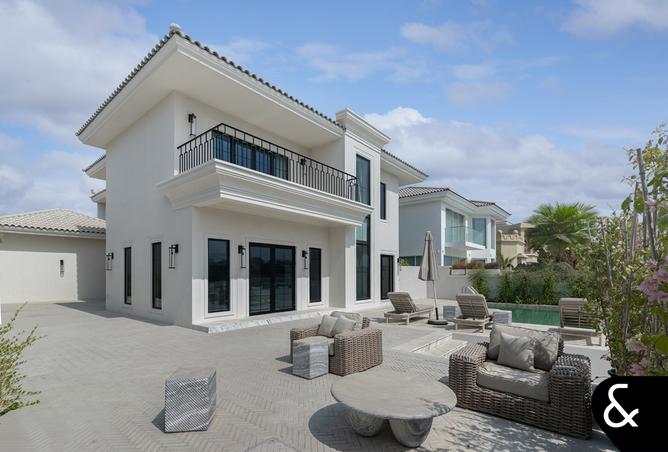
Villa
Listed 6 months ago
45,000,000 AED
Fully Renovated - Extended Plot - Vacant
Garden Homes Frond D, Garden Homes, Palm Jumeirah, Dubai
5
4
5,000 sqft
-
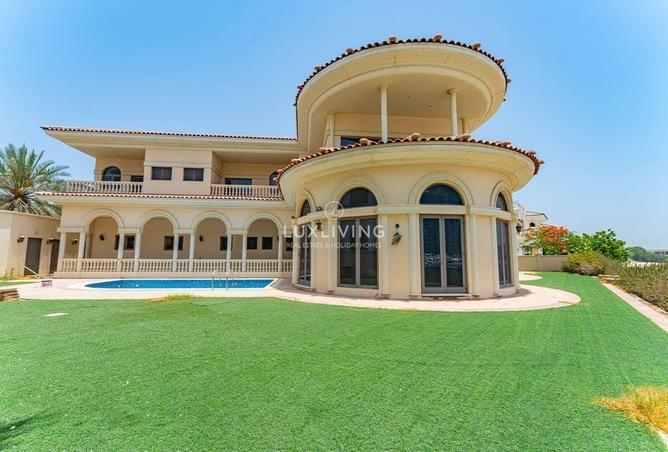
Villa
Listed 2 weeks ago
54,000,000 AED
Prime Investment | Prime Opportunity | Vacant
Signature Villas Frond P, Signature Villas, Palm Jumeirah, Dubai
5
6
7,000 sqft
-
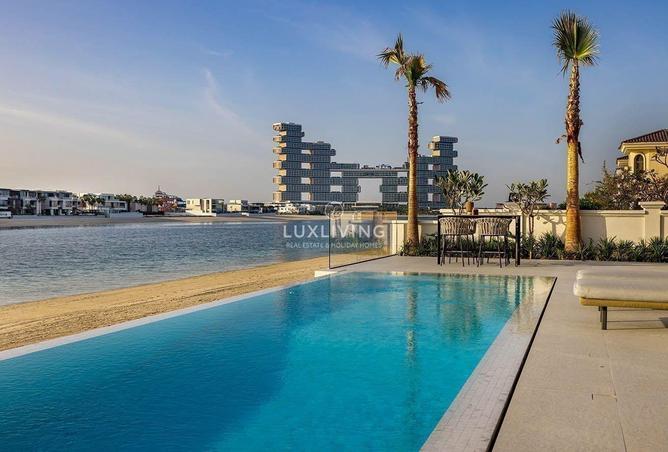
Villa
Listed 3 weeks ago
72,000,000 AED
Extended | Branded Furniture | G+2
Garden Homes Frond F, Garden Homes, Palm Jumeirah, Dubai
6
7
8,056 sqft
-
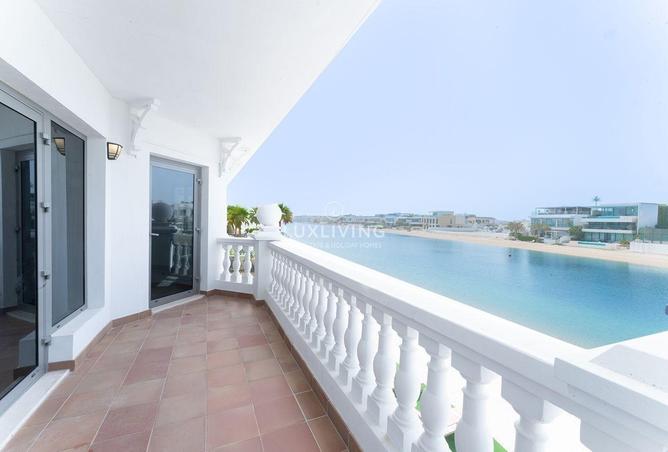
Villa
Listed 4 weeks ago
29,000,000 AED
Alantis View | Immaculate Condition | Furnished
Garden Homes Frond O, Garden Homes, Palm Jumeirah, Dubai
4
5
5,000 sqft
-
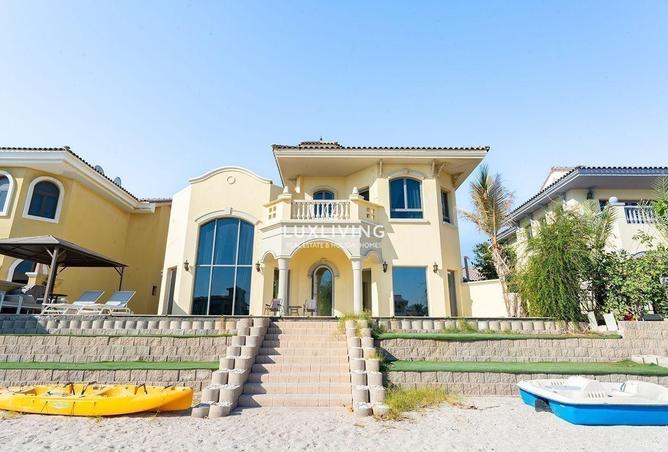
Villa
Listed 4 weeks ago
27,999,900 AED
Best Deal | Fully Furnished | VOT
Garden Homes Frond L, Garden Homes, Palm Jumeirah, Dubai
4
5
6,695 sqft





Palm Jebel Ali’s story is more selective and phase-led. Buyers evaluating it often focus on larger plots, newer product, and the appeal of buying into an earlier chapter of a destination. The practical difference is that the experience is linked to handover timing, the timing of surrounding infrastructure completion, and the pace at which supporting retail and leisure elements mature.
Explore the Available Properties for Sale in Jebel Ali
-
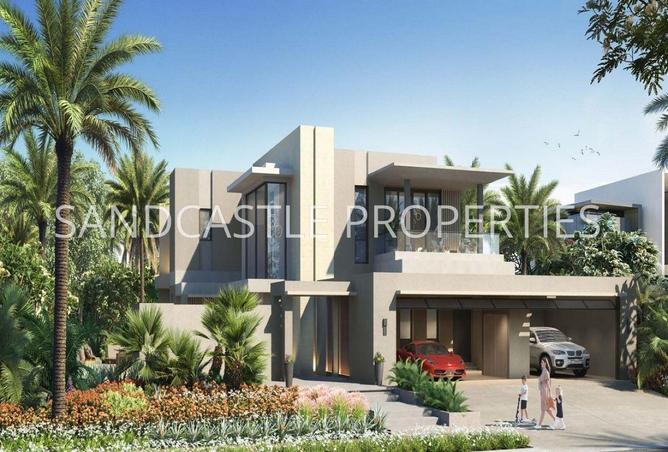
Villa
Listed 2 months ago
11,000,000 AED
Corner Unit | Single Row | Driver s Room | Type E1
Jebel Ali Village Villas, Jebel Ali Village, Jebel Ali, Dubai
4
5
6,836 sqft
-
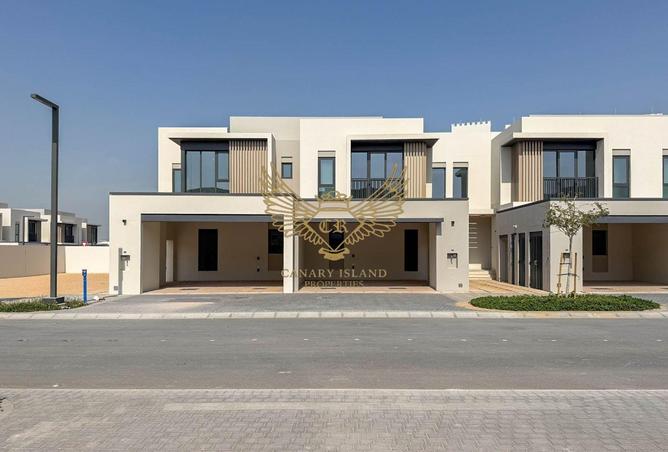
Villa
Listed 2 days ago
5,449,950 AED
Genuine Resale | 4-Bedroom | Vaastu Directions
Jebel Ali Village Townhouses, Jebel Ali Village, Jebel Ali, Dubai
4
5
3,616 sqft
-
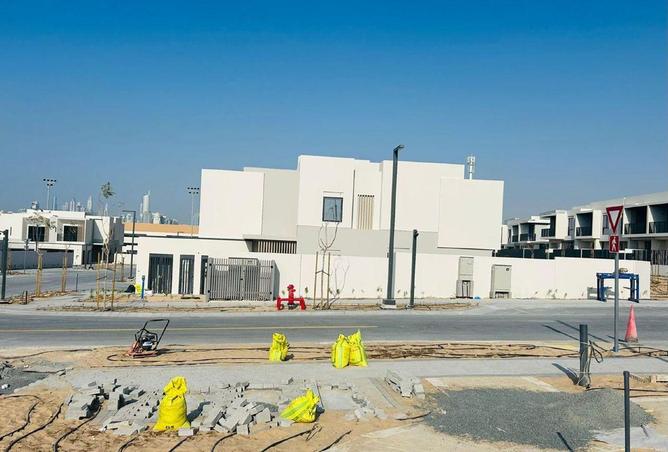
Villa
Listed 2 weeks ago
7,800,000 AED
Largest Plot in JAV, Resale, 4 BR Corner End Unit
Jebel Ali Village Townhouses, Jebel Ali Village, Jebel Ali, Dubai
4
4
5,145 sqft
-
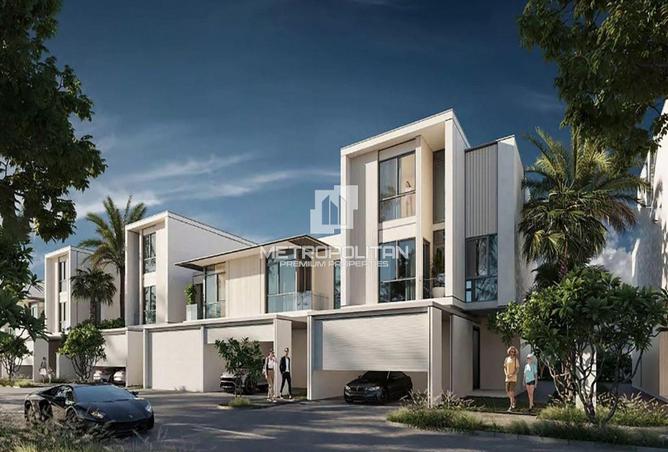
Townhouse
Listed 2 weeks ago
6,200,000 AED
Corner Unit | Vastu Compliant | Spacious Layout
Jebel Ali Village Townhouses, Jebel Ali Village, Jebel Ali, Dubai
4
5
3,081 sqft
-
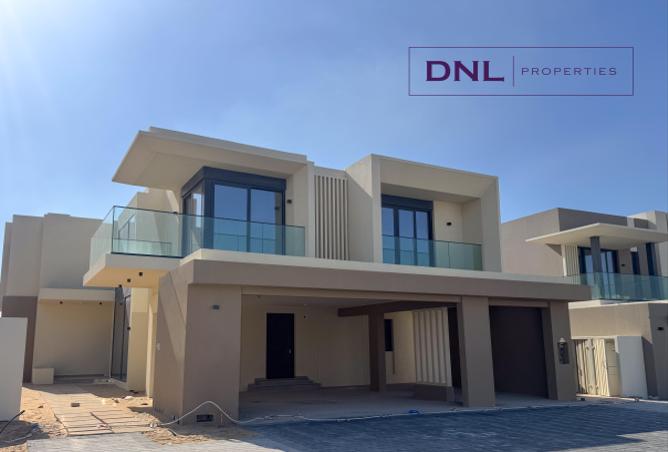
Villa
Listed 2 days ago
12,500,000 AED
Exclusive | On The Park | Big Plot | Corner
Jebel Ali Village Villas, Jebel Ali Village, Jebel Ali, Dubai
5
6
7,252 sqft
-
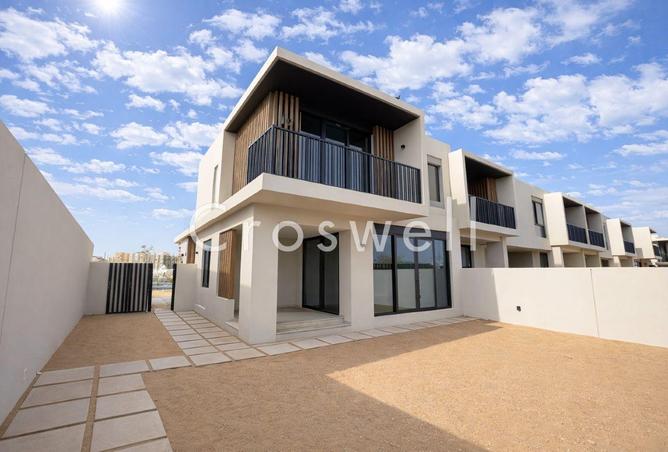
Townhouse
Listed 2 weeks ago
6,200,000 AED
Negotiable | Vastu Unit | 4A1 Layout
Jebel Ali Village Townhouses, Jebel Ali Village, Jebel Ali, Dubai
4
5
3,846 sqft
-
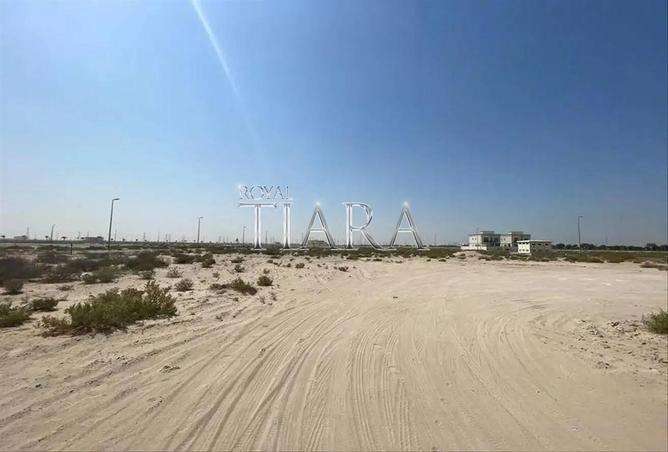
Land
Listed 1 month ago
3,874,800 AED
Phase 8 G+1 |Most Prestigious Next to Largest Park
Saih Shuaib 1, Jebel Ali, Dubai
9,687 sqft
-

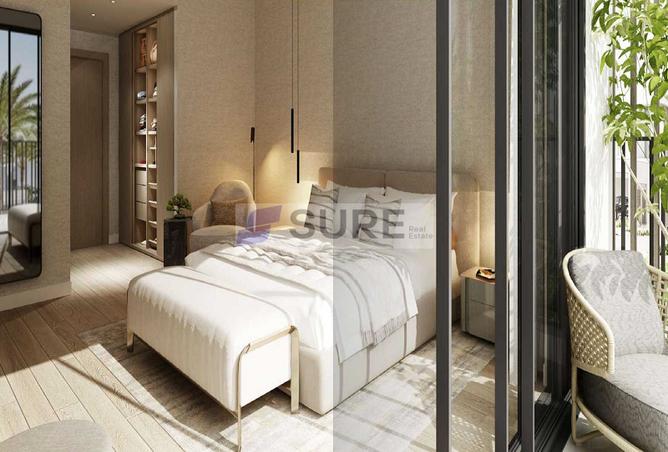
Townhouse
Listed 2 weeks ago
4,400,000 AED
Cheapest / Close to Amenities / Single Row / Vastu
Jebel Ali Village Townhouses, Jebel Ali Village, Jebel Ali, Dubai
3
4
2,608 sqft
-
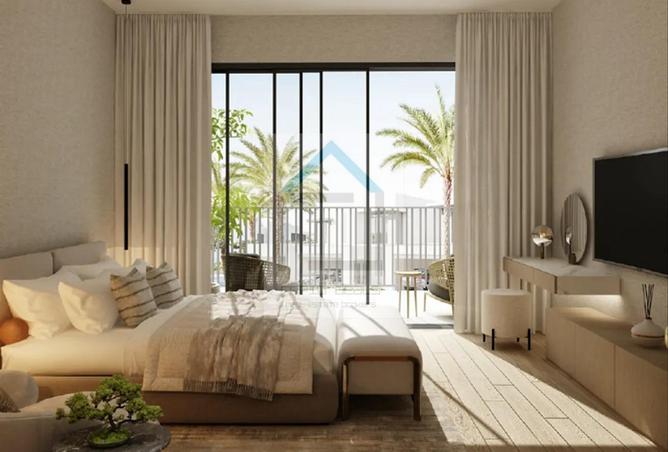
Villa
Listed 2 weeks ago
10,000,000 AED
Cheapest / Internal / Vastu / With Driver Room
Jebel Ali Village Villas, Jebel Ali Village, Jebel Ali, Dubai
4
5
6,836 sqft
-
Townhouse
Listed 3 weeks ago
7,000,000 AED
4BR+M Corner Townhouse - Close to Pool and Park
Jebel Ali Village Townhouses, Jebel Ali Village, Jebel Ali, Dubai
4
5
4,888 sqft









Which island suits investors looking for stability or growth potential?
Real estate investors usually fall into two broad profiles.
A stability-focused investor tends to prioritise proven demand, strong destination recognition, and the ability to rent out or resell with fewer unknowns. Palm Jumeirah often aligns with that profile because it is established, has deep market liquidity relative to newer destinations, and supports multiple demand segments.
A growth-focused investor is more willing to tolerate a longer horizon in exchange for the possibility of higher appreciation as the destination matures. Palm Jebel Ali is often evaluated through that lens, where the story is not “immediate performance”, but “what happens as the area develops and the lifestyle ecosystem fills in”.
What should families, end users, and second-home buyers prioritise?
Families often prioritise daily convenience, predictable services, and the ability to settle in without disruption. In that context, Palm Jumeirah appeals because it already functions as a complete destination, and its lifestyle and services are well-established. It can also be attractive for second-home buyers who want something that works immediately, without waiting for districts to mature.
End users who value privacy and space often lean toward emerging destinations because they expect a calmer setting and more room. Palm Jebel Ali can fit that preference, but the critical factor is whether you are comfortable with a phased environment, where some amenities and services arrive over time rather than being fully present from day one.
A practical way to decide is to identify the “friction” you can live with. Palm Jumeirah’s friction usually comes from density and higher pricing, since it is already a premium destination. Palm Jebel Ali’s friction is delivery timing and the patience required for the broader ecosystem to become fully operational.
Key takeaways
Palm Jumeirah is the established choice, offering immediate liveability, a mature luxury lifestyle, and a broad range of finished properties that support both end use and rental demand. Palm Jebel Ali is the emerging, larger-scale option, positioned around space and future district growth, which may appeal more to buyers who are comfortable with phased delivery and a longer investment horizon.
The best choice depends on whether you prioritise certainty and convenience now, or the potential advantages of entering a destination earlier and holding through its development cycle.
FAQs
Yes. Palm Jebel Ali is planned at a significantly larger scale, which is one reason buyers associate it with more space and long-term district variety.
Palm Jumeirah is generally better for “ready now” living because its hospitality, retail, and residential ecosystem is already mature.
Palm Jebel Ali is typically discussed as the longer-horizon option, because its value story is linked to phased delivery and future destination maturity.
Palm Jumeirah offers a broad mix of apartments, towers, and villas today, while Palm Jebel Ali’s offering is expected to expand as phases are released and handed over.
The most practical approach is to compare live inventory side by side, such as properties for sale in Palm Jumeirah and properties for sale in Jebel Ali, then filter by completion status and unit type.