



Home loans in the UAE are most commonly issued on a reducing balance basis. However, many borrowers explore flat-rate options because they appear simpler and offer predictable monthly payments. In practice, flat and reducing rates work very differently, and switching between them is not always straightforward.
This guide explains how flat and reducing rates compare, whether conversion is possible, how borrowers can lower overall interest costs, and when a flat rate may or may not be the right choice.
- What flat vs reducing (reducing balance) rate mean
- Why lenders prefer reducing rates and why flat rates still appeal
- Can you convert an existing reducing-rate loan to a flat rate?
- Strategies to reduce overall interest or move toward a flat-rate structure
- What banks currently offer flat-rate loans
- Steps to convert or secure a flat-rate loan
- Things to check and common pitfalls
- When it makes sense to stay with a reduced rate
- Key takeaways
- Frequently asked questions
What flat vs reducing (reducing balance) rate mean
Before attempting to reduce your interest or convert loan structures, it is important to understand how each rate type works.
Flat rate explained
With a flat rate, interest is calculated on the original loan amount for the entire tenure. Even as the principal is repaid, interest continues to be charged on the full original amount. Monthly instalments remain fixed, and a large portion of the interest is effectively paid upfront.
Reducing (diminishing balance) rate explained
With a reducing rate, interest is charged only on the outstanding loan balance. As the principal reduces, the interest portion decreases over time. This structure results in a significantly lower total interest cost over long tenures.
Although flat rates often appear lower in advertisements, they are usually more expensive in real terms. As a general benchmark, a reducing rate is roughly 1.8 to 1.85 times cheaper than its flat-rate equivalent over a long home loan tenure.
Why lenders prefer reducing rates and why flat rates still appeal
Banks generally prefer reducing-rate loans because they better reflect declining risk as the loan balance decreases. This structure aligns with regulatory frameworks and long-term risk management.
Flat rates continue to appeal to some borrowers because they offer stable instalments and predictable cash flow. For borrowers who prioritise budgeting simplicity over total cost, this predictability can feel easier to manage.
Can you convert an existing reducing-rate loan to a flat rate?
This is one of the most common questions, and the answer is usually straightforward.
In most cases, direct conversion is not possible. Home loan contracts in the UAE are signed with a specific interest structure, and banks generally do not allow switching from a reducing to a flat rate within the same loan agreement.
What borrowers can do instead is refinance the loan or take a new loan with flat-rate terms, subject to eligibility, approvals, and associated costs.
Explore the Available Properties for Sale in Dubai
-


Apartment
Listed 2 weeks ago
8,000,000 AED
Upgraded | 5 Star Facilities | Palm Jumeirah View
Kempinski Palm Residence, The Crescent, Palm Jumeirah, Dubai
3
4
2,566 sqft
-
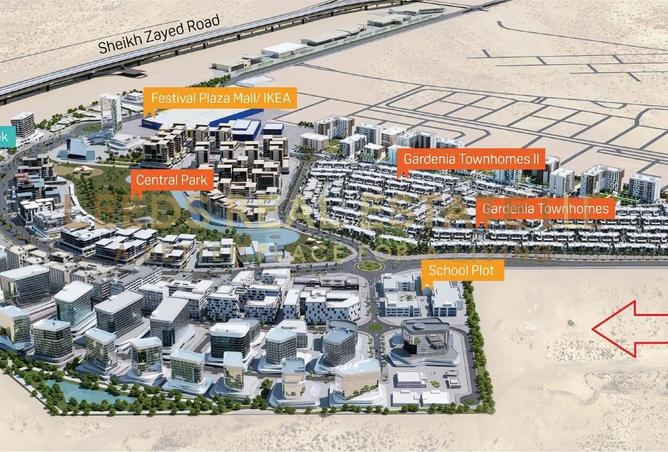
Land
Listed 6 days ago
93,999,999 AED
Prime Freehold Residential Plot | Near Wasl Gate
Al Furjan West, Al Furjan, Dubai
55,970 sqft
-
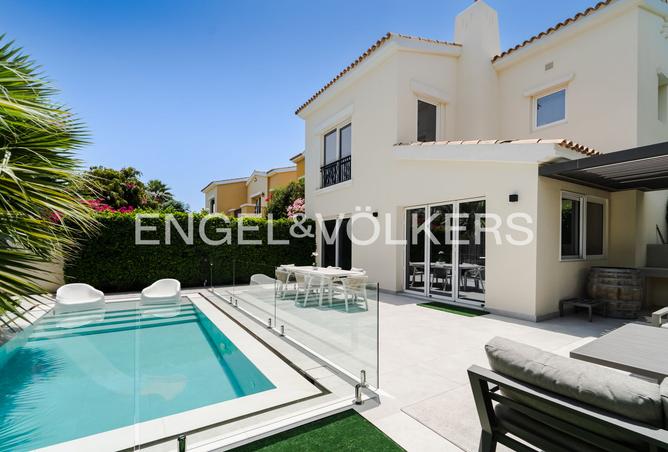
Townhouse
Listed 4 weeks ago
7,650,000 AED
Fully Renovated | 3 Bed + Study | Private Pool
Palmera 2, Palmera, Arabian Ranches, Dubai
3
2
3,236 sqft
-
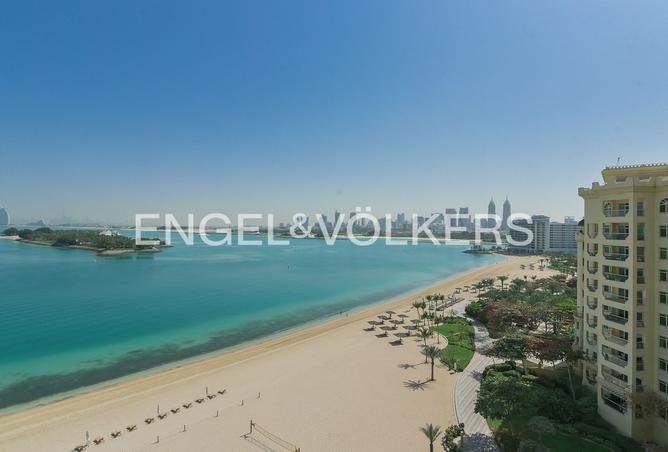
Apartment
Listed 6 days ago
4,500,000 AED
High Floor | Beach Access | Full Sea View
Al Hatimi, Shoreline Apartments, Palm Jumeirah, Dubai
1
2
1,145 sqft
-
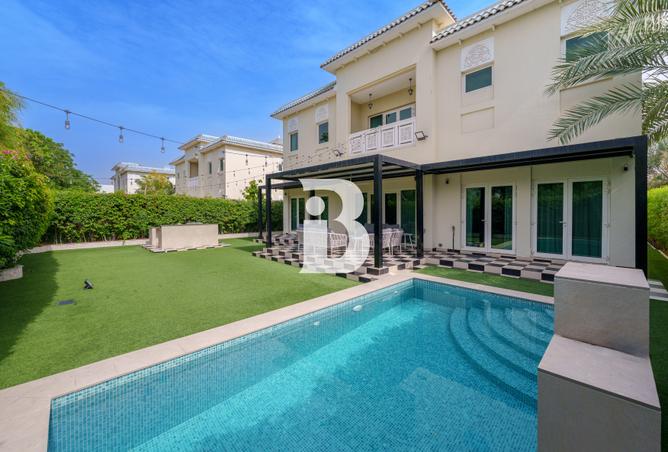
Villa
Listed 1 week ago
7,300,000 AED
Rare Park-Facing with Pool |Exclusive
Quortaj, North Village, Al Furjan, Dubai
4
4
6,458 sqft
-

Villa
Listed 2 weeks ago
425,000,000 AED
Prestigious Waterfront Mansion with Open Sea Views
Bulgari Resort & Residences 1, Bulgari Resort & Residences, Jumeirah Bay Island, Jumeirah, Dubai
6
7+
29,101 sqft
-

Villa
Listed 2 weeks ago
265,000,000 AED
Timeless Beachfront Villa | Unparalleled Sea View
Jumeirah Bay Island Villas, Jumeirah Bay Island, Jumeirah, Dubai
5
7
17,252 sqft
-

Apartment
Listed 2 weeks ago
38,000,000 AED
High Floor | Luxurious with Full Skyline Views
Bulgari Resort & Residences 2, Bulgari Resort & Residences, Jumeirah Bay Island, Jumeirah, Dubai
3
4
2,631 sqft
-
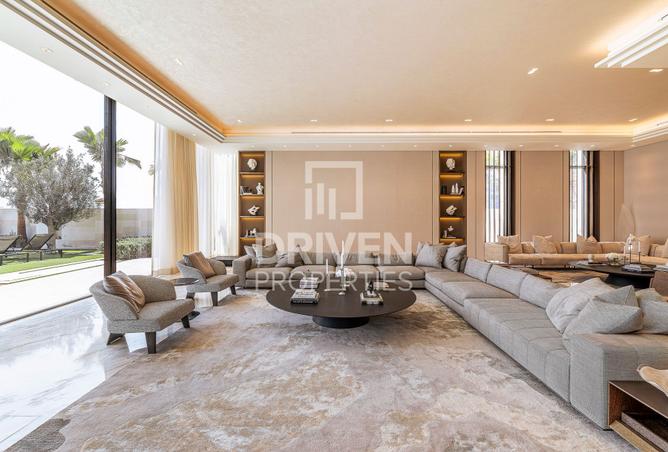
Villa
Listed 2 weeks ago
250,000,000 AED
Sophisticated Modern Villa | Incomparable Luxury
Jumeirah Bay Island Villas, Jumeirah Bay Island, Jumeirah, Dubai
5
6
16,014 sqft
-

Villa
Listed 2 weeks ago
195,000,000 AED
Bulgari Front Row Mansion | Full Skyline Views
Bulgari Resort & Residences 1, Bulgari Resort & Residences, Jumeirah Bay Island, Jumeirah, Dubai
5
7
19,101 sqft





Strategies to reduce overall interest or move toward a flat-rate structure
While conversion itself is rare, there are practical ways to reduce interest costs or achieve a flatter repayment structure.
1. Refinance or balance transfer
Refinancing involves moving your outstanding loan to another bank offering better terms. Some lenders offer flat-rate or fixed-rate products, particularly for UAE nationals. Before refinancing, compare early settlement penalties, valuation fees, and processing charges against the expected savings.
2. Negotiate with your existing bank
If your income has increased, your credit profile has improved, or you have a strong repayment history, your bank may agree to reduce your interest margin. While this typically applies to reducing rates, even a small reduction can significantly lower total interest.
3. Lower your loan-to-value (LTV)

Making a larger down payment or partial prepayment reduces the bank’s risk. Lower LTV ratios often qualify for better pricing and, in some cases, access to promotional flat or fixed-rate products.
4. Choose a shorter loan tenure
Shorter tenures often attract lower interest rates. Monthly instalments increase, but total interest paid over the life of the loan drops substantially.
5. Maintain strong creditworthiness
Stable employment, a low debt-to-income ratio, and a clean repayment record improve negotiating power. These factors often matter more than rate type when banks assess pricing flexibility.
What banks currently offer flat-rate loans
Flat-rate home loans in the UAE are mainly offered to UAE nationals. Flat-rate products for expatriates are less common and often more expensive or limited in scope.
| Bank | Flat rate (UAE nationals) | Reducing rate (approx.) | Maximum tenure |
| Emirates NBD | ~3.04% flat | ~5.75% reducing | Up to 25 years |
| Emirates Islamic (Bina’a) | ~1.75% flat | ~3.49% reducing | Up to 25 years |
| ADIB | ~2.06% flat | ~3.75% reducing | Up to 25 years |
| RAKBANK | ~2.09% flat | ~3.99% reducing | Up to 25 years |
| Dubai Islamic Bank (first-time buyers) | ~1.79% flat | ~3.49% reducing | Up to 25 years |
These figures are indicative and subject to change based on eligibility, property type, and market conditions.
Steps to convert or secure a flat-rate loan
Borrowers considering a flat-rate structure should follow a structured evaluation process.
- Review your existing loan agreement for conversion or renegotiation clauses
- Identify banks offering flat-rate or fixed-rate products you qualify for
- Convert rates correctly using standard multipliers (approximately 1.81–1.85)
- Calculate all associated costs, including early settlement penalties and refinancing fees
- Apply for refinancing or a new loan, and confirm whether the flat rate applies for the full tenure or only an initial period
Things to check and common pitfalls

Flat-rate loans often involve hidden costs such as processing fees, valuation charges, and early settlement penalties. Promotional flat rates may revert to variable or reducing structures after an initial period. Some banks require a salary transfer to qualify for lower pricing. Nationality and residency status also influence eligibility, with UAE nationals typically receiving the most favourable flat rate offers.
When it makes sense to stay with a reduced rate
Reducing rates usually makes more financial sense if you plan to repay early, expect interest benchmarks to decline, or intend to sell the property before full loan maturity. In these scenarios, reducing rates typically results in lower total interest paid.
Key takeaways
Flat rates may appear simpler, but they usually cost more over time than reducing rates. Most UAE home loans are issued on a reducing or variable basis, with flat-rate products limited mainly to UAE nationals. Direct conversion from reducing to a flat rate is rare and typically requires refinancing. Always compare equivalent rates accurately and factor in all fees before switching.
Frequently asked questions
Yes. Flat rates charge interest on the full principal throughout the tenure, while reducing rates lower interest as the balance decreases.
They are uncommon and often more expensive. The most competitive flat-rate products are generally offered to UAE nationals.
Multiply the flat rate by around 1.81–1.85 to estimate its reducing-rate equivalent, or divide the reducing rate by the same factor to estimate how a flat rate appears.
Early settlement penalties, valuation fees, processing charges, registration costs, insurance, and potential salary transfer requirements.
When payment predictability matters more than total cost, interest rates are expected to rise, and the flat rate applies for the full tenure, with no excessive fees.