



Paying rent in Dubai is no longer limited to a single method. While post-dated cheques remain common, tenants today may also pay rent with a credit card, use bank transfers, direct debit systems, or digital platforms, depending on what is agreed in the tenancy contract.
Understanding how rent payments work in Dubai helps tenants avoid disputes, plan cash flow, and stay compliant with local regulations, especially when comparing lifestyle expectations across popular residential hubs such as Downtown Dubai. While new payment technologies have expanded available options, the final structure still depends on what both parties agree to and what is written into the contract.
This guide explains the legally accepted ways to pay rent in Dubai, how payment terms are determined, and what tenants should know in 2026 before signing or renewing a lease.
- Legal framework and rental regulations
- Common payment methods in Dubai
- Pros, cons, and typical use cases
- Who decides how rent is paid
- Practical tips for paying rent smoothly
- Key takeaways
- FAQs
Legal Framework and Rental Regulations in Dubai

Dubai’s rental system is governed by tenancy laws and administrative procedures that require clarity around payment terms. The law does not impose a single payment method, but it does require transparency and proper documentation.
Ejari Registration Requirements
All tenancy contracts must be registered through Ejari to be legally valid. Ejari registration is required for utility activation, residency-related processes, and dispute resolution.
The payment method, instalment schedule, and due dates must be clearly stated in the Ejari-registered contract. Payments made outside a registered contract are not legally protected.
Direct Debit Systems and Payment Flexibility
Government-backed systems such as UAEDDS Direct Debit and Noqodi have been integrated into Dubai’s rental ecosystem to support automated rent payments, including monthly instalments.
However, there is no law requiring landlords to accept monthly payments. These systems make monthly payments technically possible, but the decision to use them remains subject to mutual agreement between tenant and landlord. Many landlords still prefer one, four or six instalments.
Notice and Disclosure Rules
Under Law No. (33) of 2008, any changes to rental terms, including payment structure or rent increases, must be communicated at least 90 days before contract expiry.
Tenancy contracts should clearly outline payment methods, due dates, and penalties to avoid disputes during the lease period.
Common Payment Methods in Dubai
Tenants may encounter several payment options depending on the landlord’s profile and contract terms.
Post-Dated Cheques (PDC)
Post-dated cheques remain the most widely used method. Tenants issue cheques in advance to cover instalments over the lease term, commonly split into one, two, four, six, or twelve cheques.
While bouncing a cheque is no longer treated as a criminal offence in most cases, it remains a civil offence and may lead to penalties such as travel restrictions or frozen bank accounts.
Multiple Cheques vs Single Cheque Options
Some landlords request a single cheque covering the full annual rent, while others accept multiple cheques to ease tenant cash flow. More instalments usually offer flexibility but may affect negotiation terms.
Bank Transfers and Standing Orders

Bank transfers are commonly used where landlords are overseas or operate through corporate structures. Standing orders allow tenants to automate payments, provided both parties agree, and the arrangement is reflected in the contract.
Direct Debit (UAEDDS / Noqodi)
Direct debit is increasingly used by corporate landlords and master developers. Once linked to an Ejari contract, rent is automatically deducted from the tenant’s bank account according to the agreed schedule.
This method reduces administrative friction but is used only where both parties opt in.
Credit and Debit Card Payments
Third-party platforms allow tenants to pay rent by credit or debit card, often charging a service fee of around 2–3%. These platforms typically pay the landlord via transfer or cheque while the tenant repays the card provider.
This option is popular with tenants seeking flexibility or rewards, but it is not universally accepted.
Rent Now, Pay Later (RNPL) Services
A newer trend allows tenants to split annual rent into monthly card payments through external platforms, even if the landlord prefers a lump-sum or cheque-based structure. The landlord receives payment as agreed, while the platform manages instalments with the tenant.
Explore the Available Apartments for Rent in Dubai
-
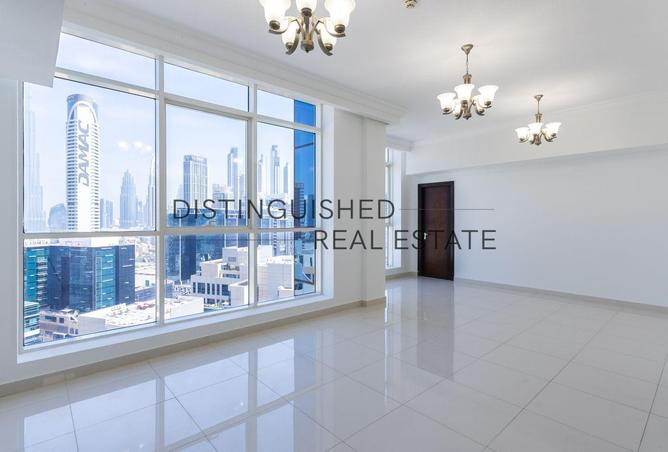
Apartment
Listed 1 week ago
120,000 AED/year
Burj Khalifa View | Prime Location | 0% Commission
Majestic Tower, Al Abraj street, Business Bay, Dubai
2
2
1,305 sqft
-
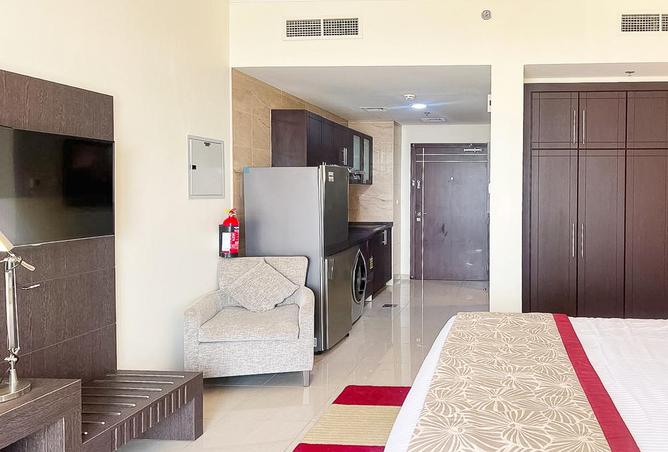

Apartment
Listed 2 weeks ago
48,999 AED/year
FULLY FURNISHED | MONTHLY OPTION PRICE MAY VARY
Siraj Tower, Arjan, Dubai
studio
1
415 sqft
-
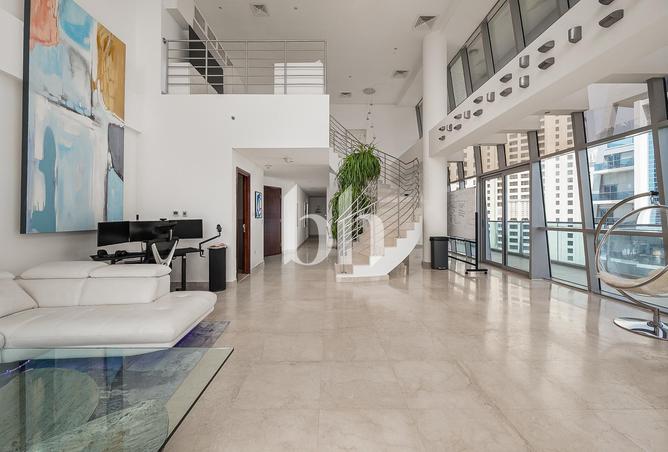
Apartment
Listed 4 weeks ago
380,000 AED/year
Luxury Marina Duplex | Marina Views | Balcony
The Jewel Tower A, The Jewels, Dubai Marina, Dubai
3
4
4,529 sqft
-
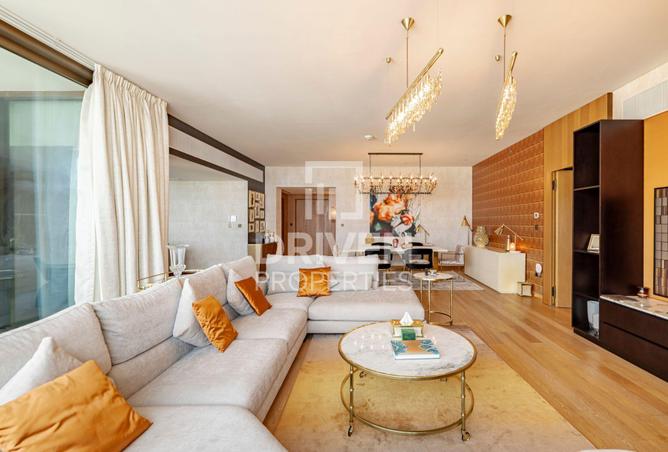
Apartment
Listed 1 day ago
2,500,000 AED/year
Lavish Apt with Marina View | Fully Furnished
Bulgari Resort & Residences 3, Bulgari Resort & Residences, Jumeirah Bay Island, Jumeirah, Dubai
3
4
2,698 sqft
-
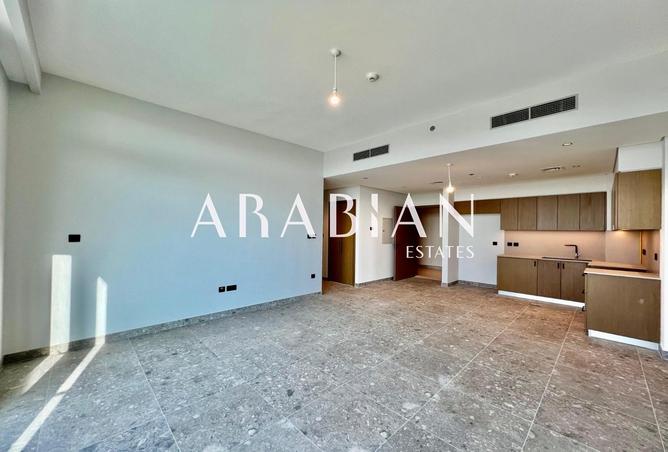
Apartment
Listed 2 days ago
167,500 AED/year
Vacant | Marina and Boulevard Views | 2 Bedroom
Golf Suites, Dubai Hills Estate, Dubai
2
3
1,121 sqft
-
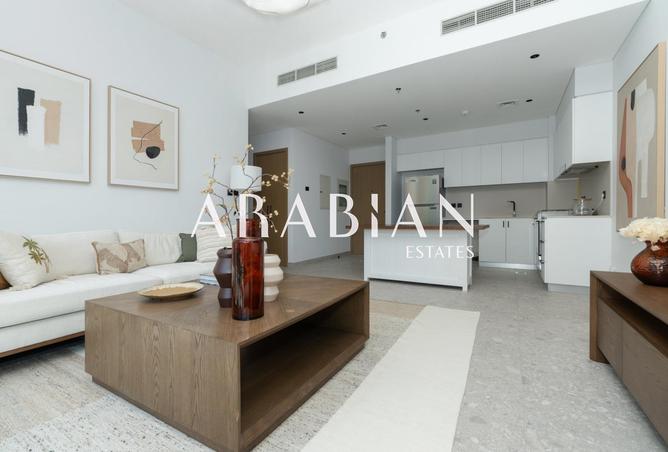
Apartment
Listed 2 days ago
200,000 AED/year
Fully Furnished | Available | Pool & Golf Views
Golf Suites, Dubai Hills Estate, Dubai
2
3
1,118 sqft
-
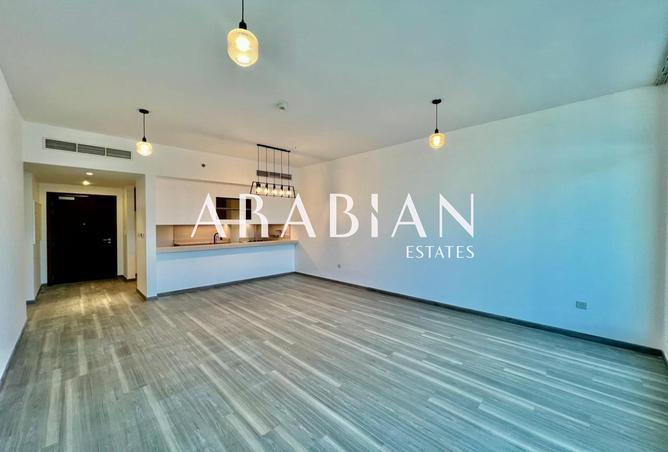
Apartment
Listed 2 days ago
200,000 AED/year
Boulevard Views | Spacious | Upgraded Flooring I
Acacia C, Acacia, Park Heights, Dubai Hills Estate, Dubai
2
3
1,316 sqft
-
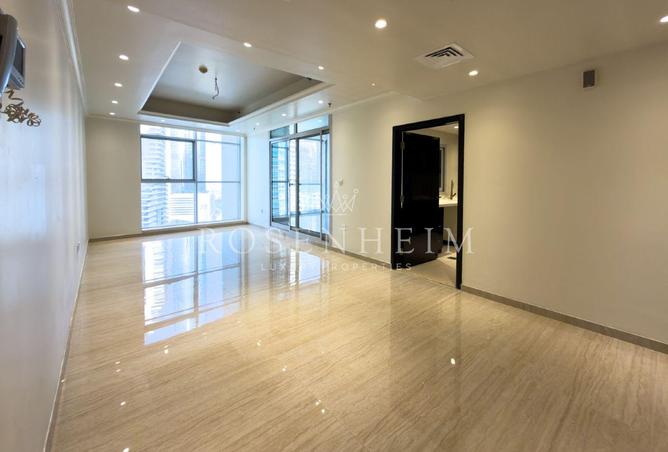
Apartment
Listed 2 days ago
150,000 AED/year
Partial Seaview | Renovated | Big Balcony | Vacant
Skyview Tower, Dubai Marina, Dubai
2
3
1,597 sqft
-

Apartment
Listed 5 days ago
2,400,000 AED/year
5-Star Amenities | Exclusivity | Ultra-Luxury
IL Primo, Opera District, Downtown Dubai, Dubai
4
5
5,300 sqft
-
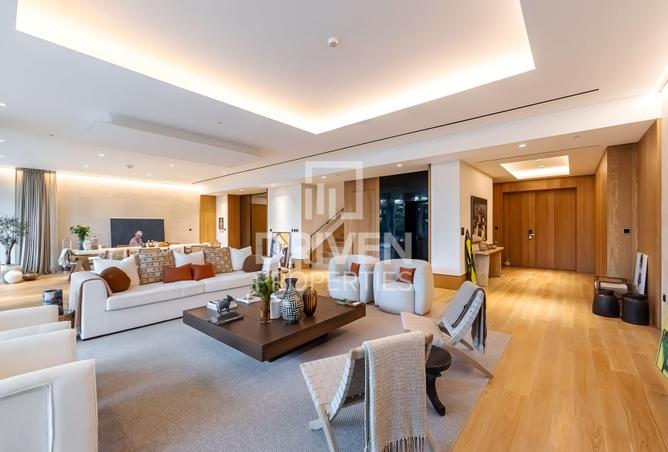
Apartment
Listed 6 days ago
4,000,000 AED/year
Exemplary Bulgari Loft | Full Marina Views
Bulgari Resort & Residences 3, Bulgari Resort & Residences, Jumeirah Bay Island, Jumeirah, Dubai
3
5
6,991 sqft





Cash Payments
Cash payments are uncommon and generally limited to small amounts or early-stage transactions before handover. Written receipts are essential, and larger sums are discouraged due to legal and documentation risks.
Pros, Cons and Typical Use Cases
| Method | Pros | Cons | Typical Use |
| Post-Dated Cheques | Widely accepted, contractually standard | Less flexible, civil penalties if bounced | Traditional annual leases |
| Bank Transfers | Traceable, suitable for overseas landlords | Requires agreement and documentation | International or corporate landlords |
| Direct Debit | Automated, reliable, Ejari-linked | Requires opt-in from landlord | Corporate-managed properties |
| Credit Cards | Flexible, reward points | Processing fees apply | Platform-based payments |
| RNPL Platforms | Monthly instalments without renegotiation | Service fees | Cash-flow management |
| Cash | Immediate | High risk, limited protection | Small or temporary payments |
Who Decides How Rent is Paid in Dubai
Rent payment methods are decided through mutual agreement and must be reflected in the tenancy contract.
- There is no legally mandated payment frequency.
- Monthly payments are possible but not compulsory.
- Any agreed structure must be recorded in Ejari.
- Fees, penalties and service charges should be disclosed upfront.
Clear documentation protects both tenant and landlord throughout the lease term.
Practical Tips for Paying Rent Smoothly
If you are unsure about responsibilities during a lease, reviewing tenant rights in Dubai can help clarify obligations related to payments, notices, and contract terms.
- Always obtain written confirmation or receipts for each payment.
- Verify bank details carefully before transferring funds.
- Maintain sufficient balance ahead of cheque or debit dates.
- Keep copies of cheques, confirmations and platform records.
- Update Ejari if payment terms change at renewal.
Key Takeaways
Dubai offers multiple ways to pay rent, from traditional cheques to modern digital systems. While technology now supports monthly payments and automation, payment frequency remains a negotiated term rather than a legal requirement. Tenants should ensure payment methods are clearly documented, Ejari-registered and supported by proper records to avoid disputes.
FAQs
No. Monthly payments are not legally mandatory. Payment frequency must be agreed between the tenant and the landlord and documented in the contract.
Yes, if both parties agree or a third-party platform facilitates the payment. Fees may apply, and acceptance varies.
In most cases, no. Bounced cheques are treated as civil matters unless fraud is involved, but penalties may still apply.
Yes, but any changes must be agreed in writing and updated in Ejari at least 90 days before expiry.
Yes. Ejari registration is mandatory regardless of how rent is paid.