



If you live and work in Dubai, you are likely already well acquainted with rush hour in Dubai. With the city’s rapidly growing population, this daily challenge can be managed with some planning and preparing ahead.
This guide breaks down when peak-hour congestion hits and when it clears, which communities experience heavy traffic congestion during peak hours, and tips on how to beat rush hour.
- When is rush hour in Dubai?
- Dubai’s worst areas for rush hour traffic
- Driving vs. Dubai Metro vs. bus during rush hour
- How to beat Rush Hour in Dubai: Our recommended tips
- Key takeaways
- FAQs
When is rush hour in Dubai?
Dubai rush hour times follow a consistent daily rhythm, though they have stretched noticeably in recent years as the city’s population has grown.
Morning rush hour
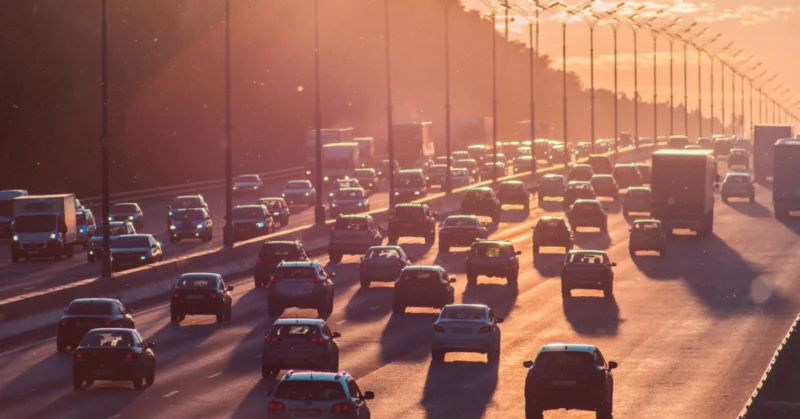
Morning congestion typically begins around 7:00 AM on major arterial routes as commuters from Sharjah, Ajman, and outer Dubai communities start heading in. The heaviest window falls between 7:30 AM and 9:30 AM, with the most intense period running from 8:00 AM to 9:00 AM. By 10:00 AM, most major roads have eased considerably.
Schools play a significant role in the morning build-up. The overlap between school drop-off times and office start times is one of the main reasons roads are at their most congested before 9:00 AM.
Evening rush hour
Rush hour Dubai in the evenings typically starts building around 5:00 PM and can persist until 8:30 PM or later, with the most congested window falling between 5:30 PM and 7:30 PM.
School pickups overlap with the end of office hours. Many residents run errands or head to the gym after work. Leisure traffic, people heading to restaurants, malls, or the beach, adds to the load.
Does rush hour differ on Fridays and Saturdays?
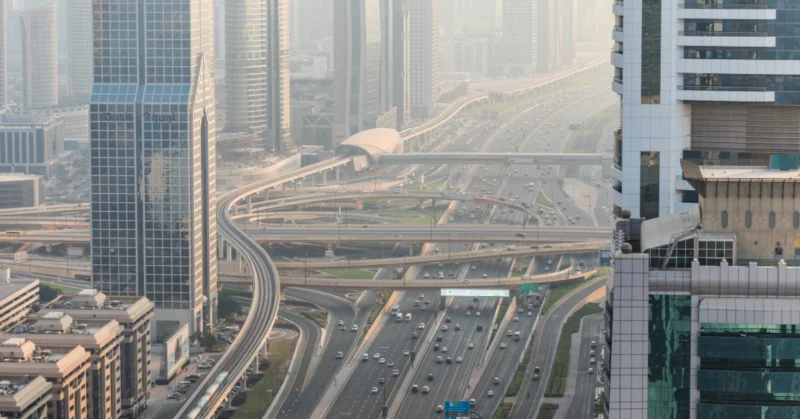
Dubai’s working week varies by sector. Government entities and many schools operate Sunday to Thursday, while a growing number of private companies have moved to Monday to Friday following the UAE’s 2022 public sector working week change. This creates a split-peak pattern on certain days.
Sunday sees some of the heaviest inbound traffic of the week, as it functions as a Monday for a large portion of the workforce. Fridays are generally lighter overall, though midday congestion near mosques during Friday prayer (approximately 12:30 PM to 1:30 PM) is common in residential areas. Saturdays bring heavier leisure and retail traffic in the afternoon and early evening.
Dubai’s worst areas for rush hour traffic
Not all parts of the city are equally affected. Certain roads and communities consistently experience the most severe congestion during peak hours, and knowing which ones to watch can make a difference in planning your day.
JVC and outer communities
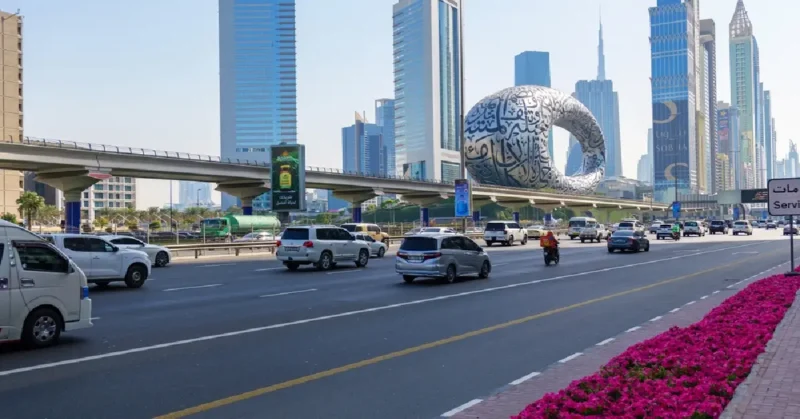
Jumeirah Village Circle (JVC) sits at a critical junction between Al Khail Road and Umm Suqeim Street, two of Dubai’s busiest arterial routes. Residents heading towards Downtown Dubai, Business Bay, or DIFC during the morning rush face considerable delays at the Al Khail Road interchanges.
JVC has no direct Dubai Metro station, which means the vast majority of its residents drive. During peak hours, the queues to exit the community can add 20 to 30 minutes to a journey before a commuter even reaches a main road.
Tips for JVC commuters:
- Leave before 7:00 AM or after 9:30 AM to avoid the worst of the morning rush.
- Use RTA feeder buses to reach Mall of the Emirates Metro station on the Red Line, the closest viable Metro option.
- In the evening, returning via Al Khail Road from the north tends to be faster than approaching from Sheikh Zayed Road.
- If your employer offers flexible or staggered working hours, even a 30-minute shift in your start time can take you largely out of the peak window.
Residents of Jumeirah Village Triangle (JVT), Sports City, Motor City, Damac Hills, and Mudon face similar conditions, sharing many of the same exit roads and the same absence of direct Metro access.
Communities further out, Dubai Silicon Oasis, International City, and Mirdif, also experience sustained peak-hour congestion, compounded by cross-emirate commuter traffic flowing in from Sharjah and Ajman along Emirates Road (E611) and Al Ittihad Road every morning.
Explore the Available Apartments for Rent in Dubai Silicon Oasis
-
Apartment
Listed 2 weeks ago
60,000 AED/year
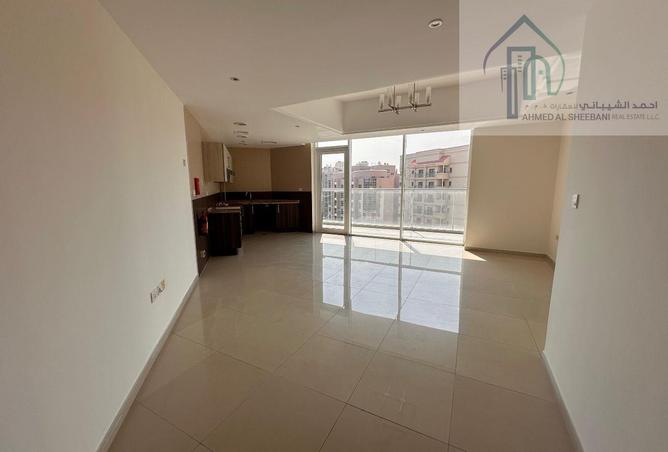
1BHK k-Appliances Near Emirates Accommodation 60k
Dubai Silicon Oasis, Dubai
1
2
832 sqft
-

Apartment
Listed 4 days ago
76,000 AED/year
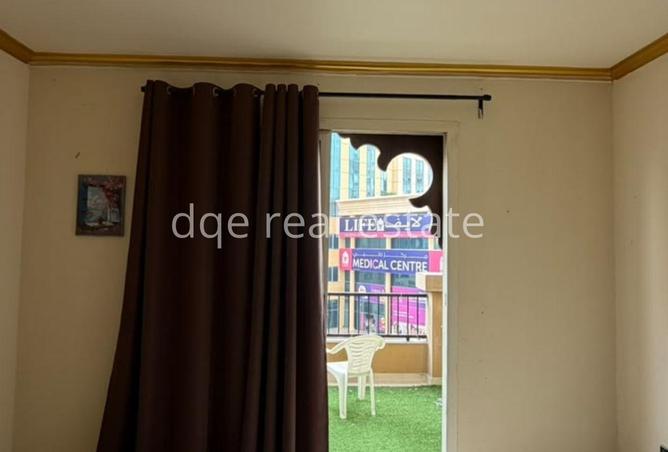
1+STUDY | UNOBSTRUCTED VIEW |CHECK SIZE BURJ VIEW
GRK Residency, Dubai Silicon Oasis, Dubai
1
2
1,262 sqft
-
Apartment
Listed 5 days ago
43,000 AED/year
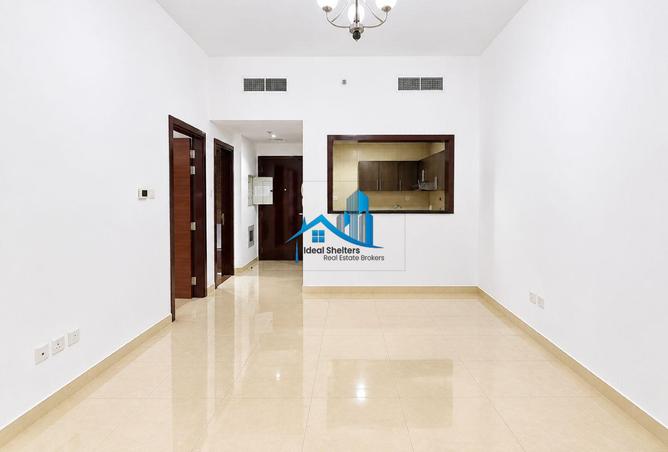
Spacious Studio | Balcony | Spring Oasis
Spring Oasis, Dubai Silicon Oasis, Dubai
studio
1
553 sqft
-
Apartment
Listed 2 days ago
65,000 AED/year
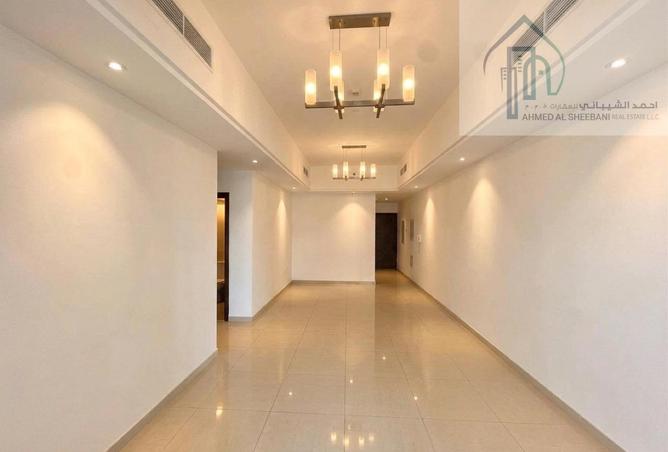
SPACIOUS OPEN PLAN LAY OUT MODERN 1BR IN DSO
Al Manal Residence 2, Dubai Silicon Oasis, Dubai
1
2
733 sqft
-
Apartment
Listed 4 days ago
70,000 AED/year
Well-Maintained | ready | Spacious Layout
GRK Residency, Dubai Silicon Oasis, Dubai
1
2
887 sqft
-
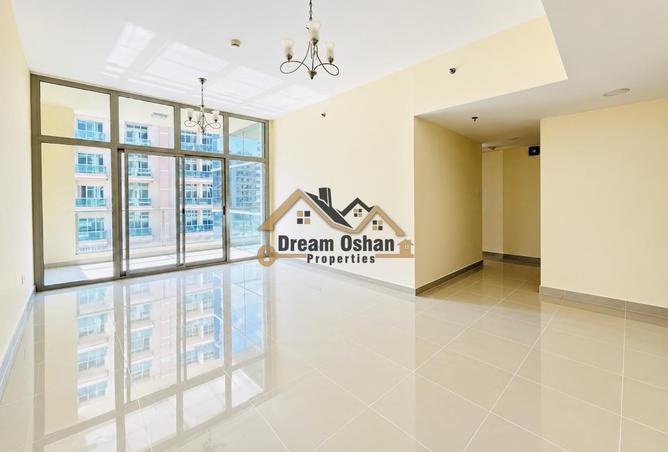
Apartment
Listed 1 day ago
79,999 AED/year
2BR FOR FAMILY_CLOSE KITCHEN_ALL AMENITIES
Al Waleed Oasis 3, Dubai Silicon Oasis, Dubai
2
3
1,045 sqft
-
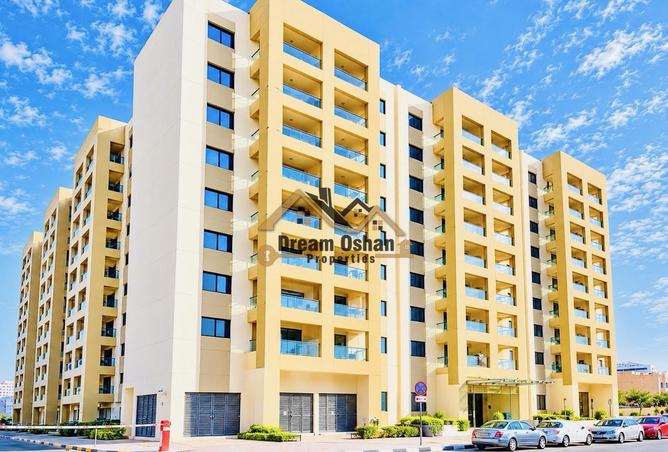
Apartment
Listed 3 days ago
59,999 AED/year
NEAR LULU MALL_NEAR BUS STOP_KIDS PLAY AREA
Coral Residence, Dubai Silicon Oasis, Dubai
1
2
784 sqft
-
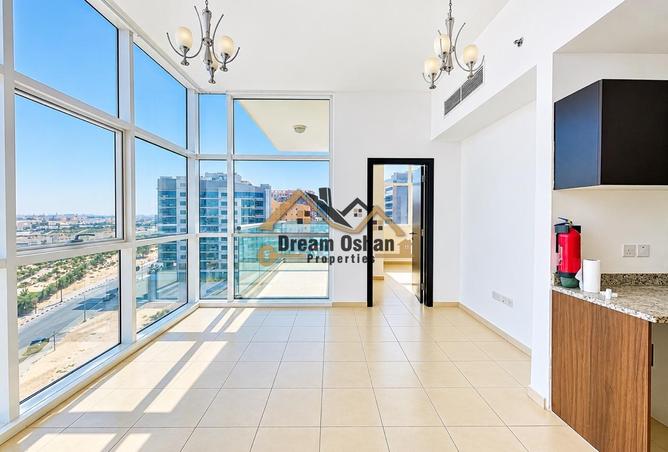
Apartment
Listed 5 days ago
56,000 AED/year
NEAR LULU MALL_BALCONY_CLOSE BUS STOP
Silicon Gates 4, Silicon Gates, Dubai Silicon Oasis, Dubai
1
2
640 sqft
-
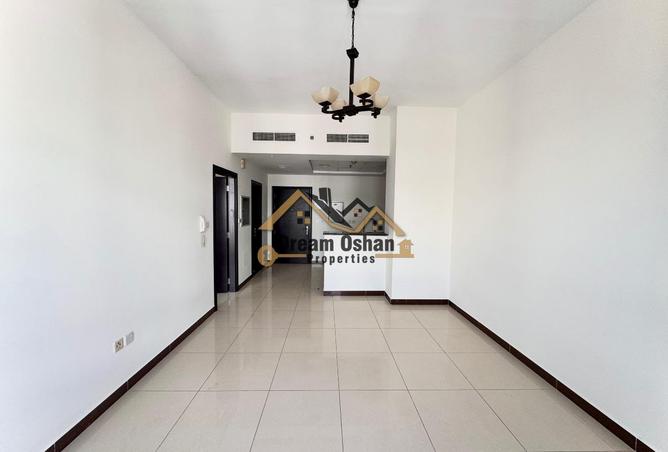
Apartment
Listed 3 days ago
58,000 AED/year
1 BR Apartment in Dubai Silicon Oasis with Balcony
Mirage Residence, Dubai Silicon Oasis, Dubai
1
2
809 sqft
-
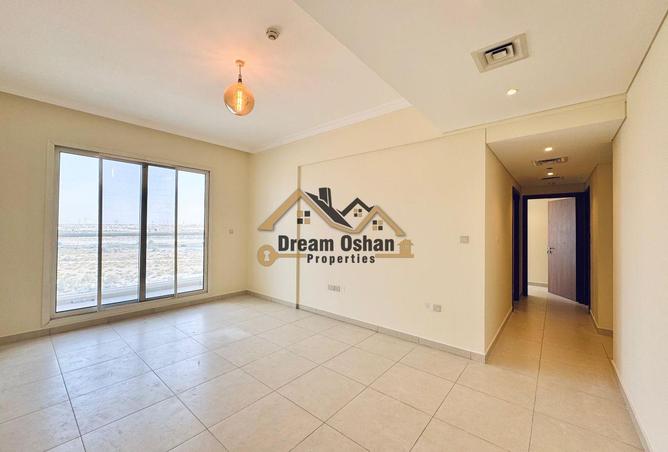
Apartment
Listed 3 days ago
85,000 AED/year
2BHK WITH Store Room Close Kitchen Near School
Liwa Residence, Dubai Silicon Oasis, Dubai
2
3
1,184 sqft


Sheikh Zayed Road and key corridors
Sheikh Zayed Road (E11) is the city’s main spine and its most reliable source of delays. The stretch between Mall of the Emirates and the Downtown Dubai interchange is consistently heavy during both morning and evening rush hours. Despite its reputation as a congestion alternative, Al Khail Road (E44) is similarly affected, particularly near the Meydan, Nad Al Sheba, and Business Bay interchanges.
Other often congested routes include:
- Al Wasl Road: Slow through Jumeirah and Satwa during the morning commute
- Umm Suqeim Road: Busy near the JVC exit and Dubai Marina approach
- Dubai-Al Ain Road (E66): A heavily used inbound route from communities on Dubai’s south-eastern edge
- Al Ittihad Road: One of the main cross-emirate routes, heavily congested with inbound Sharjah traffic between 7:00 AM and 9:00 AM
Driving vs. Dubai Metro vs. bus during rush hour
The best way to get around during peak hours depends on your route, your tolerance for crowds, and how much time consistency matters to you. Here is a direct comparison across the three main options.
| Mode | Typical journey (JLT to Business Bay) | Typical cost | Peak-hour comfort | Reliability | Best for |
| Driving | 35–75 min | Fuel + parking (AED 2–10/hr) | High (private space) | Low, traffic-dependent | Flexibility, door-to-door trips |
| Dubai Metro | 20–30 min | AED 3–7 (Nol card) | Low–moderate (crowded) | High, unaffected by traffic | Fixed routes near Metro stations |
| RTA Bus | 50–80 min | AED 3–5 (Nol card) | Low (slow, crowded) | Moderate | Short hops, feeder connections |
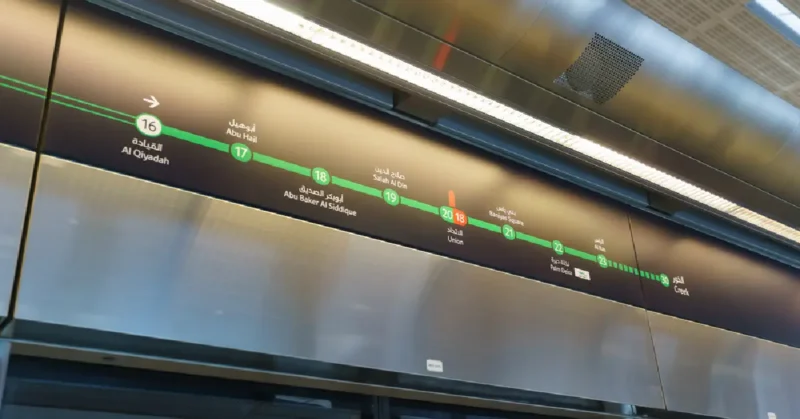
Dubai Metro rush hour performance stands out in one area above all others: consistency. A drive that takes 20 minutes at 10:00 AM may take 70 minutes at 8:30 AM. Metro journey times remain largely stable throughout the day. The Red Line, connecting Rashidiya in the east to Expo City Dubai in the south-west, covers the most high-demand commuter corridors. The Green Line serves older residential and commercial districts between Etisalat station and Creek in Deira.
That said, trains on both lines during peak morning and evening windows are extremely crowded. The Gold Class carriage, available at a small premium above the standard Nol card fare, offers considerably more space and a quieter environment. For regular commuters who use the Metro daily, a monthly travel card reduces the cost per journey.
The RTA’s Park and Ride scheme, available at stations including Ibn Battuta, Jebel Ali, UAE Exchange, and Rashidiya, allows drivers to leave their cars at a flat daily fee and continue their journey by Metro. This is particularly useful for commuters coming in from outer communities or cross-emirate.
How to beat Rush Hour in Dubai: Our recommended tips
No commuter can eliminate peak-hour congestion entirely, but adjusting a few habits can make a noticeable difference to both journey time and daily stress.
1. Shift your departure time
Leaving 30 to 45 minutes earlier, or waiting until after 9:30 AM to depart, can halve your journey time on many routes. This is the single most impactful change most commuters can make. If your employer offers flexible start times, even a 30-minute shift can take you largely outside the peak window.
2. Use real-time navigation
Live navigation tools recalculate routes based on current traffic conditions. During peak hours, they will frequently suggest Al Khail Road, Hessa Street, or the Emirates Road as alternatives to Sheikh Zayed Road.
3. Switch to the Metro where possible
If your origin and destination sit near stations on the Red or Green Line, the Metro removes road congestion from the equation entirely. Factor in time for the walk to and from stations and for waiting at peak times, but expect a consistent and reliable journey time regardless of what is happening on the roads outside.
4. Carpool with colleagues
Carpooling reduces the number of vehicles adding to peak-hour congestion and splits fuel and parking costs between multiple people. It is particularly effective for commuters travelling from outer communities like JVC, Mirdif, or Silicon Oasis, where the absence of Metro access makes driving the default choice.
5. Work from home strategically
Many Dubai employers in finance, technology, and professional services now offer hybrid working arrangements. Choosing to work from home on the days when your commute is longest, such as a Sunday if you live far from the office, can reduce weekly commute hours without requiring any change to your route or schedule.
6. Plan errands for off-peak hours
Running errands between 6:00 PM and 8:00 PM adds to the evening congestion peak for everyone. Shifting shopping, appointments, or leisure activities to after 9:00 PM when roads in Dubai are noticeably quieter reduces your exposure to the worst of the evening rush and shortens your actual time on the road.
Explore the Available Apartments for Rent in Jumeirah Village Circle
-

Apartment
Listed 2 weeks ago
54,000 AED/year
Brand-New Studio | Vibrant JVC Location |Free WIFI
The Icon Casa 6, District 11, Jumeirah Village Circle, Dubai
studio
1
547 sqft
-
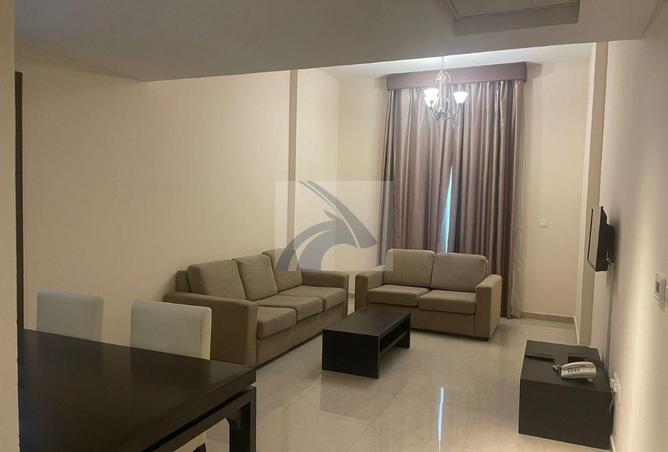
Apartment
Listed 1 week ago
72,000 AED/year
2 BED WITH BALCONY-12 CHQS-AMC INC-CHILLER FREE
Hanover Square, District 10, Jumeirah Village Circle, Dubai
2
2
968 sqft
-
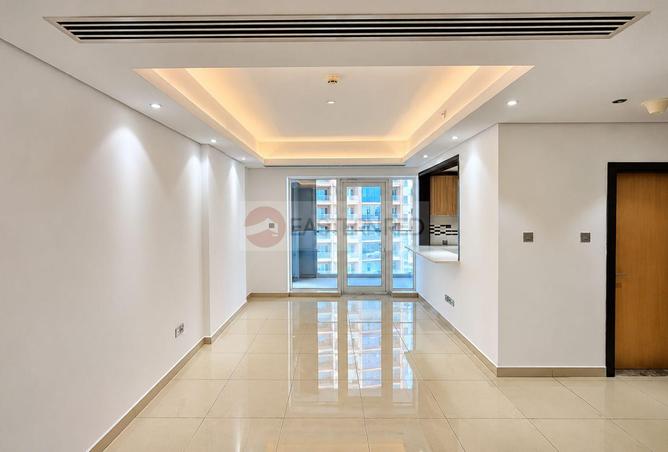
Apartment
Listed 5 days ago
56,000 AED/year
Higher Floor - Spacious Layout - Flexible Payment!
Continents Tower, District 13, Jumeirah Village Circle, Dubai
1
2
889 sqft
-
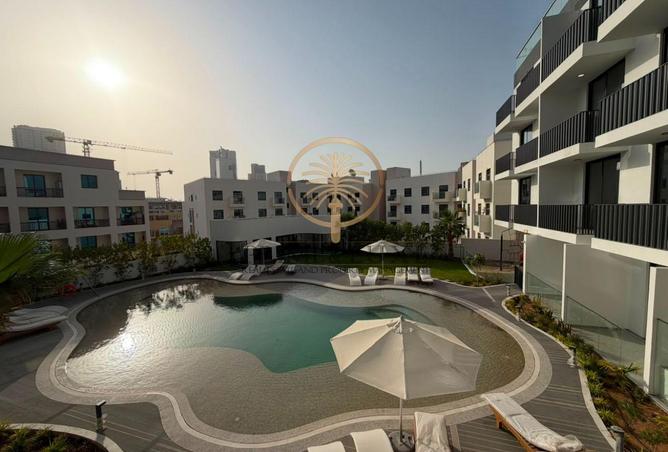
Apartment
Listed 3 days ago
80,000 AED/year
Scenic Pool View | Premium 1 Bed | Best Amenities
Beverly Residences 2, District 15, Jumeirah Village Circle, Dubai
1
2
692 sqft
-
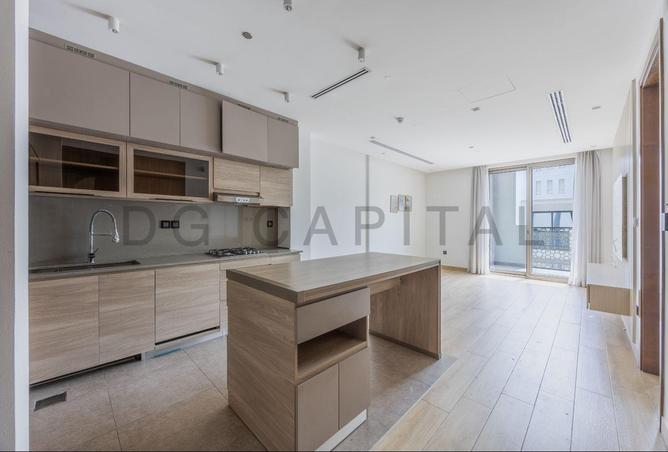
Apartment
Listed 5 days ago
71,000 AED/year
No Comms | Villa View | Luxury 1 BR
The Haven Residences, District 10, Jumeirah Village Circle, Dubai
1
2
795 sqft
-
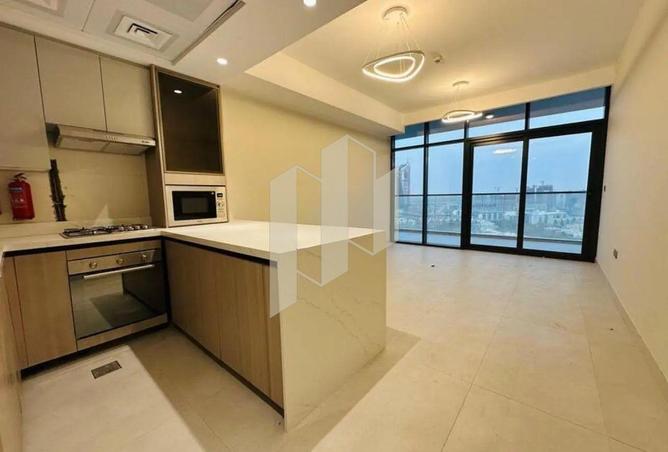
Apartment
Listed 3 days ago
55,000 AED/year
Great Deal! | Luxury Studio |Prime Location
Herad Tower, District 18, Jumeirah Village Circle, Dubai
studio
1
554 sqft
-
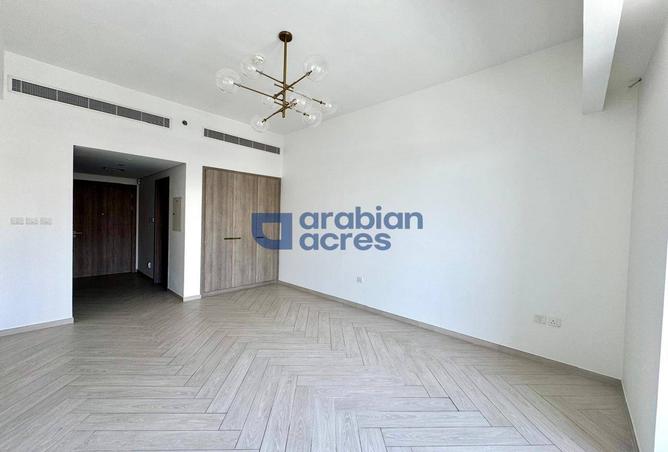
Apartment
Listed 3 weeks ago
50,000 AED/year
Ready to Move In | Spacious Studio | Premium
Oxford 212, District 10, Jumeirah Village Circle, Dubai
studio
1
390 sqft
-
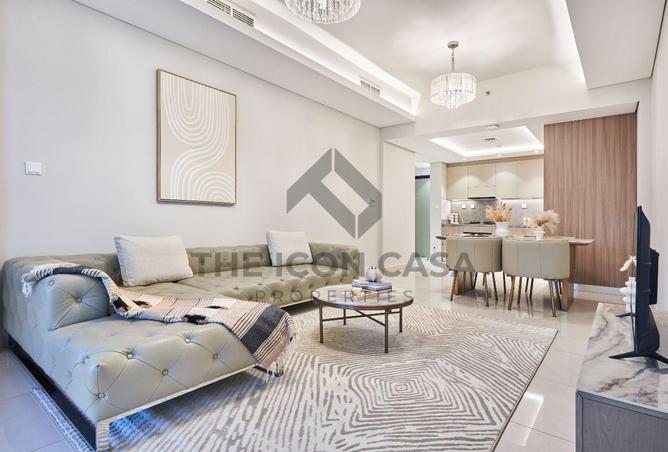
Apartment
Listed 10 hours ago
110,000 AED/year
Spacious 2 BHK | Newly Renovated | Free WIFI
The Icon Casa, District 11, Jumeirah Village Circle, Dubai
2
2
1,381 sqft
-

Apartment
Listed 10 hours ago
75,000 AED/year
Renovated 1 BHK+Store | Flexible Payment|Free WIFI
The Icon Casa, District 11, Jumeirah Village Circle, Dubai
1
2
891 sqft
-
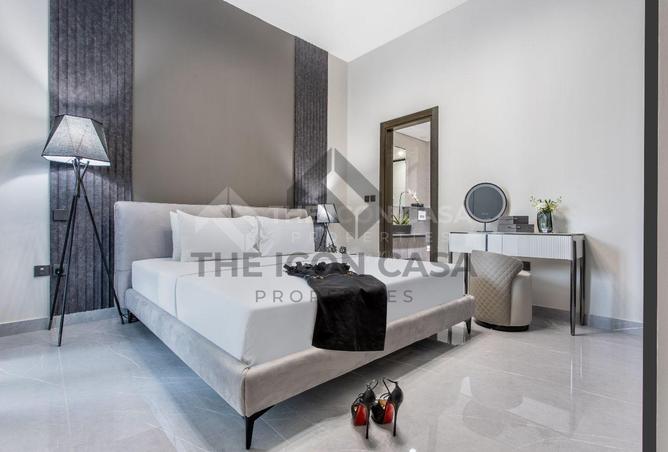
Apartment
Listed 2 days ago
87,000 AED/year
Premium 1 BHK + Maid | Pool View | Closed Kitchen
The Icon Casa 3, District 12, Jumeirah Village Circle, Dubai
1
2
990 sqft





Key takeaways
- Rush Hour in Dubai peaks from 7:30 AM to 9:30 AM in the morning and 5:30 PM to 8:30 PM in the evening; evenings are consistently more congested than mornings due to the overlap of office departures, school pickups, and leisure traffic.
- Communities such as JVC, Sports City, and Mirdif experience some of the most difficult peak-hour commutes in Dubai due to limited Metro access and high car dependency, with exit queues adding 20 to 30 minutes before drivers reach a main road.
- Dubai Metro rush hour offers consistent journey times unaffected by road conditions; the Gold Class carriage provides more comfort during the busiest periods, and Park and Ride facilities allow drivers to switch to the Metro from several key stations.
- Shifting your departure time by 30 to 45 minutes, or working from home on your longest commute days, is the most effective and immediately available way to reduce peak-hour exposure.
FAQs
Morning Rush Hour in Dubai runs from approximately 7:30 AM to 9:30 AM, with the heaviest congestion between 8:00 AM and 9:00 AM. Evening rush hour typically runs from 5:00 PM to 8:30 PM, with the worst congestion between 5:30 PM and 7:30 PM.
Evening rush hour is generally worse than the morning. The combination of office departures, school pickups, and leisure traffic creates heavier, less predictable congestion on the drive home than on the drive in.
Yes. Dubai Metro Rush Hour, particularly on the Red Line between 7:30 AM and 9:00 AM and again between 5:30 PM and 7:30 PM, sees very high passenger volumes. Upgrading to the Gold Class carriage offers considerably more space for a small additional fare.
JVC, Sports City, Mirdif, Dubai Silicon Oasis, and International City are among the communities most affected by peak-hour congestion. Sheikh Zayed Road and Al Khail Road are the busiest arterial routes during both the morning and evening rush.
JVC residents can reduce commute times by leaving before 7:00 AM or after 9:30 AM, using RTA feeder buses to reach Mall of the Emirates Metro station on the Red Line, or working from home on the heaviest commute days. In the evening, returning via Al Khail Road from the north is often faster than the approach from Sheikh Zayed Road.


