


A tenancy contract is the foundation of renting property in Dubai. It defines the relationship between landlord and tenant, sets rental terms, and protects the rights of both parties under Dubai’s regulatory framework. Understanding how the tenancy contract works helps avoid disputes and ensures compliance with local laws. Familiarity with communities in Dubai is also important when considering neighbourhood options and selecting a suitable area that aligns with your rental preferences and lifestyle requirements, such as choosing to live in Mirdif or finding properties in Al Garhoud.
This 2026 guide explains the legal framework, documentation requirements, registration process, and tenant rights so you can approach leasing in Dubai with confidence.
- Legal Framework & Governing Laws
- Key Terms & Contract Elements
- Documentation Required
- Process to Create & Register a Tenancy Contract
- Rights & Obligations of Tenant and Landlord
- Eviction and Dispute Resolution
- Common Pitfalls & Useful Tips
- Key Takeaways
- FAQs
Legal Framework & Governing Laws

Dubai’s rental market operates under a structured legal system designed to protect both landlords and tenants.
Primary Legislation
- Law No. 26 of 2007 (as amended by Law No. 33 of 2008): Defines rights and obligations related to the tenancy contract, renewals, and eviction procedures.
- Decree No. 43 of 2013: Regulates rent increases using the RERA Rental Index.
- Decree No. 26 of 2013: Establishes the Rental Disputes Settlement Centre (RDC) for resolving conflicts.
- Federal property and civil laws also influence certain aspects of leasing and contract enforcement.
These regulations ensure transparency and provide legal remedies in the event of disputes.
Regulatory Authorities
- Dubai Land Department (DLD): Oversees property transactions and unified tenancy contract templates.
- Real Estate Regulatory Agency (RERA): Manages Ejari registration and rental compliance.
- Rental Disputes Settlement Centre (RDC): Handles cases involving rent, deposits, and breaches of contract.
Key Terms & Contract Elements
A valid tenancy contract must include specific clauses to be legally enforceable.
Explore the Available Properties for Rent in Dubai
-
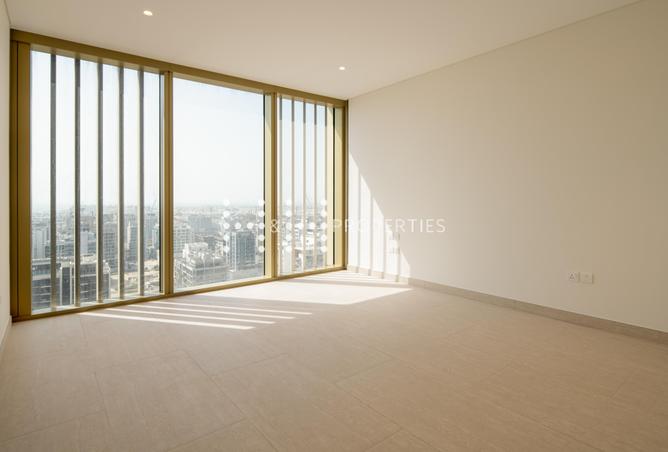
Apartment
Listed 2 months ago
170,000 AED/year
Exclusive Offer - 2 Months Rent Free | Sea View
City Tower 1, City Towers, Sheikh Zayed Road, Dubai
1
2
1,173 sqft
-


Townhouse
Listed 1 month ago
260,000 AED/year
Next to Tennis Court | Single Row | NE Vastu
Jebel Ali Village Townhouses, Jebel Ali Village, Jebel Ali, Dubai
4
4
2,761 sqft
-


Villa
Listed 1 month ago
650,000 AED/year
Rare Corner C1 | Maid | Private | Huge Plot
Jebel Ali Village Townhouses, Jebel Ali Village, Jebel Ali, Dubai
5
6
7,704 sqft
-

Townhouse
Listed 1 month ago
200,000 AED/year
3BR + Maid | Type 6B2 | Spacious Townhouse
Jebel Ali Village Townhouses, Jebel Ali Village, Jebel Ali, Dubai
3
4
2,589 sqft
-


Apartment
Listed 3 days ago
138,000 AED/year
TURNKEY | DUAL VIEWS | MULTIPLE CHEQUES
Palace Beach Residence Tower 1, Palace Beach Residence, Emaar Beachfront, Dubai Harbour, Dubai
1
1
726 sqft
-


Villa
Listed 17 hours ago
950,000 AED/year
Luxury Villa | Swimming Pool | Smart House
Nad Al Sheba Gardens 1, Nad Al Sheba Gardens, Nad Al Sheba 1, Nad Al Sheba, Dubai
7
7+
11,087 sqft
-

Villa
Listed 3 days ago
1,000,000 AED/year
EXCLUSIVE Villa | Swimming Pool | Garden
Nad Al Sheba 2, Nad Al Sheba, Dubai
5
7
15,617 sqft
-


Villa
Listed 2 weeks ago
790,000 AED/year
Upgraded | Large Plot | Landscape Views | Ready
Entertainment Foyer, Mediterranean Clusters, Jumeirah Islands, Dubai
4
5
10,782 sqft
-


Villa
Listed 3 days ago
1,950,000 AED/year
Marina View | 6BR Beachfront Villa | Vacant
Signature Villas Frond E, Signature Villas, Palm Jumeirah, Dubai
6
6
14,762 sqft
-

Villa
Listed 2 weeks ago
535,000 AED/year
Ready January | Unfurnished | Private Villa
Entertainment Foyer, Mediterranean Clusters, Jumeirah Islands, Dubai
4
5
10,642 sqft
Mandatory Contract Clauses
- Identification of landlord and tenant
- Property details (address and unit specifications)
- Lease term and duration
- Rent amount and payment schedule
- Security deposit terms
- Renewal and termination conditions
- Maintenance responsibilities
Clear documentation reduces ambiguity and supports dispute resolution if issues occur.
Security Deposits

Security deposits typically amount to 5% of annual rent for unfurnished properties and 10% for furnished units. The deposit is refundable upon lease termination, provided the property is returned in good condition.
Documenting the property’s condition during move-in and following the property handover checklist simplifies the return process.
Documentation Required
Both parties must provide identification and property documents before signing the tenancy contract.
Tenant Documents
- Passport and Emirates ID
- Residence visa (if applicable)
- Salary certificate or proof of income
- Post-dated cheques or payment documentation
Landlord Documents
- Title Deed
- Passport and Emirates ID
- Power of Attorney (if represented by an agent)
Documentation ensures the legitimacy of the transaction and compliance with Dubai’s rental regulations.
Process to Create & Register a Tenancy Contract
A valid tenancy contract must be registered through Ejari, Dubai’s official rental registration system.
Negotiation and Signing
- Agree on rent, payment schedule, and lease duration
- Use the unified DLD tenancy contract template
- Include addenda for special conditions if required
- Both parties sign the agreement
Negotiating payment structures (such as fewer cheques) may influence rent terms.
Ejari Registration

Ejari registration formalises the tenancy contract and is required for utility activation and legal compliance.
- Register via the Dubai REST App or authorised centres
- Submit the signed contract and identification documents
- Pay the registration fee
- Receive the Ejari certificate
The certificate is essential for activating utilities and resolving disputes.
Move-In and Utilities
Conduct a move-in inspection and document existing conditions with photographs. Activate utilities through DEWA using the Ejari certificate and tenancy contract details.
Rights & Obligations of Tenant and Landlord

Both parties have defined rights and responsibilities under the Dubai rental law.
Tenant Rights
- Right to a registered and enforceable tenancy contract
- Protection from unlawful eviction
- Right to lease renewal under agreed terms
- Access to functional utilities and services
- Ability to resolve disputes through RDC
Landlord Rights
- Receipt of rent and security deposit
- Legal eviction under valid conditions
- Maintenance of property standards
- Protection against unauthorised subletting
A balanced framework supports stability in Dubai’s rental market.
Eviction and Dispute Resolution

Eviction must follow legal procedures and notice requirements.
Valid Eviction Scenarios
- Non-payment of rent (30-day notice required)
- Personal use of the property (12-month notice)
- Sale of the property (with proper documentation)
Unlawful eviction practices are not permitted under Dubai law.
Rental Disputes Settlement Centre
The RDC resolves disputes related to deposits, rent, and breaches of contract. Documentation such as the tenancy contract, Ejari certificate, and inspection records strengthens case submissions.
Common Pitfalls & Useful Tips
- Always verify the landlord’s title deed
- Document property condition at move-in and move-out
- Register the tenancy contract via Ejari
- Understand notice periods for renewal and termination
- Review the addenda and special clauses carefully
Planning and documentation reduce the risk of disputes and financial loss.
Key Takeaways
- A valid tenancy contract and Ejari registration are mandatory in Dubai.
- Dubai’s rental laws protect both landlords and tenants.
- Documentation and inspections support deposit refunds and help prevent disputes.
- Eviction must follow legal procedures and notice periods.
- Understanding rights and obligations ensures a smooth rental experience.
FAQs
A tenancy contract is a legally binding agreement between a landlord and a tenant that defines the rental terms and responsibilities.
Yes, all rental agreements must be registered through Ejari for legal recognition and utility activation.
Rent increases must comply with the RERA Rental Index and require proper notice.
The tenancy contract typically renews under similar terms unless a renewal or termination notice is issued.
Deposits are usually refunded within 30 days of move-out, subject to the property’s condition and any outstanding payments.