


The Dubai-Sharjah border is one of the most lucrative residential zones for people who wish to enjoy the best of two worlds, similar to comparing the cost of living in Singapore vs Dubai.
Dubai has a modern city life and abundant business opportunities. Its infrastructure is world-class. Sharjah, on the other hand, offers a more affordable living. It is a quieter place with family-focused communities.
The border area thus becomes a prime location for expats, families, and working professionals. This guide will discuss the lifestyle, housing, costs, pros, cons, and investment potential at the Dubai-Sharjah border.
- Overview of the Dubai-Sharjah border lifestyle
- Key residential areas near the Dubai-Sharjah border
- Property options: Renting vs. Buying
- Dubai-Sharjah border cost of living
- Who should consider living on the border?
- Benefits and drawbacks
- Top amenities & lifestyle features
- Things to consider before moving
- Investment potential
- Key takeaways
- Frequently asked questions
- Conclusion
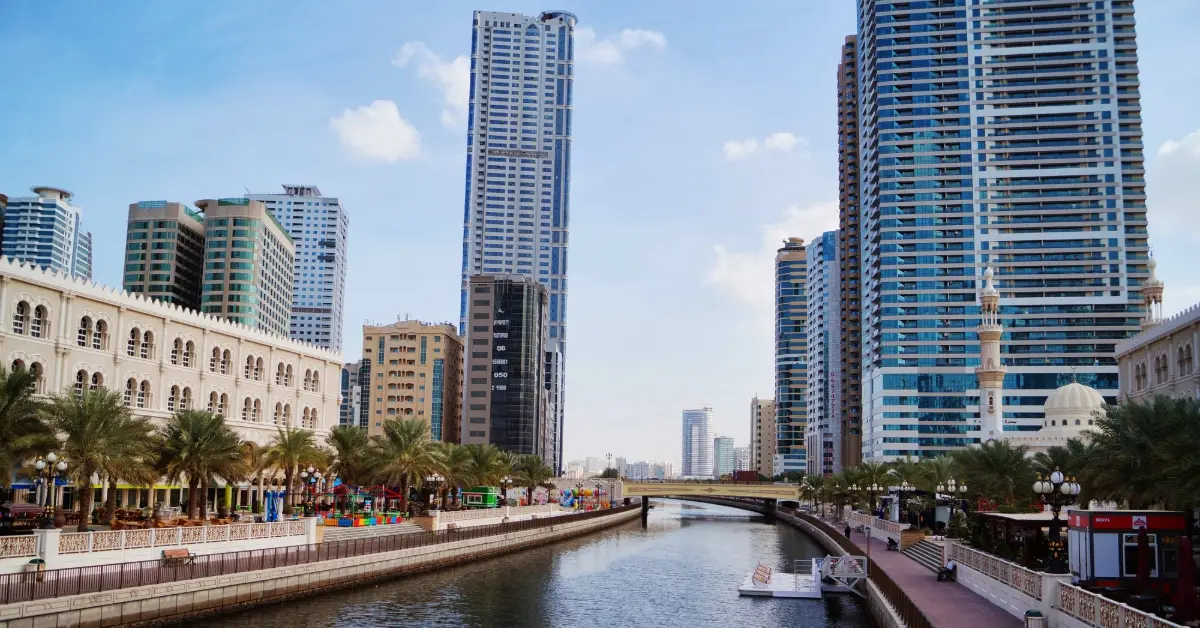
Overview of the Dubai-Sharjah border lifestyle
The lifestyle here is defined by its unique geographical positioning. Residents often feel the thrill of enjoying two cities at once.
- A blended way of life: Staying at the border essentially means you get to enjoy the best of both worlds. Dubai’s nightlife and corporate centres are just minutes away. Sharjah balances that vibe with a calmer, family-friendly culture
- Less expensive: Rent is far less when compared to Downtown Dubai. This helps families acquire larger homes without spending excessively.
- Commuting advantage: People live on one side and work on the other. Speedy access to highways makes the commute seamless.
- Shared lifestyle facilities: Malls, parks, and recreation zones serve families in both cities.
Living near the border is different for every household. Some residents spend their mornings in offices in Dubai. They then return to Sharjah’s calmer neighbourhoods at night. On the other hand, some live and work in Sharjah. So, they head to Dubai on weekends for the thrill and entertainment. This flexibility makes living in this area lucrative.
Key residential areas near the Dubai-Sharjah border
Some neighbourhoods are relatively more popular. However, each holds its own charm and attracts different types of residents.
- Sahara Centre Vicinity: It is located near the shared access point. Families love this place because of its convenience. The mall is almost at your doorstep. The quick access to both cities further adds to the convenience.
- Al Nahda: Al Nahda spreads across both the Dubai and Sharjah sides. If you are a young professional, you will love the Al Nahda area for its low rental value. Families, too, like this region. It offers the perfect balance between rental rates and accessibility to schools.
- Al Mamzar: This neighbourhood is hugely attractive for families who want beaches and parks nearby. It offers leisure areas and jogging tracks. You will also find several picnic zones here. The lifestyle will appeal to you and your family if you enjoy outdoor activities.
- Al Qasba: This area characteristically brings together two ends of a spectrum. Theatre and gallery shows on one hand and family events on the other. That is Al Qasba for you. It is ideal for you if you seek both entertainment and community living. Your children will love the canal areas, rides, and the playground.
Each neighbourhood offers a distinct experience for its residents. Singles tend to favour Al Nahda’s apartments. Families with children may consider Al Mamzer or Al Qasba.
Property options: Renting vs. buying

Depending on the rental period and buyers, property markets in the Dubai-Sharjah border cater to both short-term renters and long-term buyers.
Renting
Renting is the top preference for many.
- Prices are way more affordable than in central Dubai.
- You can find different property types – studios, villas, and more.
- The professionals value flexibility, which means less financial commitment.
Example:
If you are a single person, consider renting a studio in Al Nahda. From a financial point of view, it would ensure more cost savings.
Likewise, if you have a family of four, consider renting a three-bedroom apartment in Sharjah. It will come at the same price as a one-bedroom in Dubai.
Explore the Available Properties for Rent in Dubai
-
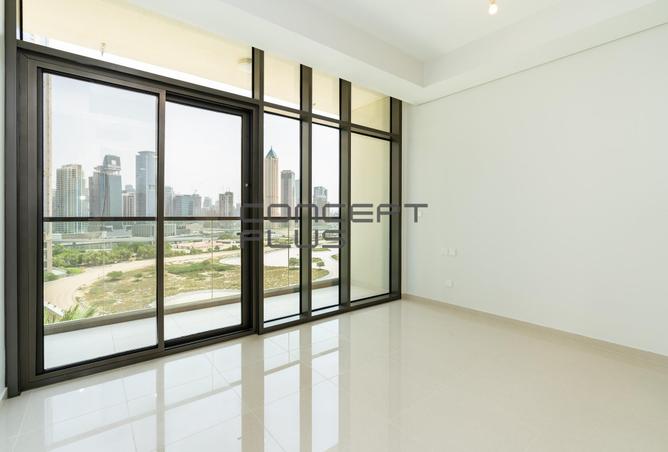

Apartment
Listed 1 week ago
67,000 AED/year
Modern Living | Equipped Kitchen | Spacious
Aykon City Tower C, Aykon City, Business Bay, Dubai
studio
1
426 sqft
-


Apartment
Listed 2 days ago
280,000 AED/year
Lifestyle Amenities| Ideal Location |2-months free
City Tower 1, City Towers, Sheikh Zayed Road, Dubai
3
5
2,271 sqft
-
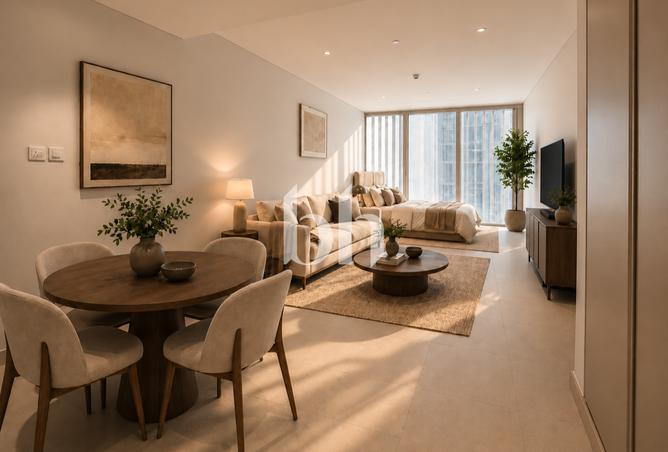

Apartment
Listed 2 days ago
85,000 AED/year
2-months free | Brand new | Metro nearby
City Tower 1, City Towers, Sheikh Zayed Road, Dubai
studio
1
538 sqft
-
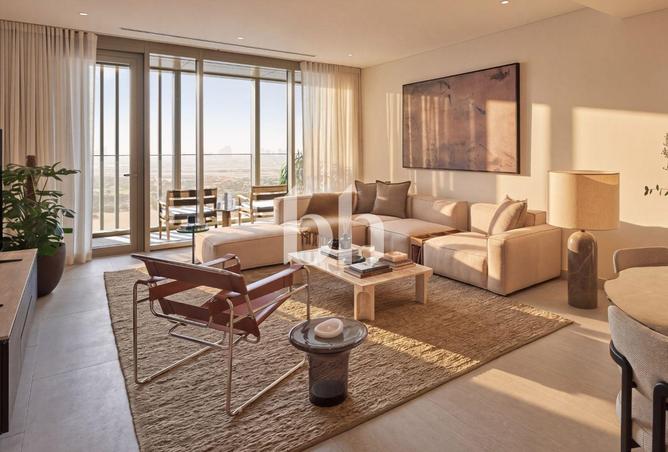
Apartment
Listed 2 days ago
200,000 AED/year
Elegant home | Skyline views | 2-months free
City Tower 1, City Towers, Sheikh Zayed Road, Dubai
2
4
1,701 sqft
-
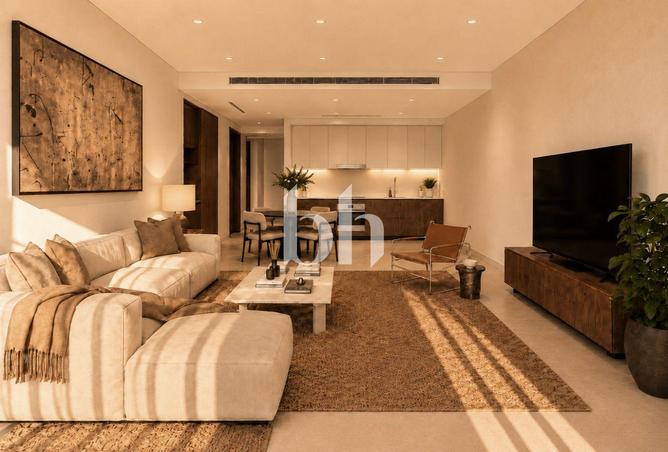
Apartment
Listed 2 days ago
160,000 AED/year
2-Months free | Metro access | Ready to move in
City Tower 1, City Towers, Sheikh Zayed Road, Dubai
1
2
861 sqft
-
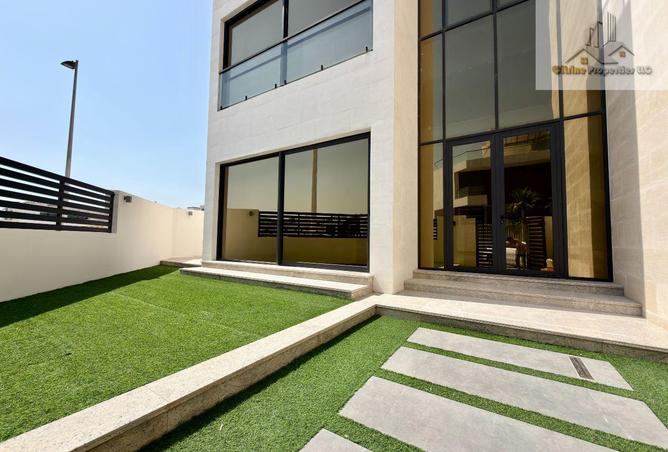

Villa
Listed 14 hours ago
450,000 AED/year
Luxurious | Brand New Villa | Swimming Pool
Nad Al Sheba Gardens 1, Nad Al Sheba Gardens, Nad Al Sheba 1, Nad Al Sheba, Dubai
6
7+
5,003 sqft
-
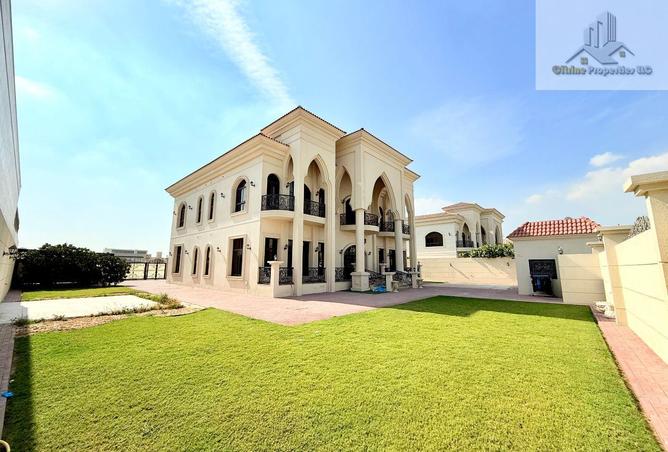
Villa
Listed 14 hours ago
800,000 AED/year
Exclusive Villa | Huge Garden | Covered Parking
Nad Al Sheba 4, Nad Al Sheba, Dubai
5
7
17,222 sqft
-
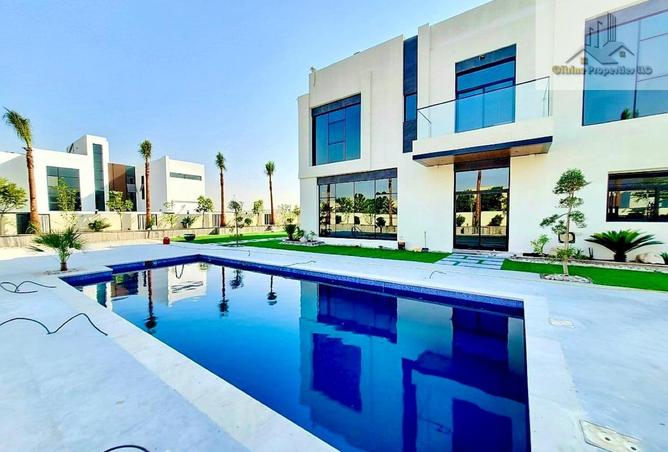
Villa
Listed 14 hours ago
649,000 AED/year
Fabulous Villa | Garden Area | Swimming Pool
Nad Al Sheba Villas, Nad Al Sheba 3, Nad Al Sheba, Dubai
5
7
9,817 sqft
-
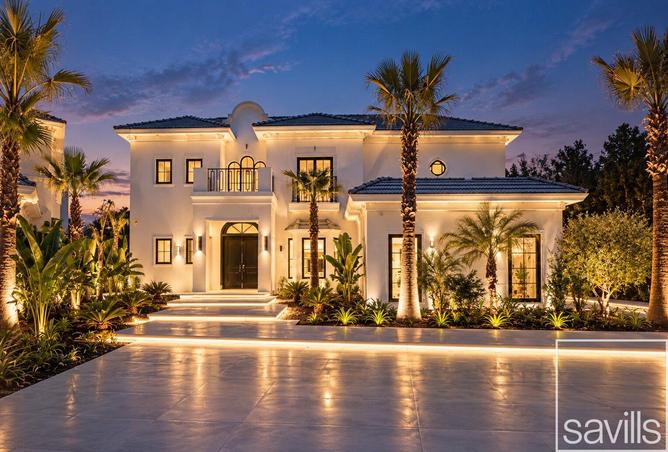

Villa
Listed 4 days ago
1,500,000 AED/year
Main Lake | Renovated Villa | Unfurnished
Entertainment Foyer, Mediterranean Clusters, Jumeirah Islands, Dubai
4
5
11,040 sqft
-
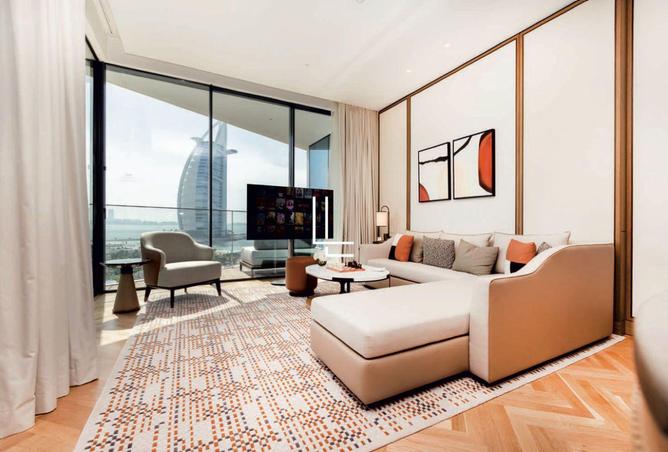

Apartment
Listed 23 hours ago
2,500,000 AED/year
Exceptional Burj Al Arab and Sea View
Jumeirah Living Marsa Al Arab, Marsa Al Arab, Jumeirah 3, Jumeirah, Dubai
2
3
2,121 sqft
Buying
Buying is a good option for those planning for the future:
- The properties gradually gain value because of the high demand.
- The properties near the business centres in Dubai see exponential growth.
- Educated couples with children who seek long-term stability often find ownership a more practical choice than continually renewing leases.
Example:
An expat professional might consider buying a mid-sized apartment near the Sahara Centre. It can help reduce rental costs and help them build equity.
Families wanting to stay in the region for years to come can invest in villas near Al Mamzar. This neighbourhood has spacious options and assures good long-term value.
Explore the Available Properties for Sale in Dubai
-
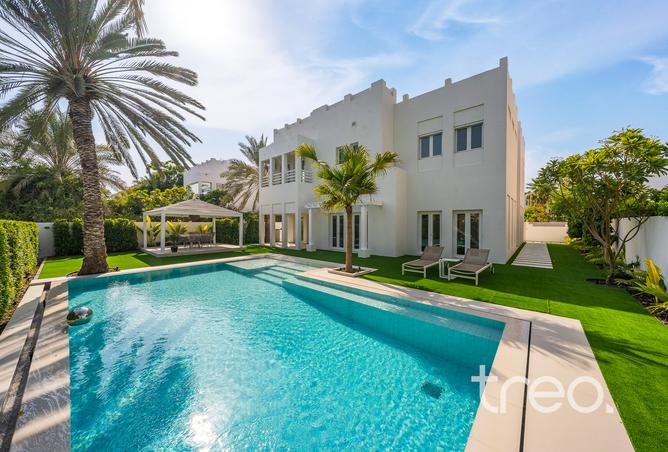

Villa
Listed 1 month ago
23,500,000 AED
Lake View | Upgraded | Rare Layout
Meadows 7, Meadows, Dubai
4
5
7,187 sqft
-
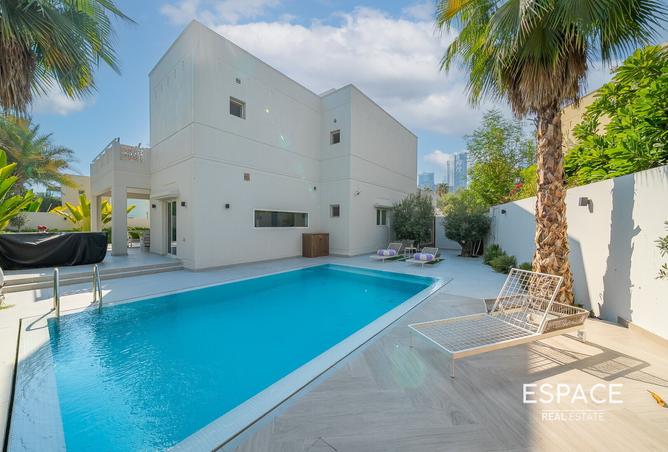

Villa
Listed 1 month ago
12,995,000 AED
OPEN HOUSE | SUNDAY | 27TH SEPTEMBER 2026
Meadows 1, Meadows, Dubai
4
5
5,904 sqft
-
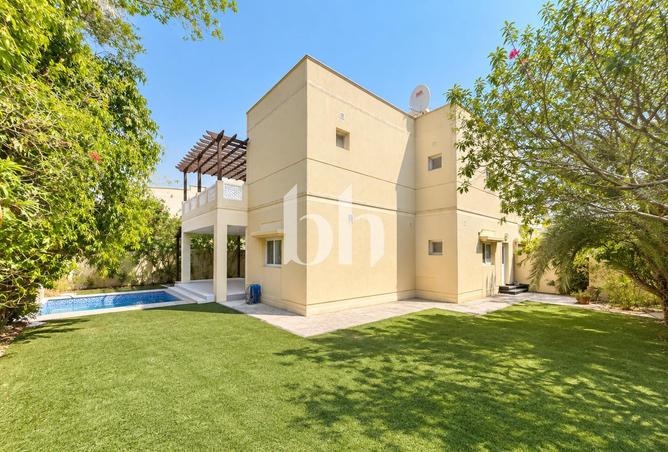

Villa
Listed 2 days ago
9,200,000 AED
Vacant Now | Large Plot | Great Location
Meadows 9, Meadows, Dubai
4
4
6,728 sqft
-
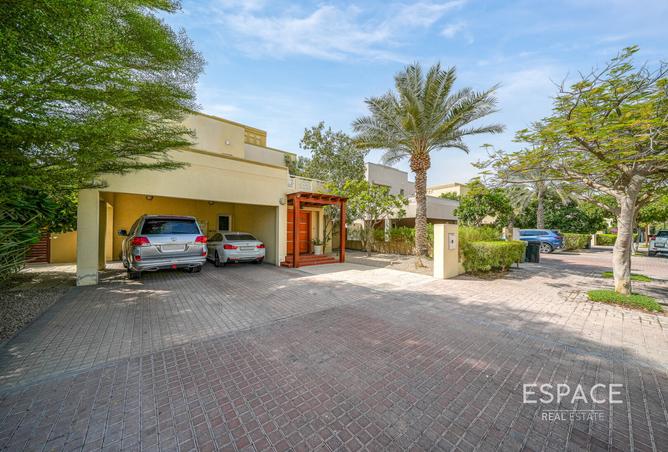

Villa
Listed 2 weeks ago
10,499,000 AED
OPEN HOUSE | SUNDAY | 27TH SEPTEMBER 2026
Meadows 6, Meadows, Dubai
3
4
5,553 sqft
-
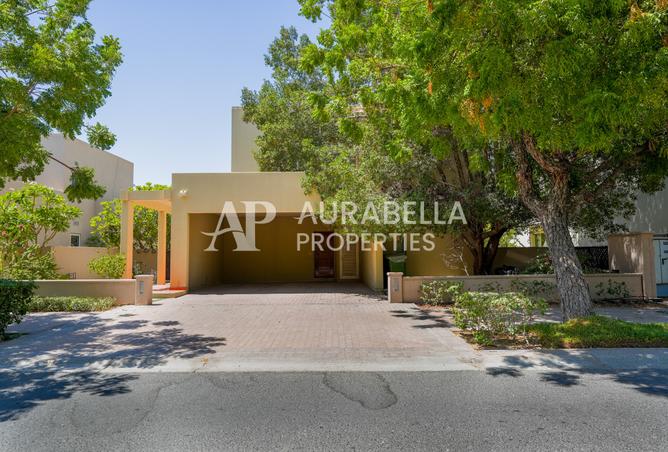

Villa
Listed 2 weeks ago
7,650,000 AED
Exclusive | Type 9 | Renovation Opportunity
Saheel 1, Saheel, Arabian Ranches, Dubai
3
4
5,981 sqft
-


Villa
Listed 2 days ago
11,000,000 AED
Exclusive D1 Villa|Expansive Layout |Luxury Living
Jebel Ali Village Villas, Jebel Ali Village, Jebel Ali, Dubai
5
6
6,942 sqft
-
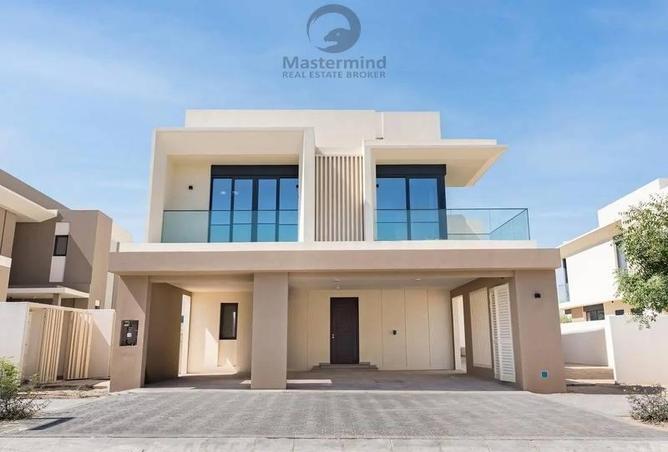
Villa
Listed 2 days ago
11,000,000 AED
Contemporary D1 Villa | Expansive Living Spaces
Jebel Ali Village Villas, Jebel Ali Village, Jebel Ali, Dubai
5
6
6,794 sqft
-
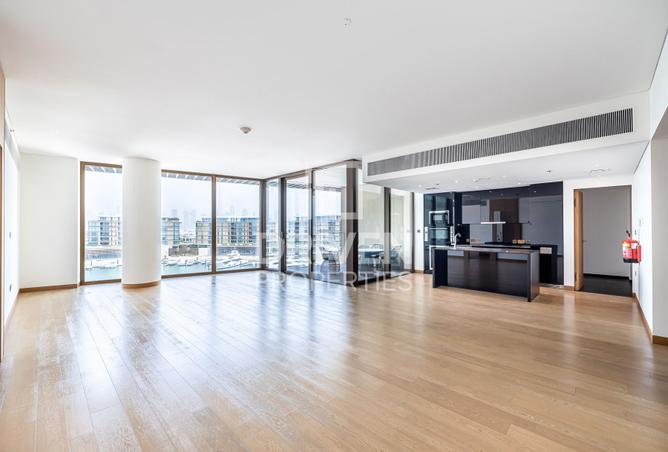

Apartment
Listed 1 week ago
38,000,000 AED
Luxurious | High Floor with Full Marina View
Bulgari Resort & Residences 6, Bulgari Resort & Residences, Jumeirah Bay Island, Jumeirah, Dubai
3
4
2,611 sqft
-
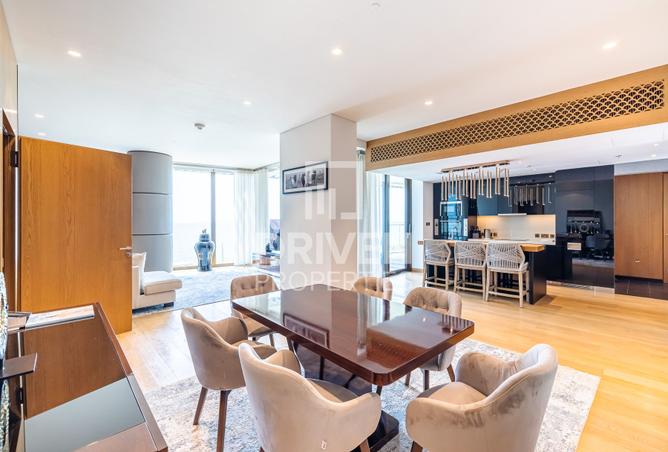
Apartment
Listed 1 week ago
32,000,000 AED
Fully Upgraded with Sea and Skyline View
Bulgari Resort & Residences 6, Bulgari Resort & Residences, Jumeirah Bay Island, Jumeirah, Dubai
3
4
2,630 sqft
-
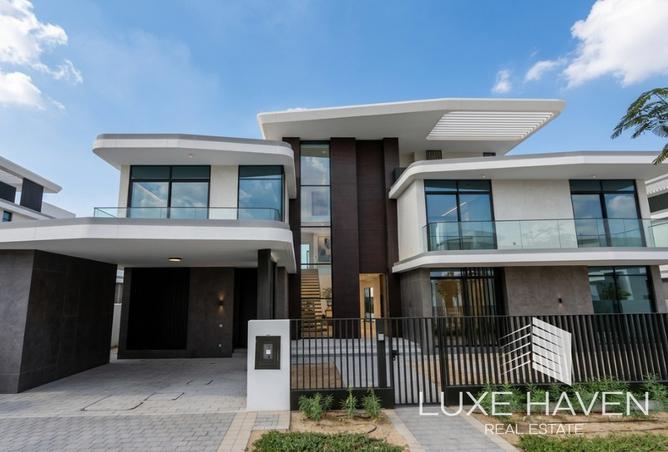

Villa
Listed 4 days ago
51,990,000 AED
Golf Course | 6 Beds | 30% PHPP
Majestic Vistas (Lamborghini Mansions), Dubai Hills Estate, Dubai
6
7
13,343 sqft
To sum up: Renting is for people who seek flexibility. Buying is for those thinking long-term.
Dubai-Sharjah border cost of living
Living costs depend on your lifestyle and the number of members in your family.
Here is a breakdown of average monthly expenses.
| Expense Type | Single Person (AED) | Family of 4 (AED) |
|---|---|---|
| Rent (Suburbs) | 3,500 – 6,500 | 9,000 – 18,000 |
| Utilities & Internet | 500 – 1,200 | 1,500 – 3,000 |
| Transportation | 300 – 800 | 800 – 2,000 |
| Groceries | 1,500 – 3,000 | 3,500 – 7,000 |
| Dining & Entertainment | 1,000 – 3,000 | 3,000 – 8,000 |
| Health Insurance | 500 – 1,500 | 2,000 – 5,000 |
| Total (Approximate) | 10,000 – 25,000 | 30,000 – 70,000 |
More Details:
- Rent: The rents in Sharjah are usually 50% of what you pay in the central regions of Dubai. So, families prefer homes in Sharjah and commute to Dubai for a job.
- Groceries: Shopping for groceries is cheaper in Sharjah.
- Entertainment: Lifestyle habits significantly influence costs. Those who constantly dine out pay more than families who prefer to cook at home. This is discretionary and entirely in your control.
Such a balance helps residents tailor their expenses to their income and preferences.
Who should consider living on the border?
Not everyone will benefit from living near the border. This location will appeal to a specific group.
- Commuters: Border living will appeal to you if you work in Dubai but seek a lower cost of living in Sharjah. Of course, it would mean spending more time on travel, but the savings would offset that inconvenience.
- Families: As a family, you want a neighbourhood with schools and parks nearby. So, living on the border is lucrative as you get more space for less spending.
- Expats: If you are an expat, you can enjoy the economic opportunities of Dubai while enjoying the lower housing costs in Sharjah. Many expats appreciate this kind of blend when starting a new job.
Benefits and drawbacks
The Dubai-Sharjah border offers some benefits, but it also has its challenges.
Benefits
- Affordable housing: The low rents and housing rates make it tempting.
- Access: The border enables the residents to enjoy Dubai’s nightlife and Sharjah’s cultural attractions with ease.
- Great investment: Properties here enjoy a higher demand. This typically results in better capital appreciation.
- Community living: Many communities here promote an inclusive environment for families.
Drawbacks
- Traffic congestion: It is a headache to commute, especially during the peak hours.
- Bureaucratic differences: Dubai and Sharjah have different systems for paperwork. This may result in unfortunate delays.
- Long commute: Crossing the border every day from and to work can be pretty exhausting.
Every location will have its drawbacks. So, if you prioritise affordability and location, the benefits outweigh the cons.
Top amenities & lifestyle features

Border living doesn’t mean compromising on lifestyle. You will find a complete host of amenities available for your convenience.
- Sahara Centre Mall: It is a great place to shop. There are many options for entertainment and dining, too. Residents can visit the mall at weekends.
- Al Mamzar Beach Park: You can enjoy the greenery and the beaches. It is an excellent picnic spot. You can visit with your family to enjoy a calm afternoon away from the chaos.
- Schools: Parents can choose between schools in Dubai or Sharjah, depending on their budget and the syllabus taught.
- Healthcare: Modern hospitals and clinics on either side are easily accessible.
- Cultural attractions: Al Qasba and nearby sites host different concerts, exhibitions, and festivals.
Things to consider before moving
Moving to the Dubai-Sharjah border requires a bit of preparation. Some things you must know are:
- Traffic realities: Peak hours can be challenging. Families with school-going kids must account for the commuting time.
- Visa benefits: Each emirate has its own pros. As an expat, you should verify which works better for you.
- Education and healthcare: Compare the fees, facilities, and the location before enrolling your kids or seeking treatment.
- Legal matters: Property rights, taxation, and residency are different in Dubai and Sharjah.
Reviewing these factors will ensure fewer surprises along the journey.
Investment potential
The Dubai-Sharjah border has become one of the more lucrative areas for property investment.
- High rental demand: Professionals and families seek affordable housing options close to Dubai. Thus, there is high demand. This ensures reasonable occupancy rates.
- Expat attraction: Given the location advantages and high affordability, many expats choose to live near the border.
- Value potential: The area is near the business hubs. So, the property value rises. Investors will benefit from both capital appreciation and high rental yields.
Investors often emphasise the long-term security in the region. There is rarely a plunge in demand because expats typically prefer the border areas for their accessibility and affordability.
Key takeaways
Affordable rents and low cost of living make the border attractive for many. You can easily access the job market in Dubai and enjoy a calm lifestyle in Sharjah. The Dubai-Sharjah border is an attraction for investors and expats. Commuters and families will also love the many perks this region offers.
One of the challenges is encountering heavy traffic almost daily, especially during the peak hours. Navigating the two administrative systems can also be a concern. However, the benefits outweigh the cons. For those looking at investment opportunities, this area remains robust due to high demand.
Frequently asked questions
Yes. Rents and living costs are low, especially in Sharjah.
– Al Nahda
– Sahara Centre Vicinity
– Al Mamzar
Yes. Schools, parks, and family-oriented facilities make it very attractive for families.
Not really!
However, heavy traffic and contrasting bureaucracies between the two emirates can be concerning.
Yes. Both Dubai and Sharjah offer easy renting and buying opportunities. However, the rules may differ. So do thorough research before taking the plunge.
Conclusion
The Dubai-Sharjah border offers affordability and accessibility. It presents a lifestyle that combines the strengths of both emirates. The borders allow residents to enjoy lower rents and cultural diversity.
There are a few challenges, such as heavy traffic and bureaucratic differences, which may test your patience. However, the benefits far outweigh these minor inconveniences. Whether you are single, have a family, are an expat, or an investor, the border remains a smart choice.