



Dubai continues to attract professionals and families from around the world, but rising rents, utilities, and lifestyle costs make smart budgeting essential. Understanding how to save money in Dubai in 2026 is less about cutting corners and more about making informed, localised choices that suit both expats and long-term residents.
In this guide, discover:
- Housing and rent
- Transportation
- Utilities and everyday bills
- Groceries and food
- Lifestyle and leisure
- Financial management
- Healthcare, education, and other big costs
- Key takeaways
- FAQs

Housing and rent
Housing is typically the single largest expense in Dubai, which makes it the most impactful area to optimise. Choosing the right location, lease structure, and property type plays a key role in how to save money in Dubai, helping reduce monthly costs without compromising on comfort.
Choose affordable neighbourhoods
Areas such as Al Nahda, Deira, Jumeirah Village Circle (JVC), Al Barsha South, and International City consistently offer lower average rents while still providing access to supermarkets, schools, and public transport.
Understanding Dubai rental price trends by area helps residents compare costs realistically before committing to a lease.
Explore the Available Apartments for Rent in Dubai
-


Apartment
Listed 2 weeks ago
330,000 AED/year
EXCLUSIVE | AVAILABLE NOW | MULTIPLE CHEQUES
Beach Mansion Tower 1, Beach Mansion, Emaar Beachfront, Dubai Harbour, Dubai
3
4
2,014 sqft
-

Apartment
Listed 2 months ago
375,000 AED/year
Elegant Furnished 1BR | Luxury Living
One Za'abeel The Residences, Zabeel 1, Zabeel, Dubai
1
1
856 sqft
-
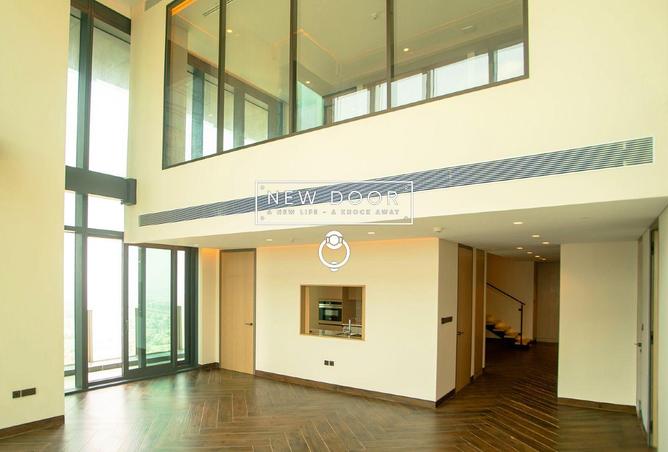
Apartment
Listed 2 months ago
875,000 AED/year
Exclusive 2BR Duplex | Luxury Living | One Zaabeel
One Za'abeel The Residences, Zabeel 1, Zabeel, Dubai
2
2
2,572 sqft
-

Apartment
Listed 2 months ago
730,000 AED/year
Luxury 2BR Duplex | Dubai Frame View
One Za'abeel The Residences, Zabeel 1, Zabeel, Dubai
2
2
2,392 sqft
-

Apartment
Listed 2 months ago
315,000 AED/year
Luxurious Semi-furnished 1BR | Spacious Simplex
One Za'abeel The Residences, Zabeel 1, Zabeel, Dubai
1
2
1,184 sqft
-

Apartment
Listed 10 hours ago
800,000 AED/year
Sophisticated 3BR Residence | Prime Dubai Location
One Za'abeel The Residences, Zabeel 1, Zabeel, Dubai
3
3
3,877 sqft
-

Apartment
Listed 13 hours ago
90,000 AED/year
Pool Views 2 BR | Well Maintained | Prime Location
Hayat Boulevard 1A, Hayat Boulevard 1, Hayat Boulevard, Town Square, Dubai
2
2
934 sqft
-

Apartment
Listed 11 hours ago
750,000 AED/year
Spacious 2BR + Maid | One Za’abeel | DIFC Access
One Za'abeel The Residences, Zabeel 1, Zabeel, Dubai
2
3
2,469 sqft
-

Apartment
Listed 7 hours ago
185,000 AED/year
Full Golf Course Views | Relaxing Home | Al Badia
Al Badia Living Building B, Al Badia Living, Dubai Festival City, Dubai
2
4
1,574 sqft
-
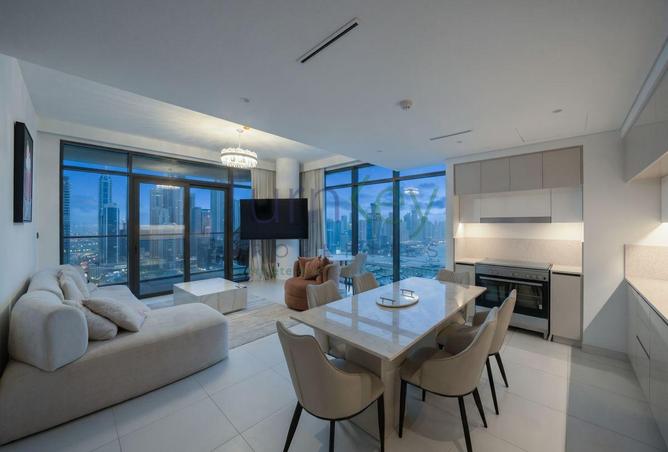
Apartment
Listed 7 days ago
320,000 AED/year
Luxury furnished 3 BR + Maid Ap with Skyline view
Marina Vista Tower 2, Marina Vista, Emaar Beachfront, Dubai Harbour, Dubai
3
3
1,755 sqft






Negotiate rent and payment terms
Many landlords still prefer fewer cheques per year. Agreeing to one or two payments instead of four or six often opens the door to negotiation.
Watch for extra fees
Chiller charges, parking, maintenance clauses, and service fees can quietly increase monthly outgoings. Reading the contract carefully and factoring in true living costs across the UAE prevents unexpected financial strain later.
Transportation
Transport costs in Dubai vary widely depending on lifestyle choices. While car ownership offers convenience, public transport remains one of the most reliable ways to save money in Dubai.
Use public transport and an NOL card
Dubai Metro, buses, trams, and water transport are well integrated. Monthly and zone-based NOL passes significantly reduce per-trip costs compared to daily ticket purchases, making them ideal for regular commuters.
Live close to work or school
Choosing housing near offices, schools, or metro stations reduces both transport costs and commute fatigue. When evaluating locations, combining commute distance with budget-friendly living patterns in Dubai often leads to better long-term savings.
Carpool, ride-share, or avoid tolls
Salik tolls add up quickly for daily drivers. Carpooling with colleagues or selecting alternative routes can noticeably lower monthly expenses.
Consider buying used or renting long-term

For residents staying multiple years, a used car may be more economical than frequent rentals. However, factoring in insurance, servicing, and fuel remains essential.
Utilities and everyday bills
Utilities form a predictable but controllable expense category, especially during peak summer months.
- Switch to energy-efficient appliances and LED lighting: Energy-efficient appliances consume less power and reduce DEWA bills over time, particularly in homes with heavy air-conditioning use.
- Use off-peak hours for heavy electricity use: Running washing machines or dishwashers late at night helps manage consumption during peak demand periods.
- Control thermostat and cooling costs: Setting AC units to around 24 degrees Celsius, sealing windows properly, and using curtains can significantly reduce electricity consumption without sacrificing comfort.
- Compare mobile and internet plans: Telecom plans change frequently. Reviewing bundles annually ensures residents are not paying for unused data or services.
Groceries and food
Food spending fluctuates widely based on shopping habits and dining preferences, making it one of the easiest areas to optimise.
- Shop at discount supermarkets and local markets: Union Coop, West Zone, Nesto, and Lulu regularly offer promotions on staples, particularly during weekends and festive seasons.
- Buy local produce and in-season items: Imported goods are consistently priced higher. Choosing locally sourced fruits, vegetables, and meat cuts can reduce grocery bills without compromising quality.
- Meal plan and cook at home: Home-cooked meals remain one of the most effective ways on how to save money in Dubai. Planning weekly meals reduces impulse purchases and food waste.
- Find budget-friendly eateries: Neighbourhoods such as Deira, Karama, and Satwa offer affordable dining options that are popular with long-term residents and workers.
Lifestyle and leisure

Dubai offers plenty of entertainment options that do not require premium spending, especially if you plan activities around deals, seasons, and free public spaces.
Use discount and BOGO apps
Apps such as Entertainer and Smiles offer buy-one-get-one deals on dining, fitness classes, and attractions across Dubai. Regular use can cut leisure and dining costs by a noticeable margin over the year.
Enjoy free or low-cost entertainment
Public beaches, parks, outdoor promenades, and seasonal cultural events are widely accessible and low-cost. Many government-led festivals and community activities are free to attend throughout the year.
Book tickets early or attend off-peak
Early-bird pricing and weekday slots are usually cheaper for concerts, exhibitions, and theme parks. Avoiding peak weekends and school holidays also helps reduce ticket and add-on costs.
Limit luxury spending
High-end dining, staycations, and premium experiences add up quickly if done frequently. Reserving these for special occasions helps maintain a balanced lifestyle without overspending.
Financial management
Strong financial habits help residents stay in control of rising living costs and handle unexpected expenses more comfortably.
Create and track a budget
Tracking monthly expenses using spreadsheets or budgeting apps highlights spending patterns and leaks. This makes it easier to adjust habits before costs spiral.
Build an emergency fund
Saving three to six months of essential expenses provides a safety buffer for job changes or medical needs. This is especially important for expats without long-term social security coverage.
Avoid unnecessary fees and subscriptions
Bank charges, insurance add-ons, and unused subscriptions often go unnoticed. Reviewing them periodically helps eliminate silent, recurring expenses.
Use credit cards with rewards or cashback
UAE credit cards often offer cashback or partner rewards on groceries, fuel, and dining. Paying balances in full ensures rewards translate into real savings, not interest costs.
Healthcare, education, and other big costs

Large periodic expenses require planning rather than last-minute adjustments.
Leverage employer-provided health insurance
Most employers provide mandatory health insurance with varying coverage levels. Understanding what is included helps avoid paying out-of-pocket for covered services.
Choose schools wisely and seek discounts
School fees vary widely by curriculum and location, with Indian and some Asian curricula generally more affordable. Many schools offer sibling discounts or flexible payment schedules.
Budget for visa and renewal fees
Visa renewals, Emirates ID updates, and medical tests recur annually or biennially. Setting aside funds in advance prevents last-minute financial pressure.
Key takeaways
Understanding how to save money in Dubai in 2026 is largely driven by informed housing decisions, as rent typically takes up the biggest share of monthly expenses. Understanding affordable rental areas by salary range helps residents choose locations that match their income, while efficient transport choices, controlled utility usage, and mindful lifestyle spending contribute to steady, long-term savings.
FAQs
JVC, Al Nahda, Deira, International City, and Al Barsha South are widely regarded as balanced options, offering access to amenities while maintaining relatively lower rental prices.
Residents who actively manage AC usage, lighting, and off-peak consumption often reduce electricity bills by 20 to 40 per cent during peak summer months.
Yes. Metro fares start at a low base rate, and monthly passes are significantly cheaper than fuel, insurance, parking, and maintenance costs combined.
Monitoring weekly supermarket promotions, buying in bulk, and prioritising local produce consistently deliver the best value.
Setting aside 10 to 15 per cent of annual expenses, alongside a three to six-month emergency fund, provides adequate financial protection.