



Choosing between Abu Dhabi vs Dubai is one of the most significant decisions for anyone considering a move, investment, or long-term stay in the UAE. While both cities offer world-class amenities, exceptional safety, and strong economic prospects, the lifestyle differences between them are significant.
- Overview of Abu Dhabi vs Dubai
- Cost of living and affordability
- Quality of life and atmosphere
- Culture and leisure
- Business and economic outlook
- Infrastructure and transport
- Nature and sustainability
- Abu Dhabi Airport vs Dubai Airport
- Abu Dhabi Desert Safari vs Dubai Desert Safari
- Best for expats, families, tourists
- Key takeaways
- FAQs
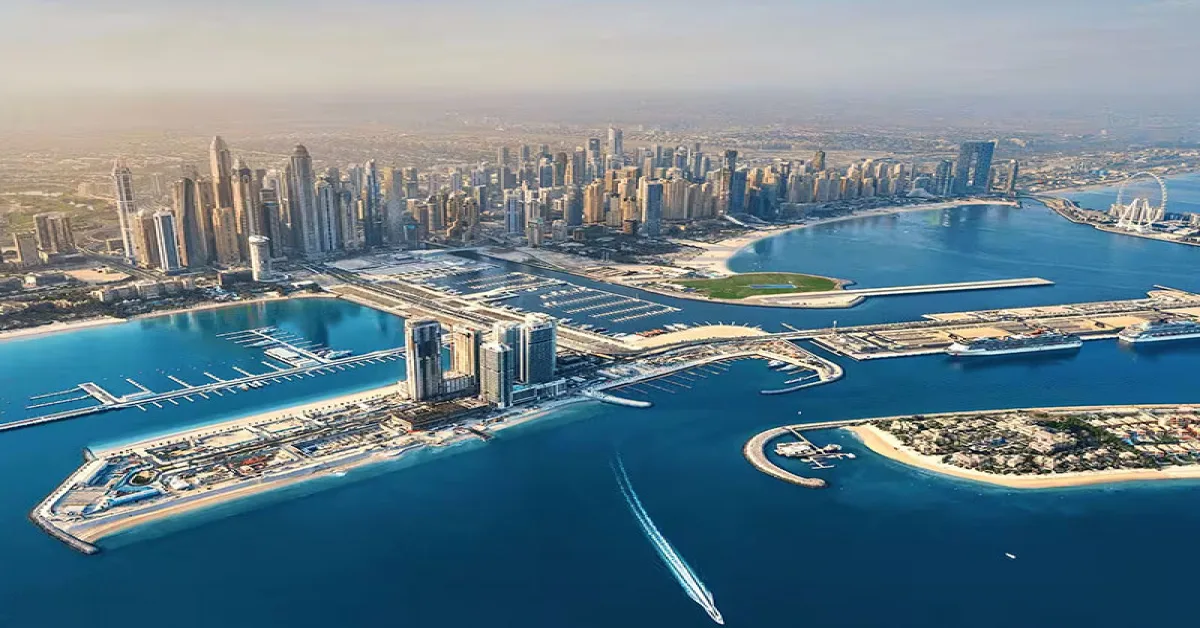
Overview of Abu Dhabi vs Dubai
Abu Dhabi and Dubai represent two contrasting identities within the UAE. Abu Dhabi, the nation’s capital, is renowned for its rich cultural heritage, political significance, and tranquil lifestyle. It offers a measured pace of life alongside strong Emirati traditions, serene beaches, and spacious urban planning.
Dubai, on the other hand, is the regional powerhouse of business, innovation, tourism, and entertainment. It is fast-paced, globally connected, and highly cosmopolitan, attracting professionals who are eager for career progression, entrepreneurship, and exposure to international markets.
Cost of living and affordability
The cost of living is one of the primary distinctions between the two cities, and it often plays the most significant role in relocation decisions.
General cost comparison
Living expenses in Dubai tend to be 10–13% higher than in Abu Dhabi, primarily due to higher rents, dining costs, and everyday services. Dubai’s appeal as a tourism and business hub increases demand across sectors, pushing prices higher.
By contrast, Abu Dhabi generally offers more cost-effective living, particularly for families needing larger accommodation.
These differences can influence long-term affordability, household budgets, and even the lifestyle one can comfortably maintain.
Rent and housing
Housing is where the price gap is most noticeable. Rents in Dubai can be 20–40% higher than choosing an Abu Dhabi apartment for rent for a comparable apartment. A one-bedroom or two-bedroom apartment in Dubai typically ranges from AED 70,000 to AED 150,000 per year, and families upgrading to a 3 bedroom apartment for rent in Dubai should expect to pay a premium accordingly, while villas can cost AED 200,000 to AED 400,000 or more, depending on the area.
Abu Dhabi, meanwhile, offers better value for money and typically provides more space for less. Families often appreciate the quieter, residential-focused neighbourhoods and the broader availability of mid-range and premium properties with generous layouts, making it easier to find the ideal property for rent in Abu Dhabi or actively searching for an apartment for sale in Abu Dhabi.
Expenses breakdown
Everyday expenses follow a similar pattern. Dubai’s lifestyle options are broader, but often come at a premium. Fitness memberships, transport passes, and groceries tend to cost slightly more, though the gap varies by neighbourhood.
| Category | Dubai (AED) | Abu Dhabi (AED) |
| Monthly expenses for a single person (excluding rent) | 3,500–5,000 | ~ 3,000–3,500 |
| Monthly transport pass | 300 | 95 |
| Fitness club membership | 304 | 240 |
Quality of life and atmosphere
Lifestyle is one of the biggest differentiators between the two cities, and personal preference plays a significant role.
Dubai is an energetic, dynamic, and always on-the-go city. It has a high-density, cosmopolitan population and attracts ambitious professionals eager to advance their careers. The city is known for its luxurious malls, vibrant nightlife, iconic skyline, and fast-paced urban lifestyle. Many people enjoy Dubai for its endless entertainment, global networking opportunities, and entrepreneurial environment.
Abu Dhabi offers a calmer, more deliberate pace of life. It’s often described as family-friendly, spacious, and serene, with broader roads, fewer crowds, and easy access to beaches and green spaces. The city places greater emphasis on cultural identity, with attractions such as Louvre Abu Dhabi, the Sheikh Zayed Grand Mosque, and year-round festivals that highlight Emirati heritage.
For individuals and families seeking balance, quiet neighbourhoods, and a lifestyle rooted in culture, Abu Dhabi often feels more aligned with their preferences.
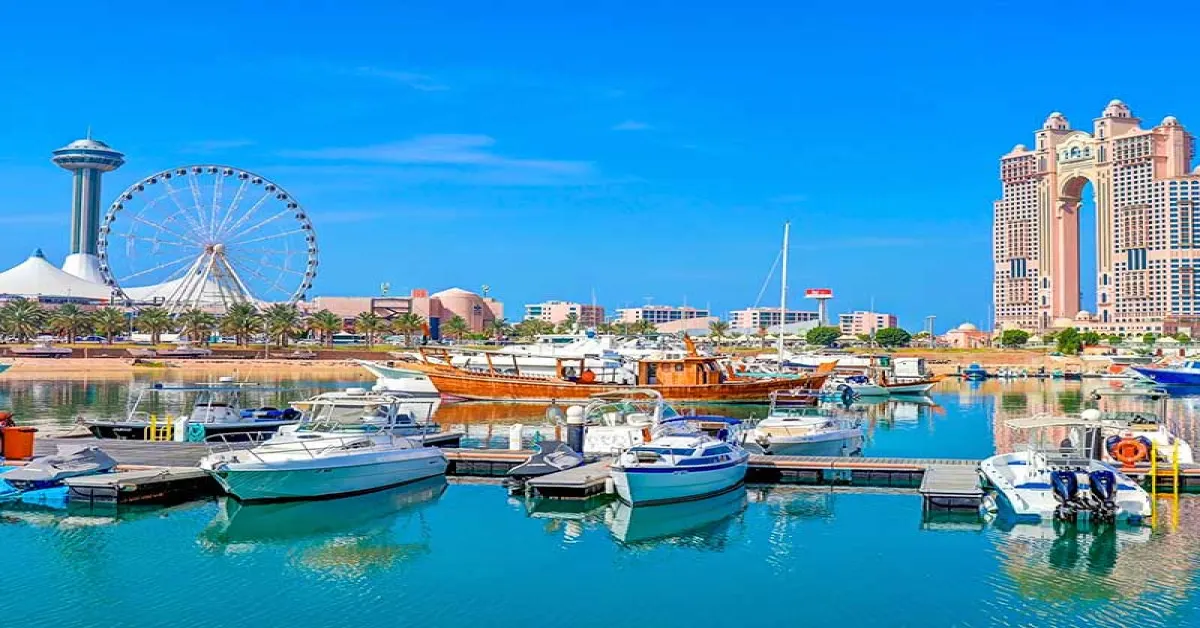
Culture and leisure
Dubai blends international influence with a strong sense of modern luxury. It is home to world-famous resorts, Michelin-star restaurants, mega malls, and entertainment destinations like Dubai Parks and Resorts. Its cultural scene is global, diverse, and rapidly evolving, embracing innovation and international trends.
Abu Dhabi places greater emphasis on authenticity, tradition, and artistry. Visitors and residents enjoy landmarks such as Manarat Al Saadiyat, Qasr Al Hosn, the Cultural Foundation, and emerging neighbourhoods dedicated to creative expression, alongside thrilling world-class entertainment destinations like Yas Island.
There is also a strong sense of tranquillity, with mangrove kayaking, serene beaches, and nature-focused attractions offering a peaceful escape.
Despite their differences, both cities offer exceptional hospitality, architecture, and leisure experiences that cater to a wide range of interests.
Business and economic outlook
Dubai is a global business hub with a diversified economy that spans finance, tourism, real estate, trade, logistics, and technology. It attracts startups, multinationals, freelancers, and entrepreneurs looking for regional expansion.
The city’s dynamic nature yields shorter property payback periods and consistently high sales volumes, making it an attractive investment opportunity for those seeking strong returns.
Abu Dhabi’s economy is founded on long-term stability, supported by substantial oil wealth and substantial investment in sustainable industries, including clean energy, aerospace, and emerging technologies.
The emirate’s real estate market is moderate, stable, and family-oriented, attracting residents who seek predictability rather than rapid market fluctuations. This makes the capital an excellent choice for anyone searching for a house for sale in Abu Dhabi to settle down long-term. If you are considering a long-term investment, finding an Abu Dhabi villa for sale could be an excellent choice to settle in this secure environment.
Notably, Abu Dhabi ranked first and Dubai second among the world’s most tax-friendly cities in 2025, highlighting the UAE’s advantageous fiscal environment.

Infrastructure and transport
Transport and infrastructure shape the convenience of daily living, and the differences between Abu Dhabi and Dubai are apparent.
Dubai offers one of the most advanced public transport networks in the region. The Dubai Metro, trams, RTA buses, taxis, and marine services make commuting easy and efficient. The city also hosts one of the world’s busiest airports, providing global connectivity.
Abu Dhabi focuses on road infrastructure, spacious streets, and quieter commutes. Public transport continues to expand, though it is less extensive compared to Dubai. However, transport costs are significantly lower, making everyday travel more affordable.
Nature and sustainability
Nature and green spaces significantly contribute to long-term happiness, and here, the two cities offer contrasting experiences.
Abu Dhabi excels in nature access and environmental planning. Residents enjoy Mangrove National Park, pristine beaches, protected islands, and large waterfronts. The city incorporates sustainability into its master plans, with a focus on green spaces, conservation, and eco-friendly development.
While Dubai is known for its iconic urban density, despite having parks, beaches, and landscaped neighbourhoods, it is far more development-driven, and green spaces are less abundant. Still, Dubai continues to introduce sustainability initiatives and environmentally conscious projects, but Abu Dhabi remains the greener and more nature-centred option overall.
Abu Dhabi Airport vs Dubai Airport
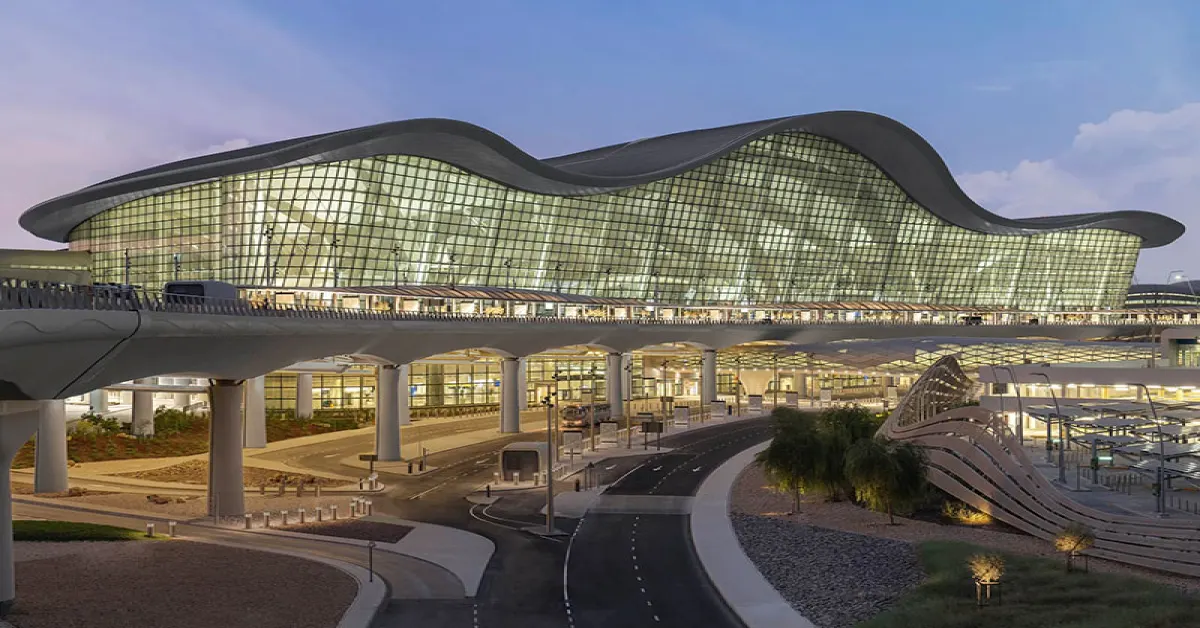
Although they are designed for distinct reasons, the airports in Abu Dhabi and Dubai are both contemporary and efficient. The UAE’s principal airport is Abu Dhabi International Airport.
However, Dubai International Airport serves as a key hub for regional and international carriers, including Emirates airlines
Moreover, the travel experience may be influenced by the size and significance of the airport. Dubai, for example, has a bigger terminal and more airline choices.
Abu Dhabi Desert Safari vs Dubai Desert Safari
Both Abu Dhabi and Dubai offer desert safaris, but the experiences can differ.
Abu Dhabi’s desert safaris tend to be more traditional, with a focus on activities like camel racing, sandy dune driving, and overnight camping.
In contrast, Dubai’s desert safaris often include more modern amenities, such as luxury tents, swimming pools, and spa facilities.

Best for expats, families, tourists
Dubai is ideal for professionals, singles, entrepreneurs, and those seeking luxury. Its global openness, career growth opportunities, networking environment, and entertainment options make it especially attractive for younger expats or those pursuing fast-paced city living.
While Abu Dhabi appeals to families, long-term residents, nature lovers, and individuals seeking peace, stability, and cultural immersion, its affordability, space, and community-like neighbourhoods make it a reliable choice for those prioritising quality of life over constant excitement.
Tourists often choose Dubai for its stunning skyline, vibrant nightlife, extensive shopping, thrilling theme parks, and world-renowned attractions. Abu Dhabi, however, offers a refined cultural experience, serene landscapes, and heritage sites that provide a deeper connection to Emirati traditions.
Key takeaways
Dubai stands out for its energy, luxury, and global exposure. It is a city of opportunity, innovation, and entertainment. However, this comes with higher living costs, particularly in rent and daily expenses. It is ideal for ambitious professionals and those who enjoy vibrant urban living.
Abu Dhabi excels in affordability, cultural richness, space, and tranquillity. Families and long-term expats appreciate its calmer pace and more generous housing options. The city prioritises tradition, stability, and nature, making it suitable for those seeking balance and authenticity.
While both cities offer excellent infrastructure and amenities, Dubai’s pace is faster and more international, whereas Abu Dhabi is more measured and family-oriented. Business-focused individuals may gravitate toward Dubai, while those planning long-term roots may prefer Abu Dhabi.
FAQs
Yes. Dubai’s cost of living is generally 10–13% higher, especially in accommodation, dining, and lifestyle expenses.
Dubai boasts a more robust public transport network, featuring its metro and trams, while Abu Dhabi offers quieter commutes and a focus on developing road systems and emerging mobility projects.
Abu Dhabi is often preferred by families thanks to its affordability, spacious homes, peaceful neighbourhoods, and family-centred environment.
Dubai is a modern, cosmopolitan, and entertainment-focused destination, while Abu Dhabi showcases Emirati heritage, tradition, and cultural depth.
No, salaries in Dubai are generally higher due to its larger private-sector market and wider industry opportunities.