


A studio apartment doesn’t have to feel like a single, undefined space. With the right approach, it’s entirely possible to create the look and function of a one-bedroom without structural changes. Understanding how to make a studio apartment look like a 1 bedroom is about designing intentional zones, spaces that feel separate while still existing within one open layout.
A well-zoned studio offers more than just visual appeal. It creates privacy, helps define daily routines, and improves comfort, whether you’re working from home, entertaining, or simply unwinding. However, achieving this requires working within a few key constraints: limited square footage, natural light placement, and whether you are renting or currently looking at studios for sale in Dubai to purchase your own home.
- Zoning and layout: Create functional ‘rooms’ visually
- Visual tricks: Colour, reflectivity, and scale
- Storage solutions: Keep it clutter free
- Privacy and aesthetics: Creating borders and soft enclosures
- Design and style trends for 2026 to vertical and texture
- Flow and practical layouts: Template options
- Maintenance and practical tips
- Key takeaways
- Frequently Asked Questions (FAQs)
Zoning and layout: Create functional ‘rooms’ visually
Creating clear zones is the first step to making a studio feel structured and easy to live in.
Define Zones Without Walls
The foundation of transforming a studio lies in zoning. Instead of physical walls, use visual cues to define separate areas for sleeping, living, and working.
Area rugs are one of the simplest tools. A rug under your sofa anchors the living area, while a separate rug under the bed defines the sleeping zone. The size matters, ideally, key furniture pieces should partially sit on the rug to create cohesion.
Lighting also plays a major role. Different zones should have different lighting moods. Use task lighting for workspaces, softer ambient lighting for the bed area, and brighter lighting in communal spaces. This creates subtle but effective separation.
Explore the Available Studio Apartments for Rent in Dubai
-
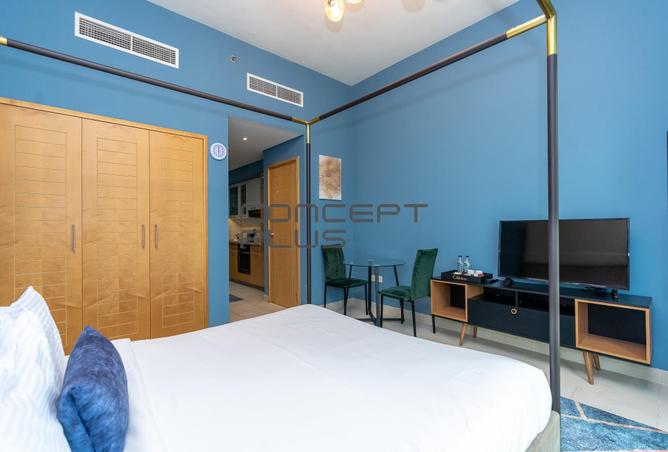

Apartment
Listed 4 days ago
65,000 AED/year
Fully Furnished | Prime Location | Ready to move
Boulevard Central Tower 2, Boulevard Central Towers, Downtown Dubai, Dubai
studio
1
328 sqft
-
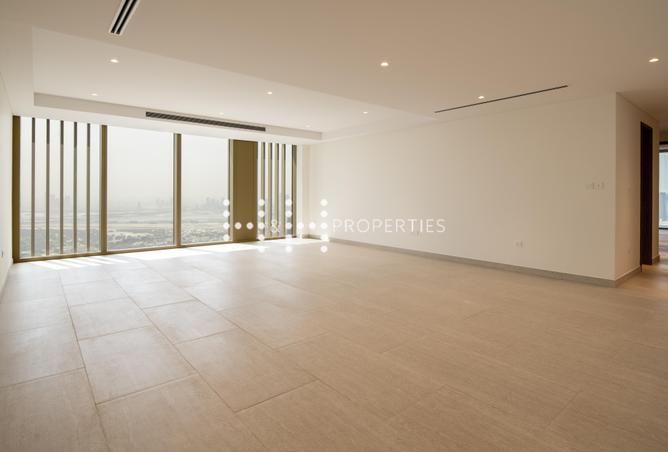

Apartment
Listed 1 week ago
295,000 AED/year
2 Months Free Rent 3 BR | Family Living | SZR
City Tower 1, City Towers, Sheikh Zayed Road, Dubai
3
4
2,379 sqft
-
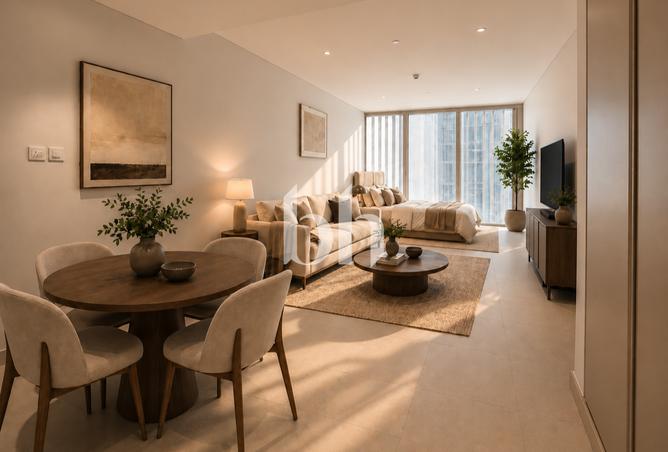

Apartment
Listed 2 days ago
80,000 AED/year
2-months free | Brand new | Metro nearby
City Tower 1, City Towers, Sheikh Zayed Road, Dubai
studio
1
538 sqft
-
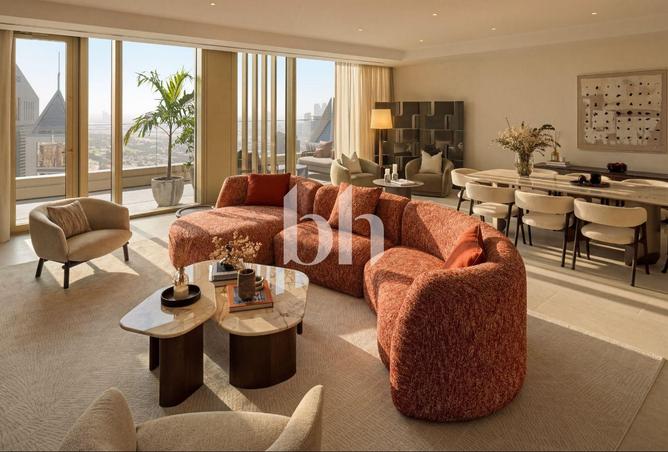

Apartment
Listed 2 days ago
750,000 AED/year
2-Months free |Perfect for families | Nearby metro
City Tower 1, City Towers, Sheikh Zayed Road, Dubai
4
6
2,896 sqft
-
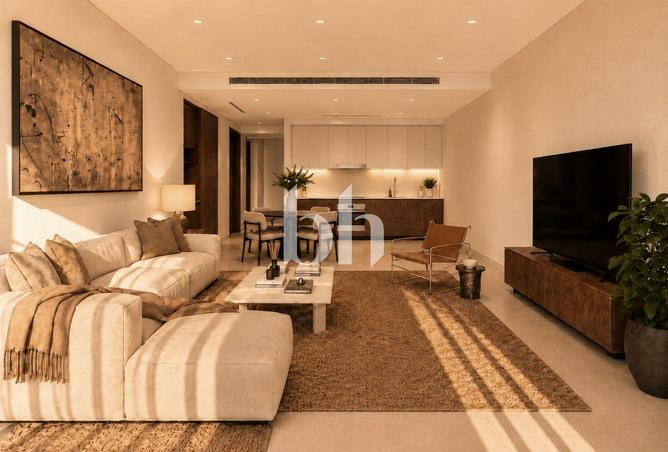
Apartment
Listed 3 days ago
153,000 AED/year
2-months free | Metro nearby | Luxury living
City Tower 1, City Towers, Sheikh Zayed Road, Dubai
1
2
1,173 sqft
-


Apartment
Listed 4 days ago
409,900 AED/year
4 Bed + Maid I Full Skyline View I Ready to move
Beach Mansion Tower 1, Beach Mansion, Emaar Beachfront, Dubai Harbour, Dubai
4
5
2,448 sqft
-
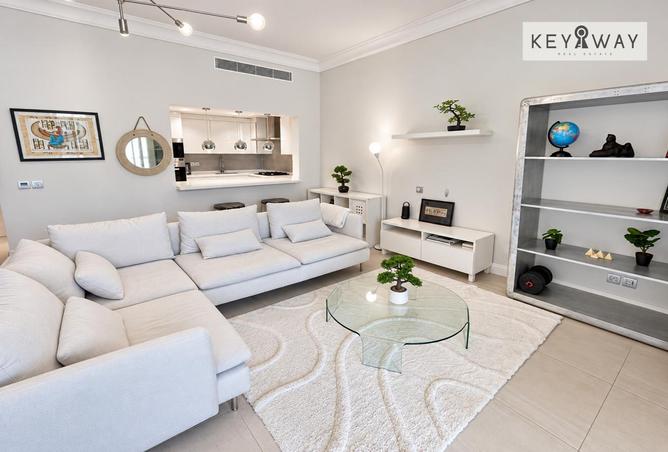

Apartment
Listed 2 days ago
190,000 AED/year
Jash Hamad | 2BR + Maid | Vacant in Palm Jumeirah
Jash Hamad, Shoreline Apartments, Palm Jumeirah, Dubai
2
4
1,579 sqft
-
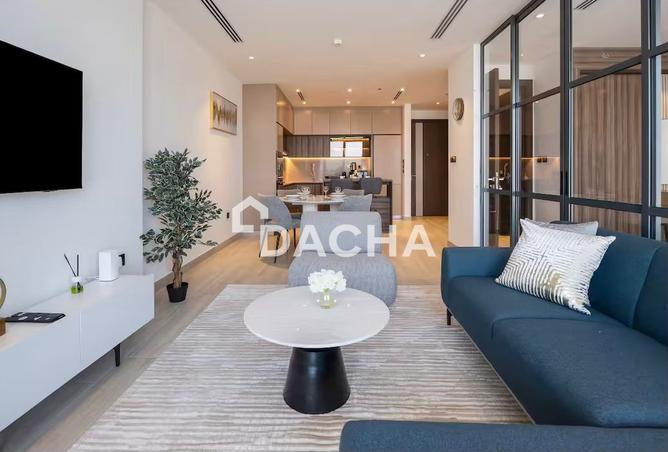

Apartment
Listed 2 weeks ago
85,000 AED/year
Multiple Cheques| Fully Furnished | High Floor
The Ivy, District 5, Jumeirah Village Triangle, Dubai
1
1
709 sqft
-
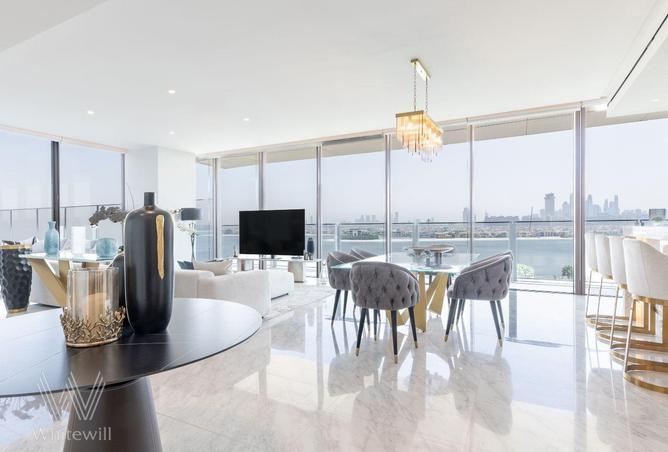

Apartment
Listed 3 weeks ago
5,000,000 AED/year
Designer Sky Court with Private Pool | Palm View
Atlantis The Royal Residences, The Crescent, Palm Jumeirah, Dubai
3
4
3,829 sqft
-


Apartment
Listed 4 days ago
110,000 AED/year
1BR with Private Gardens | Fully Upgraded Unit
Al Alka 3, Al Alka, Greens, Dubai
1
2
1,061 sqft
Smart Furniture & Floating Pieces
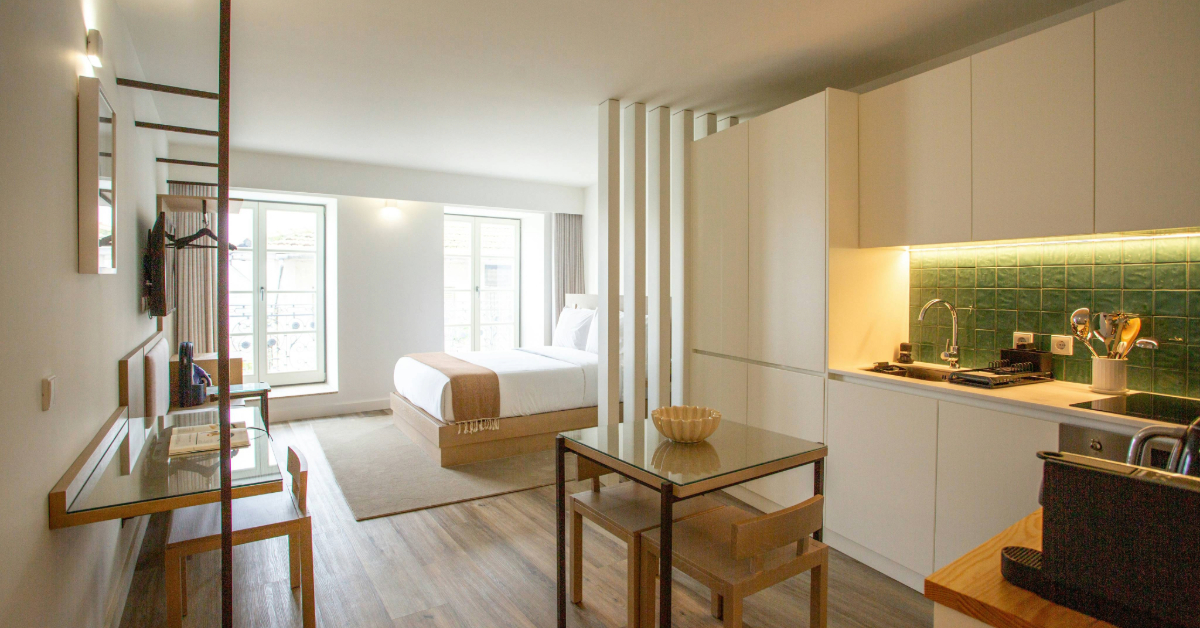
Furniture placement can act as an invisible divider. A common technique is to position a sofa away from the wall, perpendicular to the room. The back of the sofa naturally separates the living space from the bedroom area behind it.
Multi-functional furniture is essential in a studio. Beds with built-in storage, sofa beds, and fold-down desks maximise usability without overcrowding. Each piece should ideally serve more than one purpose.
Use Room Dividers Wisely
For stronger separation, introduce dividers that don’t fully block light. Open shelving units are particularly effective, they divide the space while still allowing visibility and brightness.
Other options include slatted panels, folding screens, or lightweight partitions. For renters, ceiling-mounted curtains or sliding panels are ideal as they are reversible and easy to install.
For a softer approach, tall plants or narrow furniture pieces can subtly define boundaries without making the space feel closed off.
Visual design tricks: Colour, reflectivity, and scale
Smart visual choices can make a studio feel brighter, larger, and more balanced without changing the layout.
Colour Schemes That Expand
Colour can significantly influence how spacious your studio feels. Soft neutrals, earthy tones, and light palettes help create an open and calming environment.
A popular 2026 approach is colour-drenching, using the same tone across walls and ceilings. This reduces visual breaks and creates a cohesive, expansive feel.
Mirrors & Reflective Surfaces
Mirrors are one of the most effective tools for small spaces. They reflect light and create the illusion of depth, making the studio appear larger.
Consider mirrored wardrobe doors, reflective panels, or even a large standing mirror placed strategically to bounce natural light across the room.
Glass or translucent dividers are another smart option. They provide separation while maintaining brightness and openness.
Proportion & Visual Balance
Choosing the right furniture scale is critical. Low-profile furniture, such as low bed frames and armless sofas, keeps sightlines open and makes ceilings appear higher.
Avoid oversized furniture that dominates the room. Instead, select pieces that fit proportionately within each zone to maintain balance and flow.
Storage solutions: Keep it clutter free
Smart storage plays a key role in keeping a studio or compact home organised, open, and visually calm.
Vertical & Hidden Storage
Clutter can quickly disrupt the illusion of a one-bedroom layout. Smart storage is key to maintaining a clean and organised space.
Use vertical storage solutions like tall bookcases, floating shelves, and wall-mounted cabinets to maximise height and free up floor space.
Hidden storage is equally important. Beds with drawers, storage benches, and ottomans with compartments help keep everyday items out of sight.
Dual-Purpose & Display Storage
Storage can also act as a divider. A console table placed behind a sofa creates a boundary while offering additional storage.
Shelving units are particularly versatile, they provide separation while doubling as display space for décor and essentials.
Check out Creative Storage Ideas for Small Homes.
Privacy and aesthetics: Creating borders and soft enclosures
Designing subtle boundaries helps turn a studio into a more private and structured living space without closing it off completely.
Privacy for the Bedroom Area
Creating privacy around the bed is essential for achieving a one-bedroom feel. Curtains or sliding panels are one of the easiest solutions, allowing you to hide the bed during the day.
If your studio includes an alcove or recessed area, positioning the bed there can naturally create a more defined sleeping zone.
Maintaining Air & Light Flow
While dividing the space is important, maintaining light and airflow is equally crucial. Heavy or solid partitions can make the studio feel smaller and darker.
Opt for dividers that allow light to pass through, such as open shelving, slatted panels, or translucent materials.
Keep areas near windows open and prioritise placing the living space there to maximise natural light.
Design and style trends for 2026 to vertical and texture
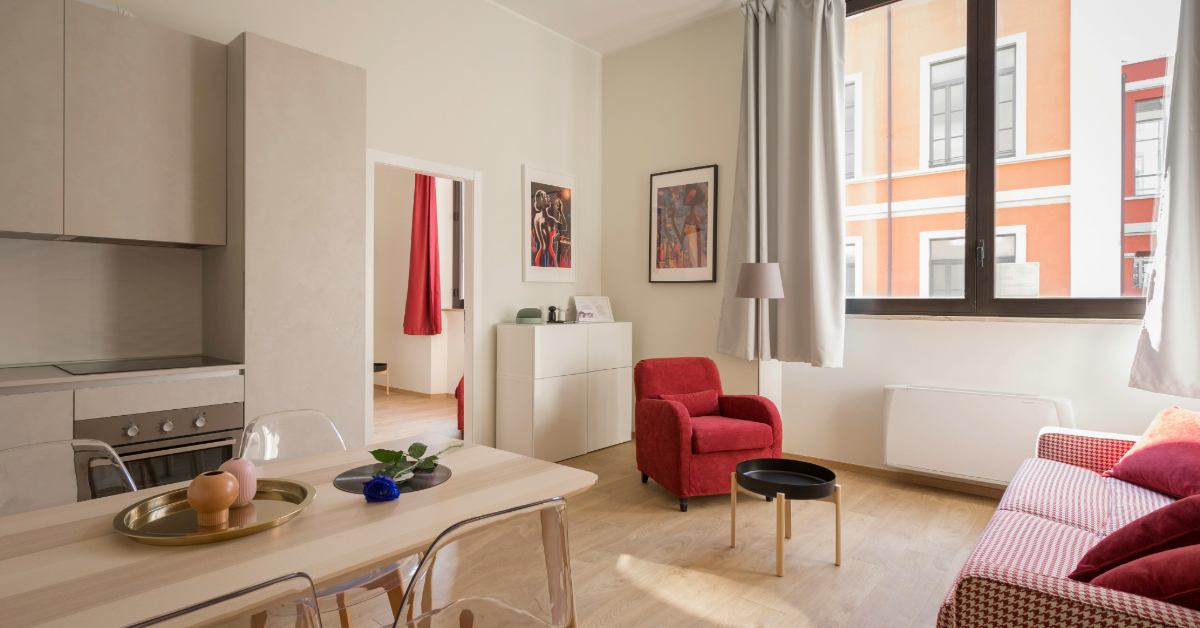
Modern studio design in 2026 blends functionality with comfort, focusing on clean layouts, natural textures, and intentional styling choices.
Warm Minimalism & Japandi Influence
Studio design in 2026 leans towards warm minimalism, often inspired by Japandi interiors. This style combines simplicity with natural materials to create a calm, inviting space.
Wood textures, woven fabrics, and matte finishes add depth without overwhelming the room, making them ideal for compact living.
Maximalist vs Scaled-Down Decor
While minimalism is dominant, adding personality is still important. The key is to choose a few statement pieces, such as artwork or lighting, rather than filling the space with multiple decorative elements.
Balancing reflective surfaces with simple decor helps maintain visual clarity while adding interest.
Flow and practical layouts: Template options
Below are three practical studio layout templates that show how different priorities, privacy, work, or entertaining, can shape the way a studio apartment is organised to feel more like a one-bedroom space.
| Layout Type | Best For | Key Components | Trade-Offs |
| “Bed-First” Layout | Privacy priority | Bed behind divider or curtain; living zone near window; desk tucked away | Less light in bed zone; may feel tight near entry circulation |
| “Work-From-Home First” Layout | Remote work focus | Desk by window; bed behind divider; sofa floating between zones | Multiple zones can reduce open daytime living space |
| “Entertain-First” Layout | Hosting and social living | Living area placed in prime light; bed area secluded; dining doubles as workspace | Sleeping zone may feel more enclosed and less open |
Maintenance and practical tips
- Path Test: Walk through your apartment from the entrance to each zone. Ensure there are no obstacles disrupting movement.
- Assign Storage Zones: Each area should have designated storage to prevent clutter from spreading across spaces.
- Seasonal Adjustments: Swap heavier textiles for lighter ones depending on the season to maintain both comfort and style.
Key takeaways
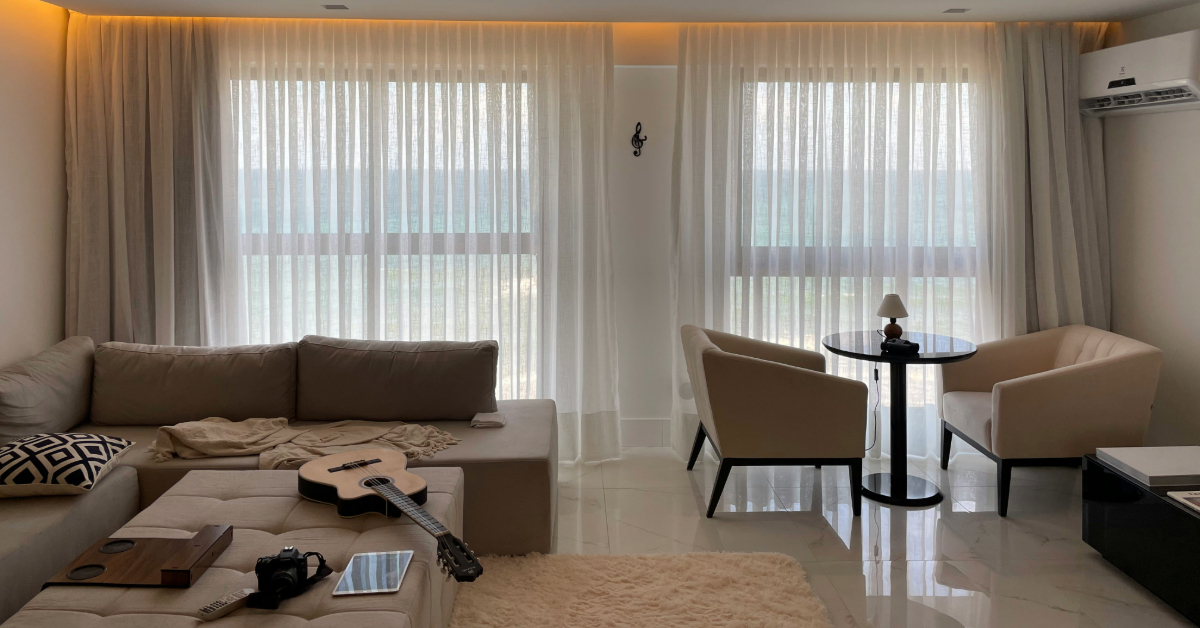
Zones, not walls, are what create the feeling of separate “rooms” in a studio apartment, allowing a single open space to function like a well-organised one-bedroom layout. Furniture placement, lighting, and rugs play a key role in achieving this visual separation, helping each area feel intentional and distinct without the need for physical barriers. Dividers, when used, should always allow light and airflow to maintain a bright, open atmosphere rather than closing the space in. Colour, scale, and texture further reinforce this sense of division subtly, adding depth and definition without heavy construction. Finally, smart storage combined with thoughtful flow ensures the entire studio feels functional, uncluttered, and calm, making everyday living far more comfortable and structured.
Frequently Asked Questions (FAQs)
Use curtains, sliding panels, or open shelving to conceal the bed while still allowing light to pass through. Alcove setups can also create a natural bedroom feel.
Low-profile furniture, armless sofas, and pieces with exposed legs help maintain open sightlines. Multi-functional furniture is especially effective.
Very important. Zones near windows feel larger and more inviting. Avoid blocking natural light and use mirrors or reflective surfaces to enhance brightness.
Yes. Use renter-friendly solutions like curtains, folding screens, rugs, and lighting changes. These are affordable and reversible.
Establish clear storage areas for each zone, minimise décor, and avoid overlapping functions where possible. Keeping items organised is essential for maintaining a clean layout.