



September 2026 brings new petrol prices across the UAE, reflecting shifts in global fuel markets and local regulatory adjustments. Following changes in global fuel markets and local regulatory adjustments. The latest announcement reflects the current rates for both petrol and diesel.
Many residents check the petrol price in UAE and fuel price UAE every month before planning fuel budgets or long drives. The petrol price in Dubai is identical to the rate applied in Abu Dhabi, Sharjah and every other emirate, since the UAE Fuel Price Committee sets one national rate rather than separate emirate-level pricing.
- Fuel Price Table
- Fuel Grades Explained & How to Choose the Right Petrol Type
- Petrol Stations in the UAE
- Impact on Consumers & Businesses
- Future Outlook
- Why Fuel Prices Matter for Property Seekers
- Practical Tips for Residents
- Key Takeaways
- FAQs
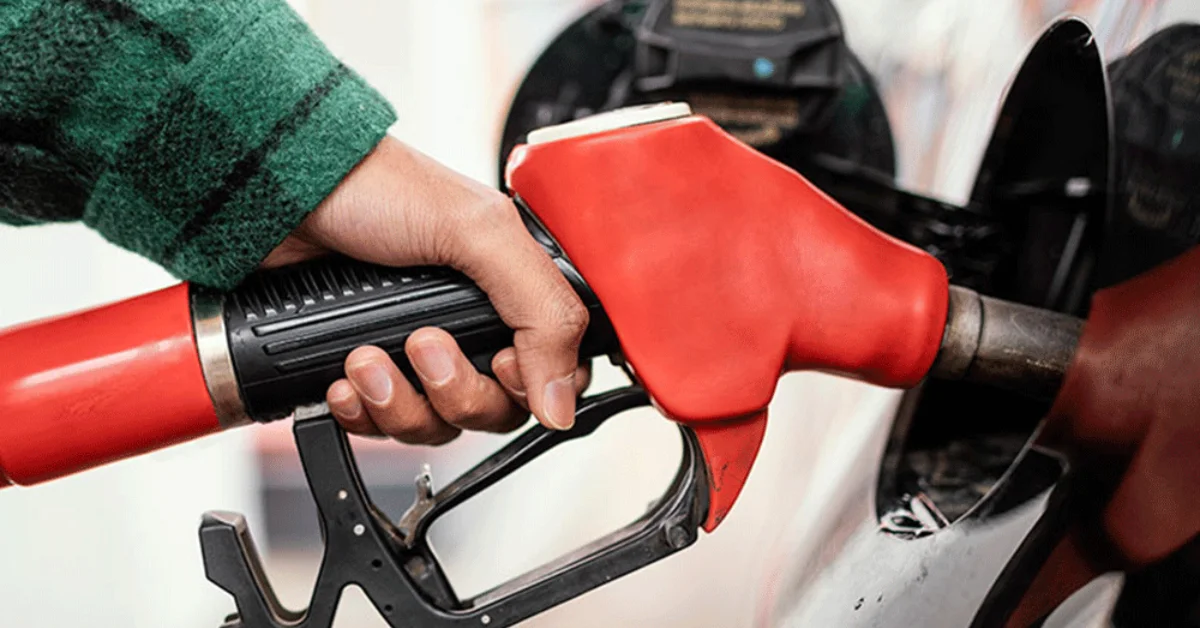
Fuel Price Table – September 2026 vs August 2026
In the UAE, petrol prices are the same across all emirates, meaning that whether you’re in Dubai, Abu Dhabi or Sharjah, you’ll encounter the same rates for both petrol and diesel.
Below are the current petrol prices in UAE today figures per litre, as of 1st September 2026, compared to August 2026.
| Fuel Type | Price Per Litre in August 2026 | Price Per Litre in September 2026 |
| Super 98 Petrol | AED 3.60 | AED 3.80 |
| Special 95 Petrol | AED 3.49 | AED 3.69 |
| EPlus 91 Petrol | AED 3.41 | AED 3.61 |
| Diesel | AED 3.80 | AED 4.30 |
Fuel prices in the UAE have increased in September 2026 compared with August. Petrol prices rose by around 5.6% to 5.9%, while diesel recorded the largest increase, rising from AED 3.80 to AED 4.30 per litre, an increase of 13.2%.
It is important to note that the petrol prices for August 2026 will be announced at the end of August 2026.
Fuel Grades Explained
Fuel prices in the UAE vary depending on the grade, with each option designed to suit different vehicle types, engine requirements, and driving habits. Understanding these distinctions is essential, as using the correct fuel grade can affect engine performance, fuel efficiency, and long-term maintenance costs.
Super 98
A premium, high-octane petrol recommended for high-performance, sports, and luxury vehicles. Engines designed for Super 98 typically deliver better efficiency and smoother acceleration when fueled with higher-octane petrol, making it a preferred choice for performance-focused drivers.
Special 95
A mid-range petrol grade suitable for most modern passenger vehicles. Special 95 offers a balance between cost and performance, which is why it remains one of the most commonly used fuel types across the UAE.
E-Plus 91
A lower-octane petrol commonly used in standard cars and commercial fleets. It is generally the most affordable petrol option and is suitable for vehicles that do not require higher octane levels, making it popular among cost-conscious drivers.
Diesel
Used in diesel-powered vehicles such as buses, trucks, delivery vans, and some SUVs. Diesel engines are known for their durability and fuel efficiency, particularly in commercial and long-distance driving applications. Residents comparing the diesel price in UAE against petrol will notice diesel usually carries a small premium per litre, reflecting global diesel fuel refining costs and regional demand.

Selecting the appropriate fuel grade based on manufacturer recommendations not only helps optimise vehicle performance but can also prevent unnecessary fuel expenses over time.
How to Choose the Right Petrol Type
Choosing the wrong fuel for your car can cause issues like engine damage, reduced car performance and many others. Whereas, the right fuel type ensures your car runs efficiently and maintains its performance as well.
Here is how you can choose the right petrol type for your car:
Check Manufacturer Recommendations
You should check your car’s manual for the manufacturer’s recommendations of the required octane rating. This is one of the factors to help you choose the right petrol type.
Consider Engine Compression
Next, take into account your car’s engine requirements. As previously mentioned, for high-performance and luxury cars, use the Super 98. Special 95 suits medium compression engines, while EPlus 91 is ideal for regular cars.
Evaluate Cost vs Benefit
Super 98 is slightly more expensive than the EPlus 91, but may be necessary for certain vehicles. Whereas EPlus 91 is a cost-effective option for daily use.
Assess Fuel Efficiency Needs
Diesel is ideal for heavy-duty vehicles but may not be suitable for regular cars due to higher emissions.
Consider Environmental Impacts
Diesel produces more nitrogen oxides and particulates, which is not eco-friendly as compared to petrol.
Factor in Maintenance and Emission Regulations
Using the wrong fuel can lead to increased maintenance and issues with emission tests, affecting your vehicle’s performance and compliance.
Petrol Stations in the UAE
The UAE has a wide network of petrol stations serving vehicles across all emirates, making it easy to refuel whether you live in urban centres or travel between cities. Major fuel providers operate nationwide, with most stations open 24/7 and offering full services such as convenience stores, car washes, and rest areas
Key fuel networks in Dubai and the UAE include:
- Emarat
- ADNOC
- ENOC
The ADNOC petrol network is the most widely distributed in the country, and together with ENOC and Emarat, it keeps UAE fuel prices and access consistent nationwide, regardless of which emirate you’re refuelling in.

Impact on Consumers & Businesses
Lower fuel prices can have a meaningful and wide-ranging impact on both individual consumers and the broader business environment across the UAE.
For everyday motorists, reduced petrol prices translate directly into lower commuting and travel costs. Whether for daily commutes, school runs, or leisure travel, even small reductions per litre can add up to noticeable monthly savings. These savings may be redirected toward other household expenses, contributing to improved financial flexibility.
Businesses also stand to benefit from lower fuel prices, particularly those with high transportation or logistics requirements. Delivery companies, freight operators, ride-hailing services, and public transport providers often allocate a significant portion of their operating budgets to fuel.
A reduction in petrol and diesel costs can help ease margin pressures, support pricing stability, and improve overall operational efficiency.
Beyond direct fuel usage, lower prices can have indirect economic effects. Reduced transportation costs may lower the cost of moving goods across supply chains, which can help stabilise prices for consumer products and services.
Future Outlook
Fuel prices in the UAE are reviewed at the end of each month, with new rates coming into effect on the first day of the following month.
Looking ahead, future fuel prices will largely depend on developments in global oil markets. Key factors to watch include crude oil supply and demand balances, decisions by major oil-producing countries, geopolitical developments, and broader international economic trends. Changes in these areas can rapidly influence oil prices, which may then be reflected in local fuel prices.
Why Fuel Prices Matter for Property Seekers
Fuel prices are an ongoing living cost that can influence where people choose to rent or buy in the UAE. While rent or sale price is usually the main factor, commuting costs often shape long-term affordability.
Fuel prices matter because they affect:
- Daily commuting expenses for car-dependent residents.
- The overall cost of living in suburban versus central locations.
- Location choices for households with multiple working members.
For property seekers considering suburban or master-planned communities, fuel prices play a bigger role. Areas such as Dubailand, Town Square, DAMAC Hills, Yas Island, and Al Reem Island typically offer larger homes and family-focused layouts, but often involve longer commutes.
When fuel prices are stable or lower:
- Longer drives become more manageable.
- Outer communities remain attractive for families.
- Buyers and renters may prioritise space and amenities over proximity.

When fuel prices rise:
- Demand often shifts toward central locations.
- Homes closer to employment hubs gain appeal.
- Metro- and transit-connected areas become more desirable.
As a result, fuel price UAE movements, whether reflected in the petrol price in Dubai, petrol price Abu Dhabi or elsewhere, indirectly influence housing demand across different neighbourhoods, beyond advertised property prices alone.
Impact on Rental Demand
Fuel prices can influence rental demand by shaping how tenants prioritise location and accessibility.
During periods of higher fuel prices:
- Renters tend to favour shorter commutes
- Demand increases near business districts
- Properties close to metro stations and main roads gain interest
When fuel prices remain stable or decline:
- Car-dependent communities see steady demand.
- Villas and townhouses in suburban areas stay attractive.
- Tenants are more willing to trade commute time for space.
Fuel costs, therefore, act as a supporting factor in rental decisions. They reinforce trends linked to affordability, lifestyle needs, and proximity to work across the UAE’s rental market.
Explore Properties For Rent in the UAE
-


Apartment
Listed 7 days ago
67,000 AED/year
Modern Living | Equipped Kitchen | Spacious
Aykon City Tower C, Aykon City, Business Bay, Dubai
studio
1
426 sqft
-

Apartment
Listed 16 hours ago
280,000 AED/year
Lifestyle Amenities| Ideal Location |2-months free
City Tower 1, City Towers, Sheikh Zayed Road, Dubai
3
5
2,271 sqft
-

Apartment
Listed 16 hours ago
85,000 AED/year
2-months free | Brand new | Metro nearby
City Tower 1, City Towers, Sheikh Zayed Road, Dubai
studio
1
538 sqft
-

Apartment
Listed 16 hours ago
200,000 AED/year
Elegant home | Skyline views | 2-months free
City Tower 1, City Towers, Sheikh Zayed Road, Dubai
2
4
1,701 sqft
-

Apartment
Listed 16 hours ago
160,000 AED/year
2-Months free | Metro access | Ready to move in
City Tower 1, City Towers, Sheikh Zayed Road, Dubai
1
2
861 sqft
-
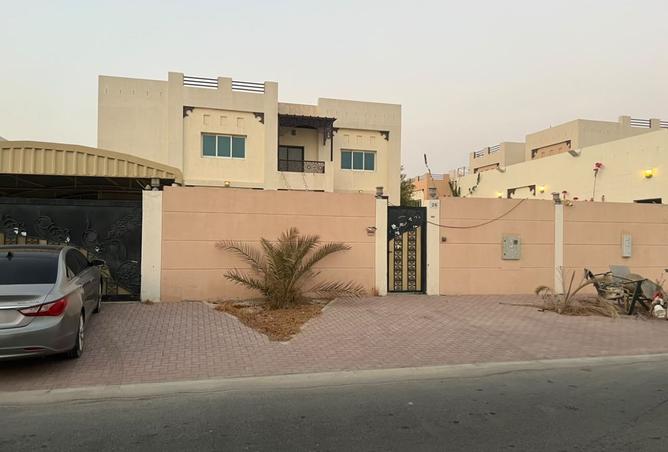
Villa
Listed 23 hours ago
130,000 AED/year
Villa for rent, 8,000 sq. ft., in Al Raqaib area,
Al Raqaib 1, Al Raqaib, Ajman
4
7
8,072 sqft
-

Villa
Listed 1 week ago
120,000 AED/year
Luxury villa for rent, close to amenities, large f
Kabbali Hills, Al Helio 2, Al Helio, Ajman
5
7
3,014 sqft
-

Villa
Listed 1 week ago
125,000 AED/year
Your dream home for rent – luxury finishes, prim
Kabbali Hills, Al Helio 2, Al Helio, Ajman
5
7
3,014 sqft
-

Villa
Listed 5 days ago
120,000 AED/year
For rent is a brighter community,Alamrah,
Kabbali Hills, Al Helio 2, Al Helio, Ajman
5
7
3,000 sqft
-

Villa
Listed 1 week ago
105,000 AED/year
5 BR Villa in Al Yasmeen with 5 Parking Slots
Al Ameera Village, Ajman
5
6
3,300 sqft








Practical Tips for Residents
Residents can reduce the impact of fuel costs by factoring transportation into their housing choices.
Practical considerations include:
- Living closer to work or school: Shorter journeys reduce fuel use over time.
- Choosing well-connected communities: Easy access to highways helps cut travel time and fuel consumption.
- Using nearby amenities: Communities with retail, schools, and services reduce the need for frequent long drives.
- Considering carpooling or hybrid work: Fewer commuting days can significantly lower monthly fuel costs.
- Planning for future mobility: Homes with private parking may support a future shift to hybrid or electric vehicles as charging infrastructure expands.
By combining location, lifestyle, and commuting needs, residents can make housing choices that remain cost-effective even as fuel prices change.
Key Takeaways
- The UAE’s deregulated fuel pricing system, in place since 2015, allows domestic fuel prices to move in line with international benchmarks through a transparent monthly review process.
- Lower fuel prices can positively influence household budgets by reducing commuting costs, while also helping businesses manage operating expenses more effectively.
- Indirectly, reduced fuel costs may support broader economic stability by easing transportation-related cost pressures across supply chains.
- Future fuel prices will continue to be shaped by global oil market dynamics, making regular month-to-month adjustments a normal feature of the UAE fuel pricing landscape.
- The petrol price in UAE and diesel price in UAE are published monthly and apply uniformly, whether you’re checking the petrol price in Dubai or the petrol price Abu Dhabi.
FAQs
Yes! All petrol stations in the UAE adhere to the same fuel price schedule set by the government.
Abu Dhabi supplies 96% of the UAE’s petrol and ranks sixth in global oil reserves.
Yes, there are a variety of transportation modes in the UAE ideal for regular commuters. They range from Dubai’s advanced metro to Abu Dhabi’s water taxis and buses.
Fuel prices are reviewed on a monthly basis. The UAE Fuel Price Committee announces updated rates toward the end of each month, with the new prices taking effect on the first day of the following month.
E-Plus 91 is currently the most affordable petrol grade available. It is widely used in standard vehicles and commercial fleets that do not require higher-octane fuel.
A fuel station in the UAE is any government-regulated petrol pump operated by ADNOC, ENOC or Emarat, all three charge the same official rate. Most residential communities and highways have a fuel station within a short drive, and many operate 24 hours a day.
Dubai’s petrol stations are run by ADNOC, ENOC and Emarat across the emirate, including along major routes such as Sheikh Zayed Road and Al Khail Road. See our full guide to petrol stations in Dubai for locations near you.
The UAE Fuel Price Committee announces each month’s rates at the end of the current month. September 2026 prices will be confirmed at the end of September 2026, so they aren’t available yet check back after 30 September.
As of September 2026, petrol prices in the UAE are AED 3.80 per litre for Super 98, AED 3.69 for Special 95 and AED 3.61 for E-Plus 91, while diesel costs AED 4.30 per litre.
At an exchange rate of roughly AED 1 = ₹26, September 2026 petrol prices work out to about ₹99 per litre for Super 98, ₹96 for Special 95 and ₹94 for E-Plus 91, with diesel at around ₹112 per litre. These converted figures may change with daily fluctuations in the AED–INR exchange rate, so they should be treated as estimates rather than fixed prices.