



Dubai’s Sitr Initiative is a humanitarian programme announced in 2026 by the Rental Disputes Centre (RDC) in partnership with the Mohammed bin Rashid Al Maktoum Charitable Establishment. It aims to support families facing serious rental distress by helping resolve unpaid rent liabilities and related enforcement actions.
If you are dealing with rent arrears, an active enforcement file, or legal pressure linked to rental obligations, Sitr is intended to offer a structured route to relief during 2026, subject to case assessment and available capacity.
- What is the Sitr Initiative in Dubai?
- Key facts and scope for 2026
- Who is eligible for the Sitr Initiative?
- What financial support and benefits does Sitr provide?
- What Sitr does not cover
- How to apply for the Sitr Initiative
- Application readiness checklist
- What to do next
- Common reasons applications get delayed
- Important limitations to understand
- Key Takeaways
- FAQs
What is the Sitr Initiative in Dubai?

Sitr is designed to help households whose rental arrears have escalated to the point of enforcement, creating a risk of deeper legal consequences and family disruption. In practical terms, it focuses on settling existing liabilities, resolving enforcement files, and supporting outcomes linked to detained tenants in rent-related cases.
It is not positioned as a general rent discount programme. It is a targeted relief effort aimed at restoring stability for families who meet the programme’s case-based criteria.
Key facts and scope for 2026
Sitr runs across 2026 with a declared total allocation of AED 10 million. It is designed as a targeted programme, meaning it supports a defined number of cases rather than offering open-ended assistance. The published targets give a clear sense of the initiative’s intended reach and set expectations that selection is likely to be prioritised based on urgency, vulnerability, and the strength of documentation.
Because the programme has a fixed budget and a limited number of beneficiaries, it is sensible to treat Sitr as time-sensitive. A well-prepared file can help your case move faster, especially where enforcement action is already active.
Sitr 2026 at a glance
| Item | 2026 figure |
|---|---|
| Total budget | AED 10 million |
| Families supported | 232 |
| Defaulting tenants supported for release outcomes | 111 |
| Enforcement files targeted for resolution | 187 |
Who is eligible for the Sitr Initiative?
Sitr is described as supporting vulnerable families facing genuine rental distress. Eligibility is assessed on a case-by-case basis, and the programme is likely to focus on the clarity of the need, the urgency of the situation, and the strength of the documentation.
What your case may be assessed on
In most situations, you should expect the review to consider:
- Outstanding rental liabilities, including amounts under enforcement.
- Income sources and ability to pay, supported by evidence.
- Payment history, including prior consistency where applicable.
- Verified documentation showing the rent issue and any legal status.
- Social circumstances, such as dependants, vulnerability, and risk of housing instability.
If any part of your situation is unclear on paper, it helps to prepare a simple timeline of events. Keep it factual, with dates, amounts, and references to official documents.
What financial support and benefits does Sitr provide?
Sitr focuses on existing rent liabilities and enforcement outcomes, rather than covering future rent as a recurring monthly subsidy. The value of support appears to depend on the case type and the level of legal escalation involved.
Support types mentioned in the reporting
This table explains the main benefits described publicly.
| Benefit type | What it means |
|---|---|
| Rent liability relief | Support aimed at settling unpaid rent obligations tied to a dispute or enforcement |
| Resolution of enforcement files | Closing or settling enforcement proceedings linked to rental disputes |
| Support linked to detention cases | Assistance intended to enable resolution outcomes in rent-related detention situations |
| Family stability support | Reducing displacement risk and easing legal pressure on households |
What Sitr does not cover

Sitr is designed as targeted relief for families in genuine rental distress, but it is not a catch-all rent support programme. It is best understood as a case-based initiative focused on resolving existing arrears and related enforcement outcomes, rather than covering everyone who finds rent expensive. It is also not a guarantee that future rent will be paid on your behalf, even if your case is accepted, because the aim is to stabilise urgent situations and reduce escalation.
If your situation involves other types of debt outside rent, those may fall outside the initiative’s scope, and you may be asked to rely on separate channels of support. Most importantly, Sitr is not automatic, so eligibility depends on the strength of your documentation, the urgency of your case, and the programme’s remaining capacity during 2026.
How to apply for the Sitr Initiative
Applications are expected to route through the Rental Disputes Centre (RDC) and the charitable partner’s support framework. A smooth application is usually about preparation: clear documents, consistent facts, and an organised file.
Start by building a single folder (digital or physical) with:
- Tenancy contract and any registration documentation associated with the tenancy.
- Rent payment records, receipts, and bank transfer evidence.
- A clear statement of the arrears amount and how it accumulated.
- Proof of income and household circumstances (salary evidence or bank statements).
- Any legal documents related to the dispute, enforcement file, or detention status (if applicable).
Explore the Available Properties for Rent in Dubai
-
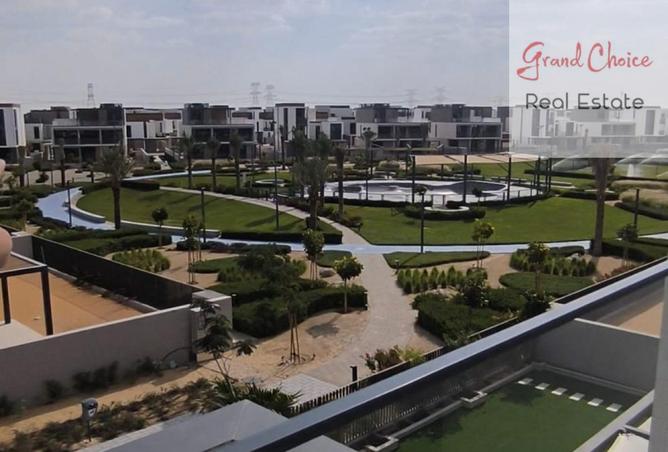

Villa
Listed 1 month ago
550,000 AED/year
Biggest Plot and BUA | Main Park | Corner
Elie Saab 2, Elie Saab, Arabian Ranches 3, Dubai
4
6
5,300 sqft
-

Apartment
Listed 3 weeks ago
220,000 AED/year
1 Bedroom Plus Study | Fully Furnished
Burj Khalifa Zone 2B, Burj Khalifa Area, Downtown Dubai, Dubai
1
3
1,405 sqft
-
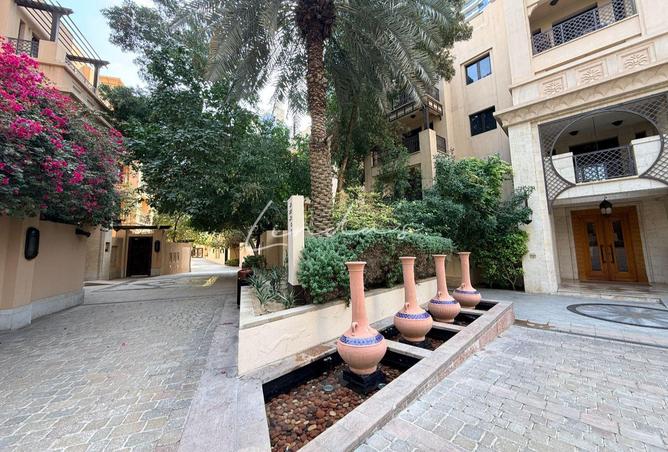
Apartment
Listed 2 weeks ago
175,000 AED/year
Two Bedrooms | Great Amenities | Prime Location
Yansoon 3, Yansoon, Old Town, Downtown Dubai, Dubai
2
2
1,474 sqft
-

Villa
Listed 1 day ago
2,500,000 AED/year
Prime Location | Fully Upgraded | Private Pool
Al Barsha 2 Villas, Al Barsha 2, Al Barsha, Dubai
6
7
15,803 sqft
-
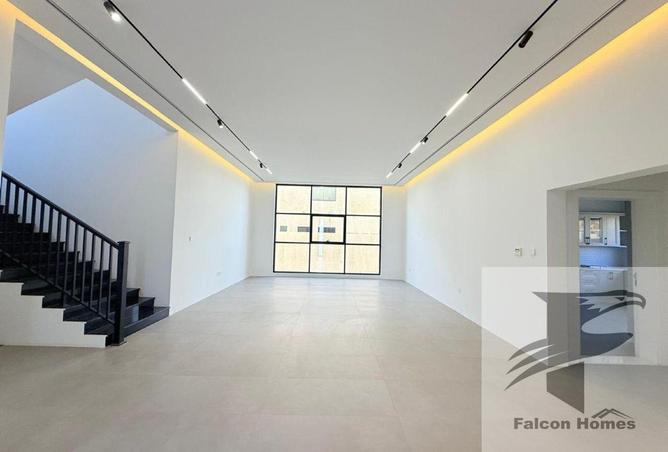
Villa
Listed 2 days ago
480,000 AED/year
Spacious 6BR Villa with Big Garden | Service Block
Nad Al Sheba Villas, Nad Al Sheba 3, Nad Al Sheba, Dubai
6
7
13,333 sqft
-

Apartment
Listed 2 days ago
240,000 AED/year
Elegant 2BR | Serviced & Furnished | Address Harbo
Address Harbour Point Tower 2, Address Harbour Point, Dubai Creek Harbour (The Lagoons), Dubai
2
3
1,103 sqft
-

Villa
Listed 2 days ago
330,000 AED/year
Brand-New | 3BR + Maid | Gated Community
Nad Al Sheba Gardens 2, Nad Al Sheba Gardens, Nad Al Sheba, Dubai
3
4
1,998 sqft
-

Villa
Listed 2 days ago
1,200,000 AED/year
Partially Renovated | Ready To Move In
Entertainment Foyer, Mediterranean Clusters, Jumeirah Islands, Dubai
5
6
5,853 sqft
-

Apartment
Listed 2 days ago
1,250,000 AED/year
Upgrade | Fully Furnished | Panoramic Sea View
Apartment Building 10, Bluewaters Residences, Bluewaters, Dubai
4
6
2,581 sqft
-

Apartment
Listed 2 days ago
650,000 AED/year
Ain Dubai View | Fully Furnished | Brand New
Apartment Building 8, Bluewaters Residences, Bluewaters, Dubai
3
5
2,097 sqft







Application readiness checklist
Before you contact RDC, preparing a clean file can make the process smoother and reduce back-and-forth. A simple, organised submission also helps your situation be understood quickly, especially when there is an enforcement file or time pressure.
- Tenancy documents: tenancy contract, Ejari (if available), and Emirates ID copies for the tenant(s).
- Arrears summary: a clear note showing how much is owed, what period it covers, and any partial payments already made.
- Payment evidence: receipts, bank transfer proofs, or landlord acknowledgements showing your rent history.
- Income proof: salary certificate, employment letter, bank statements, or other evidence showing your ability to pay and any change in circumstances.
- Household context: dependants’ details and any documents that explain vulnerability, such as a change in employment, family responsibilities, or exceptional hardship.
- Legal or enforcement papers (if applicable): case references, enforcement file details, notices, and any official correspondence linked to your situation.
- One-page timeline: a short chronological summary of key dates, such as when arrears started, what was paid, what changed, and what steps have already been taken.
What to do next
- Once your file is ready, contact RDC through its official service channels or visit in person to confirm the correct submission route for your case type.
- Ask which department handles Sitr cases, what the required document format is (originals, copies, or certified copies), and whether any forms, translations, or attestations are needed.
- Request a reference number or confirmation of receipt, and keep a copy of everything you submit.
- If additional documents are requested, reply quickly and resubmit using the same reference so your case stays linked and does not restart the review.
Common reasons applications get delayed
Delays usually happen for practical reasons, not because the case is weak. In most cases, the reviewer simply needs clearer evidence to confirm what is owed, what changed, and where the case sits legally.
- Arrears are not clearly shown: The amount owed is missing, not itemised by month, or not linked to a specific rental period.
- Payment history is incomplete: Payments were made informally, or receipts and bank transfer proofs are missing.
- Income evidence is unclear: A salary certificate is submitted without bank statements, or bank statements are provided without explaining the change in circumstances.
- Missing enforcement details: Case or enforcement references are missing, or the documents do not match the current enforcement stage.
- Dates do not align: Tenancy dates, notices, and payment records conflict, which makes the timeline hard to verify.
A simple way to avoid delays is to add a one-page timeline and label documents clearly (for example: “Tenancy Contract”, “Payments Jan–Mar”, “Notice”, “Enforcement Reference”), so the file can be reviewed quickly without guesswork.
Important limitations to understand

Sitr is a limited, targeted programme with a fixed budget and a defined number of cases it aims to support. That means not every applicant will be accepted, and strong documentation can make a practical difference.
It is also best understood as a programme for resolving existing arrears and enforcement matters, rather than a long-term solution for future rent payments.
Key Takeaways
Sitr is a Dubai humanitarian initiative running through 2026, with a stated AED 10 million budget and target outcomes covering 232 families, 111 tenants linked to release outcomes, and 187 enforcement files for resolution. It is case-based rather than automatic, so preparing a clear file with tenancy records, rent arrears evidence, income documentation, and any enforcement references is the most reliable way to support an application.
FAQs
Vulnerable families in Dubai are facing rental distress, assessed on a case-by-case basis using verified documents.
There is no fixed amount per family; support depends on the case and the outstanding liabilities.
No, it focuses on resolving existing arrears and enforcement-related cases.
Prepare tenancy, arrears, income, and any enforcement documents, then contact RDC through official channels.
Throughout 2026, but earlier is better due to limited capacity.
Not necessarily, but cases involving enforcement action are more likely to match the programme’s stated scope.
Sitr is intended to support resolution, but it does not replace legal processes, and outcomes depend on case review.