



Dubai’s short-term rental market has matured significantly over the past decade. With year-round tourism, global events, and strong seasonal demand, many property owners are now exploring holiday homes in Dubai as an alternative to traditional leasing.
If you are comparing short-term income with traditional tenancy contracts, reviewing current rental trends in Dubai can help you understand how long-term yields compare to nightly returns.
However, operating holiday homes in Dubai is not simply about listing a furnished property online. It is a regulated activity overseen by government authorities, and compliance is essential. Whether you own an apartment in Downtown Dubai, a villa in Jumeirah, or plan to buy townhouse or studio units for short-term leasing in areas like Barsha Heights, this guide explains how to legally convert your property into a holiday home in Dubai, what it costs, and what responsibilities come with it.
- What Qualifies as a Holiday Home in Dubai
- Is Your Property Eligible?
- How to Apply for a Holiday Home Permit
- Permit Duration and Renewal Requirements
- Costs of Operating Holiday Homes in Dubai
- Operational Responsibilities and Compliance Rules
- Risks and Penalties for Non-Compliance
- Revenue Potential vs Costs
- Managing and Marketing Your Holiday Home
- Final Checklist Before Listing
- Key Takeaways
- FAQs
What Qualifies as a Holiday Home in Dubai?
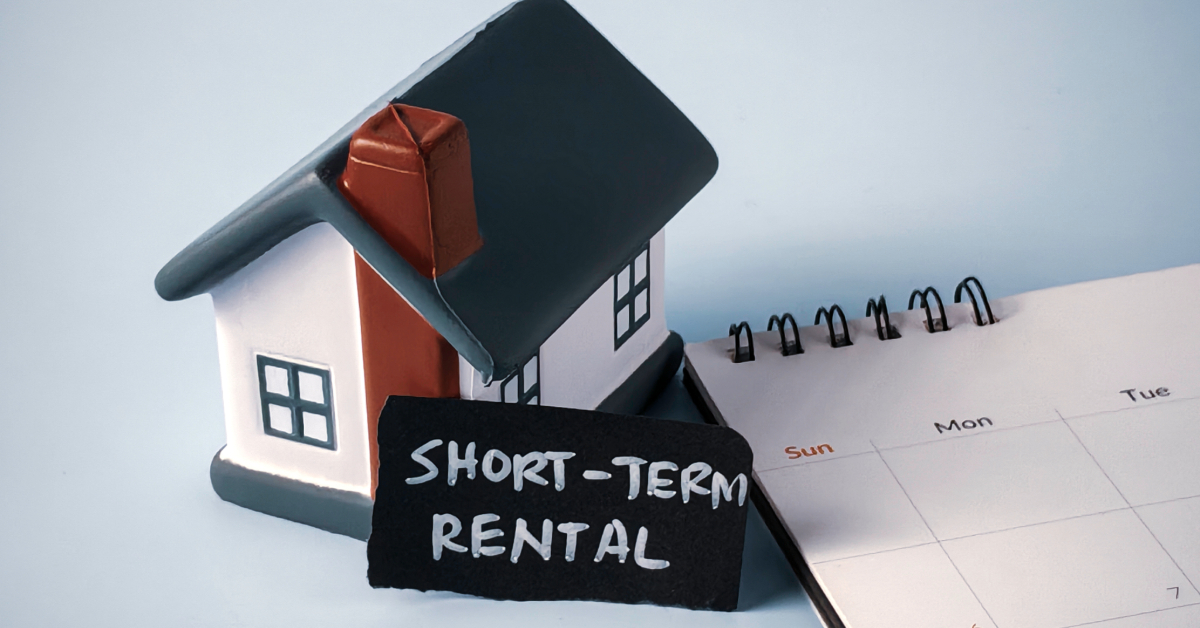
A holiday home in Dubai is a fully furnished residential property rented on a short-term basis, typically nightly or weekly, to visitors.
This is different from long-term residential leasing, which requires registration through Ejari in Dubai, and from hotel operations, which fall under a separate licensing structure.
Holiday homes are regulated by the Dubai Department of Economy and Tourism (DET). The regulatory framework ensures guest safety, quality standards, and proper tourism revenue reporting.
Other authorities may influence your eligibility. The Real Estate Regulatory Agency (RERA) governs general property regulations, while Owners’ Associations can impose additional building-level restrictions.
Explore the Available Properties for Rent in Dubai
-
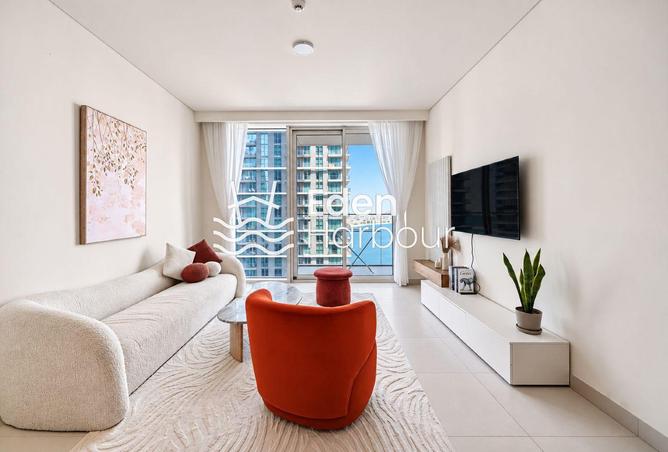

Apartment
Listed 2 weeks ago
155,000 AED/year
EXCLUSIVE | AVAILABLE NOW | MULTIPLE CHEQUES
Beach Mansion Tower 1, Beach Mansion, Emaar Beachfront, Dubai Harbour, Dubai
1
1
787 sqft
-
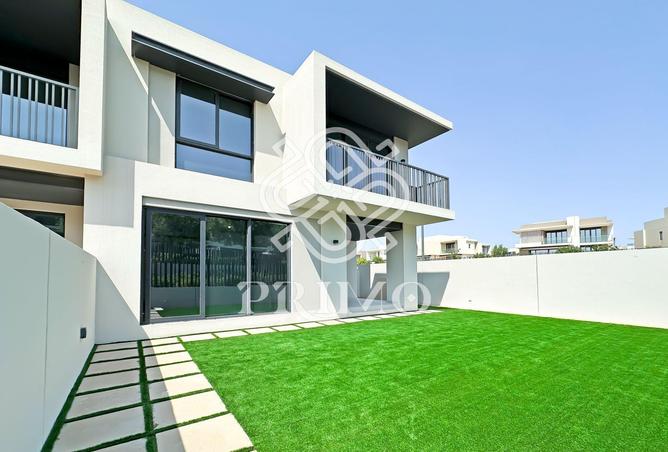

Townhouse
Listed 5 days ago
310,000 AED/year
BRAND NEW | SINGLE ROW | 4 Bedroom + Maids
Jebel Ali Village Villas, Jebel Ali Village, Jebel Ali, Dubai
4
5
3,617 sqft
-
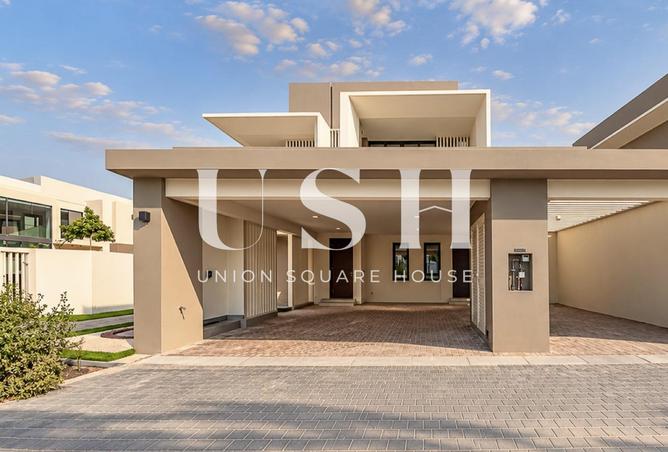

Villa
Listed 4 days ago
450,000 AED/year
Brand-New 4BR+Maids | Vacant | Single Row | Privat
Jebel Ali Village Villas, Jebel Ali Village, Jebel Ali, Dubai
4
5
6,986 sqft
-
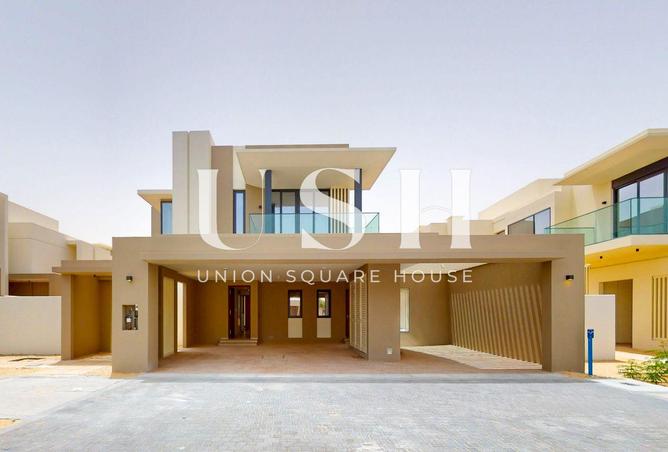
Villa
Listed 4 days ago
430,000 AED/year
Brand New 4BR Villa | Single Row | Large Plot
Jebel Ali Village Villas, Jebel Ali Village, Jebel Ali, Dubai
4
5
6,781 sqft
-
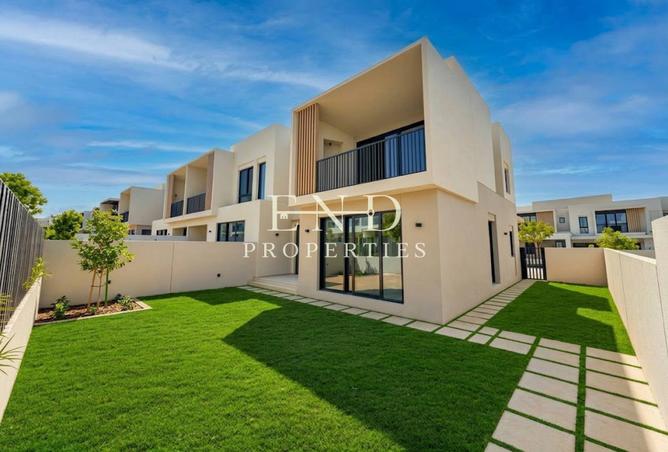

Townhouse
Listed 4 days ago
230,000 AED/year
Corner | Back to Back | Negotiable
Jebel Ali Village Townhouses, Jebel Ali Village, Jebel Ali, Dubai
4
5
3,700 sqft
-
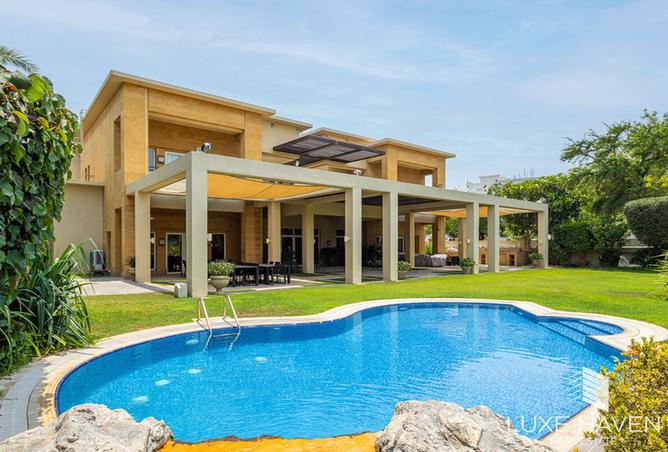

Villa
Listed 2 days ago
3,000,000 AED/year
Exquisite Villa | 7 Beds | Modern Interior
Sector E, Emirates Hills, Dubai
7
7+
23,261 sqft
-

Villa
Listed 3 days ago
2,050,000 AED/year
Exquisite Villa | Ultra Luxury | Available
Cluster 27, Oasis Clusters, Jumeirah Islands, Dubai
5
5
12,556 sqft
-
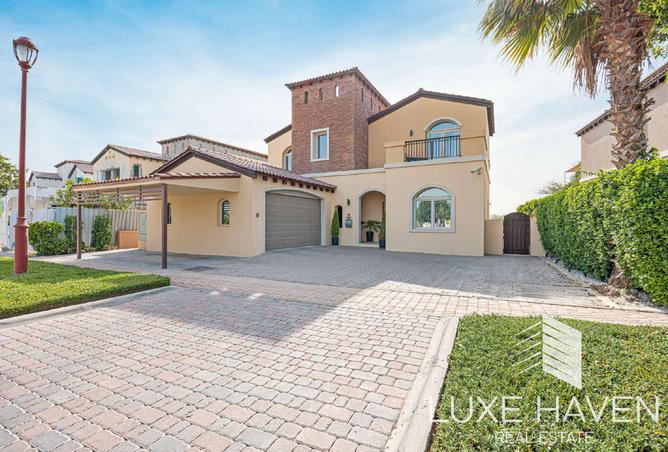
Villa
Listed 3 days ago
1,100,000 AED/year
Exclusive | Golf & Lake View | Prime Location
Sienna Lakes, Jumeirah Golf Estates, Dubai
5
6
8,803 sqft
-
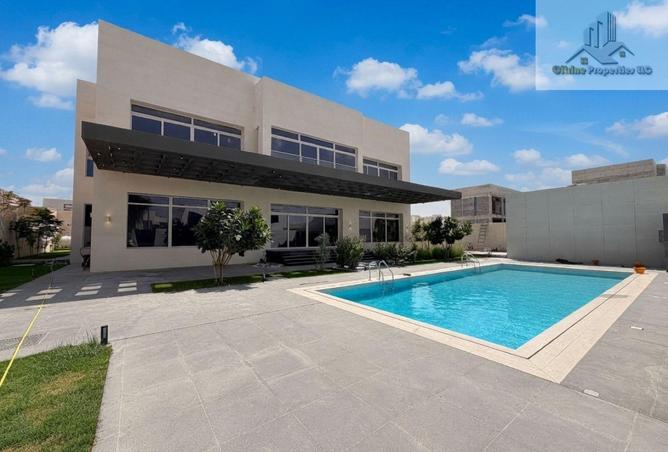

Villa
Listed 7 hours ago
800,000 AED/year
Swimming Pool | Garden Area | Elevator
Nad Al Sheba 4, Nad Al Sheba, Dubai
6
7+
17,082 sqft
-
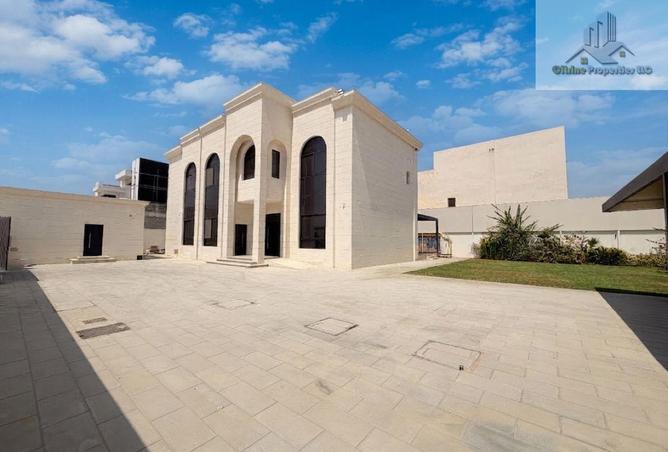
Villa
Listed 2 days ago
515,000 AED/year
Fully Smart Villa | Garden Area | Kids Play Area
Nad Al Sheba Villas, Nad Al Sheba 3, Nad Al Sheba, Dubai
5
7
13,121 sqft
Is Your Property Eligible?
Not every property can automatically operate as a holiday home in Dubai. Eligibility depends on classification, ownership, and community rules.
Apartments and villas classified as residential are generally eligible. Hotel apartments cannot be licensed under the holiday homes system.
Title deed classification determines whether a unit is registered as residential or commercial.
Owners vs Tenants

If you are the owner, you may apply directly. However, if you are a tenant, you must obtain the landlord’s written permission. Without formal approval, operating a holiday home may breach your tenancy contract.
Understanding your obligations under Dubai rental laws is essential before proceeding.
Safety & Insurance Requirements
Holiday homes in Dubai must meet safety standards, including fire extinguishers, smoke detectors, emergency signage, and valid home insurance.
These requirements are not optional. They form part of the DET inspection and approval process.
How to Apply for a Holiday Home Permit
In Dubai, all holiday homes must be registered and licensed through the Dubai Department of Economy and Tourism (DET). The application is completed online via the official Holiday Homes portal, and approval is required before the property can be advertised or rented on a short-term basis.
The process is structured but straightforward if your documentation is prepared in advance.
Registration and Application Steps
Applying for a holiday home permit in Dubai follows a clear, structured process. Preparing documents in advance speeds up and streamlines the approval process.
- Create an account on the DET Holiday Homes portal: Register through the official system and select whether you are applying as an individual homeowner or as a licensed operator managing properties for others. Your category determines the documents required.
- Upload required documents: You will typically need to provide:
- Title deed or Sale and Purchase Agreement (SPA)
- Emirates ID or passport copy
- Latest DEWA bill
- No Objection Certificate (NOC), if applicable
- Trade licence (for company applicants)
If you are a tenant, written landlord approval is mandatory. In some buildings, developer or Owners’ Association approval may also be required.
- Submit full property details: Enter accurate information, including unit type, number of bedrooms, address, and developer name. These details must match official records.
- Property inspection and classification: DET may inspect the property to ensure it meets safety and quality standards, including fire safety equipment and general guest readiness.
- Permit approval and listing requirement: Once approved, you will receive a permit number. This number must be displayed on all advertisements and booking platforms. Listings without a valid permit number may face penalties.
Complete and accurate documentation significantly reduces processing delays.
Permit Duration & Renewal

Holiday home permits in Dubai are typically valid for one year and must be renewed annually.
Owners must ensure the property remains compliant at the time of renewal. Failure to renew can result in suspension or fines.
Costs of Operating Holiday Homes in Dubai
Before entering the short-term rental market, it is essential to understand both licensing and ongoing operational expenses. Holiday homes in Dubai are regulated, and compliance comes with fixed government charges in addition to day-to-day running costs.
Government Fees
All operators must pay official DET-related charges before listing a property:
- Initial registration fee: approximately AED 1,520 per property
- Annual permit fee (1-bedroom): approximately AED 370
- Annual permit fee (3-bedroom): approximately AED 970
- Knowledge & Innovation fees: small additional government charges per transaction
These fees apply regardless of occupancy levels, so they should be factored into annual budgeting from the outset.
Setup & Operational Costs
Beyond licensing, owners must prepare the property to meet hospitality standards. Furnishing quality, safety compliance, and guest experience directly influence ratings and revenue.
Typical ongoing expenses include:
- Furnishing and interior décor
- Safety equipment and compliance upgrades
- Professional cleaning and maintenance
- Insurance covering short-term rental use
- Property management (if outsourced)
Many investors weigh these costs against projected nightly rates in high-demand areas such as Downtown or Dubai Marina, where tourism-driven occupancy can support stronger returns, or even properties near major event hubs like Dubai Sports City, which consistently attract athletic professionals and sports tourists.
Operational Responsibilities & Compliance
Once licensed, compliance becomes continuous.
- Permit Number Display: Your permit number must appear on all listings.
- Guest Registration & Occupancy: All guests must be registered through DET’s system. Occupancy limits depend on unit size.
- Tourism Dirham Collection: Holiday homes must collect Tourism Dirham fees and remit them to the authorities as required.
- Community Compliance: Building rules remain binding. Even if DET grants a permit, your Owners’ Association may impose additional conditions.
Owners in high-density residential areas should review community guidelines carefully before listing.
Risks of Non-Compliance
Operating holiday homes in Dubai without a valid permit can lead to significant fines, licence suspension, or forced listing removal.
There is also legal liability. Guest injuries, inaccurate listings, or building conflicts can result in financial exposure.
For landlords accustomed to annual contracts, it is important to recognise that short-term rental obligations differ substantially from those under standard tenancy contracts in Dubai.
Revenue Potential vs Costs
Holiday homes in Dubai can generate high income during peak tourism seasons.
However, realistic projections must factor in: platform commission, cleaning turnover, maintenance, vacancy periods, and seasonal demand shifts
Before committing, compare achievable nightly rates with average annual rental values in your community. Listings under property for rent in Dubai provide a benchmark for traditional leasing returns.
A balanced financial model ensures expectations align with actual performance.
Managing & Marketing Your Holiday Home

Operating holiday homes in Dubai requires a hospitality mindset. Guests expect professional presentation, smooth communication, and a reliable check-in process.
High-quality photography and clear, accurate descriptions are essential. Transparent pricing and updated availability build trust and improve booking performance. Seasonal demand, major events, and peak travel periods should all influence your nightly rates.
If you are based overseas or managing multiple properties, appointing a licensed holiday home operator can simplify operations. Professional management helps maintain compliance, guest satisfaction, and consistent year-round occupancy.
Final Checklist Before Listing
Before you publish your holiday home listing in Dubai on any platform, take a moment to confirm that all compliance and operational details are in place. A careful final review can prevent costly fines, guest disputes, or last-minute disruptions.
Make sure that:
- Your DET holiday home permit is active and valid
- All required safety equipment (fire extinguisher, first-aid kit, emergency plan) is installed
- Your insurance policy covers short-term rental activity
- Occupancy limits are clearly defined and reflected in your listing
- You understand how to collect and remit Tourism Dirham fees
- Your building management or Owners’ Association has no objections
Holiday homes in Dubai operate within a well-regulated framework. Approaching the process with preparation, clear documentation, and full transparency protects both your income and your reputation in a competitive market.
Key Takeaways
- Holiday homes in Dubai offer a viable income opportunity for property owners, but they operate within a structured regulatory framework.
- A valid DET permit is mandatory, and eligibility depends on property classification, ownership status, and building regulations.
- Costs include registration fees, annual bedroom-based permit fees, furnishing, insurance, and operational expenses.
- Ongoing compliance, including guest registration, Tourism Dirham collection, and the display of permit numbers, is essential.
- When approached professionally, holiday homes can complement traditional leasing strategies, but proper documentation and legal adherence remain critical.
FAQs
Hotel apartments and hotel-managed units cannot be licensed as holiday homes.
Only with written landlord approval and required NOCs.
Each property must be individually licensed, but there is no strict limit on the number of compliant owners.
Typically no. The entire unit must be registered and compliant.
Processing times vary, but complete applications generally move through inspection and approval faster.