



The skylines of Dubai and Abu Dhabi stand among the world’s most recognisable, where glass towers rise from the desert as symbols of innovation and modern living. The classification of high rise buildings plays a key role in shaping these skylines. From waterfront residences to commercial icons, the UAE’s urban story is defined by its high-rise architecture.
High-rises dominate both residential and commercial landscapes, shaping how homebuyers and investors plan their portfolios. But what exactly qualifies as a high-rise, and why does it matter for safety, design, and investment?
Understanding this classification helps buyers, developers, and investors interpret property data, assess safety standards, and identify opportunities in the evolving UAE real estate market.
- What Is a High-Rise Building?
- Definition by Codes and Standards
- Comparison: Low-, Mid-, and High-Rise Buildings
- Types of High-Rise Buildings
- Structural Classification and Design Principles
- Safety Requirements and Challenges
- Investment Insights and Market Trends
- Key Takeaways
- FAQs
Explore luxury apartments for sale in Dubai’s most iconic high-rise towers on Property Finder, and look for the SuperAgent badge to connect with verified experts specialising in premium vertical living.
-
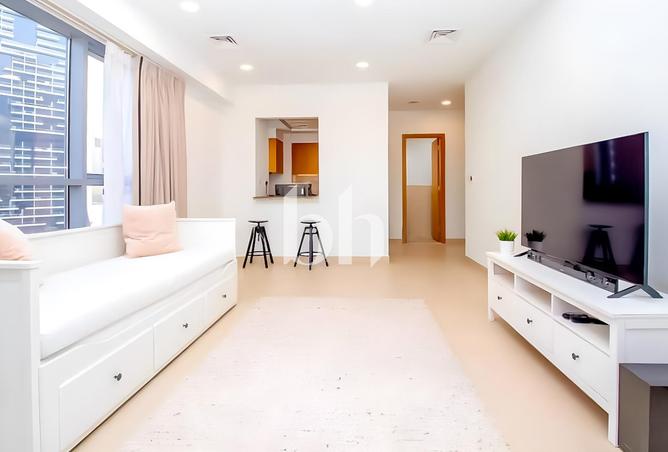

Apartment
Listed 2 days ago
1,950,000 AED
Spacious 1 Bedroom | Burj View | Vacant Soon
Bellevue Tower 2, Bellevue Towers, Downtown Dubai, Dubai
1
2
854 sqft
-
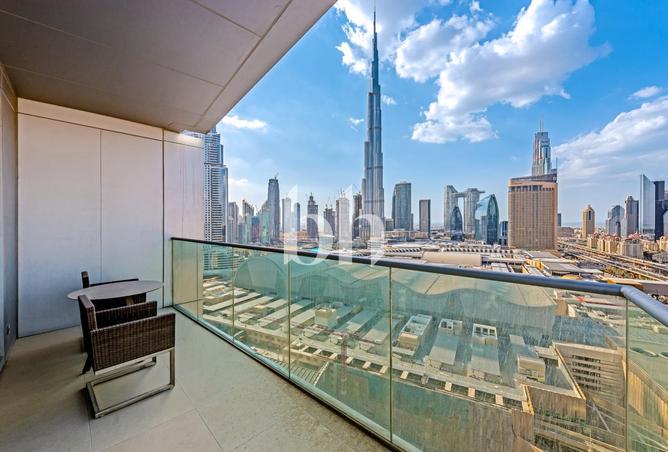
Apartment
Listed 2 weeks ago
5,600,000 AED
Burj Khalifa View | Luxury | Vacant Soon
The Address Residence Fountain Views 2, The Address Residence Fountain Views, Downtown Dubai, Dubai
2
3
1,451 sqft
-
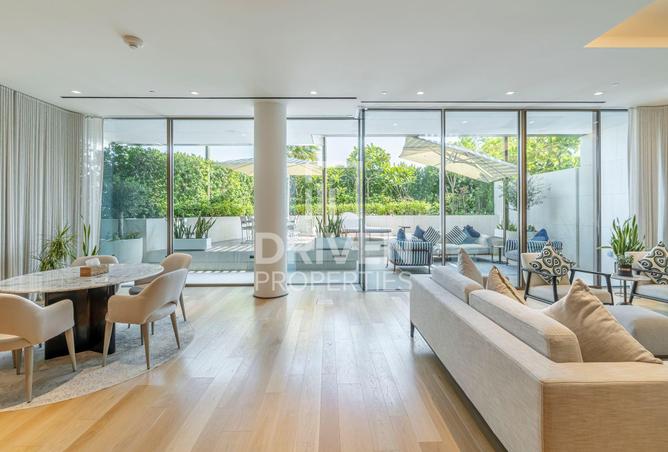
Apartment
Listed 2 weeks ago
39,900,000 AED
Luxurious Duplex Loft with Bulgari Marina View
Bulgari Resort & Residences 6, Bulgari Resort & Residences, Jumeirah Bay Island, Jumeirah, Dubai
2
3
4,576 sqft
-
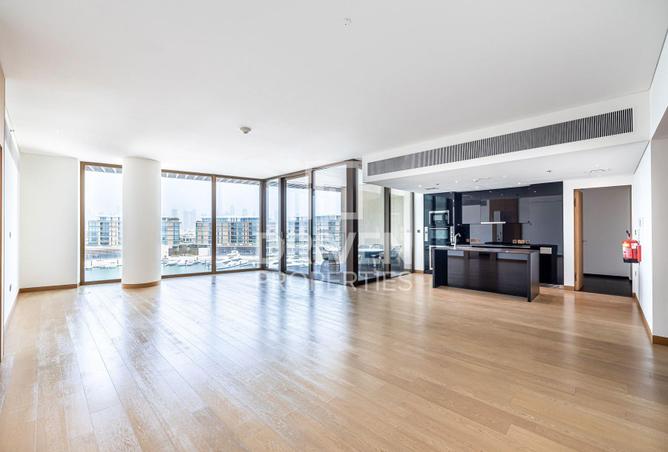
Apartment
Listed 2 weeks ago
40,000,000 AED
Luxurious | High Floor with Full Marina View
Bulgari Resort & Residences 6, Bulgari Resort & Residences, Jumeirah Bay Island, Jumeirah, Dubai
3
4
2,611 sqft
-
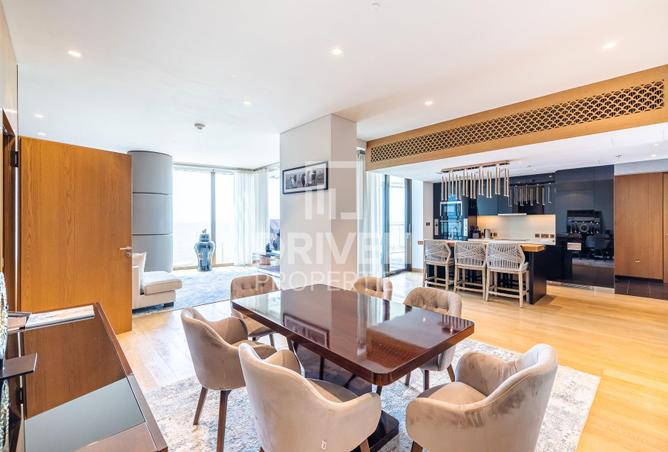
Apartment
Listed 2 weeks ago
32,000,000 AED
Fully Upgraded with Sea and Skyline View
Bulgari Resort & Residences 6, Bulgari Resort & Residences, Jumeirah Bay Island, Jumeirah, Dubai
3
4
2,630 sqft
-
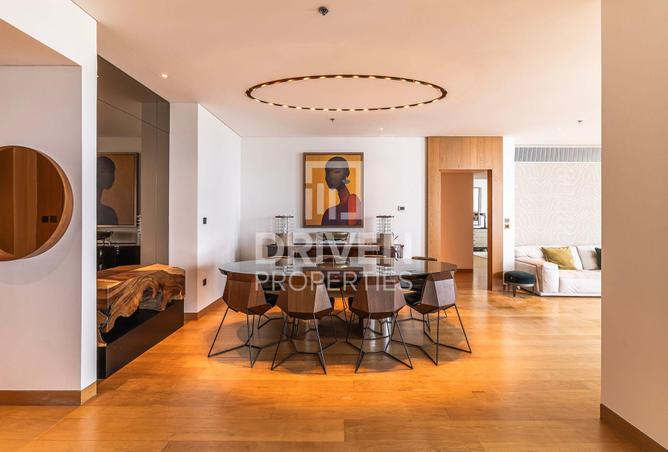
Apartment
Listed 2 weeks ago
38,000,000 AED
High Floor | Luxurious with Full Skyline Views
Bulgari Resort & Residences 2, Bulgari Resort & Residences, Jumeirah Bay Island, Jumeirah, Dubai
3
4
2,631 sqft
-
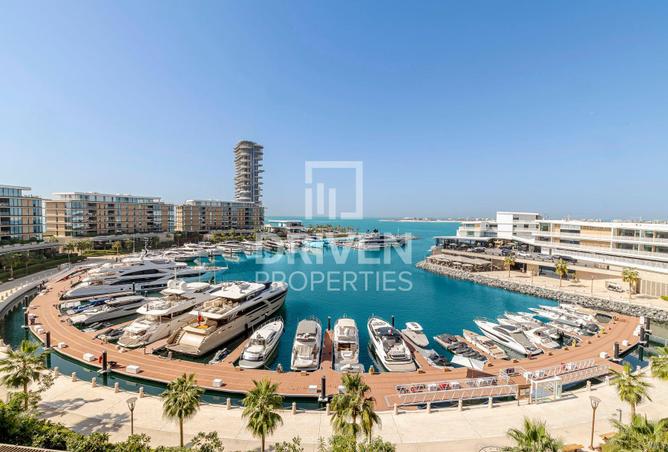
Apartment
Listed 2 weeks ago
25,000,000 AED
Spacious Apt | High Floor with Marina View
Bulgari Resort & Residences 2, Bulgari Resort & Residences, Jumeirah Bay Island, Jumeirah, Dubai
2
3
1,938 sqft
-
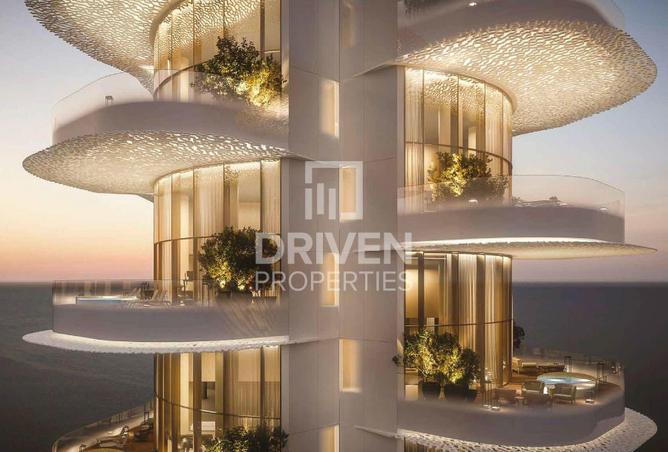
Apartment
Listed 2 weeks ago
155,000,000 AED
Opulent Design Unit | Burj Al Arab Views
Bulgari Lighthouse, Jumeirah Bay Island, Jumeirah, Dubai
5
6
11,655 sqft
-
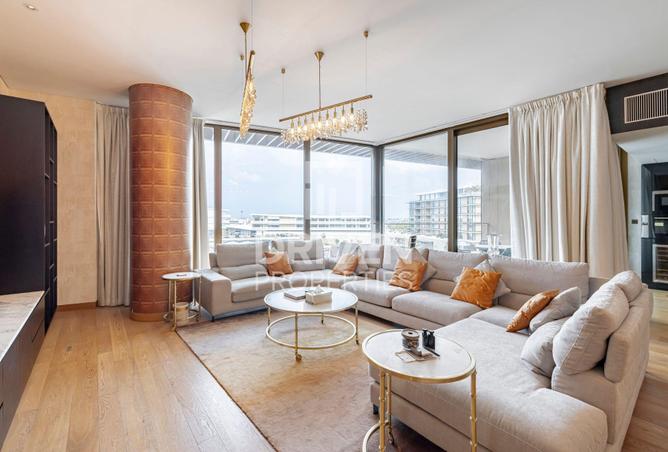
Apartment
Listed 3 weeks ago
38,000,000 AED
Luxurious Unit with Marina View | Partly Furnished
Bulgari Resort & Residences 3, Bulgari Resort & Residences, Jumeirah Bay Island, Jumeirah, Dubai
3
4
2,698 sqft
-
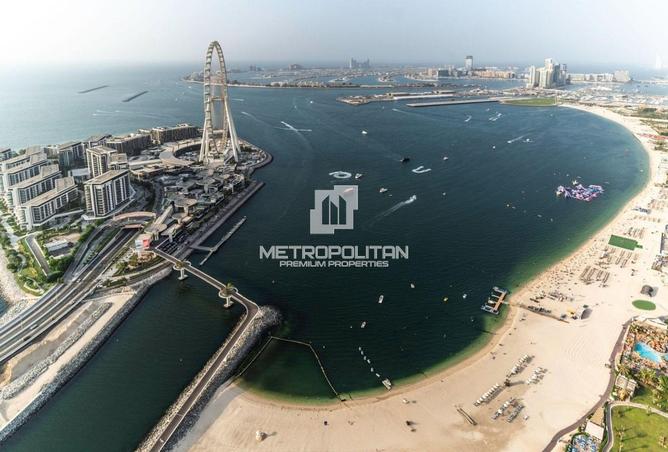
Apartment
Listed 1 day ago
11,000,000 AED
Luxury 3 Beds | Sea and Palm Views | High Floor
Jumeirah Gate Tower 2, The Address Jumeirah Resort and Spa, Jumeirah Beach Residence, Dubai
3
4
1,927 sqft



What Is a High-Rise Building?
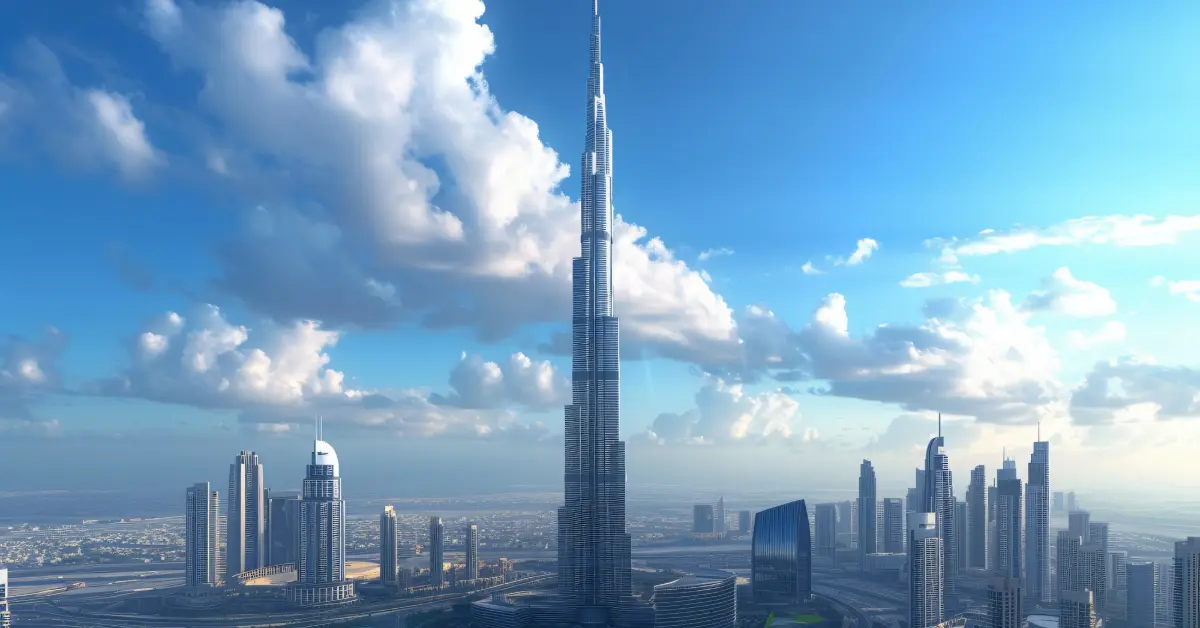
A high-rise is any structure tall enough to require elevators, advanced fire-safety systems, and engineered stability to withstand wind and seismic forces. Globally, the classification begins around 12 storeys or when occupied floors exceed 23 m above ground level, beyond standard firefighting reach.
In essence, a high-rise is a vertical solution to urban density, maximising land efficiency while offering a mix of residential, commercial, or hospitality spaces in a compact footprint.
Definition by Codes and Standards
The International Building Code (IBC) defines a high-rise as any structure with an occupied floor more than 23m above emergency access. This marks the point at which firefighting and evacuation require specialised systems such as elevators, sprinklers, and smoke control.
In the UAE, Dubai Civil Defence (DCD) and Abu Dhabi DMT adapt these standards locally, setting strict requirements on materials, evacuation systems, and redundancy.
Key regulatory references:
These regulations form the backbone of high-rise design and operation in the UAE. Enforced by Dubai Municipality, Abu Dhabi DMT, and Civil Defence, they govern everything from structural stability to fire safety and accessibility. For developers, these codes ensure each tower meets global benchmarks for safety and performance.
- IBC Section 403: Defines high-rise threshold and design mandates.
- NFPA 101 (Life Safety Code): Specifies fire protection and evacuation routes.
- CTBUH (Council on Tall Buildings and Urban Habitat): Differentiates tall, super-tall (300m+), and mega-tall (600m+) classifications.
These definitions matter not only for architects and engineers; they directly influence construction costs, building management requirements, and insurance standards.
Comparison: Low-, Mid-, and High-Rise Buildings
High-rise classification sits alongside low- and mid-rise types that shape the UAE’s skyline. Height determines not just aesthetics but complexity, amenities, and investment profile.
The table below outlines how these types differ in height, function, and typical applications across modern developments.
| Building Type | Typical Height (Storeys) | Common Use Cases |
| Low-rise | Up to 4 | Villas, garden apartments, suburban offices |
| Mid-rise | 5–10 | Urban apartments, mid-sized offices, boutique hotels |
| High-rise | 12 and above | Residential towers, hotels, commercial skyscrapers, mixed-use projects |
Communities like JVC and Dubai Hills Estate feature mid-rise buildings ideal for families, while Downtown Dubai and Dubai Marina showcase supertall towers.
Explore available high-rise apartments in Dubai Marina on Property Finder.
Types of High-Rise Buildings
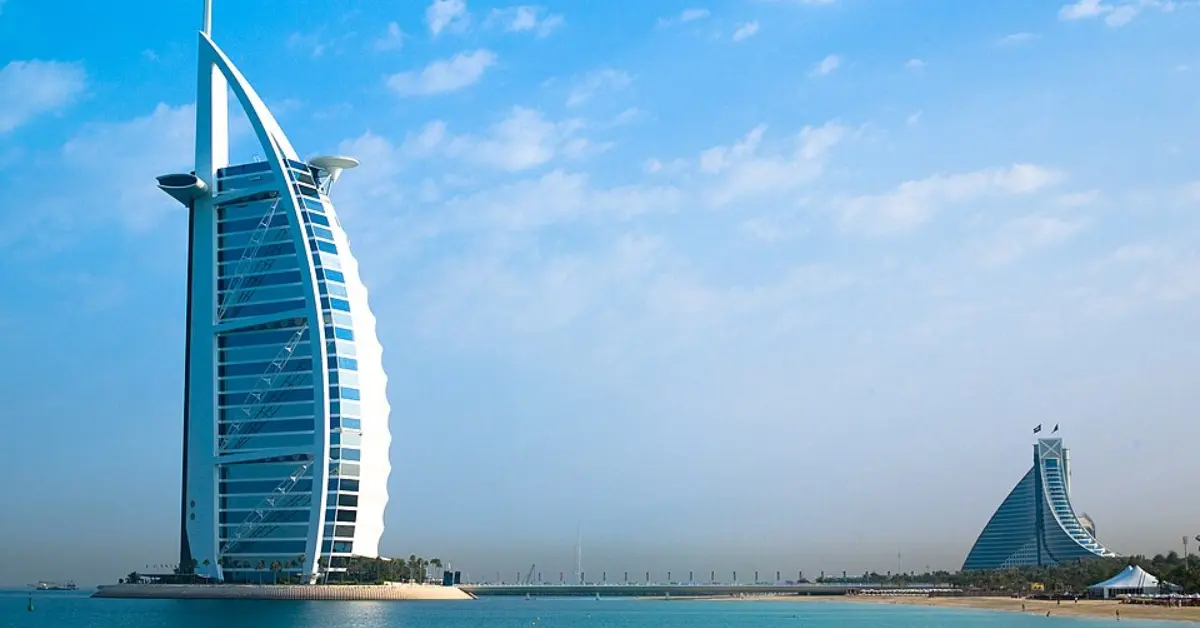
Modern skylines are composed of diverse high-rise types, each serving distinct urban needs; from residential comfort to commercial efficiency to mixed-use integration.
- Residential High-Rise: Multi-family residential towers offering amenities such as pools, gyms, concierge services, and panoramic views. Ideal for professionals and families seeking secure, amenity-rich city living.
- Commercial High-Rise: Commercial office towers host regional headquarters and corporate offices. Examples include Emirates Towers and ICD Brookfield Place.
- Mixed-Use High-Rise: These mixed-use skyscrapers combine residential, retail, and hospitality under one roof, creating vibrant “vertical cities.”
- Hotel High-Rise: Hotel towers define the luxury travel experience, integrating suites, fine dining, and rooftop leisure facilities. Assets such as the JW Marriott Marquis and Burj Al Arab attract both tourists and hospitality investors.
- Sustainable: Green high-rises aim to achieve LEED or Estidama ratings, featuring solar panels, efficient façades, and greywater recycling systems. With the UAE’s Net Zero 2050 initiative, sustainable towers are now a top investment category commanding resale premiums.
Structural Classification and Design Principles
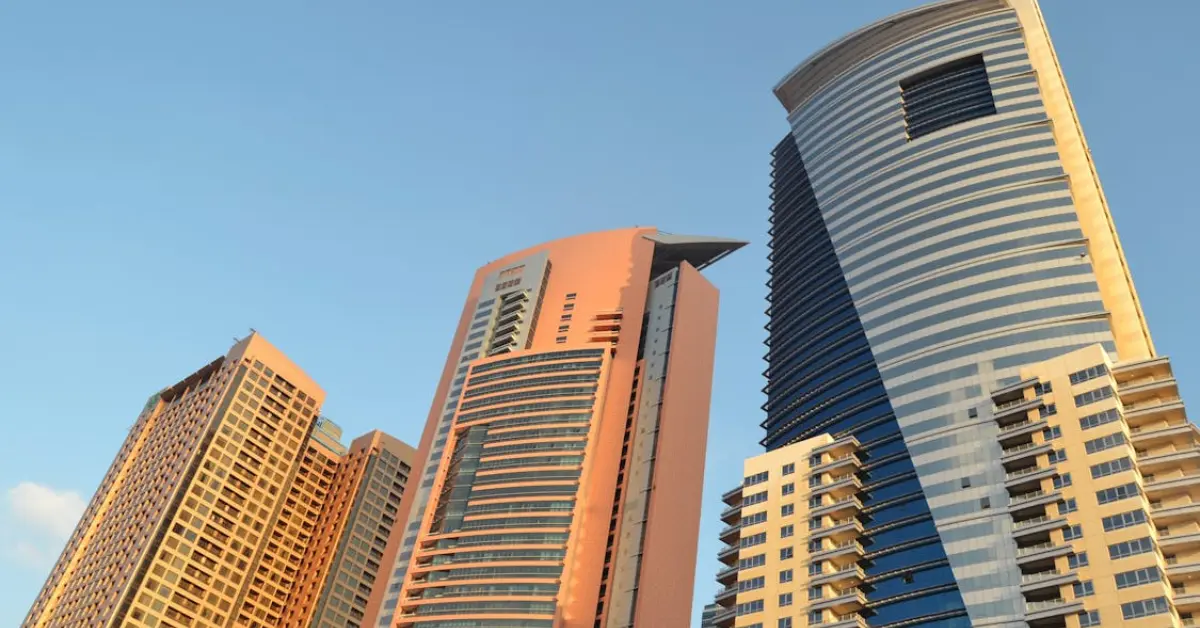
Designing a high-rise is about achieving perfect equilibrium between gravity, wind, and human comfort. The higher a building rises, the more critical its structure becomes -not only to ensure safety but also to enhance aesthetics, stability, and sustainability.
The table below summarises the most common structural systems used in high-rise construction, showing how each supports varying building heights and design goals.
Structural Systems Used in High-Rise Buildings
| System Type | Description | Typical Height Range |
| Rigid Frame | Beams and columns for flexibility. | Up to 90m |
| Shear Wall / Truss System | Reinforced walls resist lateral loads. | 38–150m |
| Framed Tube | Perimeter columns forming a stiff “tube.” | 38–300m |
| Trussed Tube | Adds diagonal bracing for increased stability. | 240–360m |
| Bundled Tube | Multiple tubes joined supertall towers. | 300m+ |
These systems underpin global icons like the Burj Khalifa and Marina 101, both of which use a bundled tube approach to withstand desert winds and seismic forces.
Key Design Considerations
Once the structural system is defined, design moves into a more intricate phase — ensuring that the tower not only stands tall, but performs efficiently, safely, and sustainably.
The following key considerations guide modern high-rise design, ensuring safety, sustainability, and long-term functionality.
- Structural integrity: Must counteract gravity, wind pressure, and potential seismic forces.
- Materials: High-strength concrete, steel, or composite systems.
- Vertical transportation: Smart elevators with destination control systems reduce wait times.
- Aesthetics: Designs often balance cultural identity with modern minimalism.
- Sustainability: Green roofs, efficient glazing, and water recycling are now standard for Dubai approvals.
Use Property Finder’s Home Value Estimator to benchmark values of high-rise apartments by location and size.
Tip: Developers in Dubai must submit sustainability reports aligned with the Dubai Green Building Regulations and Specifications (GBRS) to obtain building permits.
Architectural Trends in the UAE
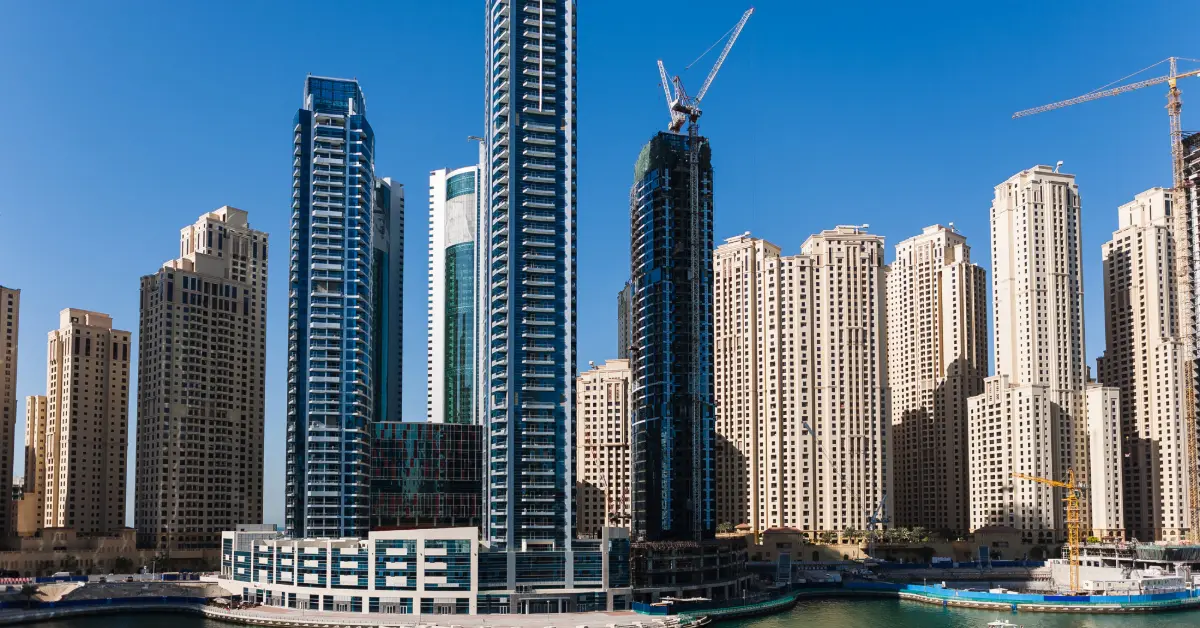
The architectural evolution of the UAE mirrors its vision of innovation and sustainable growth. Over the past two decades, Dubai and Abu Dhabi have transformed into global showcases of intelligent, efficient, and culturally rooted architecture. Each new tower represents more than engineering progress; it reflects the UAE’s commitment to livable urban environments aligned with Vision 2030.
- Mixed-use integration: Vertical communities, combining residential, commercial, and leisure functions under one roof. Developments like Dubai Creek Harbour and Maryah Island exemplify this trend.
- Smart building systems: IoT-driven management allows real-time control of lighting, air quality, and energy consumption, enhancing sustainability and user comfort. Many new towers integrate PropTech features and digital concierge platforms.
- Cultural architecture: UAE architects continue to reinterpret traditional elements such as mashrabiya patterns, courtyards, and shading screens into contemporary façades that merge identity with efficiency.
- Skyline branding: Landmark towers—from Burj Khalifa and the Museum of the Future to ADNOC Headquarters—serve as architectural icons that brand entire districts, boosting property values and investor interest.
Safety Requirements and Challenges
Safety is the foundation of every high-rise building, especially in the UAE, where skyscrapers define city skylines. As buildings rise higher, safety design evolves from simple protection to sophisticated, multi-layered resilience. Dubai Civil Defence and Abu Dhabi DMT enforce some of the most stringent fire and life-safety codes in the region, aligning with international frameworks such as the National Fire Protection Association (NFPA) and the International Building Code (IBC).
These regulations have positioned the UAE as a global leader in high-rise safety.
Building Codes and Fire Safety
UAE codes, notably the UAE Fire and Life Safety Code of Practice, set detailed requirements for detection, suppression, and evacuation systems in all high-rise developments. These standards are based on NFPA and IBC frameworks, adapted for local climate and construction methods.
Core requirements include:
- Automatic sprinkler systems and smoke detectors across all floors.
- Fire-rated stairwells and smoke-proof refuge areas.
- Emergency lighting and pressurised escape routes.
- Redundant power supplies and water storage for firefighting.
- Periodic safety inspections by certified consultants.
Emergency Planning and Accessibility
Emergency planning in UAE high-rises prioritises quick, safe evacuation and full accessibility. Designs include protected stairwells, refuge areas, and evacuation elevators, ensuring all occupants, including those with disabilities, can exit safely during emergencies.
Key measures include:
- Evacuation elevators are designed for disabled occupants.
- Refuge floors every 20–25 storeys in supertall towers.
- Accessible design per the UAE Fire and Life Safety Code of Practice for all residents.
- Smart alarm systems are integrated with Dubai Civil Defence command centres.
- Risk Mitigation for Natural Events
- Seismic bracing for fault zones.
- Aerodynamic shaping and damping systems to counter wind-induced sway.
- Lightning protection systems are integrated into the superstructure.
Did you know? The Burj Khalifa’s spire sways up to 1.5 meters during extreme wind, safely within design limits.
Investment Insights and Market Trends
After safety and design, the factors investors care most about are returns, demand, and long-term value. In Dubai and Abu Dhabi, high-rises have become the most efficient real estate asset class.
These towers don’t just house people; they redefine skylines, create branded districts, and deliver consistent rental income. High-rises in areas such as Downtown Dubai, Business Bay, and Al Reem Island continue to outperform due to location, amenities, and mixed-use integration.
Check Market Insights to compare ROI and rental yields across high-rise communities.
Benefits of High-Rise Investment
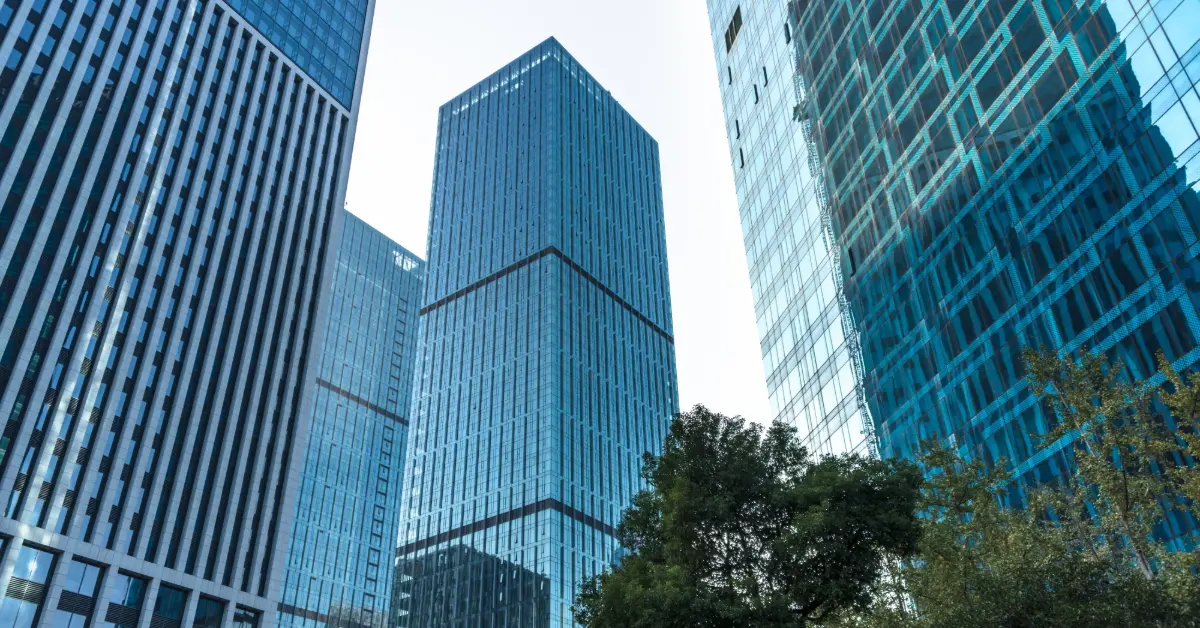
High-rises appeal to investors for their prime positioning, strong rental demand, and vertical efficiency. They allow developers to maximise returns per square metre while offering premium amenities and city connectivity.
Top advantages include:
- Maximised Land Use: High-rises multiply returns per square meter by building upward instead of outward.
- Prime Urban Locations: Towers in Downtown Dubai or Al Maryah Island attract premium tenants and steady rental demand.
- Modern Amenities: Concierge services, smart access systems, gyms, and pools boost desirability.
- Iconic Branding: A tower’s name alone, like Burj Vista or The Address, adds market value.
Investor Considerations
While profitable, high-rise developments come with greater complexity and cost. Long construction cycles and specialised materials increase financial exposure, but the payoff is often long-term capital stability and premium yields.
Key factors to consider:
- Development timeline: Average of 4–6 years for completion.
- Operational cost: Maintenance of façades, elevators, and chillers can be significant.
- Compliance: Fire and sustainability regulations add to upfront cost but protect long-term value.
- Market volatility: Luxury units can be more cyclical; mid-luxury towers tend to perform more steadily.
For investors seeking resilience, mid-luxury high-rises in communities such as Business Bay, Dubai Creek Harbour, and Al Reem Island offer balanced yields and liquidity.
Emerging Trends Shaping High-Rise Investment
The new generation of UAE high-rises blends sustainability, technology, and community. Green certifications now influence pricing, and PropTech innovations are improving tenant retention through smart access, energy monitoring, and digital concierge platforms.
Current trends include:
- Sustainable Towers: LEED- and Estidama-certified projects achieve resale premiums of 10–15% or more.
- Smart Building Integration: PropTech enables real-time data, energy control, and predictive maintenance.
- Mixed-Use Flexibility: Towers combining homes, offices, and retail units spread risk across sectors.
- Vertical Communities: Rooftop gardens, co-working lounges, and shared amenities foster social engagement and wellness.
Key Takeaways
High-rise buildings define the UAE’s modern urban identity with a blend of design innovation, engineering precision, and premium investment opportunities. Typically classified as towers exceeding 12 storeys or 75 feet, they’re governed by global safety standards and local regulations set by Dubai Civil Defence and Abu Dhabi DMT.
From residential towers on Palm Jumeirah to mixed-use skyscrapers in Downtown Dubai and Al Maryah Island, high-rises optimise land use while offering world-class amenities, sustainability, and panoramic views.
Their success depends on balance: structural complexity, regulatory compliance, and market performance. Developers must meet sustainability and fire-safety benchmarks, while investors focus on yield, appreciation, and long-term resilience.
For homebuyers and investors alike, the UAE’s high-rise segment continues to deliver, combining strong rental demand, architectural prestige, and future-ready design.
FAQs
Any structure with an occupied floor more than 75 feet (23 meters) above the fire vehicle access level, as defined by IBC and adopted in UAE codes.
Low-rise typically means up to four storeys, mid-rise up to ten, and high-rise twelve or more, usually requiring elevators and sprinkler systems.
Rigid frame, shear wall, framed tube, trussed tube, and bundled tube designs – chosen based on height, load, and architectural intent.
Automatic sprinklers, pressurised stairwells, smoke-proof refuge areas, and 24/7 fire command centre integration.
Yes, especially in prime districts like Downtown Dubai, Dubai Marina, and Al Reem Island. Returns often range between 6% and 8%, depending on quality and location.
Developers now prioritise energy-efficient façades, water-saving systems, and smart management to achieve LEED or Estidama certification.
Look for Property Finder’s SuperAgent badge; it highlights top-performing, verified agents who consistently deliver excellent service and fast responses.