



For renting in the UAE, choosing between short-term and long-term rentals depends on far more than rental price alone. Tenants usually look at flexibility, convenience and upfront costs, while landlords and investors focus more on occupancy, return on investment (ROI), legal compliance and long-term stability.
Short-term rentals have grown significantly in cities like Dubai and Abu Dhabi, driven by tourism, remote work, and demand for flexible living arrangements. At the same time, long-term rentals remain the preferred option for residents, families and investors seeking predictable income and lower operational involvement.
Both renting in UAE models have different financial structures, legal requirements, management responsibilities, and risks. Understanding how each works can help both tenants and property owners make better long-term decisions.
- Defining Short-Term and Long-Term Rentals
- Costs: What Owners and Tenants Should Budget For
- Return on Investment (ROI): Gross vs Net Yields
- Legal & Regulatory Rules of Renting in UAE
- Pros & Cons Comparison
- When Each Model Works Best for Renting in UAE
- Real-World Comparisons & Sample Numbers
- Key Takeaways
- FAQs
Defining Short-Term and Long-Term Rentals

Short-term rentals (STRs) typically range from a few nights to several months and are usually offered as fully furnished units with utilities, internet and services included. They are commonly used by tourists, business travellers, remote workers and residents looking for temporary accommodation.
Long-term rentals (LTRs), on the other hand, generally involve lease agreements lasting 12 months or more. These properties are often unfurnished or semi-furnished, with tenants usually responsible for utilities, internet and some ongoing living costs.
The difference between the two models goes beyond contract duration. Payment structure, legal regulations, tenant expectations and operational costs vary significantly between short-term and long-term arrangements.
Costs: What Owners and Tenants Should Budget For
The overall cost difference between short-term and long-term rentals goes far beyond monthly rent alone. Both landlords and tenants need to account for setup costs, ongoing operational expenses and additional fees that can significantly affect overall affordability and profitability. In many cases, the cheaper option upfront may not necessarily be the more cost-effective solution over time.
Costs for Short-Term Rentals
Short-term rentals usually involve higher operational and setup costs because properties must remain fully furnished, guest-ready and actively maintained throughout the year.
For landlords, common expenses include:
- Holiday home licence and permit fees
- Furnishing and interior setup
- Utilities and internet
- Cleaning and housekeeping
- Frequent maintenance and repairs
- Property management company fees
Management companies often charge around 15%–25% of revenue depending on services provided.
Seasonality also affects profitability. Demand usually rises between November and March, while the summer months can lead to lower occupancy and reduced nightly rates.
For tenants, short-term rentals generally cost more on a monthly basis, but they provide flexibility and all-inclusive convenience without long-term commitment.
Explore Short Term Rentals in Dubai
-


Villa
Listed 2 days ago
35,000,000 AED
Exclusive | BCI Finish | Extended Villa
Cluster 18, Contemporary Cluster, Jumeirah Islands, Dubai
4
5
10,709 sqft
-
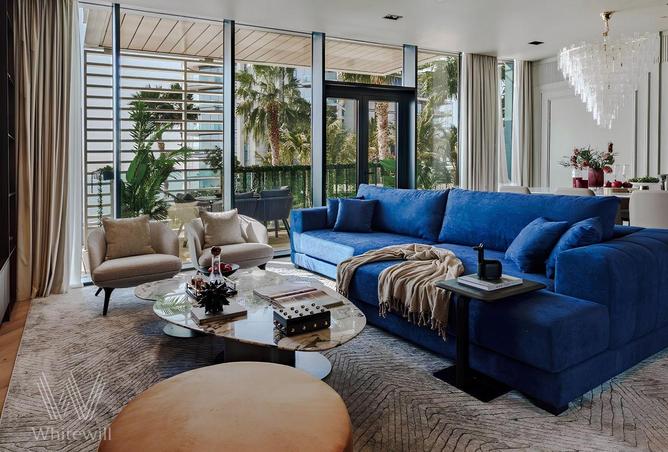
Apartment
Listed 2 days ago
11,300,000 AED
Island Living|Stunning Sea View |Upgraded Interior
Bluewaters Residences Building 2, Bluewaters Residences, Bluewaters, Dubai
2
3
1,488 sqft
-
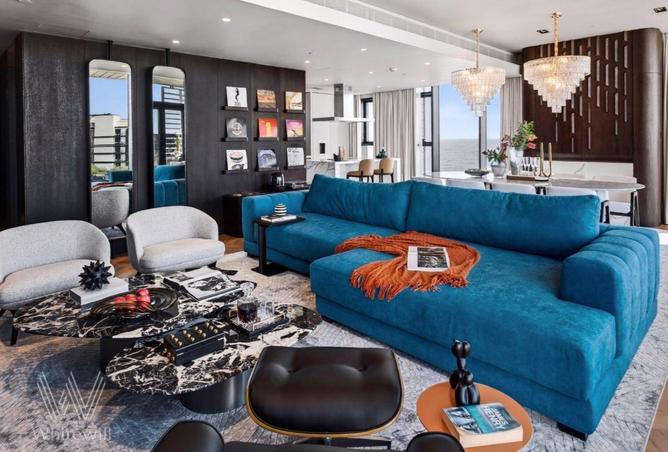
Apartment
Listed 2 days ago
16,800,000 AED
Ain Dubai and Sea View|Luxury Upgraded|Corner Unit
Bluewaters Residences Building 2, Bluewaters Residences, Bluewaters, Dubai
3
4
2,115 sqft
-
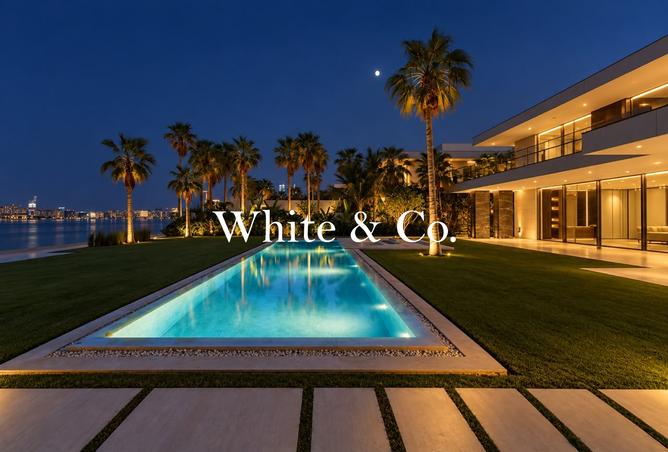
Villa
Listed 7 days ago
369,000,000 AED
Masterpiece | Private Beach | Trophy Home
Eome Residences, The Crescent, Palm Jumeirah, Dubai
6
7+
24,921 sqft
-

Villa
Listed 1 week ago
11,000,000 AED
Exclusive D1 Villa|Expansive Layout |Luxury Living
Jebel Ali Village Villas, Jebel Ali Village, Jebel Ali, Dubai
5
6
6,942 sqft
-
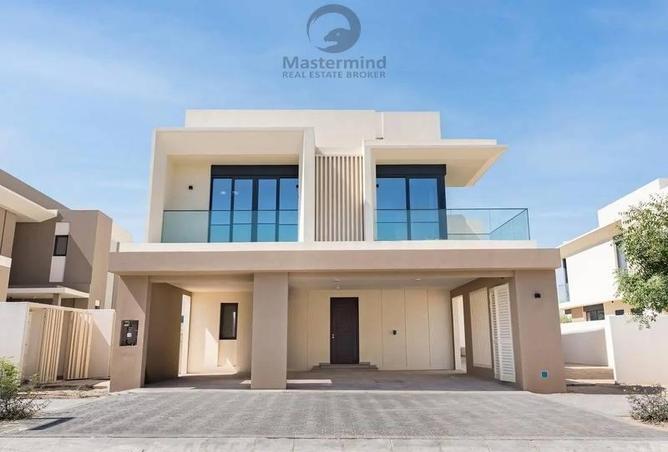
Villa
Listed 1 week ago
11,000,000 AED
Contemporary D1 Villa | Expansive Living Spaces
Jebel Ali Village Villas, Jebel Ali Village, Jebel Ali, Dubai
5
6
6,794 sqft
-
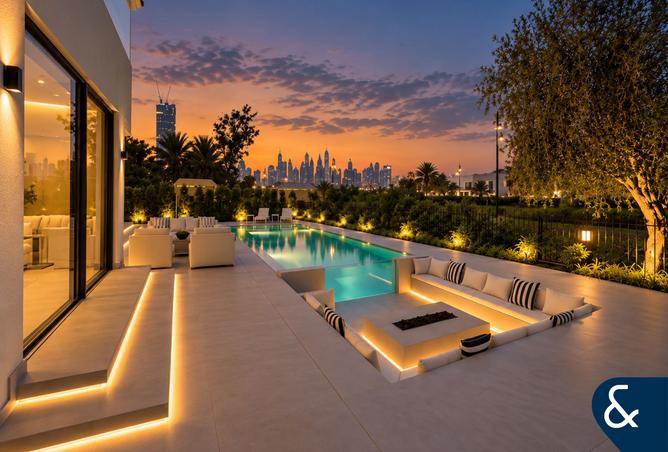
Villa
Listed 19 hours ago
29,950,000 AED
4 Bed | Huge plot | Skyline View | Upgraded
Cluster 10, European Clusters, Jumeirah Islands, Dubai
4
5
11,039 sqft
-
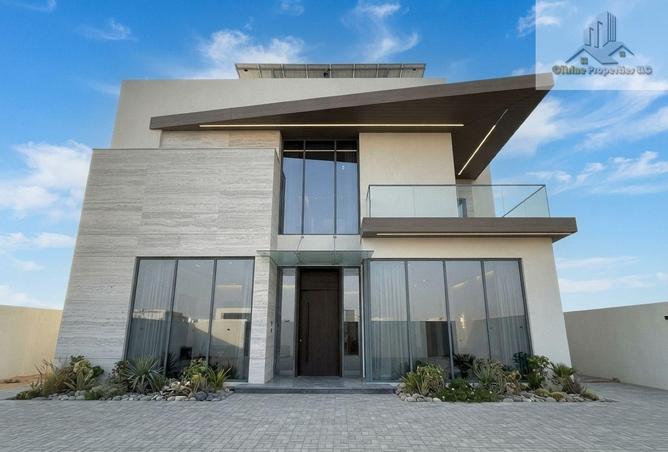
Villa
Listed 1 day ago
499,000 AED/year
Contemporary Villa| Garden Area | Covered Parking
Nad Al Sheba Villas, Nad Al Sheba 3, Nad Al Sheba, Dubai
5
7
13,105 sqft
-

Villa
Listed 2 days ago
33,000,000 AED
High Number | Prestigious Address | Multiple Units
Palm Jebel Ali Frond P, Palm Jebel Ali, Dubai
7
7+
13,556 sqft
-

Villa
Listed 2 days ago
31,990,000 AED
High Number | Luxury Living | Multiple Options
Palm Jebel Ali Frond P, Palm Jebel Ali, Dubai
7
7+
13,556 sqft







Costs for Long-Term Rentals
Long-term rentals generally involve lower operational costs and more predictable financial planning.
For landlords, ongoing costs are usually lower because tenants often handle:
- Utility bills
- Internet services
- Day-to-day upkeep
- Some maintenance responsibilities
Landlords may still need to account for:
- Ejari registration
- Brokerage commissions
- Property maintenance
- Service charges
- Vacancy periods between tenants
For tenants, long-term rentals usually require:
- Security deposits
- Post-dated cheques
- Utility setup costs
- Furnishing expenses in some cases
Although upfront costs can be higher, long-term rentals are usually more economical.
Return on Investment (ROI): Gross vs Net Yields

Rental income can look very different once operational expenses, vacancies and management costs are factored in. While short-term rentals often advertise higher gross returns, net profitability depends heavily on occupancy levels, seasonal demand and maintenance expenses. Long-term rentals, meanwhile, generally prioritise consistency and lower financial volatility over maximum short-term gains.
Short-Term Rental ROI
Short-term rentals often generate higher gross yields in prime tourist and business areas such as Dubai Marina, Downtown Dubai, Palm Jumeirah, and Business Bay.
Gross rental yields can sometimes reach 9%–14% in strong-performing locations.
However, net yields are typically lower after deducting:
- Management fees
- Utilities
- Cleaning costs
- Maintenance
- Vacancy periods
- Permit renewals
In many cases, realistic net yields fall between 5% and 8%.
Explore Apartments for Rent in Business Bay
-
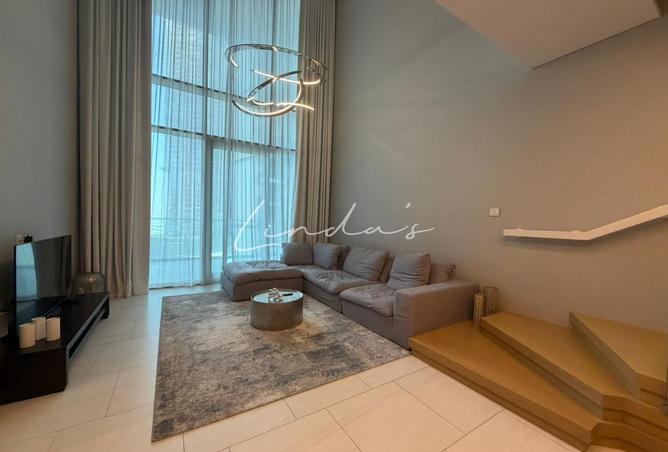
Apartment
Listed 4 weeks ago
148,999 AED/year
Loft Apartment | Luxury- Modern | Prime Location
SLS Dubai Hotel & Residences, Business Bay, Dubai
1
2
1,082 sqft
-
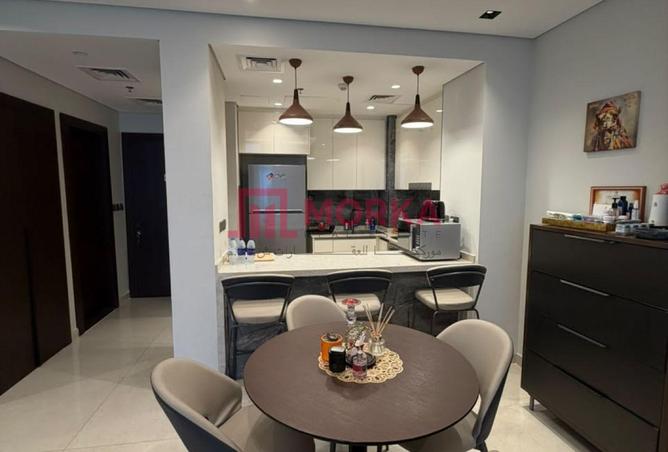
Apartment
Listed 3 days ago
150,000 AED/year
2 BR Furnished Apartment with Landmark View
Nobles Tower, Business Bay, Dubai
2
4
1,269 sqft
-
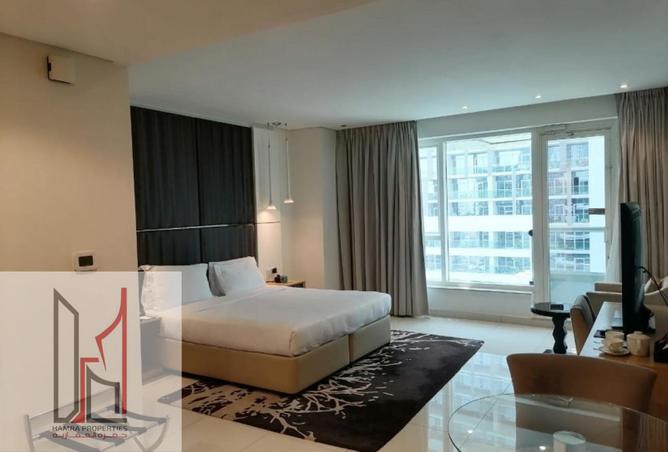
Apartment
Listed 2 days ago
65,000 AED/year
Fully Furnished Studio | Prime Location |Burj View
Damac Maison Canal Views, Business Bay, Dubai
studio
1
475 sqft
-
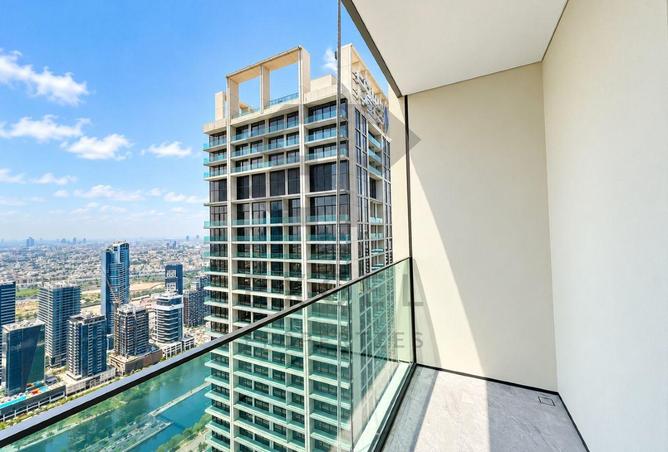
Apartment
Listed 2 days ago
130,000 AED/year
New 1BR | High Floor | Burj Khalifa & Canal Views
Peninsula Four, Peninsula, Business Bay, Dubai
1
2
829 sqft
-

Apartment
Listed 2 days ago
79,999 AED/year
Spacious Studio | Skyline View | 12 Cheques Option
Peninsula Two, Peninsula, Business Bay, Dubai
studio
1
408 sqft
-

Apartment
Listed 4 days ago
189,999 AED/year
Flex Terms | Upgraded | Canal Views | Key Ready
Peninsula Three, Peninsula, Business Bay, Dubai
2
2
945 sqft
-
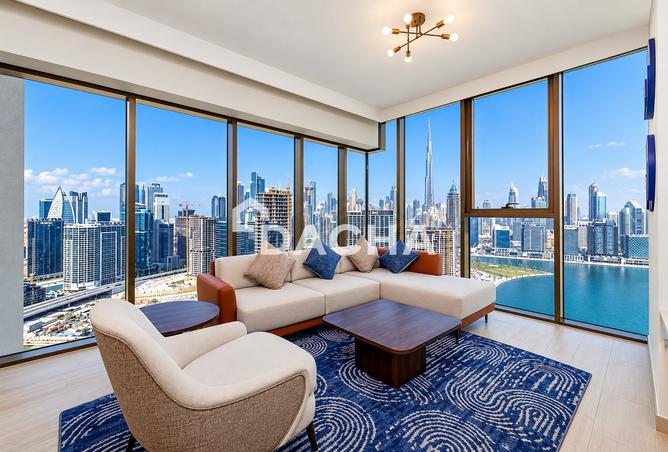
Apartment
Listed 1 week ago
149,850 AED/year
Best Amenities | Bills Included Options | 1 Bed
One of One Luxury Residences, Business Bay, Dubai
1
2
1,016 sqft
-

Apartment
Listed 4 days ago
145,000 AED/year
Full Burj Khalifa View | Loft Design | Best Price
SLS Dubai Hotel & Residences, Business Bay, Dubai
1
2
1,081 sqft
-
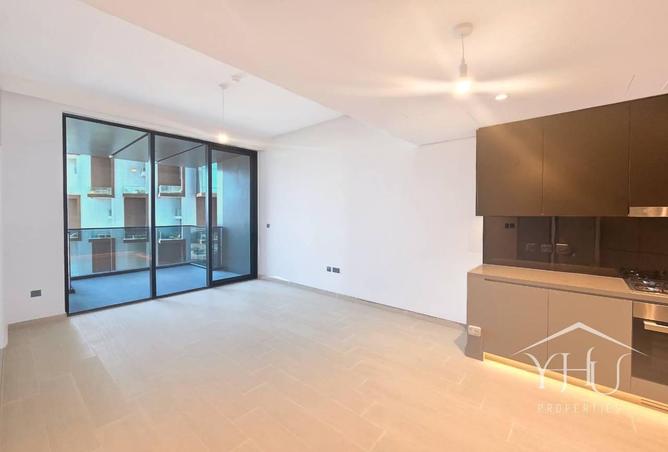
Apartment
Listed 1 week ago
84,999 AED/year
Brand New | Premium Finishes | Multiple Cheques
Regalia By Deyaar, Business Bay, Dubai
1
2
710 sqft
-
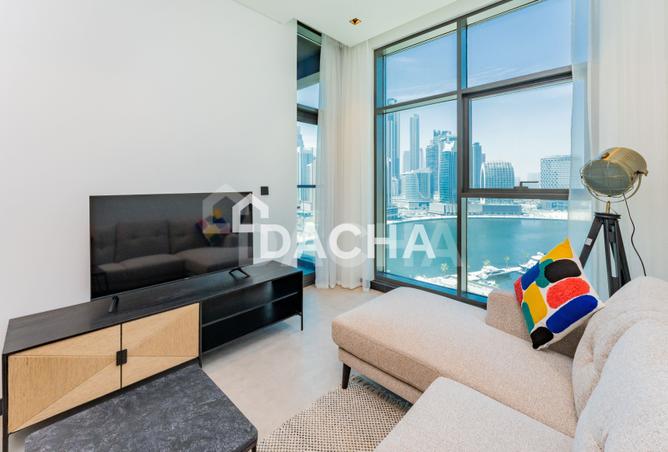
Apartment
Listed 2 weeks ago
94,999 AED/year
Vacant | Business Bay | Canal view | 1 Bedroom
15 Northside Tower 2, 15 Northside, Business Bay, Dubai
1
2
590 sqft







Long-Term Rental ROI
Long-term rentals usually generate lower gross yields compared to STRs, but income tends to be more stable and predictable. Gross yields commonly range from 5% to 8%, depending on the emirate, building quality, and location.
After expenses and occasional vacancies, net yields often settle around 4%–7%.
While the overall return may appear lower, many investors prefer long-term rentals because they involve:
- Less operational effort
- More consistent occupancy
- Lower turnover costs
- Reduced regulatory complexity
Explore Long Term Apartments For Rent in UAE
-

Apartment
Listed 7 days ago
450,000 AED/year
UPGRADED | TURNKEY | VACANT | MULTIPLE CHEQUES
Palace Beach Residence Tower 2, Palace Beach Residence, Emaar Beachfront, Dubai Harbour, Dubai
3
3
1,937 sqft
-

Apartment
Listed 1 week ago
90,000 AED/year
VACANT l FULLY FURNISHED l POOLVIEW
Oxford Residence 2, District 10, Jumeirah Village Circle, Dubai
1
2
720 sqft
-

Apartment
Listed 7 days ago
230,000 AED/year
Large C Type 3BR | Park View | Beach Access
Al Basri, Shoreline Apartments, Palm Jumeirah, Dubai
3
3
2,200 sqft
-
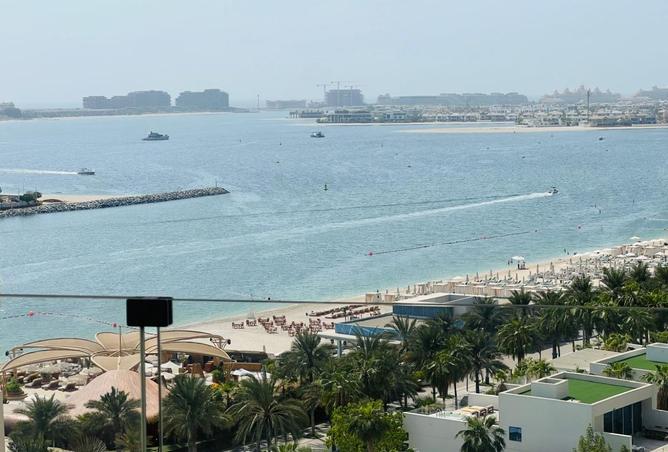
Apartment
Listed 3 days ago
275,000 AED/year
Furnished 2BR+Maid's | Sea Views |Beach Access
Five Palm Jumeirah, Palm Jumeirah, Dubai
2
3
1,946 sqft
-

Apartment
Listed 3 weeks ago
175,000 AED/year
Unfurnished | Burj Khalifa View | Mid Floor
Burj Vista Tower 2, Burj Vista, Downtown Dubai, Dubai
2
3
1,394 sqft
-

Apartment
Listed 15 hours ago
26,000 AED/year
1 BR Apartment with balcony for affordable rent
Fire Station Road, Muwaileh, Sharjah
1
1
800 sqft
-
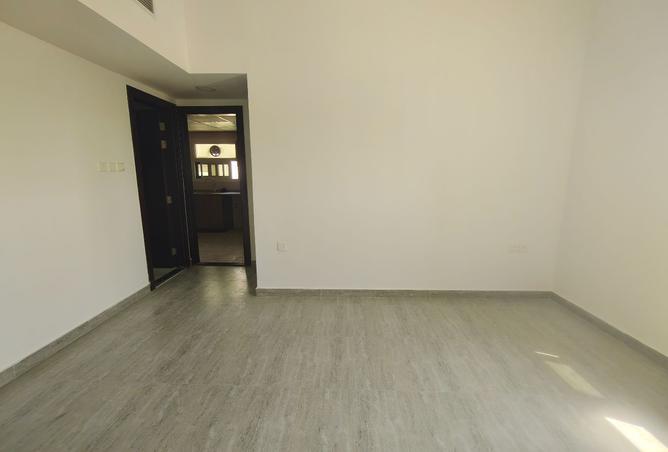
Apartment
Listed 19 hours ago
34,000 AED/year
New 1 BR Apartment for affordable rent
Fire Station Road, Muwaileh, Sharjah
1
1
800 sqft
-
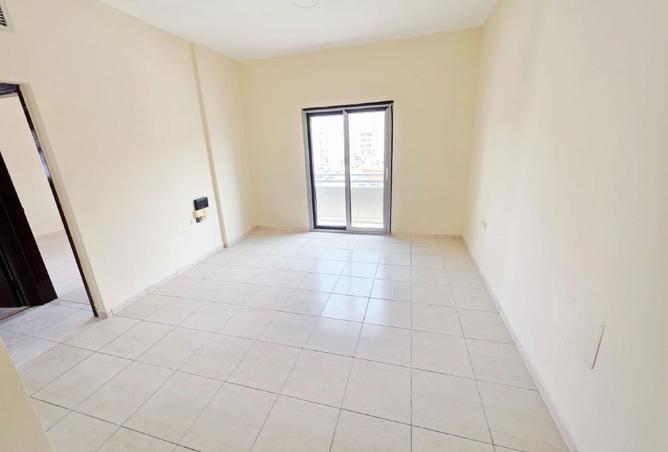
Apartment
Listed 20 hours ago
33,000 AED/year
Spacious 1 BR Apartment with Balcony for rent
Fire Station Road, Muwaileh, Sharjah
1
1
850 sqft
-
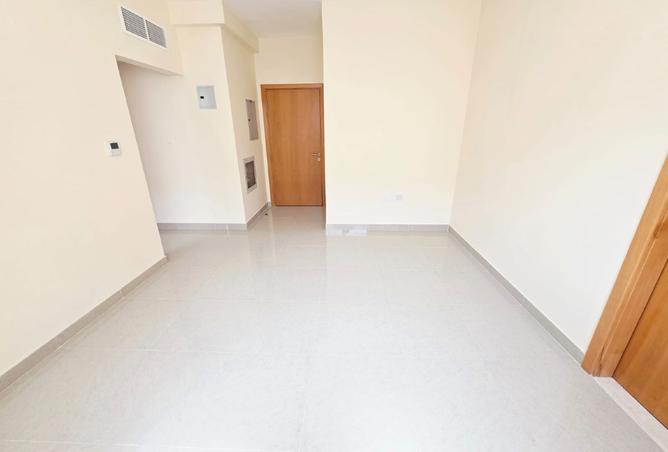
Apartment
Listed 20 hours ago
32,000 AED/year
Brand new 1 Bedroom Apartment-Affordable rent
Fire Station Road, Muwaileh, Sharjah
1
2
850 sqft
-
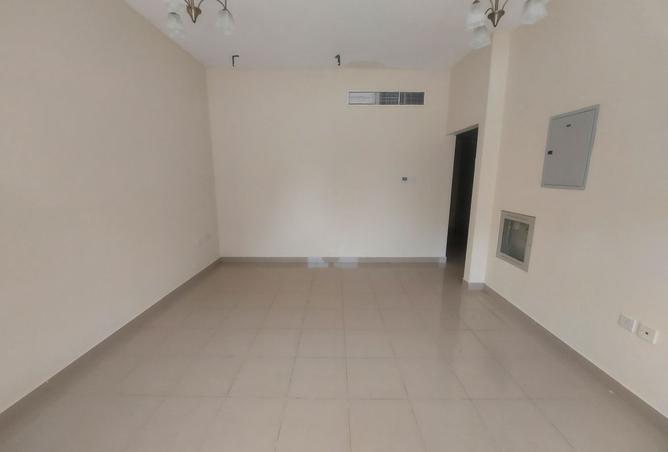
Apartment
Listed 20 hours ago
33,000 AED/year
1 BR Apartment for Rent Near Safari mall
Fire Station Road, Muwaileh, Sharjah
1
1
900 sqft



Legal & Regulatory Rules of Renting in UAE
Rental regulations in the UAE continue to evolve as both tourism activity and residential demand grow across major emirates. Short-term and long-term rentals operate under different legal frameworks, licensing systems and regulatory authorities, particularly in Dubai and Abu Dhabi. Understanding these rules is important not only for legal compliance, but also for avoiding fines, disputes and operational restrictions.
Short-Term Rental Regulations
In Dubai, short-term rentals require a valid holiday home licence issued by the Dubai Department of Economy and Tourism (DET).
Property owners may also need:
- Building management approval
- Valid DEWA documentation
- Property ownership documents
- Safety compliance inspections
Some communities and buildings restrict or prohibit short-term rental operations entirely.
Operators must also comply with:
- Guest registration rules
- Permit renewals
- Tourism regulations
- Health and safety requirements
Failure to comply can result in significant fines and penalties.
Long-Term Rental Regulations

Long-term rentals follow more traditional tenancy frameworks governed by the Real Estate Regulatory Agency (RERA) and tenancy laws.
In Dubai:
- Lease agreements exceeding 12 months must be registered through Ejari
- Rent increases must align with RERA regulations
- Eviction notices and notice periods follow legal procedures
- Landlord and tenant obligations are clearly regulated
Long-term tenancy laws generally provide greater legal clarity and stronger tenant protections than short-term rental arrangements.
Pros & Cons Comparison
Both rental models come with advantages and trade-offs depending on whether the priority is flexibility, passive income, operational simplicity or long-term stability. Some landlords prioritise higher income potential despite the added management, while others prefer predictable occupancy and fewer day-to-day responsibilities. For tenants, the decision often depends on length of stay, budget and lifestyle preferences.
| Aspect | Short-Term Rentals | Long-Term Rentals |
|---|---|---|
| Income Potential | Higher during peak tourism seasons | More stable and predictable |
| Vacancy Risk | Higher seasonal fluctuation | Lower during lease periods |
| Management Effort | High | Lower |
| Tenant Flexibility | Very flexible | Less flexible |
| Furnishing Requirements | Fully furnished | Often unfurnished |
| Operational Costs | Higher | Lower |
| Legal Complexity | Higher licensing requirements | Simpler tenancy framework |
| Best Locations | Tourist and business districts | Residential communities |
When Each Model Works Best for Renting in UAE
The most suitable rental model often depends on the type of property, its location and the owner’s investment strategy. A short-term rental that performs exceptionally well in a tourist-heavy area may struggle in a quieter residential community where demand for long-term leasing is stronger. Choosing the right model usually requires balancing profitability, operational effort and market demand.
Short-Term Rentals Work Best If:
Short-term rentals are usually more suitable for properties in tourism-driven or high-demand business areas where visitor turnover remains strong year-round. They also work better for landlords who are comfortable with active management, seasonal occupancy fluctuations and the ongoing operational demands that come with guest-focused accommodation.
Properties with strong lifestyle appeal, waterfront views, proximity to attractions or access to business hubs generally perform better within the short-term rental market.
Long-Term Rentals Work Best If:
Long-term rentals are generally better suited to landlords seeking more predictable income and less day-to-day operational involvement. They tend to perform well in family-oriented communities and residential neighbourhoods where stable tenant demand remains consistent year-round.
This model is also often preferred in buildings or communities where holiday-home activity is restricted or where tenants are more likely to stay for several years rather than shorter periods.
Hybrid Strategies
Some landlords shift between short-term and long-term models depending on market conditions. For example, short-term leasing during the tourism season and long-term tenancy during quieter months.
While this can improve flexibility, it also increases operational complexity, maintenance and vacancy management.
Real-World Comparisons & Sample Numbers
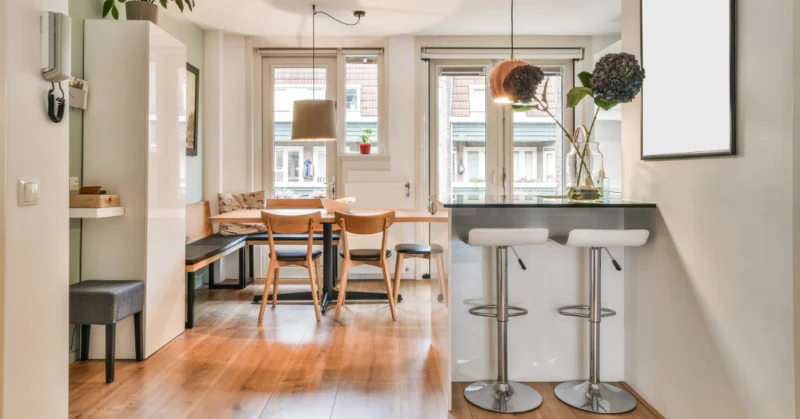
In practice, rental performance can vary significantly depending on occupancy rates, seasonality, property condition and location. Prime waterfront and tourism-focused districts often generate higher short-term rental income, while suburban residential communities may deliver more stable long-term returns. Looking at sample scenarios helps illustrate where each strategy tends to perform best financially.
| Scenario | Property Type & Location | STR Net Yield | LTR Net Yield |
|---|---|---|---|
| Dubai Marina 1-Bed Apartment | Prime tourist location | Around 7%–8% | Around 4.4%–5.1% |
| Family Community Apartment | Residential suburban area | Often lower because of weaker occupancy | Usually more stable |
| Waterfront Holiday Apartment | High visitor demand | Potentially strong seasonal returns | Moderate but predictable |
In prime tourism zones, short-term rentals may outperform long-term leasing. In quieter residential communities, long-term rentals often provide stronger long-term consistency.
Key Takeaways
Short-term rentals in the UAE offer greater flexibility and potentially higher gross returns, particularly in prime tourism and business districts. However, they also involve higher operational costs, stricter licensing requirements and more active management. Long-term rentals provide more predictable income, lower day-to-day involvement and simpler legal structures, making them attractive for investors focused on stability and reduced risk. The right choice ultimately depends on property location, investment goals, management capacity and how much operational involvement an owner is willing to handle.
FAQs
No. Short-term rentals must comply with local tourism and licensing regulations, and some communities restrict holiday-home activity.
Yes. In Dubai, long-term tenancy contracts generally need to be registered through Ejari.
Short-term rentals can generate higher gross returns in strong tourism areas, although net returns depend heavily on occupancy and operational costs.
Usually, yes. Monthly costs are generally higher, but utilities and services are often included.
Long-term rentals typically require less operational involvement because tenants stay for longer periods and turnover is lower.