


Moving to Dubai is a big step, and for many expats, relocating to Dubai is an exciting one. The city offers strong career opportunities, a high standard of living, and a lifestyle that continues to attract people from around the world.
That said, relocating here isn’t just about finding a job or a place to live. Understanding the real cost of living, choosing the right area, and knowing what daily life looks like can make a huge difference in how smoothly you settle in. With the right preparation, the transition can be far more manageable and rewarding.
- Cost of Living in Dubai
- Housing & Rental Prices
- Monthly Expenses: Utilities, Food & Transport
- Education & Schooling Costs
- Best Areas to Live in Dubai
- Lifestyle & What to Expect
- Visa Types & Residency Options
- First-Year Costs & Hidden Expenses
- Pros & Cons of Living in Dubai
- Key Takeaways
- FAQs
Cost of Living in Dubai
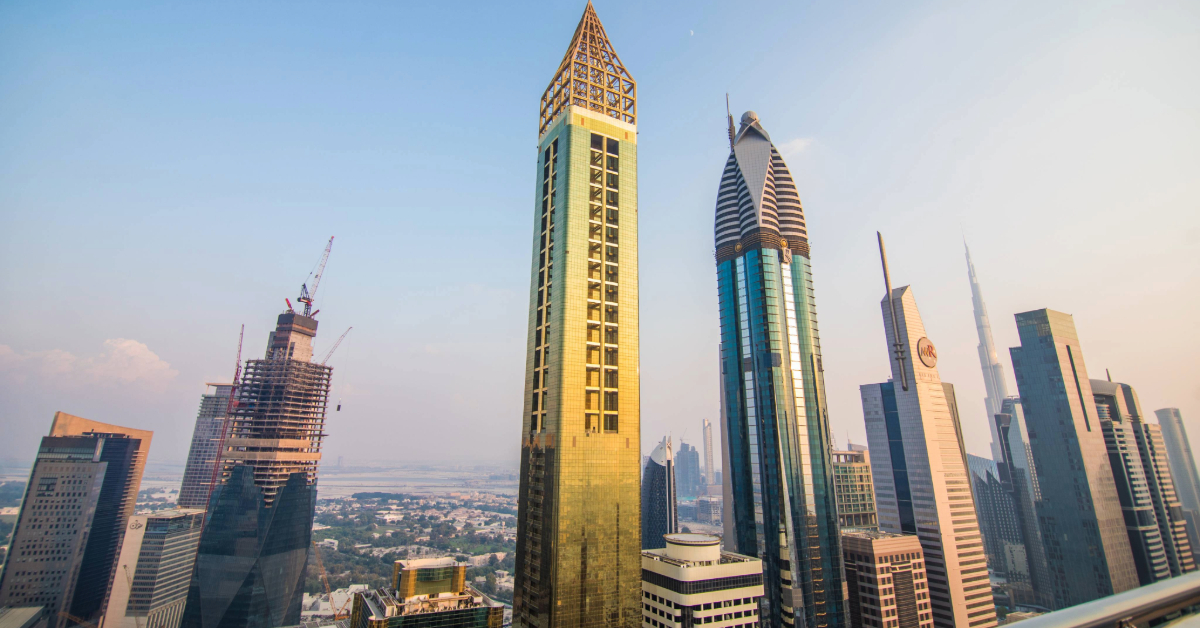
Dubai offers a wide range of lifestyles, and your monthly expenses will largely depend on where you live and how you choose to spend. While the city is often associated with luxury, many expats manage a comfortable lifestyle on a mid-range budget with the right planning.
For most residents, housing accounts for the largest share of expenses, followed by utilities, transportation, and everyday costs like groceries and dining. While there is no personal income tax, the overall cost of living has increased in recent years, which means budgeting carefully is essential, especially during your first year.
It’s also worth noting that lifestyle choices can significantly impact your spending. Living in central areas, dining out frequently, or enrolling children in premium schools can quickly raise your monthly costs.
Housing & Rental Prices
Rent is typically the largest expense when relocating to Dubai, and prices can vary significantly depending on location, property type, and amenities. Central and waterfront areas tend to be more expensive, while outer communities offer more affordable options with larger spaces.
Here’s a general snapshot of rental ranges in 2026:
| Area | Studio | 1-Bedroom | 2-Bedroom | 3-Bedroom+ |
|---|---|---|---|---|
| Downtown Dubai | 70,000–85,000 | 90,000–140,000 | 130,000–200,000 | 250,000+ |
| Dubai Marina | 55,000–70,000 | 75,000–115,000 | 110,000–160,000 | |
| JVC | 35,000–52,000 | 55,000–80,000 | 75,000–110,000 | 110,000+ |
| Dubai South / International City | 22,000–40,000 | 30,000–55,000 | 40,000–75,000 | 80,000+ |
In addition to rent, you’ll need to budget for:
- Security deposit (typically 5%)
- Agency fee (around 5% of annual rent)
- Chiller or cooling charges (in some buildings)
Rental prices have been steadily increasing, so it’s worth factoring in potential rent adjustments when planning for the long term.
Monthly Expenses: Utilities, Food & Transport
Beyond rent, everyday living costs can add up quickly, especially if you’re new to the city and still adjusting to your lifestyle. Expenses such as utilities, groceries, and transport vary depending on your habits and location.
- Utilities: AED 500–900 for most apartments, with higher costs in summer
- Internet & mobile: AED 300–600 per month
- Groceries: AED 1,200–2,800 for a single person
- Dining out: From affordable meals to premium dining options
- Transport: Metro fares range from AED 3 to AED 8.50, with monthly passes around AED 300–350
If you plan to drive, additional costs such as fuel, insurance, parking, and Salik tolls should also be considered when budgeting.
Education & Schooling Costs
For families relocating to Dubai, schooling is often one of the biggest financial commitments to plan for. The city offers a wide range of international schools, covering British, IB, American, Indian, and other curricula, which gives parents flexibility but also a wide pricing range.
| Curriculum | Annual Fees (AED) |
|---|---|
| British / IB | 50,000–115,000+ |
| American | 40,000–95,000 |
| Indian | 12,000–35,000 |
Tuition fees can vary significantly depending on the school’s reputation, facilities, and location. In addition to base tuition, parents should expect extra costs such as registration fees, uniforms, books, transport, and extracurricular activities. These additional expenses can add a noticeable amount to the overall cost.
Because school availability can be competitive in certain areas, many families begin researching and applying well in advance to secure a place that fits both their budget and preferred curriculum.
Best Areas to Live in Dubai
Choosing the right area is one of the most important decisions when relocating to Dubai, as it affects your daily routine, commute, and lifestyle. Each neighbourhood offers a different balance between cost, convenience, and amenities.
When choosing an area, it’s important to look beyond rent. Factors such as commute time, proximity to schools, and access to transport can make a big difference in your daily routine. Some areas may offer lower rent but require longer travel times, while central locations provide convenience at a higher cost.
Prime / Luxury Areas
- Palm Jumeirah: Waterfront living with a premium lifestyle
- Downtown Dubai: Close to landmarks and city life
- Dubai Marina: Popular for its vibrant atmosphere
Mid-Range Areas
- Jumeirah Village Circle: Good balance of price and space
- Business Bay: Central and well-connected
- The Greens: Quiet and community-focused
Affordable Areas
- International City: Lower rents with basic amenities
- Discovery Gardens: Spacious and metro-connected
- Dubai South: Newer developments at lower prices
Each area comes with trade-offs between cost, commute, and lifestyle, so it’s worth exploring what fits your priorities.
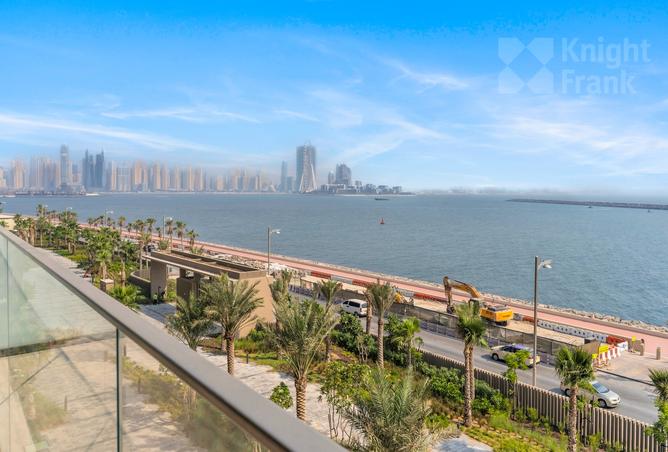
Explore the Available Apartments for Sale in Palm Jumeirah
-
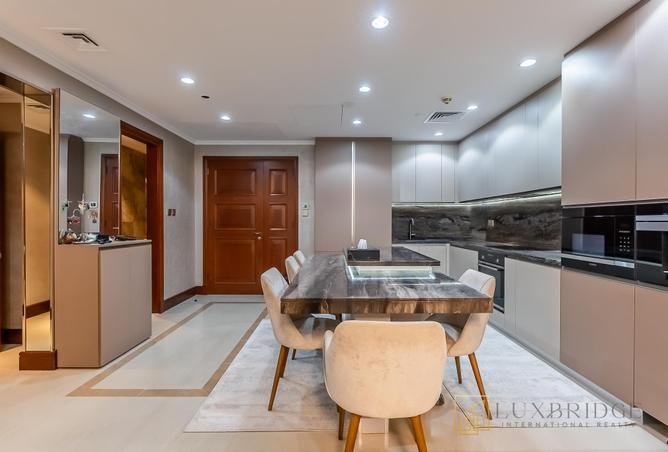

Apartment
Listed 2 months ago
6,990,000 AED
Park View | Spacious | Prime Location
Golden Mile 9, Golden Mile, Palm Jumeirah, Dubai
3
4
2,414 sqft
-


Apartment
Listed 1 week ago
8,000,000 AED
Upgraded | 5 Star Facilities | Palm Jumeirah View
Kempinski Palm Residence, The Crescent, Palm Jumeirah, Dubai
3
4
2,566 sqft
-


Apartment
Listed 1 day ago
2,095,000 AED
Investor Deal | Fully upgraded | Park Side
Al Hamri, Shoreline Apartments, Palm Jumeirah, Dubai
1
1
744 sqft
-
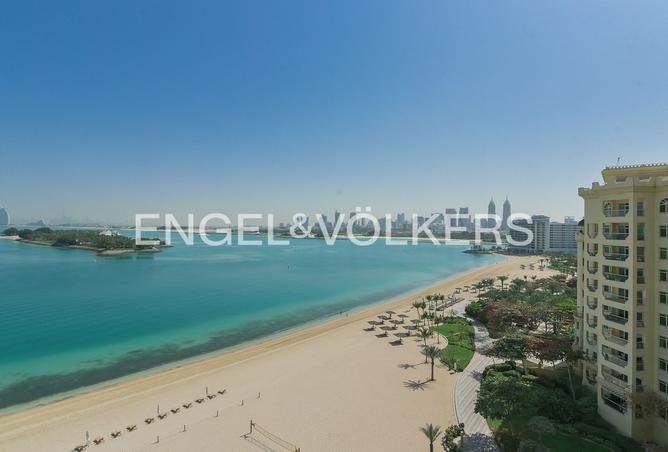
Apartment
Listed 2 days ago
4,500,000 AED
High Floor | Beach Access | Full Sea View
Al Hatimi, Shoreline Apartments, Palm Jumeirah, Dubai
1
2
1,145 sqft
-


Apartment
Listed 1 week ago
49,500,000 AED
Motivated Seller | Best Layout | Panoramic View
One at Palm Jumeirah, Palm Jumeirah, Dubai
4
5
5,013 sqft
-


Apartment
Listed 3 weeks ago
42,900,000 AED
Dorchester Private Beach | 6m Double Height Glass
Orla by Omniyat, The Crescent, Palm Jumeirah, Dubai
4
5
7,796 sqft
-


Apartment
Listed 3 weeks ago
9,045,000 AED
PASSO BELLA 2BR | PALM JUMEIRAH | SEA VIEW
Bella, Passo by Beyond, Palm Jumeirah, Dubai
2
3
1,571 sqft
-
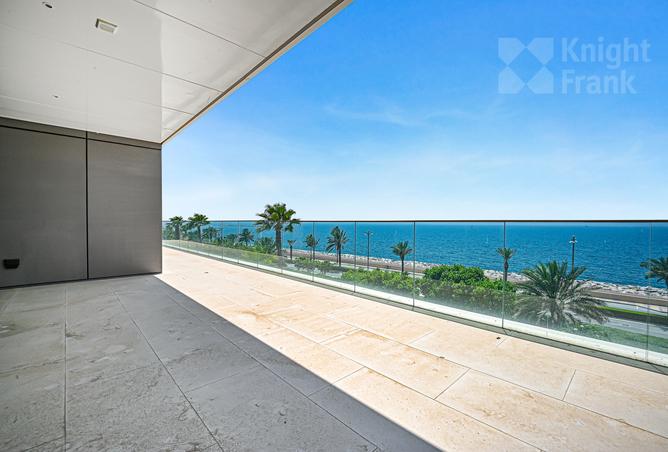

Apartment
Listed 1 month ago
36,000,000 AED
Branded Residence | Beach Access | Sea View
Mansion 2, W Residences, The Crescent, Palm Jumeirah, Dubai
3
4
6,415 sqft
-


Apartment
Listed 6 days ago
830,000 AED
Private Beach Access | 10% ROI
Seven Palm, Palm Jumeirah, Dubai
studio
1
355 sqft
-
Apartment
Listed 2 months ago
16,000,000 AED
Brand New 2BR | Large Layout | Sea View
Six Senses Residences, The Crescent, Palm Jumeirah, Dubai
2
2
2,129 sqft
Lifestyle & What to Expect
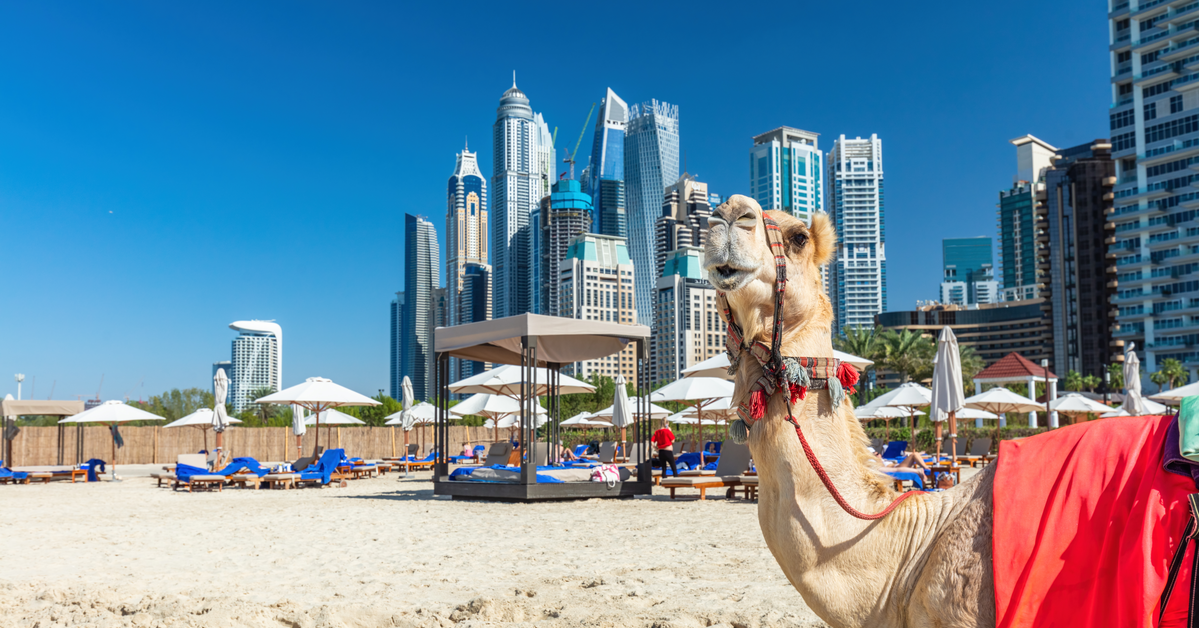
Living in Dubai offers a mix of modern convenience, cultural diversity, and a fast-paced environment. The city is home to people from all over the world, making it one of the most international places to live.
Climate & Culture
Summers are extremely hot, often reaching 40–50°C, while winters are mild and ideal for outdoor activities. Dubai is highly multicultural, with residents from all over the world.
Working Life
Most expats relocate on employer-sponsored visas. Working hours are typically 8–9 hours per day, depending on the industry. One major advantage is the absence of personal income tax, although living costs can offset some of those savings.
Healthcare & Safety
Healthcare is modern and high-quality, with both public and private options. Health insurance is mandatory for residents. Dubai is also considered one of the safest cities globally, with strict regulations and low crime rates.
Social Life & Leisure
From beach clubs and malls to dining and desert activities, there’s always something to do. Whether you prefer a quiet lifestyle or an active social scene, Dubai offers both.
Visa Types & Residency Options
Before relocating, it’s important to understand how residency works in Dubai, as most expats need a valid visa to live and work in the city. The type of visa you apply for will depend on your job, income, and long-term plans.
The most common options include:
- Employment visa: Sponsored by your employer, and usually the simplest route for expats moving to Dubai
- Free zone / freelance visa: Offers more flexibility if you’re self-employed or working independently
- Golden Visa: Long-term residency option for eligible professionals, investors, and business owners
Once you have a valid residence visa, you may also be able to sponsor family members, depending on your salary and accommodation. Understanding your visa type early on can make the relocation process much smoother.
First-Year Costs & Hidden Expenses
The first year of living in Dubai is often the most expensive due to initial setup costs. These expenses can add up quickly if not planned for in advance.
You’ll likely need to cover visa fees, rental deposits, agency commissions, and furniture if your home is unfurnished. Families should also account for school registration and relocation-related costs.
It’s also common to underestimate smaller recurring expenses such as maintenance, parking, or service charges, which can add up over time.
Pros & Cons of Living in Dubai
Like any major city, living in Dubai comes with both advantages and challenges. Having a clear picture of both can help you set realistic expectations before making the move and avoid surprises once you settle in.
Pros:
- Tax-free income, which can help increase savings
- High level of safety and well-maintained infrastructure
- Wide range of lifestyle options, from beaches to dining and entertainment
- A diverse, international community that makes it easier to settle in
Cons:
- High cost of living, especially rent and schooling
- Extremely hot summers, limiting outdoor activities for part of the year
- Traffic and commute times can be challenging in some areas
- Additional hidden costs, particularly in the first year
For many expats, the benefits outweigh the challenges, but the overall experience depends on your priorities, budget, and how well you plan your move.
Key Takeaways
Relocating to Dubai can be a rewarding move, but it works best when expectations are realistic and well planned. The city offers strong earning potential and a high quality of life, but everyday costs, especially rent, can quickly add up.
Where you choose to live will shape your experience more than anything else, influencing your commute, lifestyle, and overall budget. Taking the time to compare areas and understand trade-offs can make settling in much easier.
With a clear budget and the right location, moving to Dubai can be a smooth transition that offers both professional growth and a comfortable lifestyle.
FAQs
Around AED 15,000–25,000+ per month for a single person in a mid-range area. For a more comfortable lifestyle, AED 20,000–30,000 is more realistic.
No personal income tax, but VAT and other indirect costs apply.
It depends on where you live. Central areas are well-connected, but many residents prefer to have a car.
Fees range from AED 12,000 to over AED 100,000 depending on the curriculum.
Deposits, agency fees, utilities, and schooling-related expenses.
Usually 2–4 weeks, depending on the application.
Yes, but you’ll need a valid visa and sufficient savings.
It can be, especially for rent, but costs vary by lifestyle.
It varies by job, but most roles follow structured working hours.