


Dubai is a hotspot for real estate investment due to growing demand, high rental yields and modern infrastructure. Whether you are a first-time property buyer or a seasoned investor, the emirate offers opportunities that suit every budget, strategy, and lifestyle. However, entering a fast-moving market can feel overwhelming. You need clarity, structure, and a realistic understanding of how to invest in real estate in Dubai.
That’s why in this guide, we will take a deep dive into investment in Dubai and help you through the whole process from purchase to profit.
- Why invest in Dubai real estate?
- Step-by-Step process of investing in Dubai real estate
- Essential Tips for Investing in Dubai Real Estate
- Key takeaways
- FAQs

Why invest in Dubai real estate?
Dubai’s property market remains one of the most compelling places globally for real estate investment, attracting buyers with its strong financial incentives, stable environment, and long-term growth prospects. Investors from around the world are drawn not just by rental income but also by strategic advantages that can enhance both short-term returns and long-term wealth.
Benefits of investing in Dubai real estate:
- Tax-free investment environment: Dubai does not impose property tax, capital gains tax, or tax on rental income, allowing investors to retain a larger share of their returns.
- High rental yields: Rental returns in many areas of Dubai remain above global averages, helping investors generate steady income.
- Strong capital appreciation: Property values in key neighborhoods have shown resilience and growth, offering potential long-term gains.
- Golden Visa eligibility: Investing in qualifying real estate can make investors and their families eligible for long-term UAE residency.
- Safe and stable market: Dubai’s legal framework, transparency, and low crime rates create a secure environment for property ownership.
- Diverse property options: The market offers a wide range of property types and price points, from affordable apartments to luxury villas.
- Global connectivity and lifestyle: Dubai’s strategic location, world-class infrastructure, and cosmopolitan lifestyle attract tenants and buyers alike.
These factors combine to make Dubai real estate an attractive choice for both first-time and experienced investors seeking income, growth, and strategic portfolio diversification.
Step-by-step process of investing in Dubai real estate
As previously noted, investing in Dubai real estate offers long-term benefits to investors as the asset appreciates over time and offers high rental yields. Enough beating around the bush, let’s dive into the complete process of how to invest in Dubai real estate and key considerations.
Step 1: Define your investment goals
Before making any investment, you need to set clear goals. For instance, do you want to make a profit within a year? More? Less? Each goal requires a different strategy.
When it comes to Dubai’s real estate, if you’re looking for high daily rental yields and don’t prioritise stability, you should focus on tourist areas and short-term rentals.
On the other hand, if you want a stable monthly/annual income, then long-term rentals are for you.
A third option is focusing on capital appreciation. This usually consists of buying an under-construction property with the intention of reselling at a higher price once the project nears completion or after handover.
Step 2: Research the market and choose the right location
Next comes the most important question: ‘Where to invest in Dubai?’ It’s a make-or-break situation, as choosing a prime location is the key to ensuring a successful investment. But don’t forget that every decision has to be based on your initial investment goal.
Top Areas for Short-Term Rentals
Short-term stays work best in tourist-heavy or business-focused areas, consider:
Top Areas for Long-Term Rentals
If your strategy relies on stable, year-round tenancy, consider:
- Jumeirah Village Circle (JVC)
- Dubai Hills Estate
- Jumeirah Village Triangle (JVT)
- Dubai Sports City
- Dubai Creek Harbour
Needless to say, these are just the tip of the iceberg, and Dubai is filled to the brim with other great areas to invest in.
Step 3: Consider different property types

Before moving on to a property search, it is essential to know the different property types. This helps you choose the suitable property type that matches your investment purposes. Here is a quick overview of the different property types:
- Luxury apartments: Tend to offer strong short-term rental demand and typically enjoy premium appreciation.
- Villas and townhouses: Usually offer high comfort and appeal to families, making them ideal for long-term renters.
- Commercial properties: These suit investors looking for corporate tenants and higher annual returns.
- Vacation rentals: These properties perform exceptionally well in tourism seasons, especially waterfront properties.
Now that you know the main property types, it’s equally important to understand the kinds of ownership and development statuses available in Dubai.
Freehold and leasehold properties
Leasehold vs freehold is a common debate, and most people don’t know the difference. A leasehold property allows property ownership without land to expats for a limited period, say a 99-year lease.
Whereas, freehold ownership allows full ownership of land and property to expats. There are multiple freehold areas in Dubai, like Al Warsan, Business Bay, and Downtown Dubai.
Explore the best properties for sale in Dubai
-
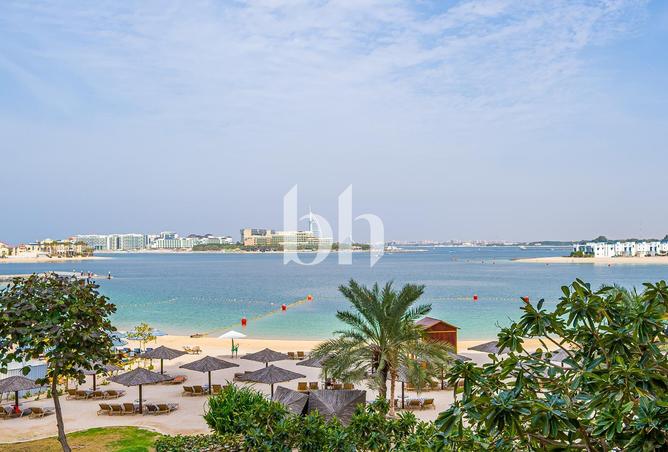

Apartment
Listed 1 month ago
7,500,000 AED
Exclusive | Type F | Full Sea view | Vacant
Al Msalli, Shoreline Apartments, Palm Jumeirah, Dubai
2
3
1,997 sqft
-
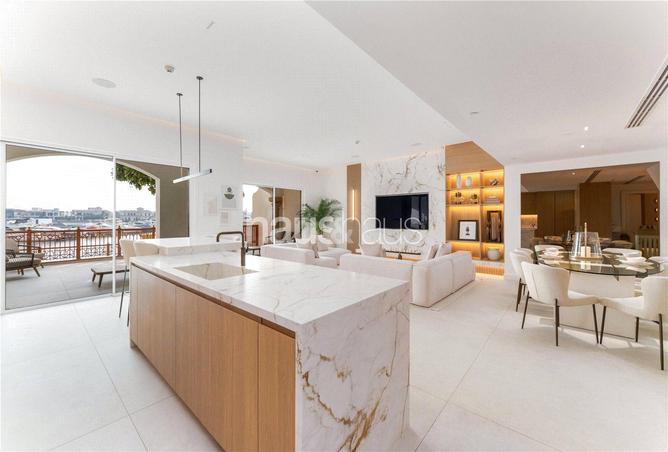
Apartment
Listed 2 weeks ago
11,450,000 AED
Luxurious Home | Home Gym | Turn Key
Marina Residences 1, Marina Residences, Palm Jumeirah, Dubai
2
4
4,089 sqft
-

Apartment
Listed 1 week ago
65,000,000 AED
Presidential Penthouse | 360° Panaramic View
Serenia Residences East, Serenia Residences The Palm, Palm Jumeirah, Dubai
4
6
12,864 sqft
-
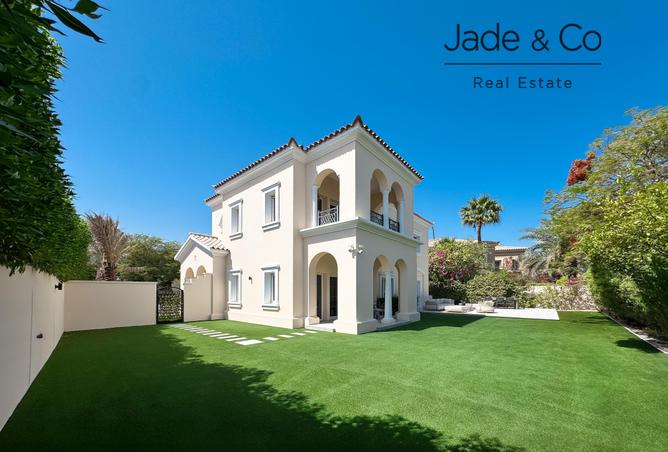
Villa
Listed 11 hours ago
11,999,999 AED
Community Expert | Exclusive | Fully Upgraded
Alvorada 4, Alvorada, Arabian Ranches, Dubai
3
4
7,596 sqft
-
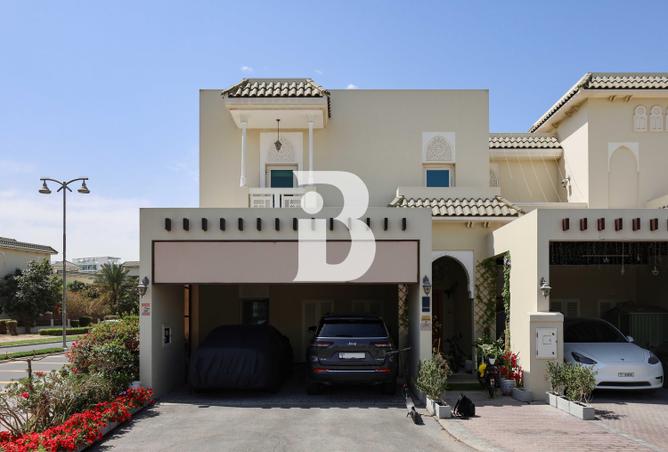
Townhouse
Listed 10 hours ago
4,600,000 AED
Internal Corner Single Row | Exclusive Type A
Quortaj, North Village, Al Furjan, Dubai
3
2
3,050 sqft
-
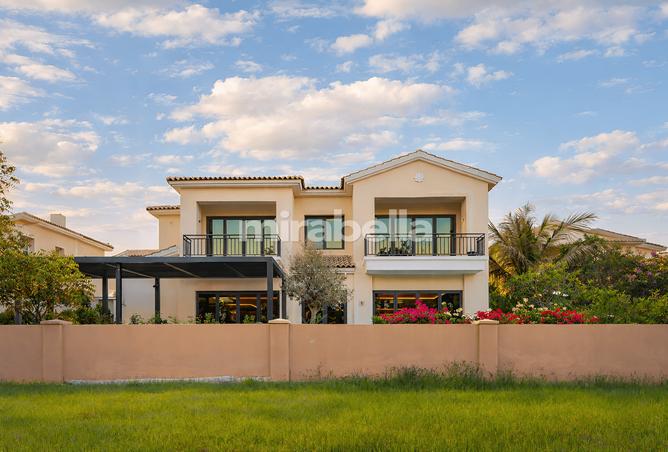
Villa
Listed 1 day ago
25,000,000 AED
Golf View | Fully Upgraded | Basement
The Sundials, Jumeirah Golf Estates, Dubai
5
6
7,535 sqft
-

Villa
Listed 1 day ago
16,650,000 AED
Rare Find | Investor Deal | Call for Site Visit
The Oasis - Mirage, The Oasis by Emaar, Dubai
5
5
10,333 sqft
-

Apartment
Listed 1 day ago
1,280,000 AED
Waterfront | Unique Layout | Prime Location
Lagoon Views 7, Lagoon Views, Damac Lagoons, Dubai
1
1
770 sqft
-
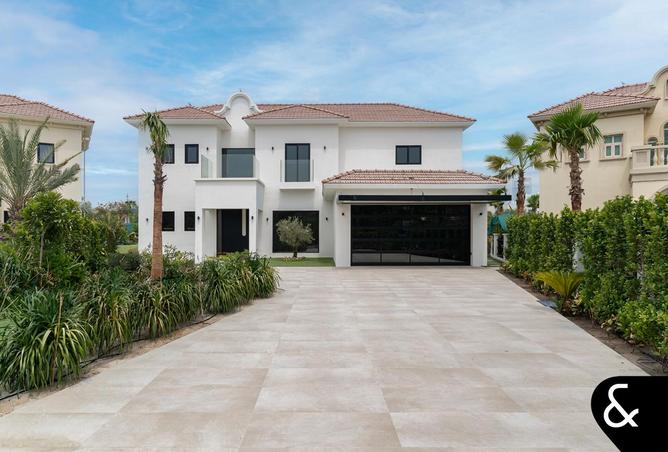
Villa
Listed 3 days ago
38,000,000 AED
Fully Upgraded | 5,500 BUA | 11,351 PLOT
Entertainment Foyer, European Clusters, Jumeirah Islands, Dubai
4
4
5,500 sqft
-

Apartment
Listed 14 hours ago
10,000,000 AED
Under Renovation | Full Palm Facing | Vacant
Beach Vista Tower 2, Beach Vista, EMAAR Beachfront, Dubai Harbour, Dubai
3
3
1,926 sqft










Off-plan and ready-to-move properties
Another option is to invest in off-plan or ready-to-move properties. Off-plan properties are sold based on their models and are under construction. Whereas, ready-to-move properties are ready for immediate relocation.
This choice also depends on the budget, as ready-to-move properties require more capital. On the other hand, off-plan properties have flexible payment plans.
Explore off-plan properties in Dubai
-
Terra Gardens
Dubai, Expo City, Terra Gardens
1, 2 and 3 bedrooms
From: AED 2,270,000 Down payment: 10%
Serro 2 at The Heights
Dubai, The Heights Country Club & Wellness, Serro 2
3 and 4 bedrooms
From: AED 6,200,000
Avarra by Palace
Dubai, Business Bay, Avarra by Palace
1, 2, 3, 4 and 6 bedrooms
From: AED 2,839,888 Down payment: 10%
Creek Haven
Dubai, Dubai Creek Harbour (The Lagoons), Creek Haven
1, 2 and 3 bedrooms
From: AED 1,864,888 Down payment: 10%
Salva The Heights
Dubai, The Heights Country Club & Wellness, Salva
3, 4 and 5 bedrooms
From: AED 5,500,000 Down payment: 10%
Greencrest
Dubai, Dubai Hills Estate, Greencrest
1, 2 and 3 bedrooms
From: AED 1,584,888
Aurea
Dubai, Mina Rashid, Aurea
1, 2 and 3 bedrooms
From: AED 2,310,000 Down payment: 10%
Palmiera Collective
Dubai, The Oasis by Emaar, The Oasis - Palmiera
4, 5 and 6 bedrooms
From: AED 13,600,000
Virella 2
Dubai, The Valley
Lyvia by Palace
Dubai, Dubai Creek Harbour (The Lagoons), Lyvia by Palace
1, 2 and 3 bedrooms
From: AED 2,684,888 Down payment: 10%
Step 4: Set a budget
The next step is to set a clear budget, which will serve as a guide for the rest of the process. Deciding on a realistic budget in advance helps you find the best investment opportunities within the range. You should consider costs like down payment, upfront costs, and the additional payments that come with buying a house in Dubai.
For investors interested in residency, AED 750,000 is the minimum for a 2-year investor visa. Meanwhile, the Golden Visa requires a property investment of AED 2 million.
It is also worth noting that if your budget is limited, fractional ownership allows you to invest in a share of a property. This is a rising trend as it allows you to easily diversify your portfolio without breaking the bank.
Step 5: Find a real estate agent

An expert real estate agent has the necessary market insights for a successful property purchase. Buying property for investment purposes requires careful insights into rental yields, demand and future growth. Accordingly, when choosing an agent, you should go for an authorised one with a valid BRN number.
Choosing a real estate agent in Dubai requires verifying background and cross-checking credentials. For a seamless home searching experience, you can use Property Finder’s SuperAgents who will provide you with all the needed information for a data-driven choice.
Step 6: Purchase a property
After reviewing all the above parameters, finalise a property that:
- Falls within your budget.
- Has a high gross rental yield.
- Growing demand and an appreciation in property value over time.
- Prime location with nearby amenities.
Step 7: Proceed with legal documentation
The final step in buying a property, whether it is for investment or residential purposes, is legal documentation. It may vary by case, so consult with your agent; however, here are the must-have documents to complete the property purchase:
- Buyer-seller agreement.
- Memorandum of Understanding (MOU).
- A No Objection Certificate from the developer or homeowner.
- Emirates ID of buyer and seller
- Payable Cheque
Complete the property purchase and apply for a title deed in Dubai. That’s it! You have purchased a lucrative asset that will benefit you in the long run.
Step 8: Manage your real estate investment
Many think that the real estate investment process ends with getting a property, but it actually starts there. If you live in the emirate and only have one or two properties, you can manage them yourself.
This will require work on your end, such as collecting rent and addressing any issues with the property, but it won’t incur additional fees. But if you don’t have the time or you don’t live in Dubai, hiring a property management company will be the easier choice hands down.
Essential Tips for Investing in Dubai Real Estate
Dubai’s real estate market offers strong potential, but long-term success depends on informed decisions beyond the basic buying process. The following tips focus on strategic considerations that complement the steps already outlined in this guide.
- Focus on Rental Yield, Not Just Price: A lower-priced property does not always mean better returns. Investors should evaluate gross and net rental yields by comparing purchase costs against realistic rental income after service charges and maintenance. Areas with consistent tenant demand often outperform purely price-driven investments.
- Study Supply and Future Developments: Understanding upcoming projects, new communities, and infrastructure plans can help you avoid oversupplied areas. Excess inventory may limit price growth and rental performance, while neighborhoods supported by transport upgrades or commercial hubs often see stronger demand.
- Assess Developer Reputation: For both off-plan and ready properties, the developer’s track record matters. Reviewing delivery history, build quality, and post-handover support can reduce risk and protect long-term value. Established developers generally offer greater reliability and resale confidence.
- Plan an Exit Strategy Early: Every investment should include a clear exit plan. Whether you intend to sell after appreciation, refinance, or hold long-term, knowing when and how you will exit helps guide purchase decisions and prevents emotional or rushed selling later.
- Factor in Service Charges and Maintenance: High service charges can significantly impact returns, especially in luxury developments. Always review annual fees and expected upkeep costs to ensure the property remains profitable over time, particularly for rental-focused investments.
- Diversify When Possible: Rather than concentrating all capital into a single property, diversification across locations or property types can reduce risk. Some investors also explore fractional ownership or phased investments to spread exposure while maintaining flexibility.
- Stay Updated on Market Regulations and Policies: Dubai’s real estate framework continues to evolve to support investors. Staying informed about changes to ownership rules, visa-linked investments, and market regulations helps you adapt your strategy and take advantage of new opportunities as they arise.
Key takeaways
Investing in Dubai real estate is a strategic move for anyone seeking strong rental income, long-term appreciation, and tax-free returns. The market continues to attract global investors thanks to its stability, modern infrastructure, and consistent demand from both residents and tourists.
Success, however, depends on approaching the process with clarity. Defining your goals, researching top-performing locations, choosing the right property type, and understanding ownership structures are essential steps. Budget planning, due diligence, and legal documentation also play a major role in ensuring a smooth and profitable investment journey.
Ultimately, Dubai stands out in real estate investments for its high yields, tax-free environment, and residency opportunities through property ownership. With careful planning, a trusted agent, and a clear strategy, you can unlock long-term value and confidently navigate one of the world’s most dynamic real estate markets.
FAQs
1. Is Dubai’s real estate a good investment?Dubai real estate is a promising investment opportunity due to high rental yields and increasing demand. It is ideal for both budding and seasoned investors.
2. Can foreigners invest in Dubai Real Estate?Yes, foreigners can invest in designated freehold areas in Dubai where they have full ownership of renting and selling a property.
3. What Is a Golden Visa for investors in Dubai?A Golden Visa for investors in Dubai is a long-term UAE residency visa that allows foreign investors to live, work, and study in the country without requiring a local sponsor. Property investors typically qualify by purchasing real estate worth at least AED 2 million, granting them a 10-year renewable residence permit. The visa also allows investors to sponsor their immediate family members, offering long-term stability and flexibility in the UAE.
4. What are the best areas for short-term rentals in Dubai?Dubai Marina, Business Bay, Downtown Dubai, Jumeirah Beach Residence (JBR), and Dubai Islands are top choices for short-term rentals due to high demand and strong daily/weekly rates.
5. How do I register my property in Dubai?After signing the sales agreement, register your property with the Dubai Land Department (DLD), pay the transfer fees, and obtain your title deed.
6. What is the minimum investment for a Dubai residency visa?To qualify for the 10-year investor (Golden) visa through real estate in Dubai, you generally need to invest in property (or properties combined) worth at least AED 2 000 000. This investment threshold applies whether the real estate is completed or off-plan, and both individual and multiple properties can be counted toward the total value.
7. Can I invest in Dubai real estate remotely?Yes, you can invest in Dubai real estate remotely without being physically present in the UAE. Many developers and licensed agents offer virtual tours, digital documentation, and remote payment options, while Power of Attorney (POA) can be used to complete legal procedures on your behalf. This makes it possible for international investors to purchase, register, and manage property from abroad.
Share

Samrina Khan
Property Finder
Real Estate Professionals