



Rent changes are one of the most common concerns for tenants in Dubai. The answer to can landlords increase rent in Dubai is not as simple as a landlord deciding to raise the price at renewal. Dubai has a clear legal framework, and any increase must follow the official rental index and tenancy rules set by the emirate.
For anyone asking, “Can landlords increase rent in Dubai?”, the key point is this: rent increases are regulated, capped, and tied to the market average for similar units. That means both the contract timing and the percentage matter. Tenants also have a formal route to challenge a proposal that does not follow the law.
- Decree & Legal Framework Governing Rent Increases
- How Much Can Rent Be Increased?
- What “Market Average” Means
- When and How Often Rent Can Be Increased
- Notification Requirements: What Must Landlords Do
- Tenant Rights & Remedies
- Exceptions & Additional Considerations
- Enforcement & Dispute Resolution
- Key Takeaways
- FAQs
Decree & Legal Framework Governing Rent Increases

Dubai’s rent increase rules are primarily shaped by Decree No. 43 of 2013 and the tenancy framework, amended by Law No. 33 of 2008. Decree 43 sets the maximum rent increase at renewal, while the amended tenancy law sets the renewal process and the notice rules. Together, they form the core legal basis for any rent increase in Dubai.
The law also makes it clear that a written tenancy contract governs a lease relationship and that registered contracts are subject to RERA oversight. In practice, that means the lease, the Ejari record, and the rental index all matter when a landlord proposes a change.
Understanding Can Landlords Increase Rent in Dubai is key here, as it helps explain when and how these rules apply in real tenancy situations.
How Much Can Rent Be Increased?
Under Decree 43, the maximum rent increase is based on how far the current rent sits below the average rent of similar units. The official bands are straightforward:
- If the current rent is up to 10% below the average, no increase is allowed.
- If it is 11% to 20% below, the maximum increase is 5%.
- If it is 21% to 30% below, the maximum increase is 10%.
- If it is 31% to 40% below, the maximum increase is 15%.
- If it is more than 40% below, the maximum increase is 20%.
This is why the rent increase in Dubai can vary from one property to another, even within the same neighbourhood. The cap is not tied to a flat percentage for everyone. It depends on the gap between the current rent and the market benchmark.
Explore the Available Properties for Rent in Dubai
-
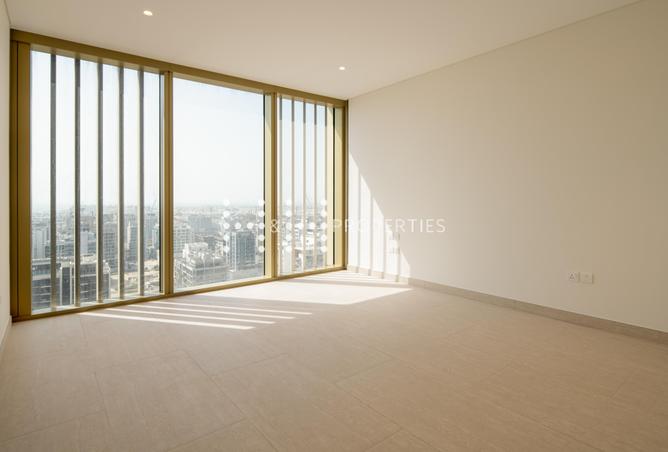
Apartment
Listed 2 months ago
170,000 AED/year
Exclusive Offer - 2 Months Rent Free | Sea View
City Tower 1, City Towers, Sheikh Zayed Road, Dubai
1
2
1,173 sqft
-


Townhouse
Listed 1 month ago
260,000 AED/year
Next to Tennis Court | Single Row | NE Vastu
Jebel Ali Village Townhouses, Jebel Ali Village, Jebel Ali, Dubai
4
4
2,761 sqft
-


Villa
Listed 1 month ago
650,000 AED/year
Rare Corner C1 | Maid | Private | Huge Plot
Jebel Ali Village Townhouses, Jebel Ali Village, Jebel Ali, Dubai
5
6
7,704 sqft
-

Townhouse
Listed 1 month ago
200,000 AED/year
3BR + Maid | Type 6B2 | Spacious Townhouse
Jebel Ali Village Townhouses, Jebel Ali Village, Jebel Ali, Dubai
3
4
2,589 sqft
-


Apartment
Listed 3 days ago
138,000 AED/year
TURNKEY | DUAL VIEWS | MULTIPLE CHEQUES
Palace Beach Residence Tower 1, Palace Beach Residence, Emaar Beachfront, Dubai Harbour, Dubai
1
1
726 sqft
-


Villa
Listed 19 hours ago
950,000 AED/year
Luxury Villa | Swimming Pool | Smart House
Nad Al Sheba Gardens 1, Nad Al Sheba Gardens, Nad Al Sheba 1, Nad Al Sheba, Dubai
7
7+
11,087 sqft
-
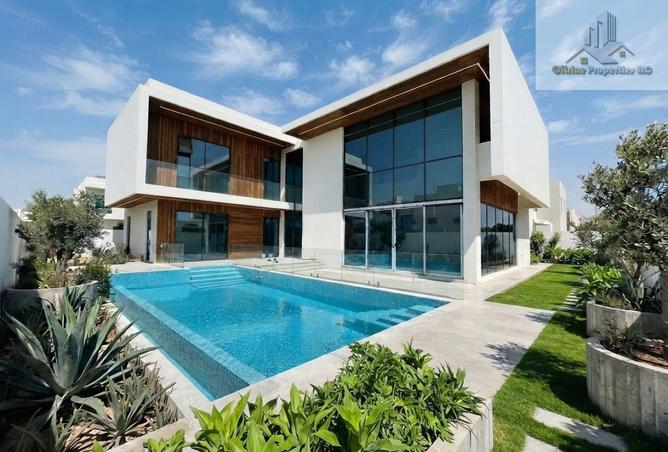
Villa
Listed 3 days ago
1,000,000 AED/year
EXCLUSIVE Villa | Swimming Pool | Garden
Nad Al Sheba 2, Nad Al Sheba, Dubai
5
7
15,617 sqft
-


Villa
Listed 2 weeks ago
790,000 AED/year
Upgraded | Large Plot | Landscape Views | Ready
Entertainment Foyer, Mediterranean Clusters, Jumeirah Islands, Dubai
4
5
10,782 sqft
-
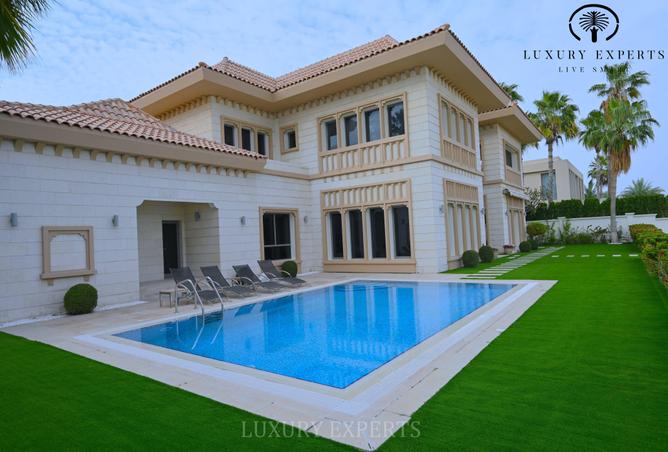

Villa
Listed 4 days ago
1,950,000 AED/year
Marina View | 6BR Beachfront Villa | Vacant
Signature Villas Frond E, Signature Villas, Palm Jumeirah, Dubai
6
6
14,762 sqft
-

Villa
Listed 2 weeks ago
535,000 AED/year
Ready January | Unfurnished | Private Villa
Entertainment Foyer, Mediterranean Clusters, Jumeirah Islands, Dubai
4
5
10,642 sqft
What “Market Average” Means
The market average is not a guess. Dubai Land Department provides a Rental Index service that helps calculate the average rent for the market and the permitted increase for a property in a given area. The service asks for details such as the contract end date, property type, and area.
DLD’s Smart Rental Index 2025 adds a more advanced classification system. It considers technical and structural conditions, the quality of finishes and maintenance, the building’s location, and the services and facilities available. In other words, comparable properties are assessed using a more detailed benchmark to make valuations fairer and more transparent.
When and How Often Rent Can Be Increased
A landlord cannot raise the rent during an active fixed-term lease simply because the market has changed. The law allows rent to be reviewed when the tenancy contract is being renewed, not in the middle of the term. Decree 43 itself states that the maximum increase applies when renewing real property lease contracts.
This is important for tenants in Dubai Marina, Downtown Dubai, Jumeirah Village Circle, and other areas. Even if comparable homes are now leasing at higher prices, the landlord still has to wait for renewal and follow the official process.
Explore the Available Apartments for Rent in Jumeirah Village Circle (JVC)
-
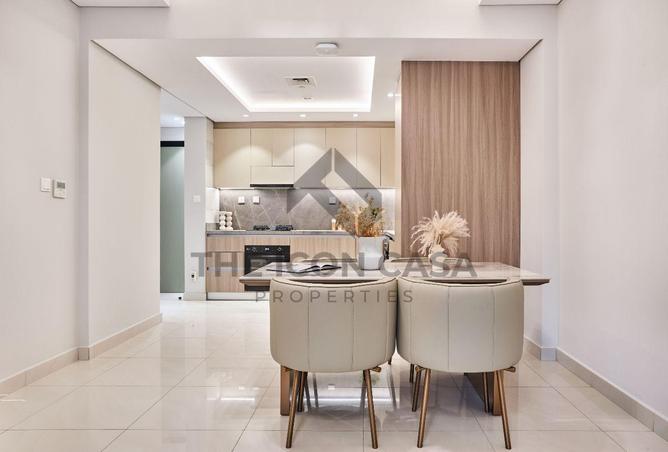
Apartment
Listed 2 days ago
72,000 AED/year
Renovated Pool View 1 BHK | Free WIFI | 12 Cheques
The Icon Casa, District 11, Jumeirah Village Circle, Dubai
1
2
903 sqft
-
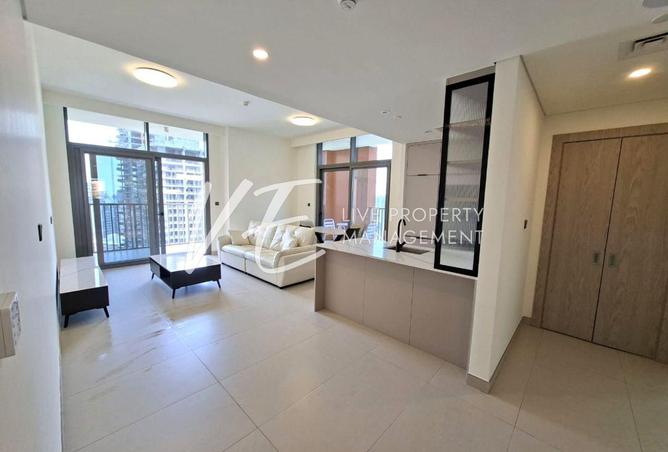
Apartment
Listed 4 days ago
75,000 AED/year
Corner Units | High Floor | Ready to move-in
Hadley Heights, District 11, Jumeirah Village Circle, Dubai
1
1
964 sqft
-

Apartment
Listed 1 month ago
71,000 AED/year
No Comms | Roomy 1 Bed | Villa View
The Haven Residences, District 10, Jumeirah Village Circle, Dubai
1
2
789 sqft
-
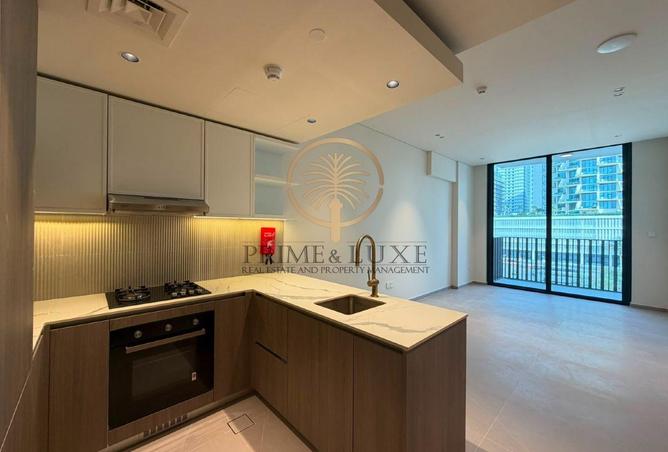

Apartment
Listed 2 months ago
80,000 AED/year
Move-In Ready | Premium 1 Bed | High-End Quality
Beverly Residences 2, District 15, Jumeirah Village Circle, Dubai
1
2
783 sqft
-


Apartment
Listed 2 weeks ago
90,000 AED/year
Higher floor | Private Pool | Spacious
Binghatti Phantom, District 17, Jumeirah Village Circle, Dubai
1
1
795 sqft
-


Apartment
Listed 6 days ago
75,000 AED/year
Spacious 1BR| Ready to Move| 2min From Circle Mall
Bluebell Residence, District 11, Jumeirah Village Circle, Dubai
1
2
837 sqft
-
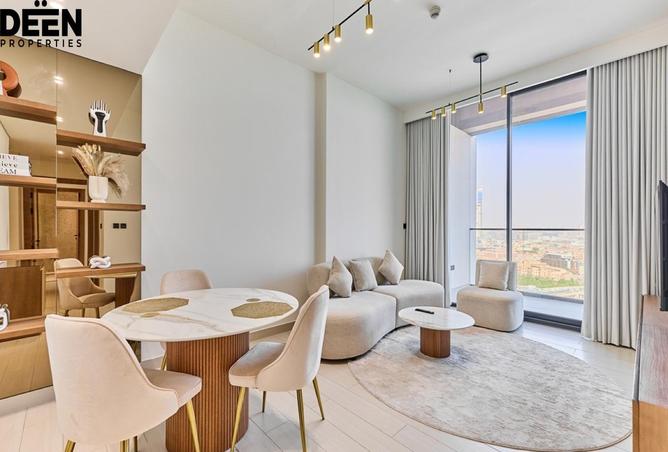

Apartment
Listed 23 hours ago
81,999 AED/year
Spacious I Furnished I Vacant I Closed Kitchen
Binghatti Amber, District 11, Jumeirah Village Circle, Dubai
1
2
954 sqft
-
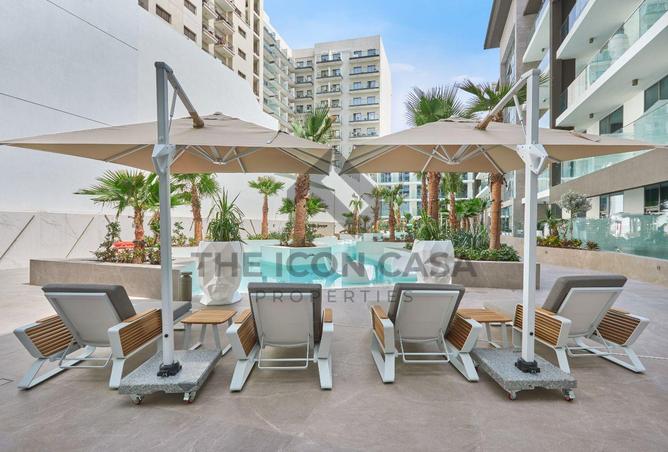

Apartment
Listed 2 days ago
75,000 AED/year
Elegant & Spacious 1 BHK |Well-Connected Location
The Icon Casa 4, District 12, Jumeirah Village Circle, Dubai
1
2
801 sqft
-
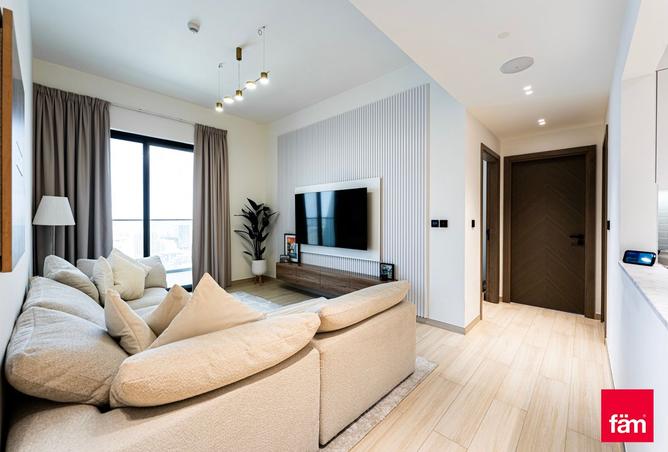

Apartment
Listed 6 days ago
120,000 AED/year
12 Cheques I Close to Exit I Upgraded I Appliances
Binghatti Heights, District 10, Jumeirah Village Circle, Dubai
2
2
1,143 sqft
-
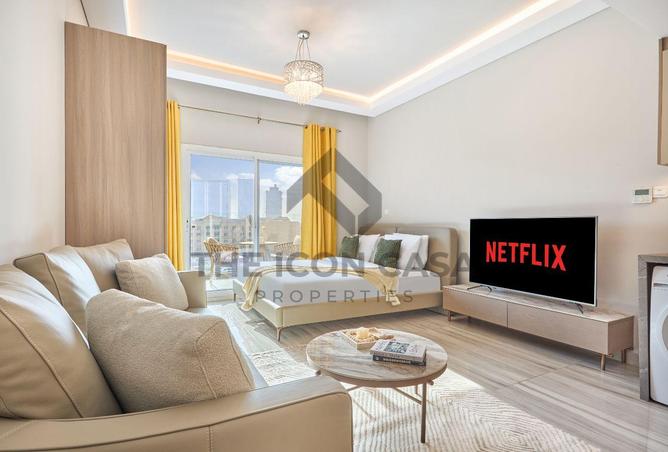
Apartment
Listed 2 days ago
50,000 AED/year
Modern Renovated Studio | 12 Cheques | Free WIFI
The Icon Casa, District 11, Jumeirah Village Circle, Dubai
studio
1
463 sqft
Notification Requirements: What Must Landlords Do
If a landlord wants to amend the rent or any other lease term at renewal, the tenant must be notified at least 90 days before the contract expires, unless both parties agree otherwise. The law also defines notice as a written notification delivered by a notary public, registered mail, hand delivery, or another legally approved technological method.
This notice period matters. Without proper notice, the landlord may not be able to impose a new rent at the last minute. For tenants, the 90-day rule is one of the strongest protections in Dubai’s rental system.
Tenant Rights & Remedies
Tenants do not have to accept an increase that exceeds the legal cap or ignore the notice rules. The first step is usually to check the official Rental Index and compare the current rent with the market average for similar units. If the proposed increase is outside the permitted range, it can be challenged.
If the matter cannot be resolved directly, the dispute can be taken to the Rental Disputes Centre, which handles tenancy disputes in Dubai. Keeping documents such as the Ejari contract, the landlord’s notice, and proof of payment makes any challenge much stronger.
Exceptions & Additional Considerations
The Smart Rental Index takes building condition, maintenance, finishes, location, and amenities into account, so a better-maintained property may sit closer to the upper end of the market benchmark. That affects the calculation of the permitted increase, but it does not remove the legal ceiling set by Decree 43.
It is also worth noting that the rent increase rules apply at renewal. That makes lease planning important for both landlords and tenants, especially in competitive communities where demand can shift quickly. DLD’s index is designed to keep the process transparent rather than unpredictable.
Enforcement & Dispute Resolution
If a landlord violates the law, tenants can rely on DLD’s tools to verify the permitted increase and then take the matter forward through the Rental Disputes Centre if needed. Dubai REST and DLD’s online services also support rental-related processes, including contract renewal and dispute tracking.
The safest approach is to review the index before renewal, compare it with the current rent, and keep every communication in writing. That creates a clear record and reduces the risk of a dispute escalating unnecessarily.
Key Takeaways

So, can landlords increase rent in Dubai? Yes, but only within a strict legal framework. The increase must be tied to the official market benchmark, applied at renewal, and supported by proper notice. The law is designed to keep rent changes fair, transparent, and consistent across the market.
For tenants, the practical takeaway is simple. Check the Rental Index early, keep your Ejari and written notices, and challenge any increase that does not follow the rules. In Dubai, knowledge of the process is often the strongest protection.
FAQs
No. The legal increase is tied to renewal, not to the middle of a fixed-term lease. Decree 43 applies when a lease is renewed, and the amended tenancy law frames the change process around expiry and notice.
If your rent is already close to the average market level, the permitted increase may be 0%. Decree 43 says there is no increase where the current rent is up to 10% below the average.
It must be a written notice sent by a legally recognised method, such as a notary public, registered mail, hand delivery, or an approved technological means. It should reach the other party at least 90 days before the contract ends.
Yes. The law allows the parties to review the rent before renewal, so negotiation is possible. The final figure must still sit within the legal framework if the matter is to remain uncontested.
Check the official Rental Index, keep your documents, and escalate the issue to the Rental Disputes Centre if the landlord does not comply. Ejari, the notice, and payment records are the most useful documents to retain.