



Relocating internationally is a big step, and moving to Dubai from India has become one of the most popular choices for professionals, families, and entrepreneurs alike. With tax-free salaries, modern infrastructure, and global career opportunities, Dubai offers a compelling lifestyle upgrade. However, before making the move, it’s essential to understand visa processes, living costs, salary expectations, and housing options to avoid surprises and plan effectively.
- Visa & Legal Requirements
- Cost of Living in Dubai
- Salary Expectations & Income Tax
- Relocation & One-Time Costs
- Where to Live: Best Neighbourhoods & Housing Tips
- Cultural & Practical Tips for Relocation
- Key Takeaways
- FAQs
Visa & Legal Requirements
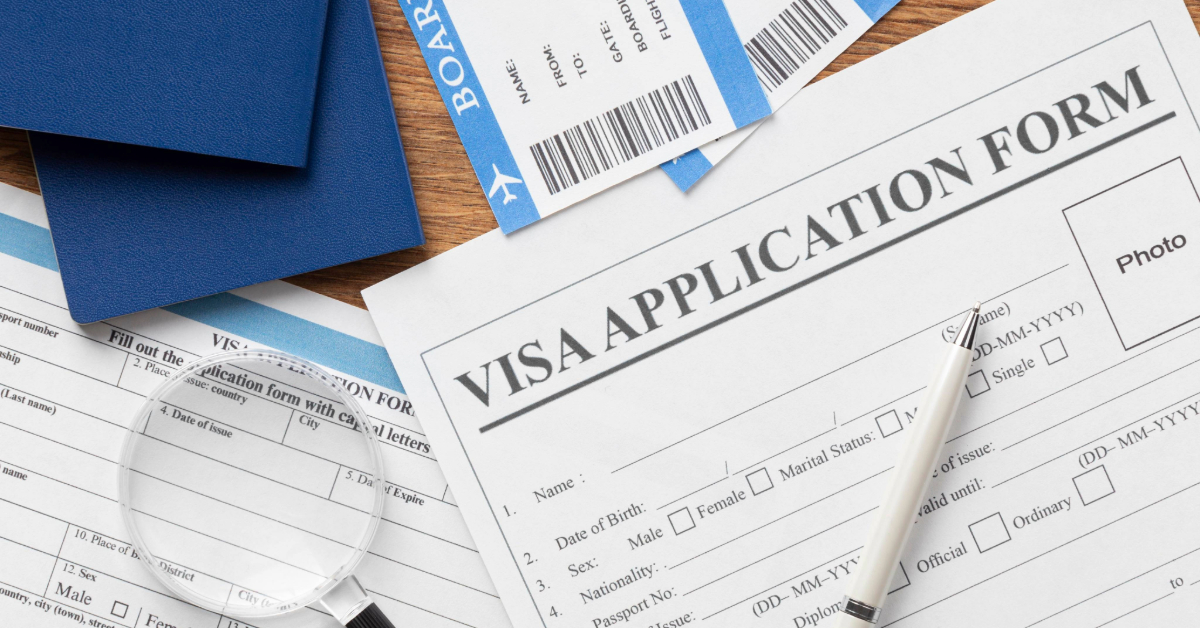
Understanding visa rules is the first step when moving from India to Dubai. The UAE offers multiple visa options depending on your purpose of stay, whether short-term travel, employment, or long-term residency.
Types of Visas for Indian Nationals
Dubai provides flexible visa pathways tailored to different needs. Tourist visas are available for 14, 30, or 60 days, while multiple-entry options allow longer stays. Indian nationals holding valid visas from countries such as the US, the UK, or Schengen states may also qualify for visa-on-arrival options.
For those planning long-term relocation, the employment visa is the most common route. It requires employer sponsorship and typically comes with a renewable residence permit. High-income professionals, investors, and exceptional students may qualify for the Golden Visa, which offers long-term residency of up to 10 years.
Application Process & Costs
Most visas are processed online or through authorised travel agents and airlines. Tourist visa costs vary by duration, while employment visa costs are usually covered by the employer. The full process for work visas, including medical tests and Emirates ID issuance, generally takes two to four weeks.
Cost of Living in Dubai

When planning your move, understanding the cost of living is essential. Expenses can vary significantly depending on your lifestyle, family size, and choice of neighbourhood.
Monthly Expenses
A single professional can expect to spend between AED 4,000 and AED 6,000 monthly, excluding rent. Families, however, face significantly higher costs, especially when factoring in schooling and larger housing needs.
Accommodation Costs
Housing is the biggest expense when moving to Dubai. Rental prices vary widely depending on location and property type. Affordable areas such as Deira and Bur Dubai offer lower rents, while mid-range communities like Al Barsha and Dubai Silicon Oasis provide a balance between cost and comfort. Premium locations such as Downtown Dubai, Dubai Marina, and Palm Jumeirah command significantly higher rents but offer luxury living and prime connectivity.
For those exploring housing options, platforms like Property Finder provide access to verified listings across these communities. Property Finder connects users only with licensed agents, agencies, and developers, ensuring transparency and reliability in the search process. Additionally, do not promote direct buying, selling, or renting between individuals, as regulated transactions offer better legal protection.
Utilities such as electricity, water, and cooling can range from AED 300 to AED 1,200 depending on usage, while internet and mobile packages typically cost AED 300–600 per month.
Other Key Living Expenses
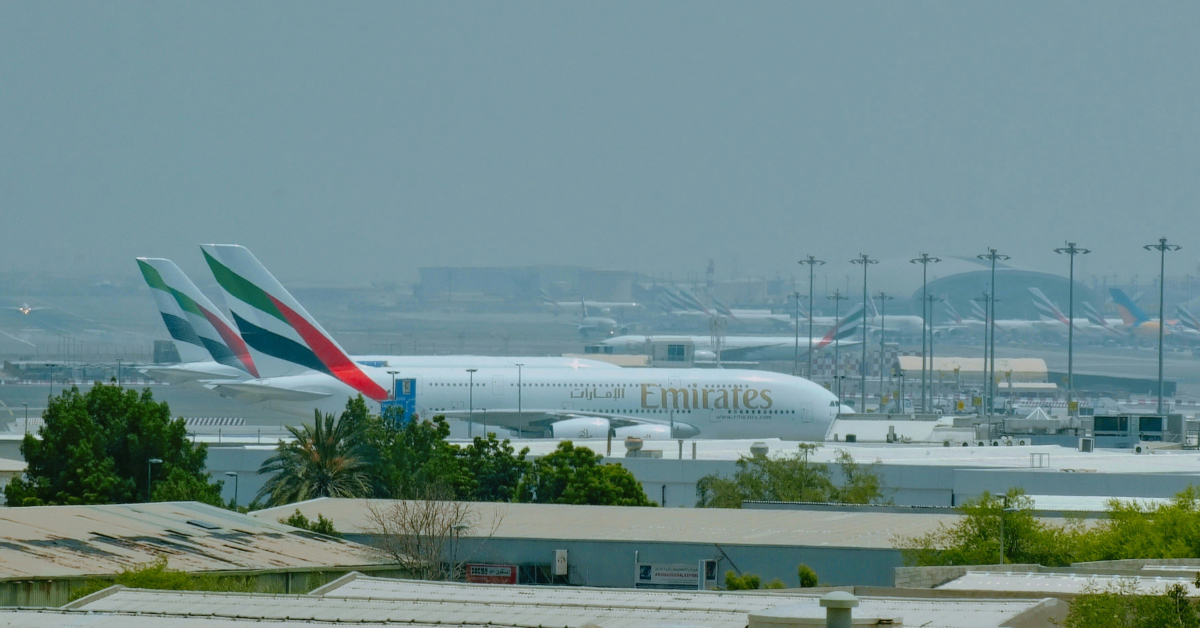
Groceries, dining, transport, and healthcare all contribute to your monthly budget. A single person may spend around AED 800–1,200 on food, while families could spend significantly more. Public transport is affordable, but many residents opt for cars, which increases overall expenses. Health insurance is mandatory, and costs vary depending on the coverage.
Salary Expectations & Income Tax
Salary expectations play a crucial role in deciding whether moving to Dubai from India makes financial sense.
Tax Structure
One of Dubai’s biggest advantages is its tax-free income system. There is no personal income tax, meaning your entire salary is take-home pay. However, a 5% VAT applies to most goods and services.
Typical Salaries by Role
Salaries vary widely by industry and experience level. For example, software engineers can earn anywhere between AED 5,000 for entry-level roles to over AED 35,000 for senior positions. Many companies also offer additional benefits such as housing allowances, transport, or health insurance.
What Salary Do You Need to Live Comfortably
A single individual can live comfortably on AED 10,000–15,000 per month in a mid-range area. Families typically require AED 25,000–35,000 or more, particularly if private schooling is involved. Your choice of neighbourhood, whether Jumeirah Lake Towers (JLT) or Downtown Dubai, can significantly impact your budget.
Explore the Available Apartments for Rent in Downtown Dubai
-
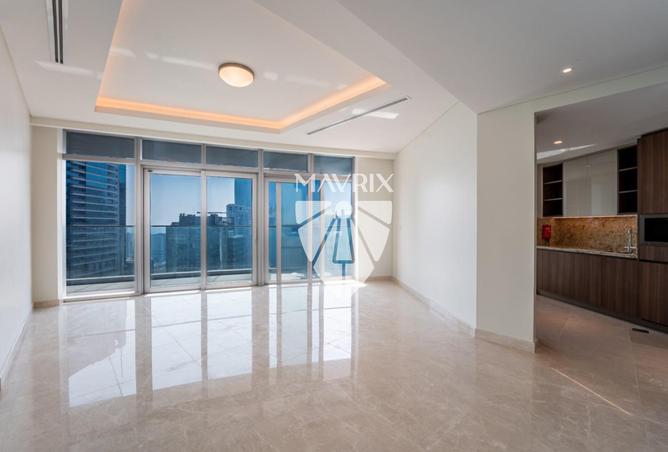

Apartment
Listed 2 months ago
200,000 AED/year
High-Floor Residence | Canal View | Largest Layout
Imperial Avenue, Downtown Dubai, Dubai
2
3
1,498 sqft
-


Apartment
Listed 2 months ago
85,000 AED/year
Furnished | 12 Cheques | Modern Design
Burj Views podium, Burj Views, Downtown Dubai, Dubai
studio
1
734 sqft
-


Apartment
Listed 4 days ago
240,000 AED/year
Fully Furnished | Luxury 2BR | Burj Khalifa View
Vida Residence Downtown, Downtown Dubai, Dubai
2
3
1,386 sqft
-
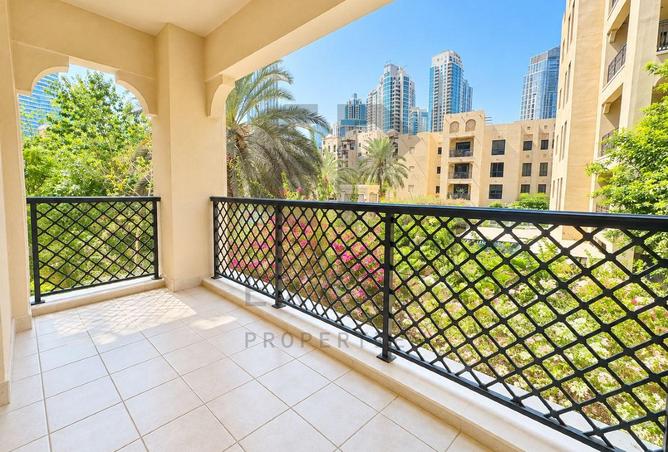

Apartment
Listed 3 days ago
110,000 AED/year
Spacious 1BR | Closed Kitchen | Call Now
Reehan 4, Reehan, Old Town, Downtown Dubai, Dubai
1
2
938 sqft
-


Apartment
Listed 4 weeks ago
89,999 AED/year
Mid-Floor | Vacant | Ready | Furniture Optional
Claren Tower 2, Claren Towers, Downtown Dubai, Dubai
1
1
744 sqft
-
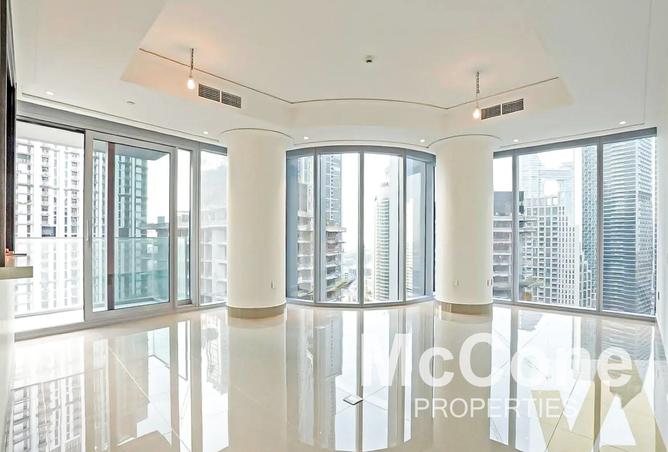

Apartment
Listed 6 hours ago
200,000 AED/year
Vacant | Low Floor | Prime Location
Opera Grand, Burj Khalifa Area, Downtown Dubai, Dubai
2
3
1,713 sqft
-
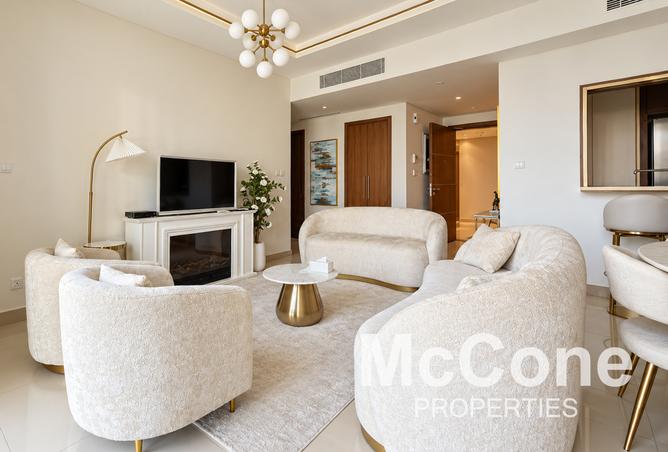

Apartment
Listed 6 hours ago
174,000 AED/year
Low Floor | Spacious | Fully Furnished
Boulevard Point, Downtown Dubai, Dubai
2
2
1,332 sqft
-

Apartment
Listed 6 hours ago
220,000 AED/year
High Floor | Upgraded | Burj & Fountain View
Act One, Act One Act Two Towers, Opera District, Downtown Dubai, Dubai
2
2
1,325 sqft
-


Apartment
Listed 2 weeks ago
239,999 AED/year
High Floor |2 bed Ensuite |Spacious |Extra Storage
Vida Residence Downtown, Downtown Dubai, Dubai
2
3
1,371 sqft
-
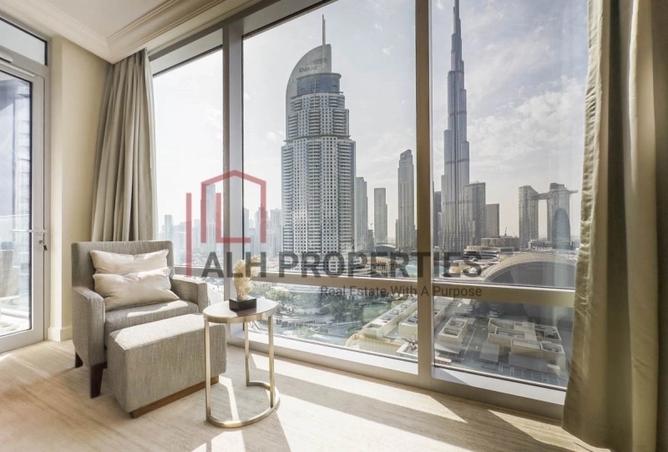

Apartment
Listed 1 week ago
245,000 AED/year
Vacant | Burj Khalifa View | Ready To Move In
The Address Residence Fountain Views 2, The Address Residence Fountain Views, Downtown Dubai, Dubai
2
3
1,505 sqft
Relocation & One-Time Costs
Beyond monthly expenses, relocating to Dubai involves several upfront costs that must be planned in advance.
Flight tickets from India typically range from ₹20,000 to ₹50,000, depending on the timing and departure city. Shipping personal belongings can vary widely based on volume. Rental deposits, usually around 5% of annual rent, must be paid upfront along with post-dated cheques.
Additional setup costs include furnishing your home, utility deposits, and activating services such as DEWA and internet. These initial expenses can easily exceed AED 2,000–5,000 depending on your lifestyle and property size.
Where to Live: Best Neighbourhoods & Housing Tips
Choosing the right neighbourhood is one of the most important decisions when relocating.
Neighbourhoods to Consider
Dubai offers a wide range of residential communities suited to different budgets and lifestyles. Luxury seekers often choose Palm Jumeirah, Dubai Marina, or Downtown Dubai for their high-end amenities and vibrant lifestyle. Mid-range options such as Al Barsha, JLT, and Dubai Silicon Oasis offer excellent value and strong connectivity. More affordable areas like International City, Deira, and Bur Dubai are popular among budget-conscious residents.
Housing Guidelines
Rental payments in Dubai are typically made using post-dated cheques covering the full year. Many properties include amenities such as gyms, pools, and security, which can influence rental prices. It is generally recommended to keep rent within 30–40% of your income to maintain financial stability.
When searching for a home, using trusted platforms ensures secure transactions and verified listings, helping avoid common pitfalls during relocation.
Cultural & Practical Tips for Relocation
Adapting to a new country involves more than just finances. Understanding local customs and systems will help you settle smoothly.
Ensure your passport is valid for at least six months and keep all educational and professional documents ready. Health insurance is mandatory, and without it, medical expenses can be high.
Dubai offers a reliable public transport system, but many residents prefer driving. English is widely spoken, making communication easy, though basic Arabic knowledge can be helpful. Respecting local customs, especially during Ramadan, is important for a smooth cultural transition.
Setting up a bank account, managing finances in AED, and understanding local investment options are also essential steps after arrival.
Key Takeaways
Moving to Dubai from India offers strong financial and lifestyle benefits, but it requires careful planning. Visa options range from short-term tourist permits to long-term employment and Golden Visas, with employer sponsorship being essential for most professionals. The cost of living is relatively high, particularly for housing, which makes budgeting crucial. Salaries are tax-free and can be significantly higher than in India, especially in skilled sectors, but expenses such as rent, schooling, and healthcare must be considered. Relocation involves notable upfront costs, including deposits and setup fees, while choosing the right neighbourhood can greatly impact your quality of life. With the right preparation, the move can be both financially rewarding and personally fulfilling.
FAQs
You need an employment visa, which includes a work permit followed by a residence visa. This process is handled by your employer, and individuals generally cannot self-sponsor unless they are eligible for special visa categories, such as the Golden Visa.
No, there is no personal income tax in Dubai. However, a 5% VAT applies to many goods and services.
A monthly income of AED 10,000–15,000 is typically sufficient for a comfortable lifestyle, depending on your housing choice and spending habits.
Yes, employment visa holders can sponsor their spouse and children, provided they meet the minimum salary requirements and cover additional costs, such as insurance and school fees.
For most professionals, earning at least twice their equivalent salary in India, combined with benefits such as housing allowances and tax savings, makes relocating to Dubai financially worthwhile.