


Protecting a flat in Dubai is no longer something only mortgage holders think about. Between rising furnishing costs, stricter building management rules, water leakage disputes, and increasingly valuable tenant-owned interiors, Apartment Insurance in Dubai has become a practical safeguard for both owners and renters across Dubai Marina, Jumeirah Village Circle, Business Bay, Downtown Dubai, and Dubai Hills Estate. Whether you own a furnished investment apartment or rent a one-bedroom unit with expensive electronics, the right policy can shield you from repair bills, neighbour liability claims, theft, and temporary relocation costs.
As Dubai’s residential market matures, many apartment communities now encourage structured protection beyond standard service charges. Buyers browsing premium listings in Palm Jumeirah or family-oriented towers in Mirdif often focus on layout, maintenance quality, and security systems, but insurance remains one of the most overlooked ownership expenses. Apartment Insurance in Dubai fills that gap by covering the financial risks that service charges and developer warranties do not.
- What Is Apartment Insurance?
- What’s Typically Not Covered?
- Cost Ranges & Sample Premiums (2026)
- Key Factors That Influence Premiums
- Top Providers in Dubai (2025–2026)
- How to Choose the Best Policy (Step by Step)
- Regulatory & Seller / Lender Requirements
- Pros & Cons of Popular Add-Ons
- Key Takeaways
- FAQs

What Is Apartment Insurance?
Apartment insurance is a residential protection policy designed specifically for flat owners, landlords, and tenants. Unlike a generic home policy, it focuses on the unique structural, contents, and liability risks that arise in multi-unit towers where one incident can affect multiple neighbouring apartments.
There are four major forms of cover typically included or offered under Apartment Insurance in Dubai, and understanding the difference is essential before comparing quotations.
Building insurance
This protects the permanent structural components of the apartment itself, including internal walls, ceilings, built-in wardrobes, fitted kitchens, sanitary fixtures, and in some cases part of the flooring. For financed properties, banks commonly request building insurance before final mortgage disbursement, especially for apartments purchased in higher-value districts.
Contents insurance
Contents cover movable personal belongings inside the apartment such as furniture, laptops, televisions, décor, clothing, kitchen appliances, and tenant-installed items. This is often the most relevant policy for renters living in furnished or semi-furnished units in Jumeirah Lake Towers or Al Barsha, where personal possessions can easily exceed six figures in replacement value.
Liability insurance
Liability cover becomes critical when damage extends beyond your own unit. A burst washing machine hose, kitchen fire, or plumbing leak can damage the apartment below, resulting in legal or compensation claims. Liability protection covers injury to visitors or accidental damage caused to neighbouring property.
Add-ons and all-risk policies
Most insurers now allow optional extras such as temporary accommodation, landlord rent loss, legal defence expenses, high-value jewellery schedules, domestic helper cover, and worldwide personal belongings protection. Some premium UAE insurers also include emergency locksmith, electrical, and plumbing assistance within higher-tier plans.
Apartment Insurance in Dubai is particularly valuable in towers where maintenance incidents can quickly escalate into multi-unit claims.
What’s Typically Not Covered?
Although many residents assume insurance pays for every apartment problem, exclusions remain one of the most important parts of the policy wording.
The most common exclusion is wear and tear. Insurance does not pay for gradual deterioration such as old sealant, corroded pipes, faded paint, or ageing AC systems. Those remain owner or landlord maintenance obligations.
Pre-existing structural defects are also excluded. If the apartment already has unresolved dampness, damaged flooring, or faulty electrical installations before the policy starts, insurers will not usually honour related claims later.
Intentional damage and negligence are another major non-covered category. For example, if an owner knowingly ignores a plumbing leak for months and it later damages the apartment below, the insurer may reject the claim on the basis of preventable neglect.
Natural catastrophe cover can also be misunderstood. Some basic policies exclude earthquakes, flooding, or unusual weather events unless an endorsement is specifically added.
This means buying the cheapest quote without reading exclusions can leave residents in Dubai Creek Harbour or waterfront communities with a false sense of protection.
Explore the Available Properties for Rent in Dubai Creek Harbour
-
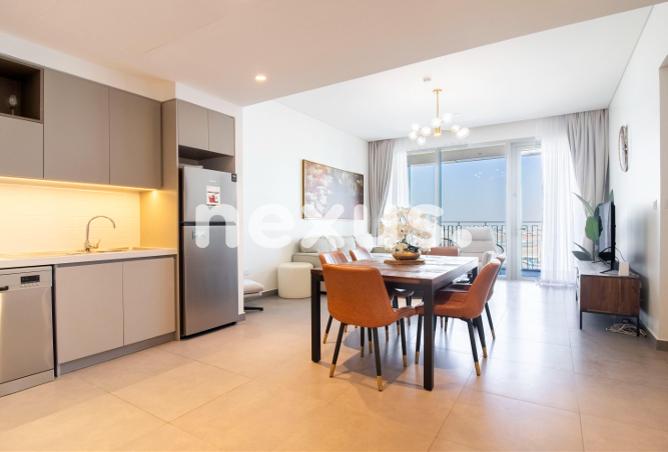

Apartment
Listed 2 months ago
135,000 AED/year
Fully Furnished | High Floor | Modern Living
Creek Gate Tower 2, Creek Gate, Dubai Creek Harbour (The Lagoons), Dubai
2
2
1,042 sqft
-

Apartment
Listed 2 days ago
200,000 AED/year
Burj Khalifa View l High Floor l Luxury
The Grand, Dubai Creek Harbour (The Lagoons), Dubai
2
2
1,226 sqft
-

Apartment
Listed 16 hours ago
115,000 AED/year
Fully Furnished l Branded l Vacant
Palace Residence North, Dubai Creek Harbour (The Lagoons), Dubai
1
1
642 sqft
-

Apartment
Listed 17 hours ago
100,000 AED/year
Vacant | High Floor | City and pool View
Creek Edge Tower 2, Creek Edge, Dubai Creek Harbour (The Lagoons), Dubai
1
1
758 sqft
-

Apartment
Listed 1 day ago
139,999 AED/year
Full Canal View|2 Bed|Very Bright|Great Price
Creek Palace, Dubai Creek Harbour (The Lagoons), Dubai
2
2
1,052 sqft
-
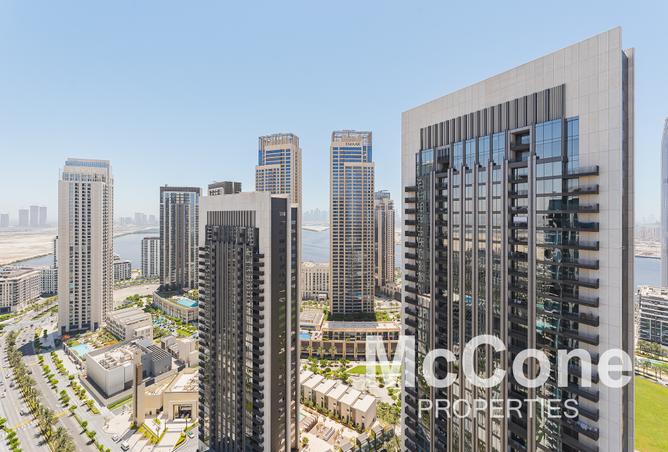
Apartment
Listed 3 days ago
135,000 AED/year
Best Views | Brand New | Hot Deal
Palace Residence North, Dubai Creek Harbour (The Lagoons), Dubai
2
2
1,123 sqft
-
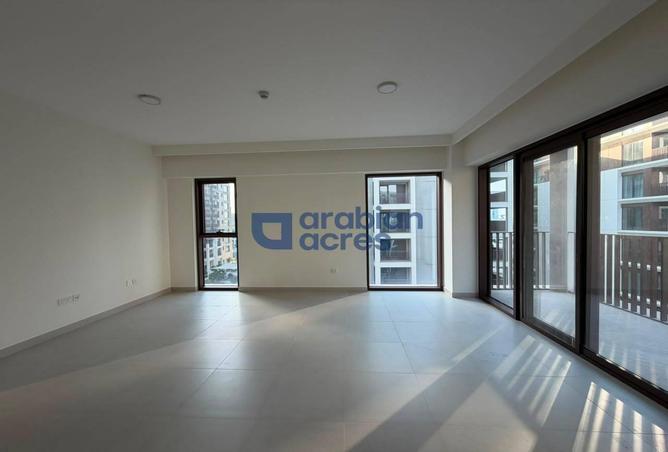
Apartment
Listed 2 months ago
190,000 AED/year
Beach access| Brand New | Maid room
Savanna at Creek Beach Tower 2, Savanna at Creek Beach, Creek Beach, Dubai Creek Harbour (The Lagoons), Dubai
3
4
1,477 sqft
-
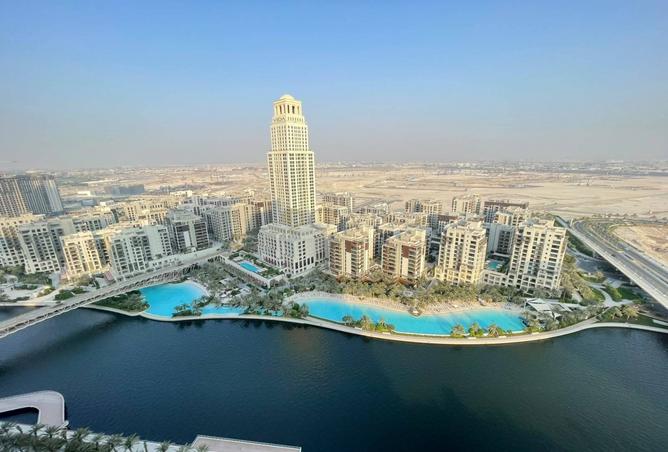
Apartment
Listed 7 days ago
234,999 AED/year
Corner|3 Bed plus Maids|Water Views|Exclusive
Creek Palace, Dubai Creek Harbour (The Lagoons), Dubai
3
4
1,655 sqft
-

Apartment
Listed 1 month ago
115,000 AED/year
2BR Apartment Creek Beach Brand New
Moor at Creek Beach Building 4, Moor at Creek Beach, Creek Beach, Dubai Creek Harbour (The Lagoons), Dubai
2
2
1,052 sqft
-
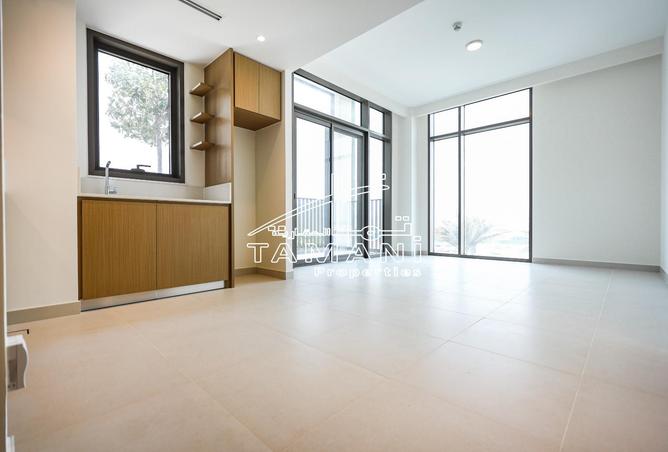
Apartment
Listed 2 months ago
80,000 AED/year
Brand New Spacious Layout 1 Bed Apartment
Moor at Creek Beach Building 4, Moor at Creek Beach, Creek Beach, Dubai Creek Harbour (The Lagoons), Dubai
1
1
683 sqft







Cost Ranges & Sample Premiums (2026)

The annual cost of Apartment Insurance in Dubai varies widely depending on whether you insure only contents or choose a full owner-occupier comprehensive package.
For contents-only insurance, residents typically pay between AED 300 and AED 800 annually for approximately AED 100,000 worth of insured belongings. This is common among tenants in studio and one-bedroom apartments.
A broader contents plus liability package generally falls between AED 500 and AED 2,500 per year. These policies usually suit one- to two-bedroom apartments in mainstream neighbourhoods such as Arjan, Discovery Gardens, or Motor City, where occupants want both possessions cover and third-party liability.
Full comprehensive protection, including building elements, contents, landlord liability, rent loss, and premium add-ons, often starts around AED 1,500 and can exceed AED 5,000 annually for luxury apartments or heavily furnished investor-owned units.
In simple terms, the larger and more customised the apartment, the faster premiums rise.
Key Factors That Influence Premiums
Insurers do not price all apartments equally, even if the floor area looks similar on paper. Several underwriting variables materially affect what you pay.
The first is the declared sum insured. Understating the value of your furniture, electronics, and interiors may reduce the premium slightly, but it can also trigger underinsurance penalties during a claim.
Location also matters. Towers in older parts of Deira or Bur Dubai may attract different rates from newer smart buildings in Dubai Hills Estate because insurers evaluate maintenance age, plumbing quality, and fire system compliance.
Apartment size and finish level directly influence premiums too. A furnished two-bedroom with designer appliances naturally costs more to insure than a basic unfurnished studio.
Security systems can help reduce cost. Buildings with 24-hour concierge, CCTV, sprinkler systems, access cards, and monitored alarms often receive better insurer scoring.
Claims history and occupancy patterns are equally important. Apartments left vacant for long stretches, particularly investor-held units, are often viewed as higher risk.
Lastly, deductibles play a major role. Choosing a higher excess can reduce annual premium, but it means paying more out of pocket for smaller claims.
Top Providers in Dubai (2025–2026)

Several insurers dominate the UAE residential insurance market, but not all are equal in terms of policy wording, claims speed, or practical usability.
Sukoon Insurance
One of the UAE’s most established insurers, Sukoon reported record 2025 financial results and continues to position itself as a leading personal insurance provider with broad home insurance flexibility. Its Home Umbrella and premium home plans are particularly suitable for owner-occupiers and furnished landlords. Community discussions frequently describe Sukoon as comprehensive but sometimes priced above market average.
GIG Gulf
GIG Gulf remains one of the most visible digital-first home insurers in Dubai, with plans starting from roughly AED 1 per day and built-in legal liability, emergency assistance, and optional worldwide belongings cover. It is widely chosen by expats seeking a straightforward online quote process.
Orient Insurance
Orient offers competitively priced home and contents solutions that appeal to budget-conscious apartment owners, particularly in affordable and mid-market communities. Its premiums can be attractive, though some residents still recommend closely checking garage-network-style claim support equivalents and wording responsiveness before selecting purely on price.
Zurich International
Zurich is usually considered a premium-tier option suited to residents with jewellery, artwork, designer furnishings, or internationally mobile valuables. The premiums are higher, but so are sublimits and bespoke scheduling options.
RSA Insurance
RSA remains a broker-favoured middle-ground insurer known for clear policy language and balanced pricing, especially for residents who want broader wording without jumping to ultra-premium plans.
How to Choose the Best Policy (Step by Step)
Selecting the cheapest quotation rarely produces the best result. Smart buyers evaluate apartment insurance through a staged process.
Start with a room-by-room valuation
List every major item you own and estimate what it would cost to replace today, not what you originally paid. Imported electronics, custom sofas, designer lighting, and jewellery can quickly change your real insured value.
Decide whether you need owner, tenant, or landlord cover
A tenant in Jumeirah Village Circle may only need contents and liability. A landlord in Dubai Marina renting furnished units short-term may need contents, legal liability, and rent loss. An owner-occupier usually needs the broadest package.
Verify insurer licensing and claim reputation
Always use UAE-regulated insurers with a visible local claims infrastructure. Fast claim acknowledgement matters far more than a small annual saving.
Compare wording, not just price
Two AED 500 quotes may look identical until one excludes accidental water leakage, neighbour liability, or alternative accommodation. The schedule of exclusions often determines the real value of the policy.
Use deductibles strategically
Increasing your excess can reduce premium, but only if you are comfortable self-funding minor claims.
Reassess every year
Apartment values, furnishings, tenant occupancy, and building risk conditions change. Insurance should be reviewed annually rather than auto-renewed blindly.
Regulatory & Seller / Lender Requirements
While apartment insurance is not universally mandated under UAE law for every owner, lenders commonly make structural insurance a mortgage condition before financing completion.
Certain developers and owners’ associations also require evidence of structural or liability protection within managed communities, particularly where shared facilities, podium parking, and common infrastructure create broader risk exposure.
In rental situations, Ejari-registered leases increasingly encourage tenants to maintain at least contents and personal liability cover, especially in furnished or family-oriented towers where damage disputes can become expensive.
Residents comparing apartments through bold community search pages across Downtown Dubai, Dubai Marina, and JVC should remember that Property Finder connects users with licensed agents, agencies, and developers only, helping buyers assess building quality, management standards, and occupancy type before evaluating long-term insurance needs.
Pros & Cons of Popular Add-Ons
Standard insurance rarely covers every realistic apartment scenario, which is why add-ons matter.
Alternative accommodation cover is extremely useful if a fire, flooding event, or severe ceiling collapse makes the unit temporarily uninhabitable. The downside is a noticeable premium increase and strict daily hotel limits.
Legal liability to neighbours is one of the most sensible additions in tower living because apartment incidents often affect multiple units. However, users must check the compensation cap carefully, as some basic plans keep liability limits lower than expected.
High-value item cover is ideal for luxury watches, jewellery, artwork, and collectibles, especially in premium communities such as Palm Jumeirah. The drawback is that insurers usually request valuation evidence and may charge separate scheduled premiums.
For landlords, rent loss protection can be worthwhile where a furnished apartment generates regular monthly income and a serious insured incident interrupts tenancy.
Key Takeaways
Apartment Insurance in Dubai in 2026 generally ranges from affordable AED 300 contents-only policies to AED 5,000+ comprehensive owner packages depending on apartment size, location, occupancy profile, and insured value. The most important distinction is not simply premium but policy wording: what is covered, what is excluded, and how efficiently the insurer handles claims. Established providers such as Sukoon Insurance, GIG Gulf, RSA Insurance, Orient Insurance, and Zurich International continue to dominate the market, but each serves a different type of resident. In practical terms, owners and tenants in Dubai should treat apartment insurance as a financial risk-management tool rather than a box-ticking formality, reviewing their policy every year as furnishings, tenant profiles, and building conditions evolve.
FAQs
No, it is not universally compulsory for every apartment owner or tenant. However, mortgage lenders frequently insist on structural insurance, and some managed communities may require certain liability or building protections as part of ownership compliance.
No. A landlord’s policy generally protects the structure and any insured landlord-owned fixtures only. Your personal furniture, electronics, clothing, and valuables require a separate contents policy in your own name.
You risk underinsurance, which means the insurer may reduce the claim payout proportionately. If your belongings are worth AED 150,000 but insured for AED 75,000, you may receive only part of the loss settlement.
You can reduce premiums by increasing deductibles, installing security systems, avoiding unnecessary add-ons, maintaining a clean claims record, and ensuring your insured values are accurate rather than excessively inflated.
Not always. Some standard apartment policies exclude natural catastrophes unless they are specifically endorsed, so residents should verify this section carefully before purchase.