



Dubai’s property market now moves in distinct community cycles rather than a single unified trend. Property Finder conducted a property price forecast by community, highlighting how pricing is increasingly shaped by local supply, demand, and development pipelines rather than city-wide averages. Recent transaction activity and a strong residential pipeline further reinforce the idea that each micro-market is now following its own trajectory, with some areas driven by scarcity and others by expanding supply and competition.
- Dubai’s Property Market Is Splitting Into Multiple Markets
- The PF Demand Index Shows Where Buyers Are Actually Moving
- Dubai Community Price Forecasts for Q3–Q4 2026
- The Communities Most Sensitive to Supply in H2 2026
- The Most Important Handover Dates Buyers Should Watch
- Ultra-Prime Pricing Is Still Defying the Broader Market
- What Q3–Q4 2026 Means for Buyers
- Key Takeaways
- FAQs
Dubai’s Property Market is Increasingly Community-Based
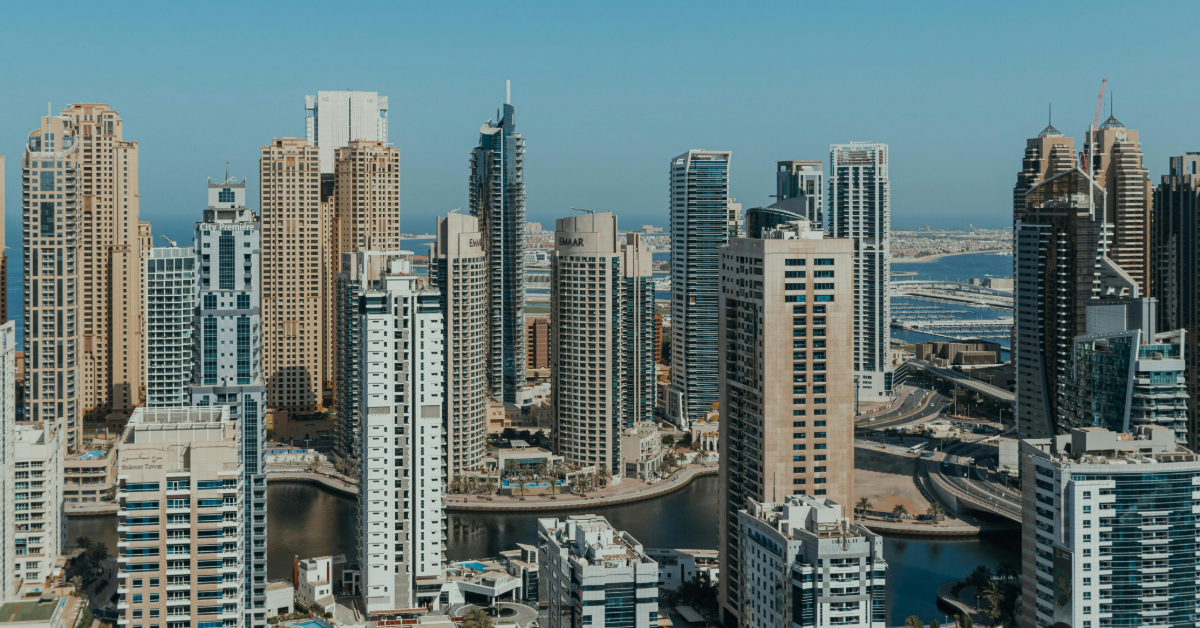
The city cannot be analysed as a single, uniform market. Dubai moved from a late-2025 sales surge into a more selective 2026 environment, with January 2026 sales exceeding AED 63 billion before softer activity in March and April. This aligns with the Dubai property price forecast, which suggests a shift from broad-based growth to community-led performance. That is not the shape of a market collapse. It is the shape of a market becoming more discriminating, with price direction now depending on community type, delivery timing, and the amount of future supply already visible.
Prime scarcity communities are behaving very differently from high-supply apartment hubs. Dubai Hills Estate and Palm Jumeirah are holding up because land and replacement stock are limited, while communities such as Business Bay and Jumeirah Village Circle are increasingly judged by handover pressure, competing launches, and buyer fatigue. The Dubai sale property price forecast indicates widening performance gaps across micro-markets, making averages less meaningful.
Explore the Available Apartments for Rent in Jumeirah Village Circle (JVC)
-
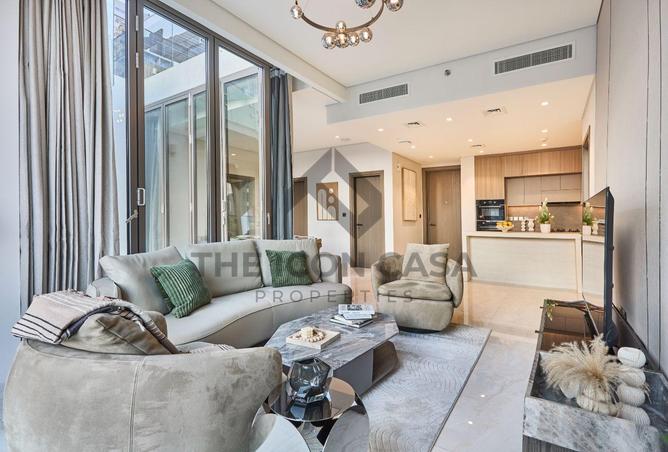

Apartment
Listed 2 weeks ago
250,000 AED/year
Sky Villa with Private Pool|2BR + Store|Brand New
The Icon Casa 6, District 11, Jumeirah Village Circle, Dubai
2
3
2,895 sqft
-
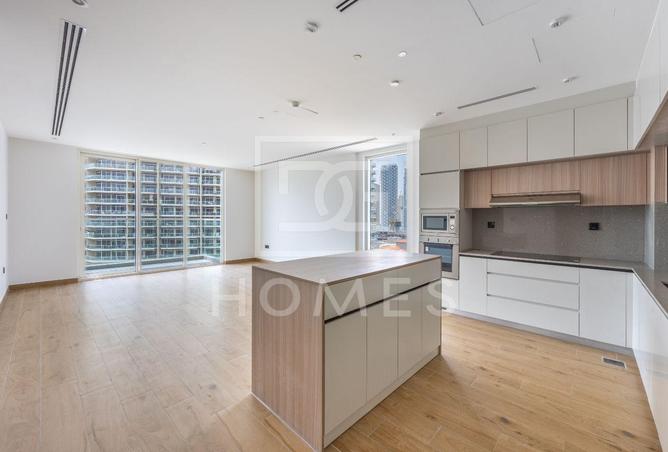
Apartment
Listed 4 weeks ago
74,000 AED/year
No Commission | Brand New | Managed Unit
The Haven Gardens, District 15, Jumeirah Village Circle, Dubai
1
2
843 sqft
-

Apartment
Listed 7 days ago
59,999 AED/year
Hot Deal | Generous 1BR | 4-6 cheques
Jeewar, District 11, Jumeirah Village Circle, Dubai
1
2
707 sqft
-
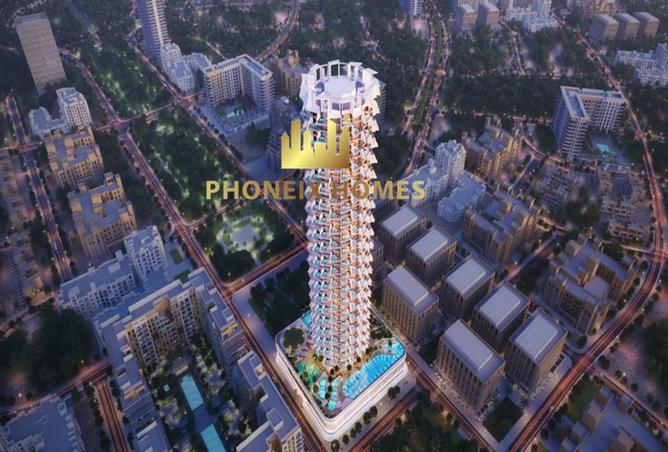
Apartment
Listed 7 days ago
90,000 AED/year
Higher floor | Private Pool | Spacious
Binghatti Phantom, District 17, Jumeirah Village Circle, Dubai
1
1
795 sqft
-
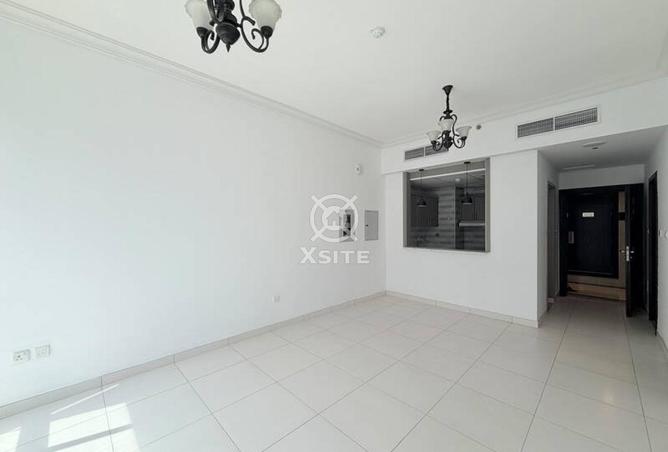
Apartment
Listed 20 hours ago
60,000 AED/year
Cozy Living | Welll-Lit | Move in Ready
Venus 1, District 12, Jumeirah Village Circle, Dubai
1
2
703 sqft
-

Apartment
Listed 4 days ago
50,000 AED/year
Modern Studio | Unfurnished | Ready to Move
Reef Residence, District 13, Jumeirah Village Circle, Dubai
studio
1
515 sqft
-

Apartment
Listed 5 days ago
95,000 AED/year
Mini 2 Bedroom | Free WIFI | Pool View
The Icon Casa 3, District 12, Jumeirah Village Circle, Dubai
2
2
1,051 sqft
-

Apartment
Listed 5 days ago
76,000 AED/year
Spacious 1 BHK | Community View | Free WIFI
The Icon Casa 3, District 12, Jumeirah Village Circle, Dubai
1
2
865 sqft
-
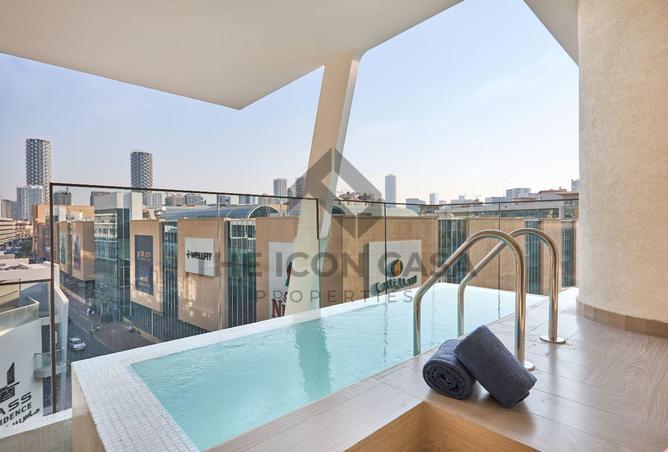
Apartment
Listed 5 days ago
175,000 AED/year
2 BHK with Private Balcony Pool | Brand New | JVC
The Icon Casa 6, District 11, Jumeirah Village Circle, Dubai
2
2
1,611 sqft
-
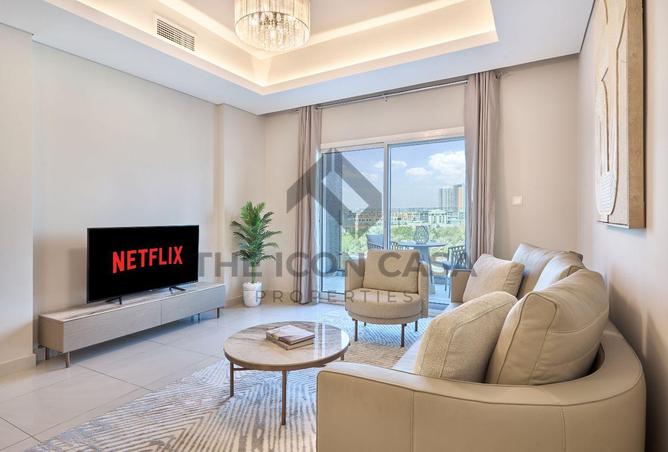
Apartment
Listed 5 days ago
72,000 AED/year
Renovated 1 BHK | Pool View | 12 Cheques
The Icon Casa, District 11, Jumeirah Village Circle, Dubai
1
2
1,005 sqft




The PF Demand Index Shows Where Buyers Are Actually Moving
The PF Demand Index is the behavioural side of the story. It measures where buyer search intent is accelerating, fading, or beginning to recover before transaction pricing fully catches up. That matters because a community can still post weak year-on-year demand and yet rebound strongly in H2 if momentum starts building later in the cycle. In other words, demand velocity often leads price direction. This is the cleanest way to separate a temporary dip from a structural slowdown.
Communities With Strongest Demand Growth Heading Into Q3 2026
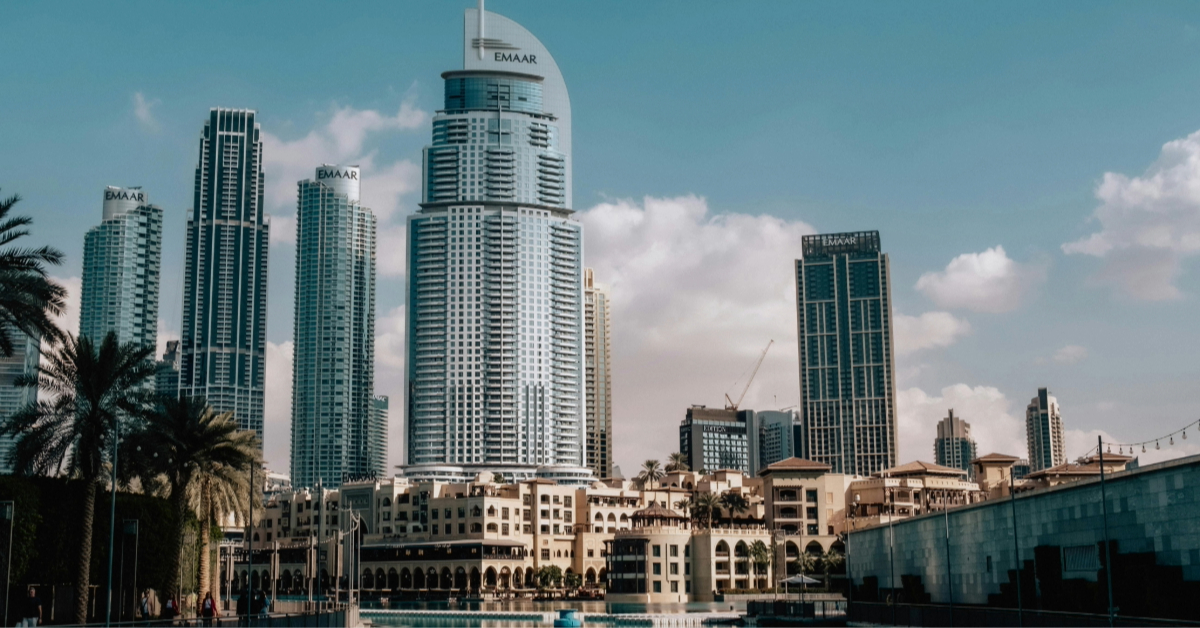
The strongest demand signals are concentrated in family-focused villa communities. Damac Lagoons leads with a 69.8% YoY demand increase, followed by The Valley at 58.6%, Mudon at 34.1%, and Dubai Hills Estate at 28.9%. This pattern reflects a clear shift toward communities offering space, master planning, and lifestyle value alongside relative affordability compared with ultra-prime stock. The market is rewarding villa-led areas that balance practicality with long-term livability and aspirational appeal.
Communities Showing Demand Fatigue or Buyer Pullback
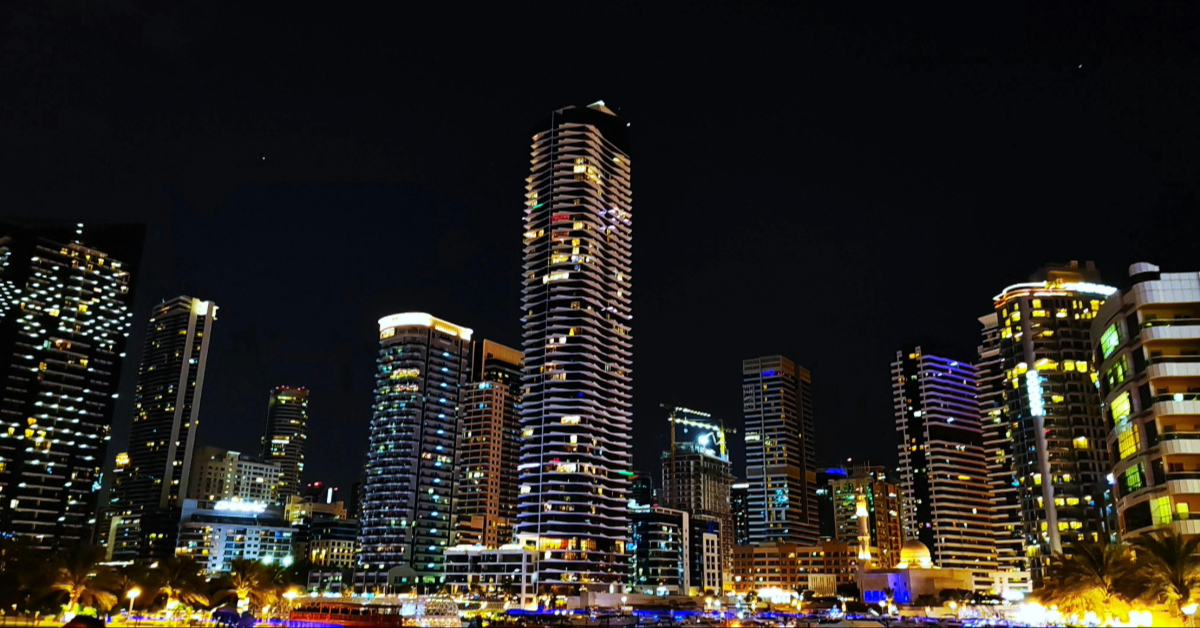
The weakest demand signals appear in communities where supply is expanding rapidly, and buyer choice is extensive. Jumeirah Village Circle is down 26.0% YoY, Business Bay is down 27.0%, Downtown Dubai is down 23.7%, Dubai Marina is down 23.7%, and Dubai South is down 50.3%. This reflects localised demand pressure rather than a broad market slowdown, with softer absorption in segments facing higher competition and repeated new launches.
The common thread is saturation. In communities with a persistent new supply, search behaviour often softens before transaction pricing does. Buyers can wait, compare, and negotiate. That is why the pullback is strongest where launches have been abundant and where investor intent is more rate-sensitive or yield-sensitive.
Dubai Community Price Forecasts for Q3–Q4 2026
This section shows the Dubai property price forecast by community for Q3–Q4 2026, based on quarterly averages of properties for sale. It reflects how supply, demand velocity, and handover timing shape pricing direction across different micro-markets.
| Community | Q2 2026 avg. sale price | Q3 2026 avg. sale price | Q4 2026 avg. sale price | Direction |
| Dubai Hills Estate | AED 2.47M | AED 2.44M | AED 2.55M | Scarcity-led stability |
| Palm Jumeirah | AED 7.52M | AED 7.50M | AED 7.77M | Q3 pause, Q4 rebound |
| Jumeirah Village Circle | AED 1.15M | AED 1.15M | AED 1.17M | Soft, supply-led |
| Business Bay | AED 1.90M | AED 1.91M | AED 1.96M | Near-term softness, later stabilisation |
| Damac Lagoons | AED 1.32M | AED 1.32M | AED 1.28M | Demand spike, but fading |
| Al Jaddaf | AED 1.68M | AED 1.93M | AED 2.18M | Rising price expectations |
| Arjan | AED 1.15M | AED 1.13M | AED 1.15M | Mild softness |
| Dubai South | AED 1.22M | AED 1.24M | AED 1.23M | Flat to slightly firmer |
Dubai Hills Estate — Scarcity Is Becoming the Price Floor
Dubai Hills Estate stood out as the clearest example of scarcity-led demand in the Dubai property price forecast. Q2 pricing sits around AED 2.47 million, Q3 eases only slightly to AED 2.44 million, and Q4 rises again to about AED 2.55 million. That is not a weak pattern. It is the price signature of a mature family community with limited villa land and persistent buyer interest. Community-level data continues to show the area’s strong appeal for both apartments and villas, reinforcing its resilience.
For buyers, waiting until Q4 may reduce negotiating leverage. The combination of rising demand and limited replacement stock usually means the better entry point is earlier, not later, especially if the goal is a villa or a long-term family hold.
Palm Jumeirah — A Q3 Slowdown Before a Q4 Rebound?
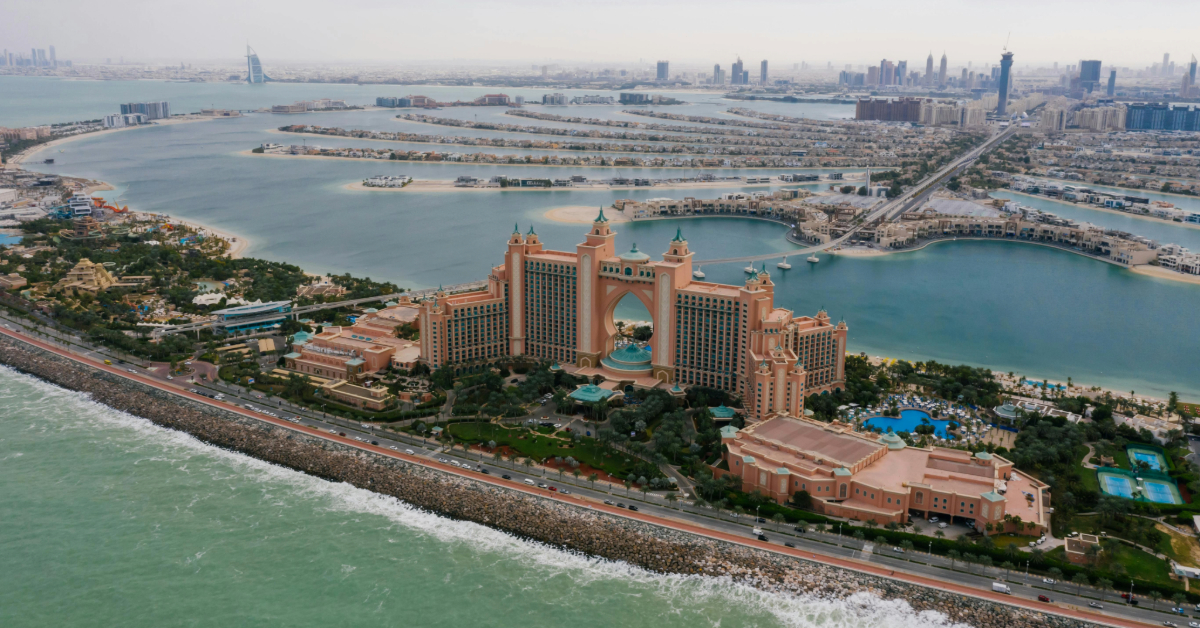
Palm Jumeirah is the most interesting contradiction in the data. YoY demand is down 19.3%, but the H2 trajectory is strongly positive, which suggests the market may be in a seasonal pause rather than a structural decline. Q2 averages around AED 7.52 million, Q3 is almost flat at AED 7.50 million, and Q4 rises to roughly AED 7.77 million. That aligns with a scarcity story: there is no new land, the ultra-prime supply pool is tight, and branded waterfront homes continue to command premium pricing.
For buyers, Q3 may be the quieter entry window before seasonal Q4 demand returns. The opportunity is not in waiting for a big discount; it is in recognising when the market is temporarily less crowded.
Jumeirah Village Circle (JVC) — When Supply Starts Overwhelming Demand
Jumeirah Village Circle is a clear example of supply pressure in Dubai. The community has one of the largest new-project pipelines in the city, with 60 new projects, and its demand index is down 26.0% YoY, with no meaningful H2 recovery yet visible. Q2 pricing sits around AED 1.15 million, Q3 remains roughly the same, and Q4 only edges up slightly. This points to a market where urgency has eased, buyers are comparing alternatives more carefully, and decision-making is increasingly value-driven.
For buyers, this is where negotiation power is strongest. In a market like JVC, patience often translates into a better price, more flexible payment terms, and more room to compare buildings and handover timing.
Business Bay — High Supply Meets Cooling Investor Momentum
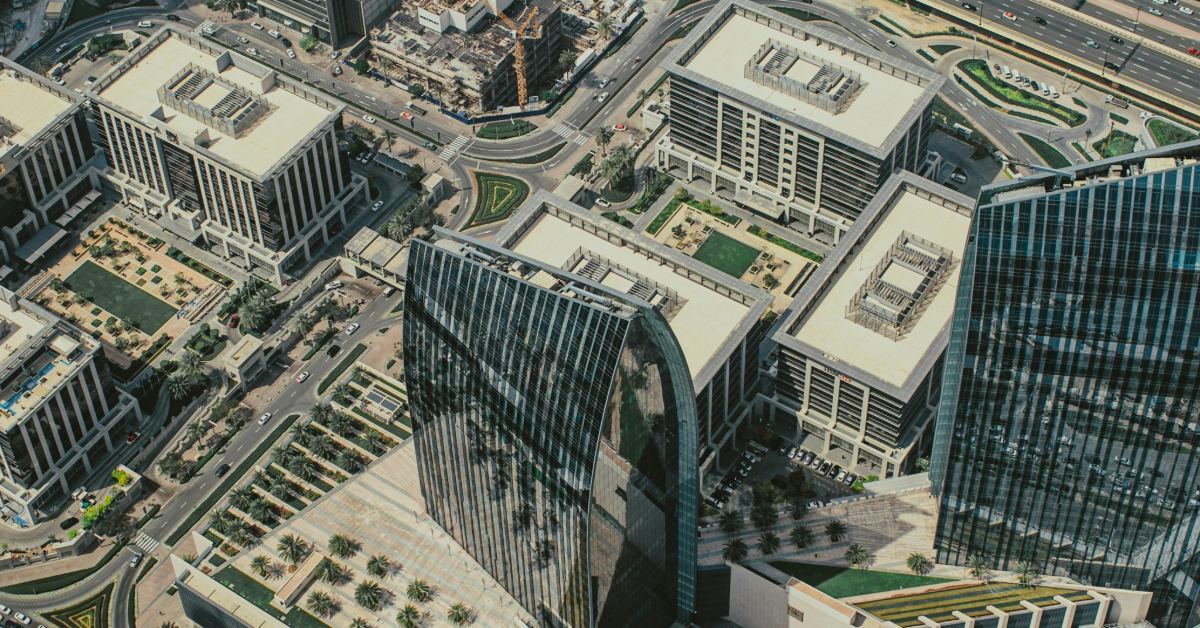
Business Bay is still one of Dubai’s most active urban districts, but it is also one of the most supply-sensitive. Q2 pricing is flat at about AED 1.90 million, Q3 nudges up only slightly, and Q4 improves modestly. That does not look like a breakout market; it looks like a market absorbing pressure from commercial-to-residential conversions and a growing branded-residence pipeline. New handovers such as Royal Regency Suites, Chic Tower, The Quayside, and Vento Tower add to the competitive backdrop.
For buyers, the opportunity is most likely in secondary inventory before handovers peak. The district still has premium appeal, but broad investor momentum has cooled.
Damac Lagoons — The Demand Spike That May Not Last
Damac Lagoons has the strongest YoY demand growth in the dataset, but the H2 picture is less convincing. Q2 and Q3 are nearly flat at around AED 1.32 million, while Q4 softens to roughly AED 1.28 million. That suggests a surge in search interest that may be front-running handovers rather than building into a durable end-user demand trend.
For buyers, timing is critical. The closer the purchase is to major handovers, the more important it becomes to assess whether the demand spike reflects true occupancy demand or temporary launch enthusiasm.
Al Jaddaf — Cooling Demand but Rising Price Expectations
Al Jaddaf is the contradiction that rewards close reading. Demand is weaker YoY, yet the forecast points to rising prices through the second half of the year, with Q2 around AED 1.68 million, Q3 near AED 1.93 million, and Q4 above AED 2.17 million. That move is supported by waterfront adjacency, infrastructure development, and the kind of urban positioning that tends to improve as the surrounding district matures.
For buyers, this can create a short-term negotiation window before infrastructure-led appreciation matures. The weaker the demand today, the more important it is to buy on the basis of future utility and access.
The Communities Most Sensitive to Supply in H2 2026
The difference between scarcity-led markets and handover-sensitive markets is now central to pricing. Future inventory changes buyer urgency, resale pricing, and the amount of room developers have to defend launch values. Dubai’s 2026 residential pipeline remains heavily concentrated in apartment deliveries, which helps explain why supply sensitivity is currently most visible in apartment-heavy districts.
Communities Sensitive to High Suply
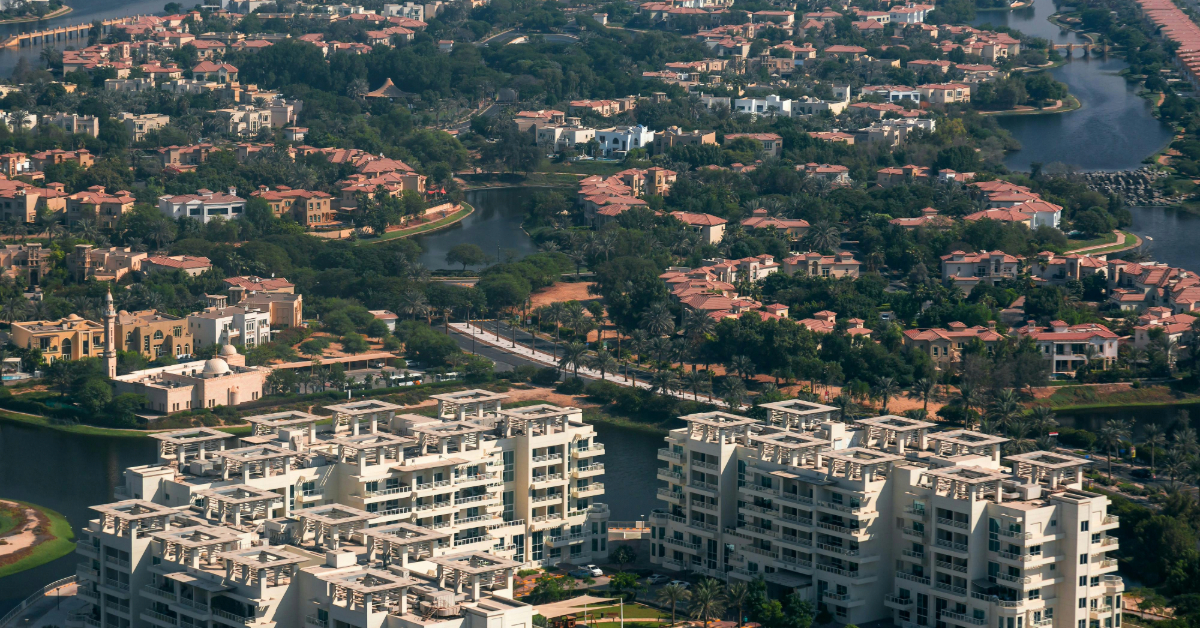
Jumeirah Village Circle, Business Bay, Dubai Land, Dubai South, and Arjan are the clearest high-supply areas in the H2 2026 story. Launch saturation in these communities reduces urgency, widens choice, and makes resale pricing more negotiable. In practice, that often means slower price growth and more incentive-led selling.
Scarcity-Led Communities
Palm Jumeirah, Dubai Hills Estate, Emirates Hills, and Jumeirah Islands are protected by limited land and stronger price floors. Community-level data for these areas consistently show how constrained supply supports long-term pricing stability, even when broader market conditions soften. In this segment, scarcity is the main driver, often outweighing short-term fluctuations in overall averages.
Balanced or Controlled-Supply Communities
Mudon, Tilal Al Ghaf, Arabian Ranches, and Jumeirah Golf Estates sit closer to controlled-supply territory. They are not immune to broader market shifts, but limited or staged releases help preserve pricing stability. Jumeirah Golf Estates in particular remains a high-value family market with strong villa and townhouse depth.
The Most Important Handover Dates Buyers Should Watch
Project completions are one of the biggest drivers of short-term pricing momentum. When several deliveries cluster in the same quarter, resale competition can intensify, and buyer sentiment can soften.
Q2 2026 Handover Clusters
The clearest Q2 pressure points appear in Business Bay, Dubai Sports City, and Damac Hills 2, where new project deliveries are adding fresh inventory into already competitive submarkets. Examples such as Vento Tower, Limelight Twin Towers, Natura, and Verona illustrate how handovers can increase near-term supply pressure, particularly in areas where buyer choice is already broad, and absorption depends on pricing flexibility and incentives.
Q3–Q4 2026 Handover Risk Areas
The Q3–Q4 risk map shifts toward Dubai Hills Estate, Palm Jumeirah, Dubai Land, and Dubai Islands. The quality and positioning of the new stock matter more than raw volume, but these are the communities buyers should watch most closely, as the next wave of deliveries can quickly reshape local pricing sentiment.
Ultra-Prime Pricing Is Still Defying the Broader Market
Luxury continues to follow a distinct pricing dynamic. The highest per-square-foot values are concentrated in Jumeirah, Palm Jumeirah, branded residences in Business Bay, and Bluewaters. This distribution highlights a segment driven less by affordability constraints and more by location scarcity, branding, and asset differentiation, separating ultra-prime buyer behaviour from mid-market apartment demand.
The Highest-Priced Communities by Sq Ft
Jumeirah leads the dataset at around AED 15,289 per sq ft in one luxury reference, followed by Palm Jumeirah and Bluewaters, while branded residences in Business Bay also show strong per-square-foot pricing. Community-level data for Jumeirah, Palm Jumeirah, Bluewaters, and Business Bay highlights this tier of highly differentiated, premium pricing, where location and scarcity play a stronger role than overall market averages.
Why Luxury Demand Behaves Differently
Ultra-prime buyers are less sensitive to interest rates, more globally diversified, and more willing to treat property as a trophy asset as well as a home. That is why luxury corrections are usually shallower and shorter, especially when the product is waterfront, branded, or scarce by design. The average can look flat while the top end continues to transact on its own logic.
What Q3–Q4 2026 Means for Buyers
Community selection now matters more than market timing in the abstract for those looking to buy Dubai real estate. A cooling market can still be a strong buying market if the community has scarcity, resilient demand, and limited handover risk. Equally, a supposedly hot market can be a weak market if supply overwhelms buyer appetite.
Where Buyers May Gain Negotiating Power
JVC, Business Bay, Dubai Sports City, and Dubai Land are the clearest places where supply-heavy conditions favour patient buyers. The more launches and handovers a community absorbs, the more negotiating power shifts from sellers to buyers.
Where Buyers May Face Rising Competition
Dubai Hills Estate, Palm Jumeirah, The Valley, and Arabian Ranches are more likely to compress inventory quickly because scarcity and family demand still matter more than short-term noise. In these markets, delay can mean fewer options rather than a better price.
Why Timing Matters More Than Ever in 2026
Quarterly timing may now significantly change outcomes, even within the same community. Q3 can feel quiet, while Q4 can suddenly tighten if demand returns or handovers are absorbed faster than expected. That is why the smartest buyers are now reading community-level supply and demand rather than relying on the citywide average.
Key Takeaways
- Property Finder’s Dubai property price forecast shows that the sale market is no longer moving as a single cycle, with pricing direction increasingly driven by community-level supply, demand velocity, and handover timing rather than city-wide averages.
- The market is in a rotation phase rather than a downturn, with early-2026 transaction strength followed by softer mid-year momentum reflecting timing effects rather than structural weakness.
- PF Demand Index signals show a clear split: villa-led, master-planned communities are seeing stronger demand growth, while many apartment-heavy districts are experiencing cooling search activity due to higher supply and choice.
- Scarcity-led communities such as Dubai Hills Estate and Palm Jumeirah continue to show pricing resilience, supported by limited land availability and stronger long-term end-user demand.
- High-supply communities like Jumeirah Village Circle, Business Bay, and Dubai South are under greater pressure from inventory depth, repeated launches, and buyer selectivity, leading to flatter or softer price trends.
- Demand fatigue is concentrated in over-supplied urban hubs, where buyers are increasingly comparison-driven, extending decision cycles and reducing short-term pricing momentum.
- Handover clustering is becoming a key short-term pricing driver, with Q2–Q4 delivery waves in areas like Business Bay, Dubai Hills Estate, and Dubai Islands shaping local supply pressure and sentiment.
- Ultra-prime segments remain structurally detached from broader market cycles, with pricing driven by scarcity, branding, and global capital flows rather than affordability or interest-rate sensitivity.
FAQs
The answer depends on the community. Scarcity-led villa areas are more likely to hold firm or improve, while supply-heavy apartment districts are more likely to flatten or soften.
Dubai Hills Estate, The Valley, Arabian Ranches, and possibly Palm Jumeirah stand out because demand and scarcity are still working in their favour.
Jumeirah Village Circle, Business Bay, Dubai South, and Dubai Land have the clearest supply-pressure story because of active pipelines and heavy launch activity.
Search behaviour often shifts before transaction prices do, so the PF Demand Index is useful for spotting where buyers are moving, slowing down, or returning ahead of the pricing cycle.
It can be, but only in the right community. Q3 may offer stronger negotiating power in supply-heavy districts, while scarcity-led communities may become harder to buy in later if demand tightens further.