



Buying property in Dubai has become one of the most strategic moves for investors and residents looking for long-term stability, lifestyle benefits, and strong rental yields. With a transparent regulatory framework, freehold ownership for foreigners, and tax-free returns, Dubai continues to attract global buyers every year. Understanding how to buy property in Dubai is essential for making a well-informed investment that aligns with your financial goals.
In this guide, you will find a clear, step-by-step breakdown of the entire purchasing process, from choosing the right property to securing financing and completing Land Department registration. You will also learn about the rules of freehold ownership, Golden Visa eligibility, typical costs, and common mistakes to avoid.
- Understanding Dubai’s property market in 2026
- Property types available in Dubai
- Step-by-step process for buying property in Dubai
- Foreign ownership and visa benefits
- Investment strategies for different goals
- Key costs and fees
- Common pitfalls to avoid
- Key takeaways
- FAQs

Understanding Dubai’s property market in 2026
Dubai’s property market in 2026 is expected to continue showing strong performance across both the apartment and villa segments. Buyer demand remains high among end-users, residents upgrading their homes, and international investors targeting long-term rental returns.
Apartments, especially two- and three-bedroom units, are popular and seeing steady price growth. Well-located, high-quality apartments continue to attract significant interest, even with more off-plan projects coming to market.
Villas, particularly larger family homes in master-planned communities, are also in demand. Buyers value space, privacy, and lifestyle amenities like parks, schools, and leisure facilities. Prices for premium villas are expected to stay strong throughout 2026; that’s why many people opt for investing in villas.
In 2026, buyers should consider not just price growth, but also rental yield, community amenities, and long-term resale potential. Understanding these factors early helps first-time and seasoned buyers make informed decisions in Dubai’s competitive property market.
Property types available in Dubai
Dubai offers a diverse range of real estate options tailored to different budgets, lifestyles, and investment strategies. Understanding these property categories is an essential first step when learning how to buy property in Dubai.
Apartments
Apartments remain the most popular choice for both investors and end-users. Studios and one- to two-bedroom units dominate demand thanks to their affordability and strong rental performance.
Explore Apartments For Sale in Dubai
-
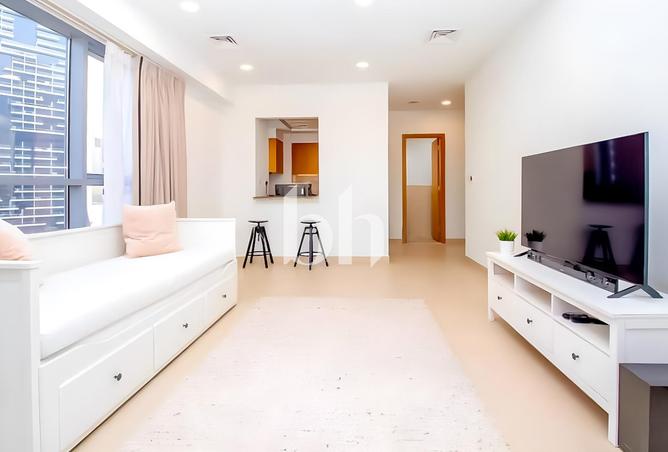

Apartment
Listed 4 days ago
1,950,000 AED
Spacious 1 Bedroom | Burj View | Vacant Soon
Bellevue Tower 2, Bellevue Towers, Downtown Dubai, Dubai
1
2
854 sqft
-
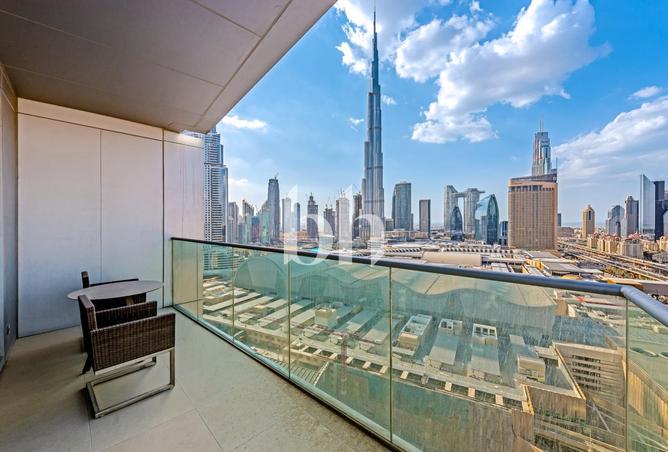
Apartment
Listed 2 weeks ago
5,600,000 AED
Burj Khalifa View | Luxury | Vacant Soon
The Address Residence Fountain Views 2, The Address Residence Fountain Views, Downtown Dubai, Dubai
2
3
1,451 sqft
-
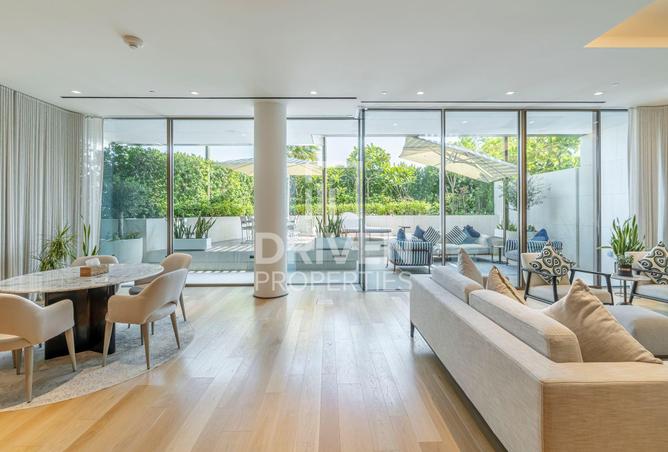
Apartment
Listed 2 weeks ago
39,900,000 AED
Luxurious Duplex Loft with Bulgari Marina View
Bulgari Resort & Residences 6, Bulgari Resort & Residences, Jumeirah Bay Island, Jumeirah, Dubai
2
3
4,576 sqft
-
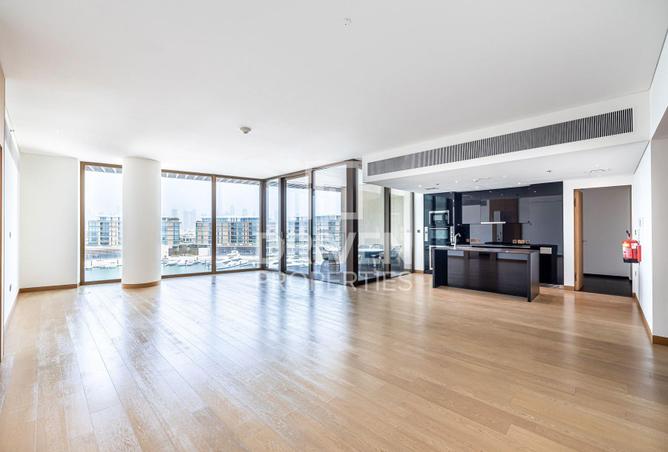
Apartment
Listed 2 weeks ago
40,000,000 AED
Luxurious | High Floor with Full Marina View
Bulgari Resort & Residences 6, Bulgari Resort & Residences, Jumeirah Bay Island, Jumeirah, Dubai
3
4
2,611 sqft
-
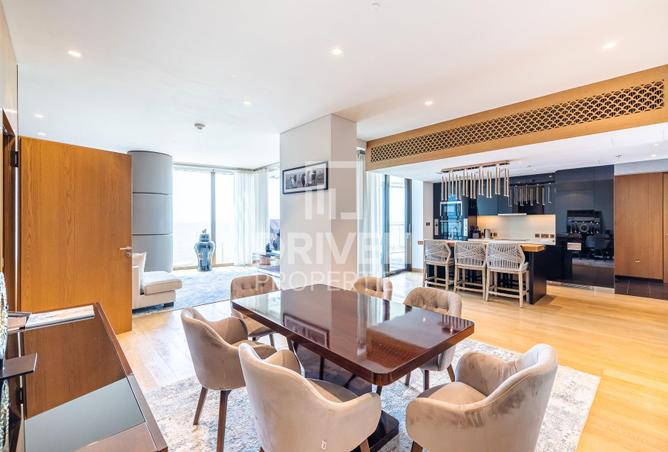
Apartment
Listed 2 weeks ago
32,000,000 AED
Fully Upgraded with Sea and Skyline View
Bulgari Resort & Residences 6, Bulgari Resort & Residences, Jumeirah Bay Island, Jumeirah, Dubai
3
4
2,630 sqft
-
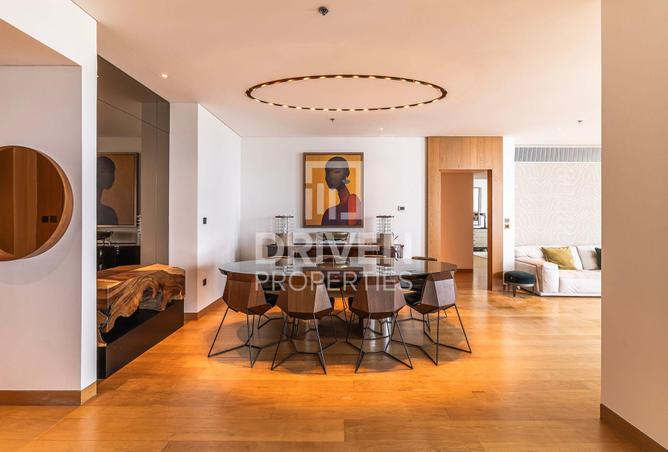
Apartment
Listed 3 weeks ago
38,000,000 AED
High Floor | Luxurious with Full Skyline Views
Bulgari Resort & Residences 2, Bulgari Resort & Residences, Jumeirah Bay Island, Jumeirah, Dubai
3
4
2,631 sqft
-
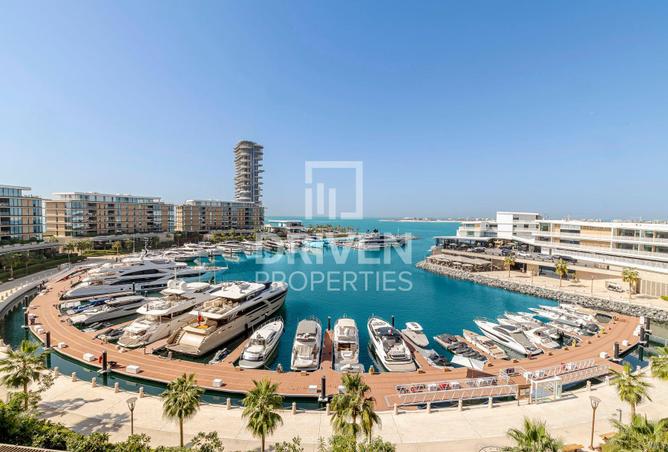
Apartment
Listed 3 weeks ago
25,000,000 AED
Spacious Apt | High Floor with Marina View
Bulgari Resort & Residences 2, Bulgari Resort & Residences, Jumeirah Bay Island, Jumeirah, Dubai
2
3
1,938 sqft
-
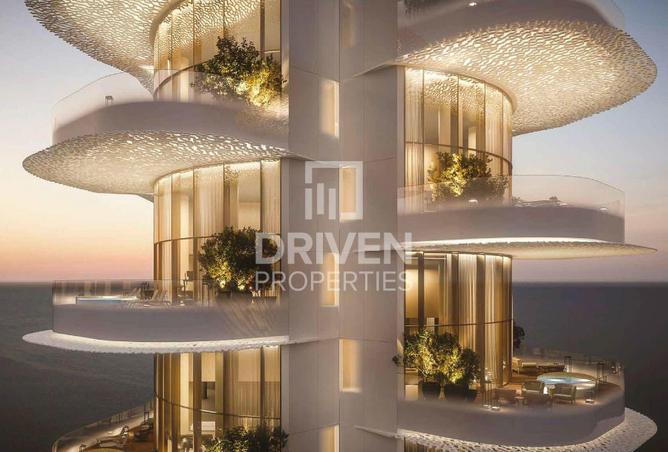
Apartment
Listed 3 weeks ago
155,000,000 AED
Opulent Design Unit | Burj Al Arab Views
Bulgari Lighthouse, Jumeirah Bay Island, Jumeirah, Dubai
5
6
11,655 sqft
-
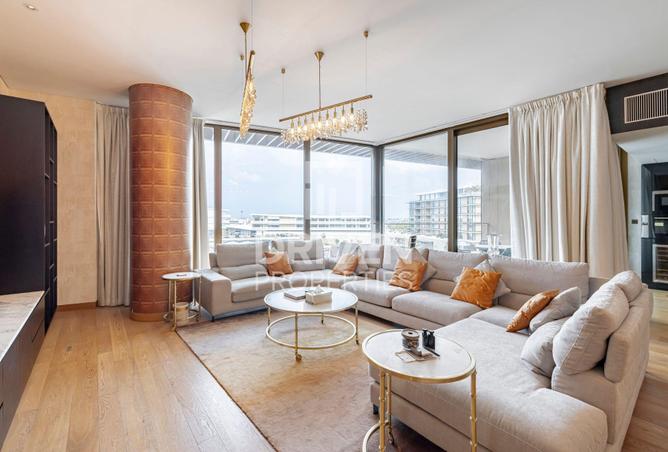
Apartment
Listed 4 weeks ago
38,000,000 AED
Luxurious Unit with Marina View | Partly Furnished
Bulgari Resort & Residences 3, Bulgari Resort & Residences, Jumeirah Bay Island, Jumeirah, Dubai
3
4
2,698 sqft
-
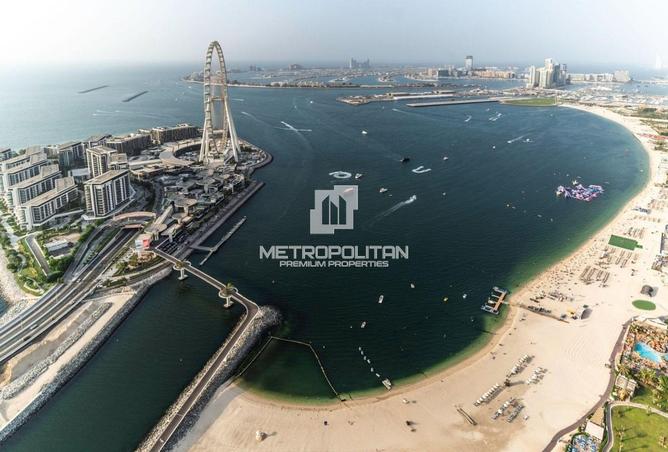
Apartment
Listed 3 days ago
11,000,000 AED
Luxury 3 Beds | Sea and Palm Views | High Floor
Jumeirah Gate Tower 2, The Address Jumeirah Resort and Spa, Jumeirah Beach Residence, Dubai
3
4
1,927 sqft



Townhouses
Townhouses have gained significant traction, especially in communities such as Dubai Hills Estate and Arabian Ranches. They offer an appealing midpoint between apartments and villas.
Explore Townhouses For Sale in Dubai
-
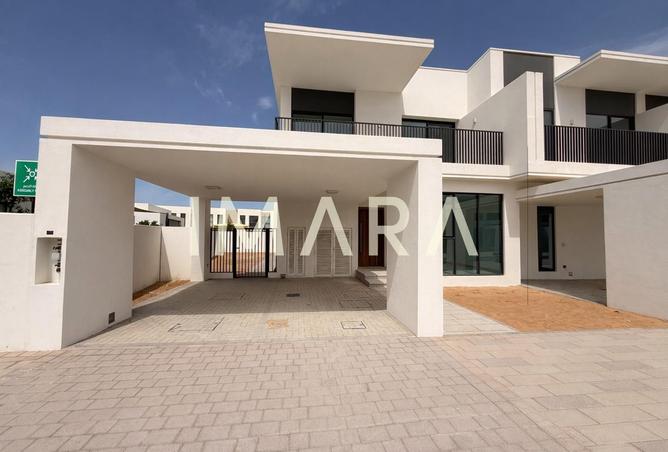
Townhouse
Listed 1 week ago
3,800,000 AED
Single Row | Vastu | Golden Beach Access
Elora, The Valley, Dubai
4
4
2,486 sqft
-
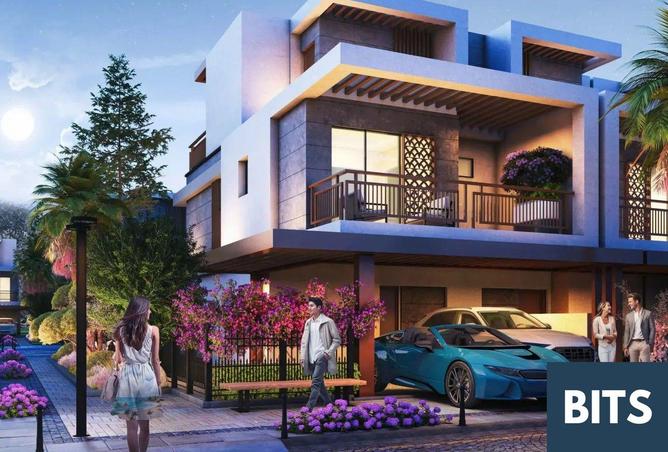
Townhouse
Listed 2 weeks ago
1,799,998 AED
4BR | Below OP | Best Price | Handover Q2 2026
Violet 1, Violet, Damac Hills 2, Dubai
4
4
1,208 sqft
-
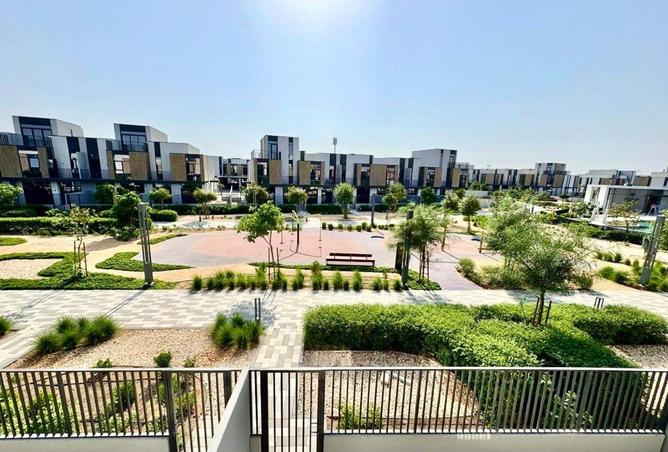
Townhouse
Listed 2 weeks ago
3,700,000 AED
On the Park | Motivated Seller | Best Market Deal
Mudon Al Ranim 3, Mudon, Dubai
3
4
1,830 sqft
-
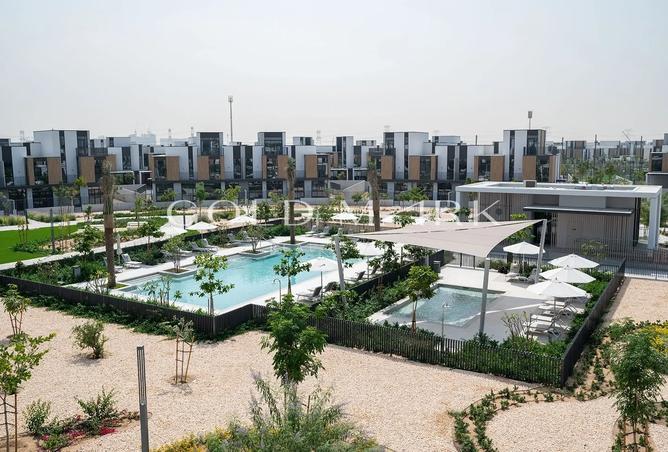
Townhouse
Listed 3 weeks ago
5,490,000 AED
Direct on Pool |Unique G + 2 | Pool View
Mudon Al ranim 4, Mudon, Dubai
4
4
2,836 sqft
-
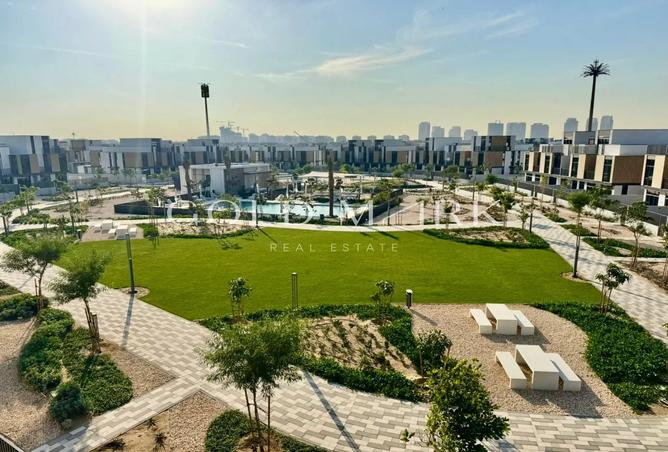
Townhouse
Listed 3 weeks ago
4,490,000 AED
Pool and Park Facing| Genuine Seller| Brand New
Mudon Al ranim 4, Mudon, Dubai
4
4
2,549 sqft
-
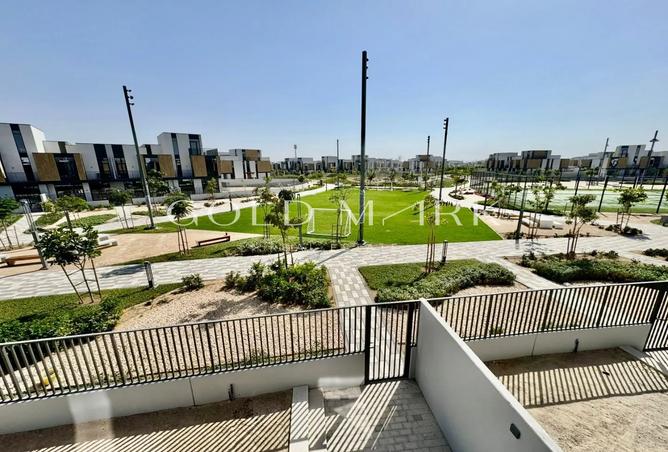
Townhouse
Listed 3 weeks ago
3,799,999 AED
Genuine Seller | Brand New|Close to Park and Pool
Mudon Al ranim 4, Mudon, Dubai
3
4
2,217 sqft
-
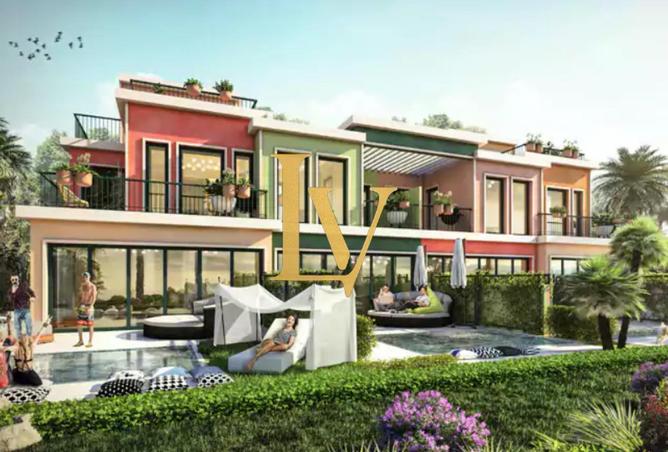
Townhouse
Listed 5 days ago
3,400,000 AED
Single Row 5BR | Near Lagoons | Motivated Seller
Portofino, Damac Lagoons, Dubai
5
6
2,345 sqft
-
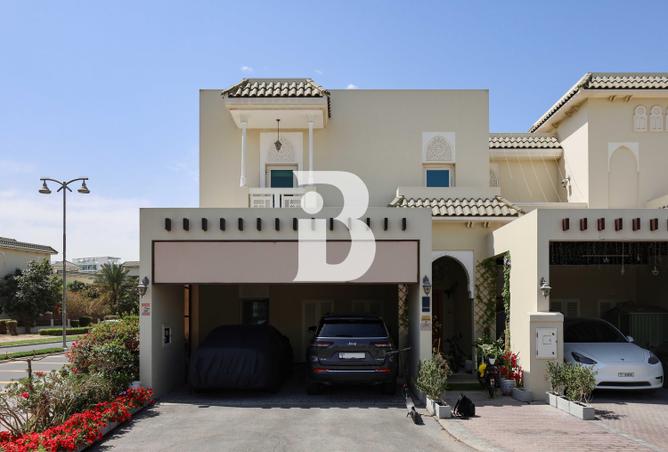
Townhouse
Listed 1 week ago
4,600,000 AED
Internal Corner Single Row | Exclusive Type A
Quortaj, North Village, Al Furjan, Dubai
3
2
3,050 sqft
-
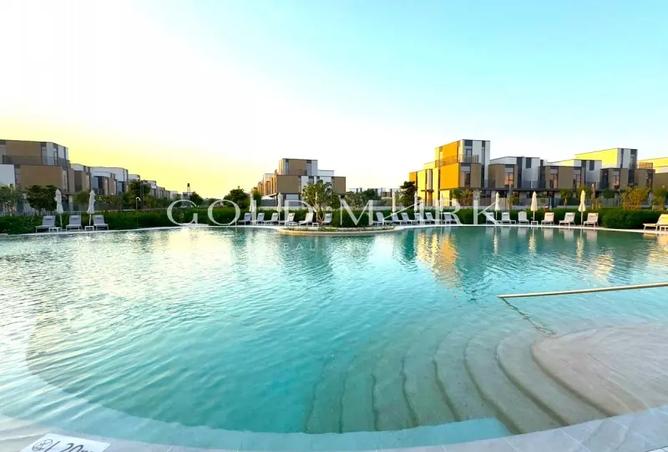
Townhouse
Listed 3 weeks ago
3,450,000 AED
Brand New I Motivated Seller I Prime Location
Mudon Al ranim 4, Mudon, Dubai
3
4
1,814 sqft
-
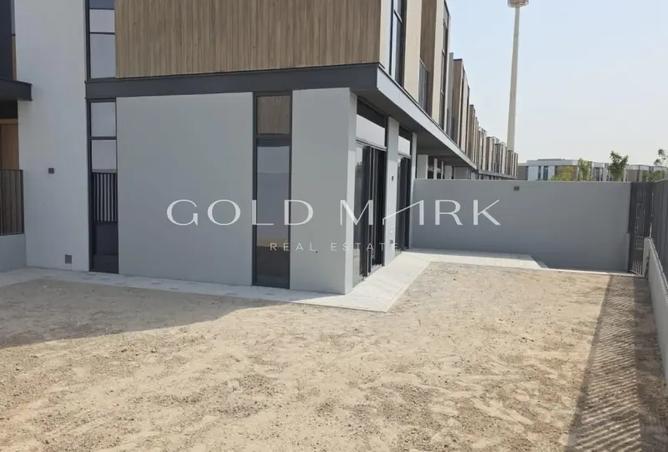
Townhouse
Listed 3 weeks ago
4,700,000 AED
Big Plot I Motivated Seller I Ready To Move In
Mudon Al ranim 4, Mudon, Dubai
4
4
3,096 sqft





Villas
Villas cater to families seeking privacy, outdoor space, and a sense of community living. Many villa communities include parks, schools, and retail facilities.
Explore Villas for Sale in Dubai
-
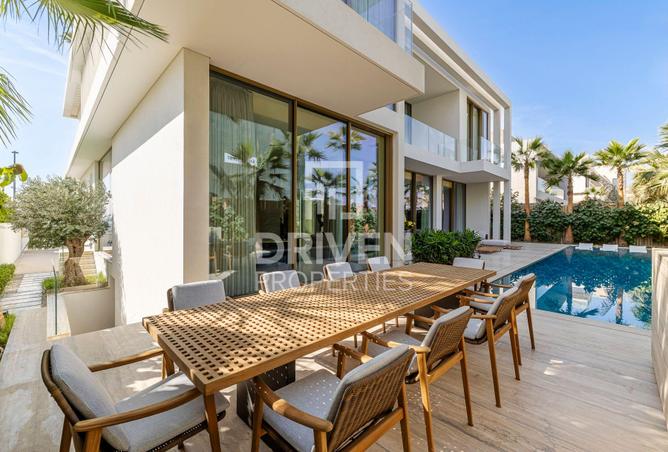
Villa
Listed 3 weeks ago
135,000,000 AED
Designer Coastal Villa | Modern and Brand New
La Mer South Island, La Mer, Jumeirah, Dubai
6
7
24,751 sqft
-
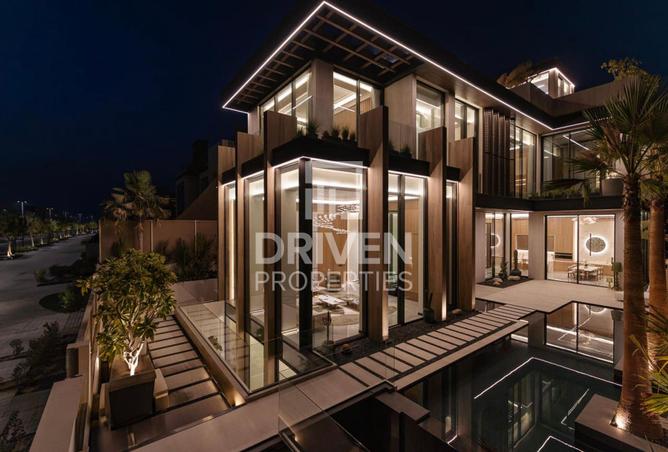
Villa
Listed 3 weeks ago
135,000,000 AED
Brand New | Luxury Villa | Sea View from Rooftop
La Mer South Island, La Mer, Jumeirah, Dubai
5
6
18,295 sqft
-
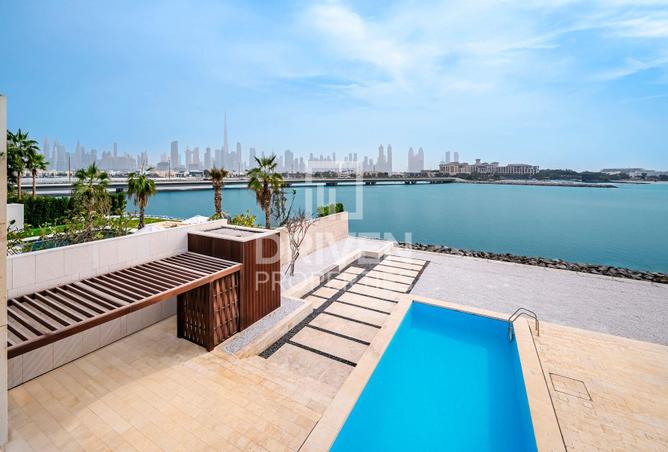
Villa
Listed 3 weeks ago
195,000,000 AED
Bulgari Front Row Mansion | Full Skyline Views
Jumeirah Bay Island Villas, Jumeirah Bay Island, Jumeirah, Dubai
5
7
7,353 sqft
-
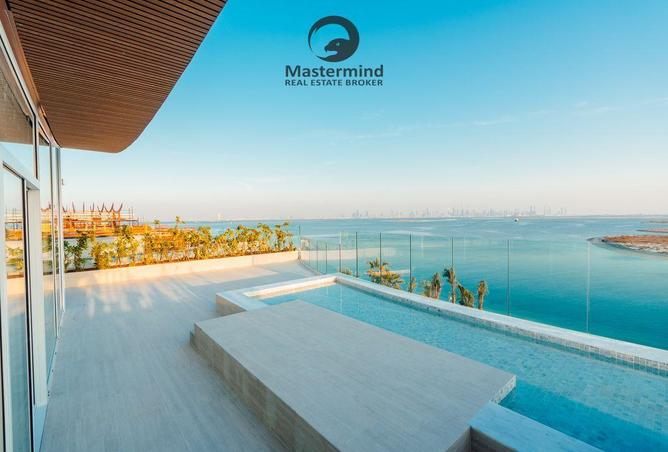
Villa
Listed 3 days ago
72,238,888 AED
2 Years Post Handover / No Commission fee
Zuha Island Villas, The World Islands, Dubai
6
7
28,400 sqft
-
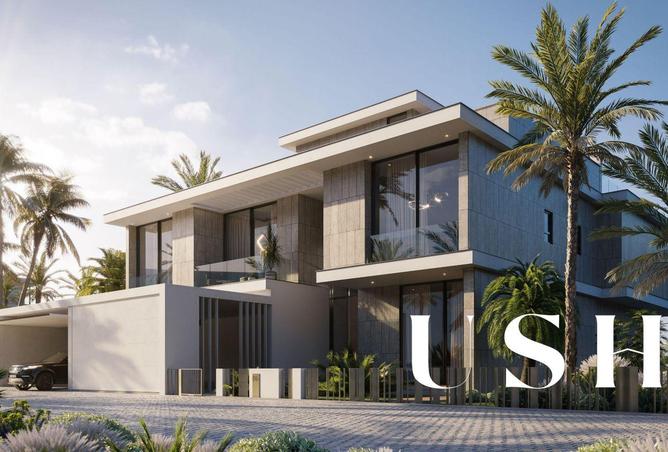
Villa
Listed 2 weeks ago
19,500,000 AED
Luxury 5 BR Villa | Exclusive | Genuine Resale
District One West Phase I, District One, Mohammed Bin Rashid City, Dubai
5
6
8,642 sqft
-
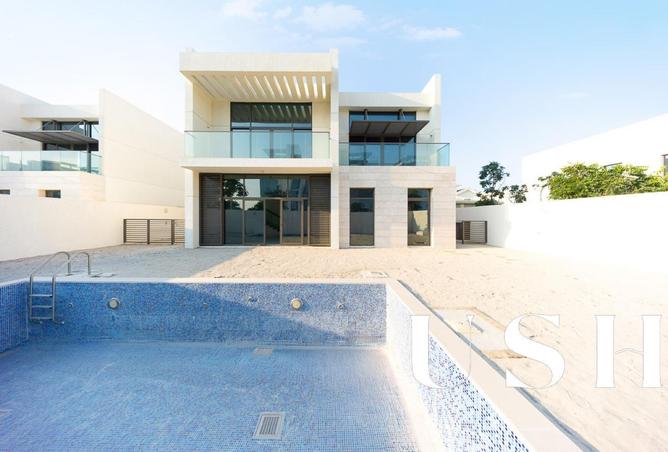
Villa
Listed 2 weeks ago
18,999,000 AED
Corner Plot | Genuine Resale | Ready Villa
District One Phase III, District One, Mohammed Bin Rashid City, Dubai
4
5
6,832 sqft
-
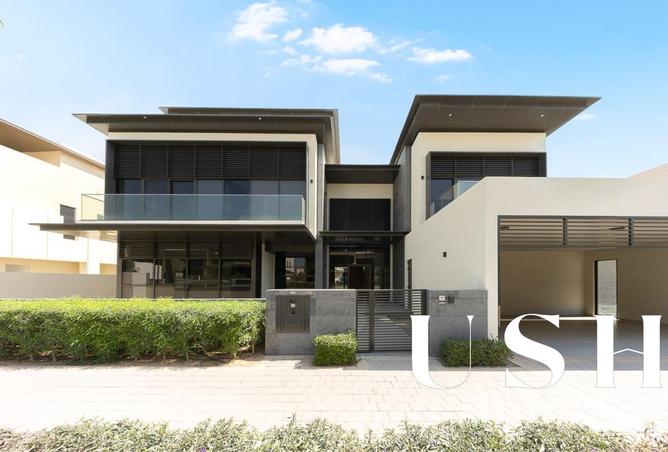
Villa
Listed 5 days ago
32,000,000 AED
Genuine Resale | Exclusive | Full Park view
Golf Place 2, Golf Place, Dubai Hills Estate, Dubai
6
6
11,579 sqft
-
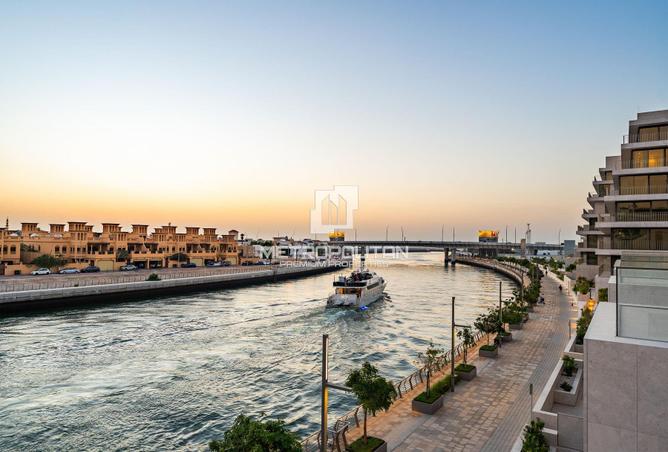
Villa
Listed 3 days ago
38,000,000 AED
Ready to Move in Villa on Canal
Eden House The Canal, Jumeirah 2, Jumeirah, Dubai
3
4
4,628 sqft
-
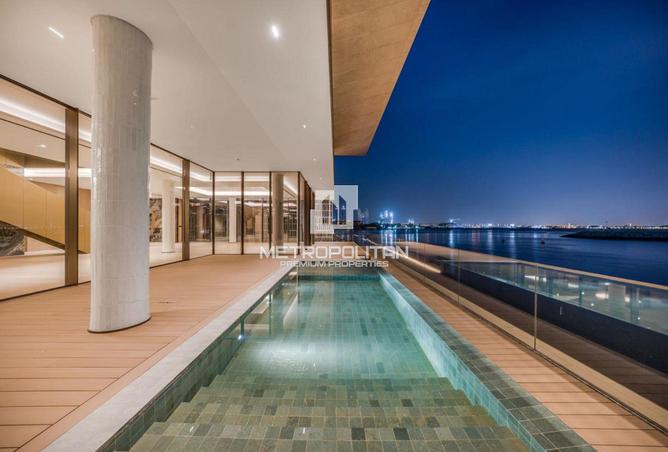
Villa
Listed 3 days ago
181,999,000 AED
Prestigious Bulgari Mansion at Billionaire Island
Bulgari Ocean Mansions, Jumeirah Bay Island, Jumeirah, Dubai
5
7
13,785 sqft
-
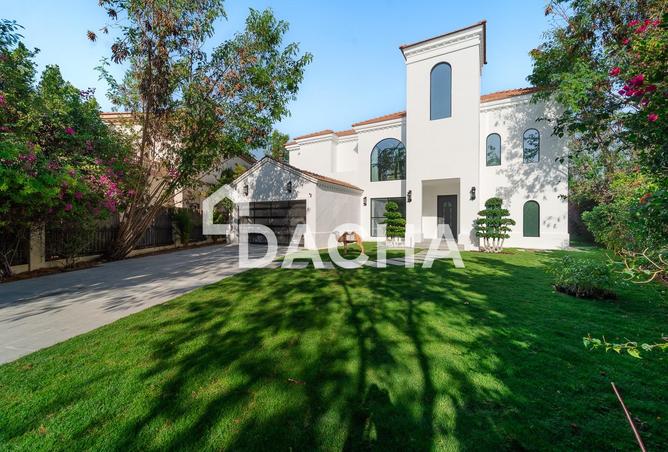
Villa
Listed 2 weeks ago
34,000,000 AED
Vacant | Turn Key | Full Lake View
Entertainment Foyer, Mediterranean Clusters, Jumeirah Islands, Dubai
4
5
10,777 sqft




Penthouses
Penthouses are ideal for luxury buyers seeking premium locations, panoramic views, and exclusive amenities.
Explore Penthouses For Sale in Dubai
-
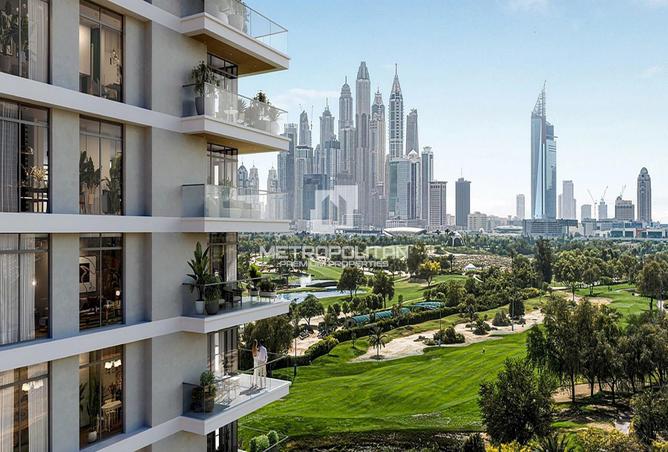
Penthouse
Listed 3 days ago
6,000,000 AED
3 BR | Corner Unit | Golf and Marina Skyline View
Golf Heights, The Views, Dubai
3
3
1,916 sqft
-
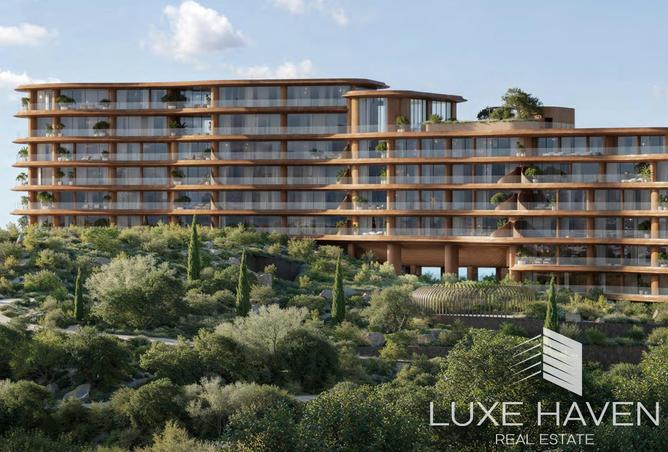
Penthouse
Listed 1 month ago
500,000,000 AED
Top-Tier Luxury |Massive 7 BR |Panoramic Ocean View
Jumeirah Asora Bay, Jumeirah, Dubai
7
7+
47,726 sqft
-
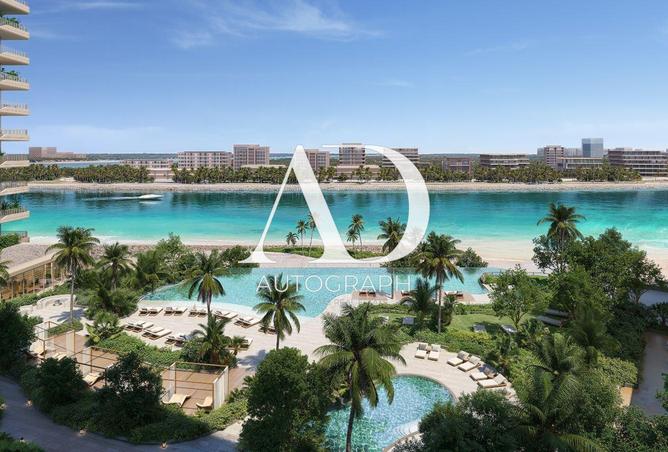
Penthouse
Listed 3 days ago
11,763,440 AED
Waterfront | OP + DLD | Premium Amenities
Baygrove Residence D, Baygrove Residences, Dubai Islands, Dubai
4
5
3,174 sqft
-
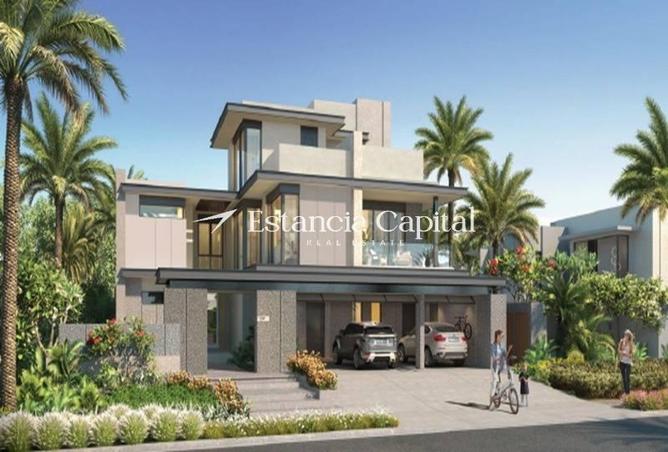
Penthouse
Listed 1 month ago
13,250,000 AED
SINGLE ROW | PENTHOUSE | HANDOVER SOON
Jebel Ali Village Villas, Jebel Ali Village, Jebel Ali, Dubai
5
6
6,780 sqft
-
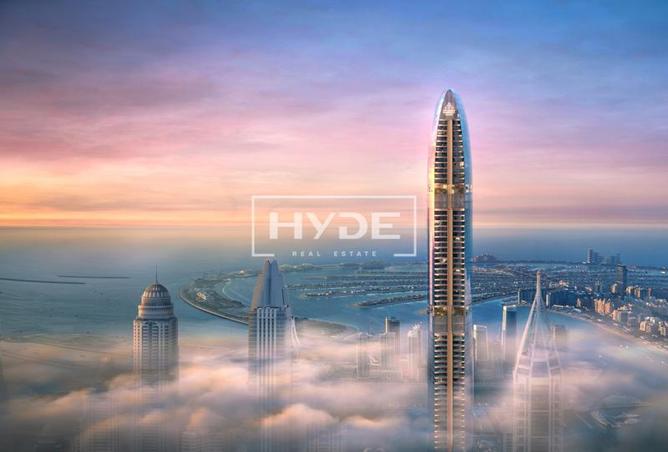
Penthouse
Listed 2 months ago
27,950,000 AED
Must Sell I 15% Below OP I Motivated Owner
Six Senses Residences, Dubai Marina, Dubai
4
5
5,712 sqft
-
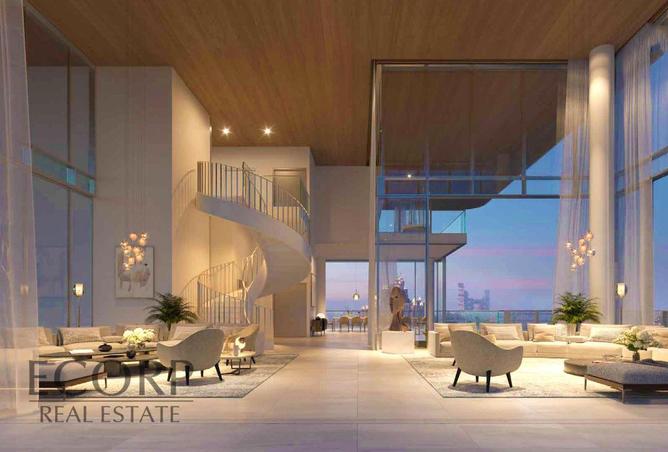
Penthouse
Listed 2 days ago
36,000,000 AED
High Floor Penthouse | Sunrise View | Half Floor
Serenia Living Tower 3, Serenia Living, Palm Jumeirah, Dubai
4
5
6,377 sqft
-
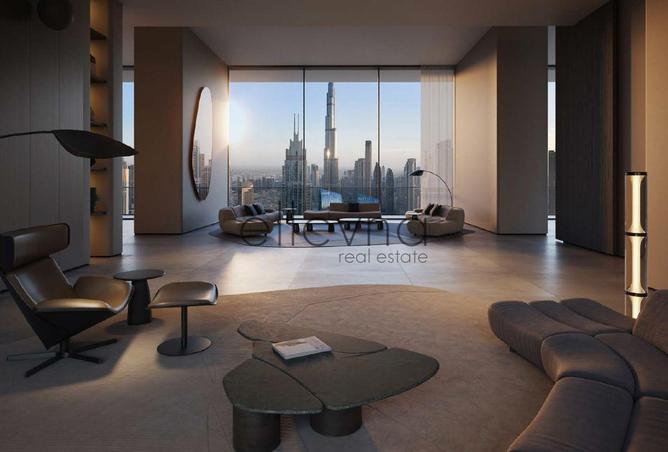
Penthouse
Listed 2 weeks ago
88,000,000 AED
Urban Wellness Retreat | Private Floor | Ultra Lux
Akala Hotels and Residences, DIFC, Dubai
6
7
14,628 sqft
-
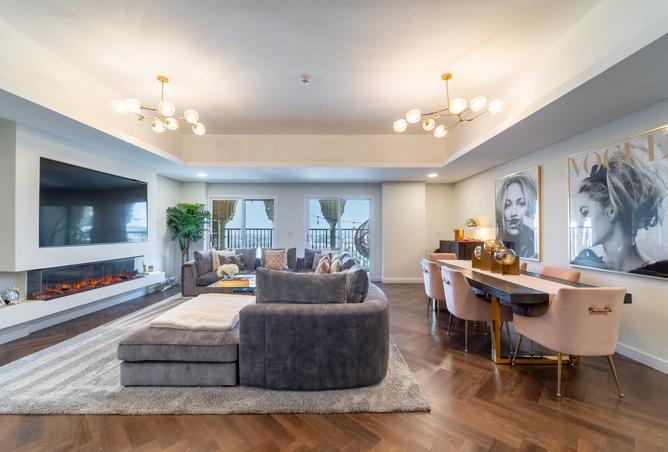
Penthouse
Listed 4 months ago
8,000,000 AED
Luxury Penthouse | Unfurnished | Golf Course View
Al Andalus Tower F, Al Andalus, Jumeirah Golf Estates, Dubai
4
5
3,308 sqft
-
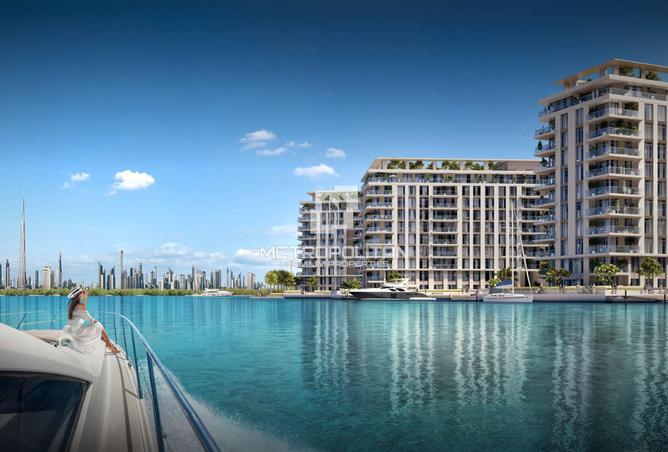
Penthouse
Listed 3 weeks ago
4,950,000 AED
Partial Sea View | Spacious Layout| Top Amenities
The Cove II Building 7, The Cove ll, Dubai Creek Harbour (The Lagoons), Dubai
3
3
1,827 sqft
-
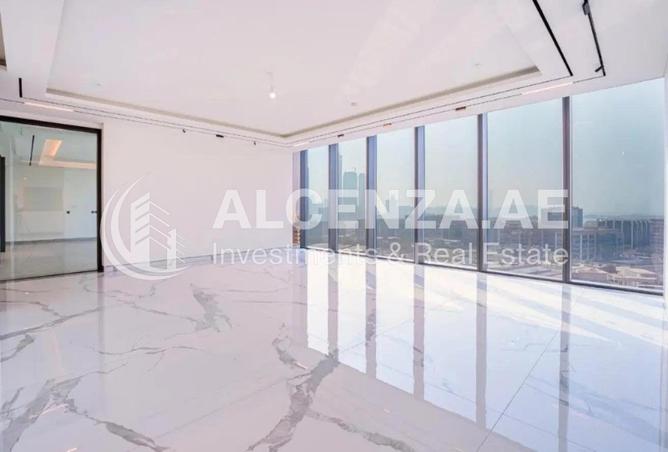
Penthouse
Listed 2 weeks ago
18,900,000 AED
Panoramic Sea View | Luxurious 4BR+Maids Penthouse
The S Tower, Dubai Internet City, Dubai
4
5
4,815 sqft









Off-plan properties
Off-plan developments allow buyers to purchase during construction, often with flexible payment plans and strong appreciation potential.
Step-by-step process for buying property in Dubai
Seven essential steps that every buyer must follow to understand how to buy property in Dubai and ensure a successful purchase. These steps apply to both residents and international purchasers.
Step 1: Choose your property and location
Begin by determining whether your goal is rental income, capital appreciation, or long-term ownership. Once your goal is clear, select the appropriate community and property type.
Preferred locations for apartments in 2026 include Dubai Creek Harbour Downtown Dubai, Dubai Marina, Jumeirah Village Circle, and Palm Jumeirah. For villas, popular options include Al Furjan, Damac Hills 2, Dubai Hills Estate, Palm Jumeirah, and Dubailand.
Foreigners may purchase freely in designated freehold zones, such as Downtown Dubai, Dubai Marina, Jumeirah Lakes Towers, Arabian Ranches, and Palm Jumeirah.
Step 2: Partner with a trusted real estate agency
Working with a RERA-registered agency ensures a smooth and compliant experience. A qualified agent provides market insights, negotiation support, and help with contracts and documentation.
When comparing agencies, prioritise:
- RERA-licensed brokers
- Experience with foreign buyers
- Market knowledge of your preferred locations
- Transparent communication and advice
Step 3: Shortlist and inspect properties
Inspection is essential, even though it is not legally required. A professional assessment can uncover structural issues, maintenance problems, or potential future costs.
For off-plan purchases, your agent should verify that the developer holds valid RERA approvals and construction permits.
Step 4: Sign the Memorandum of Understanding (MoU)
Once you agree on the purchase terms, the buyer and seller sign the MoU, which outlines the final price, responsibilities, and timeline.
At this stage, the buyer typically pays a 10 per cent deposit to secure the property. This amount is usually non-refundable unless the seller fails to meet the agreed terms.

Step 5: Secure financing (if needed)
Foreign buyers may obtain mortgages from UAE banks, with typical loan-to-value ratios ranging from 50–80 per cent. Approval depends on income documentation, financial history, and creditworthiness.
Step 6: Complete payment
For ready properties, the buyer completes the full payment before final transfer. For off-plan purchases, developers follow a milestone-based payment plan.
Step 7: Legal documentation and DLD registration
The final step is registering the property with the Dubai Land Department, a legal process that transfers ownership and issues the title deed.
Required documents include:
Buyer – Seller Contract
After choosing the property, it is time to move on to the next step. A contract needs to be signed to ensure the legalities of the purchase and list down all the necessary details.
Memorandum of Understanding (MoU)
The Memorandum of Understanding, a type of RERA Form, is the Purchase Agreement Contract. It legally binds the buyer and the seller with the terms of the contract. Ideally, a contract should contain the following:
- Name and UAE ID details of the buyer and seller.
- The purpose and intent of the contract should be clear.
- Each party should understand and agree to the terms of the contract.
- The MoU needs to be written in English or Arabic.
- Financial details, such as payment (cash, mortgage or instalments), amount of payment and date of receiving.
- All rights and responsibilities should be established.
- Signature of buyer, seller and witnesses (if any).
NOC Application
The NOC (No Objection Certificate) is a document commonly required in various administrative processes and transactions, particularly in the real estate sector. It takes consent of the developer or homeowners association (HoA), that they have no objections to a specific action or transaction being pursued by the seller or buyer.
Foreign ownership and visa benefits
Dubai allows full freehold ownership for foreign nationals in designated zones. Buyers can own apartments, villas, townhouses, and plots with no restrictions on nationality.
Golden Visa eligibility
One of the most attractive advantages of purchasing property in Dubai is the opportunity to qualify for the Golden Visa.
Buyers may apply if they:
- Invest a minimum of AED 2 million.
- Purchase fully paid, mortgage-free property.
- Choose a property located within freehold areas.
Investment strategies for different goals
Dubai offers multiple approaches depending on your objectives as an investor or buyer.
Long-term rental investment
For stable income, choose family-friendly areas such as Dubai Hills Estate, Creek Harbour, and Jumeirah Village Circle. These locations offer net yields between 6.5% and 9% annually and consistently attract demand.
Buy-to-live
If your priority is lifestyle, communities such as Arabian Ranches, Tilal Al Ghaf, City Walk, and Dubai Hills Estate offer schools, parks, and amenities that are well-suited for families.
Hybrid use
This model suits buyers who want flexibility. They may occupy the property for part of the year and rent it out when they are away. Areas like JLT, Business Bay, and Bluewaters support mixed usage thanks to strong rental markets and central locations.
Key costs and fees
When planning to buy property in Dubai, factor in both upfront and ongoing expenses.
Purchase costs
- 10 per cent down payment at MoU stage
- 4 per cent Dubai Land Department fee
- 2–2.5 per cent agency commission
- Mortgage processing fees (if applicable)
- Legal and administrative documentation fees
Ongoing costs
- Annual service charges for apartments
- Property maintenance
- Utility deposits
- Property management fees for rented units

Common pitfalls to avoid
Buying property in Dubai is a straightforward process; however, mistakes can still occur if buyers overlook essential checks or rush through key stages. Understanding the most frequent pitfalls can help you avoid unnecessary delays, legal issues, and financial setbacks.
- Regulatory mistakes: Ensure the property complies with zoning laws, verify all RERA approvals for off-plan developments, and never skip inspections to avoid costly surprises.
- Financial missteps: Understand all fees, mortgage terms, and payment schedules before committing, and research the developer’s track record for off-plan projects.
- Documentation errors: Double-check all contracts, confirm details match official RERA records, and keep copies of all documents for future reference.
Key takeaways
Dubai remains one of the strongest property markets in the region, driven by rising demand, stable yields, and a transparent regulatory environment. Buyers who understand how to buy property in Dubai can take advantage of consistent appreciation and high rental returns across both established and emerging communities.
Foreign buyers enjoy full ownership rights in freehold areas, while those investing a minimum of AED 2 million may qualify for the Golden Visa. With yields averaging 6.5–9 per cent, attractive financing options, and long-term market growth, Dubai provides a compelling environment for both lifestyle and investment purchases.
FAQs
Yes, foreign buyers can obtain mortgages covering 50–80 per cent of the property value.
The minimum requirement is AED 2 million. Buyers may invest in one property or multiple properties that reach this value.
Areas such as Jumeirah Village Circle, Business Bay, and Arabian Ranches currently provide yields between 7.5–9 per cent. Dubai Hills Estate and Creek Harbour follow closely due to strong demand from families.
The whole process typically takes four to eight weeks, including MoU signing, mortgage approval, NOC issuance, and final registration.
The deposit is usually non-refundable if the buyer withdraws. However, it may be refunded if the seller fails to meet their obligations. Always review the MoU terms carefully.