Listed 10 days ago
38,000 yearly
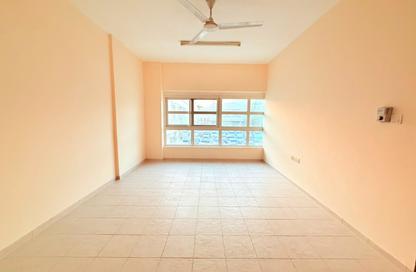
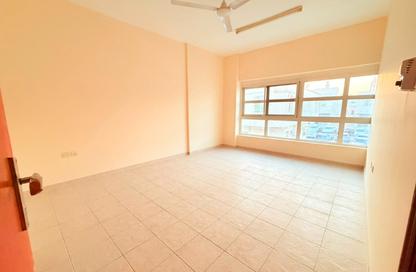
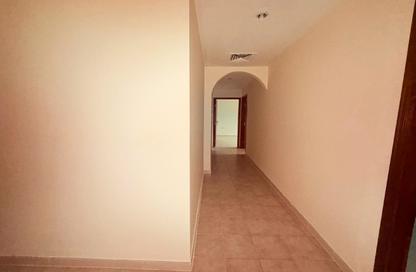
Luxury 2bhk in Manakh near Every day mall just 38k

2
2
Area: 1,300 ft²
Apartment
Al Manakh, Al Qasimia, Sharjah
SUPERAGENT
Listed 10 days ago
2
2
Area: 1,300 ft²
Apartment
Al Manakh, Al Qasimia, Sharjah

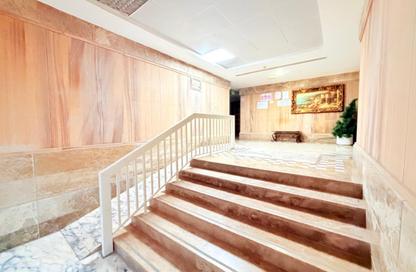
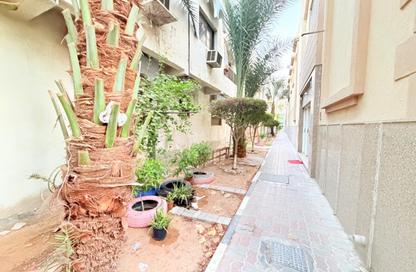
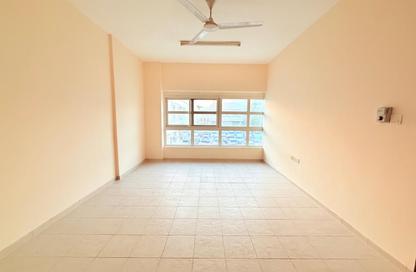
Listed 15 days ago
2
2
Area: 850 ft²
Apartment
Al Manakh, Al Qasimia, Sharjah

Get notified with new properties for Al Manakh

Al Manakh is a residential area located in Al Qasimia in central Sharjah, and the stock is almost entirely apartments, mostly 1 and 2 bedroom layouts stacked in mid-rise towers that share street frontage with older low-rise blocks. Ground floors carry the retail, Mega Mall anchors the northern edge, and King Faisal Street frames the western side.
For a renter of a flat for rent in Al Manakh, Sharjah, that means groceries, a pharmacy run, and a coffee stop rarely require the car. The tenant profile is a big part of why the area feels the way it does. Long-stay South Asian and Arab expatriate families dominate, alongside professionals commuting into Sharjah's government offices, local clinics, and Dubai's northern districts.
Tenants tend to renew rather than restart the search, which is why buildings feel settled rather than transient and why the reputation for steady rental ground has held for years.
Towers from the 1990s offer larger floor plates with basic finishes, useful if square footage matters more than a modern lobby. Newer blocks around Qasimia 10 and Qasimia 13 bring updated entryways, covered parking, and rooftop shared spaces.
Rents move with that spread, so budget renters and mid-tier renters both find options without having to leave the neighborhood. The wider Al Qasimia district is one of Sharjah's older planned residential zones, and it shows in the practical grain of daily life.
Internal roads are lined with grocery stores, pharmacies, bakeries, and small restaurants, and Al Mahatta Park is within walking reach for evenings out with kids. Renters who want a central Sharjah address with everyday shopping on the doorstep keep coming back to Al Manakh for that reason.
Rents in Al Manakh settle into a mid-thirties band that has held steady for years, which is the main reason salaried tenants keep the sub-community on their shortlist. The pricing lands below Al Yarmouk and slightly above the older stretch of Al Mahatta, a narrow gap that tends to matter more once chiller charges and parking bays enter the conversation.
The tenant base of a flat for rent in Al Manakh, Sharjah, leans heavily on families and long-stay residents. Many commute into Dubai along Al Ittihad Road, while others work closer to Rolla or the King Abdul Aziz Street corridor. Leases move through the municipality's tenancy attestation system on standard annual terms, and renewal is more common than a fresh search once a household has settled in.
Buildings are almost entirely mid-rise towers from the 1990s and 2000s. Layouts run to 1 and 2-bedroom configurations, with covered parking and lift access as standard and a shared gym in a handful of the newer blocks.
Floor plates for a one bedroom generally fall between 800 and 1,050 sq ft, noticeably roomier than what similar money buys in Al Nahda or Al Majaz. Sharjah's leasehold framework means the whole district functions as a rental market, with no freehold layer complicating the picture.
Tenants comparing towers within Al Qasimia will find the Al Manakh pocket priced a touch under its immediate neighbors while sitting inside the same school catchments and retail radius, which is usually where the decision lands.
Affordable towers for renting an apartment in Al Manakh
Popular towers for renting an apartment in Al Manakh
Al Wahda Street (S102) and King Faisal Street handle the bulk of movement through Al Manakh. Getting onto Al Ittihad Street (E11) takes under 5 minutes, and the Al Nahda border with Dubai is roughly 15 minutes out, which shapes how residents plan a Dubai commute versus a school run inside Sharjah.
Sheikh Mohammed Bin Zayed Road (E311) puts Sharjah International Airport 12 to 15 minutes east, a useful margin for early flights. Dubai International Airport works out to 20 to 25 minutes via Al Ittihad Street when traffic is light, though the same trip can double between 7 AM and 9 AM, so most families heading out for a flight leave well before rush hour.
With no metro in Sharjah, life here runs on buses, taxis, and a household car. Route 14 threads along King Faisal Street to Jubail Bus Station, which is the interchange that matters: E307 and E306 services from there reach Dubai's Union and Al Ghubaiba stations, and it becomes the default for tenants who prefer not to drive into Deira.
Routes 5 and 9 handle the shorter hops to Rolla and Al Nahda. Careem and street taxis fill the gaps, but anyone commuting daily to Dubai tends to keep a private car, since bus connections lose their appeal on late nights or when carrying shopping home.
Sharjah landlords keep their document checklist brief but non-negotiable: a passport copy, a valid UAE residence visa, an Emirates ID, and either a recent salary certificate or three months of bank statements. Once you sign, the contract passes through Sharjah Municipality tenancy attestation. Neither party can get SEWA to activate anything until that stamp is in place.