



Home rental in Dubai is the most common residency option; consequently, if you’re planning to rent a unit in this awesome emirate, the first thing after finding a suitable property is to prepare the needed documents and understand the registration process to ensure a smooth and legally compliant rental experience.
In this guide, know everything about:
- Understanding Dubai’s rental framework
- Documents required for individual tenants
- The tenancy contract: Terms and legal framework
- What are the points to consider before submitting the cheques?
- Documents required for landlords
- Property compliance documentation
- Corporate and company rentals
- Additional utilities and services setup
- Step-by-step rental process timeline
- Important considerations and best practices
- Key takeaways
- FAQs
Understanding Dubai’s rental framework

Dubai’s rental market operates under regulations set by the Dubai Land Department (DLD) and the Real Estate Regulatory Agency (RERA). These rules ensure rental transactions are transparent, legally compliant, and designed to protect both tenants and landlords. All tenancy contracts in Dubai must follow government-approved formats, be formally registered, and include verified documentation from both parties.
The role of Ejari registration
Ejari is a mandatory online system created by RERA that converts private tenancy contracts into legally binding government records. Registering the tenancy agreement with Ejari:
- Protects both the tenant and the landlord
- Ensures the contract follows the unified government format
- It is required for activating essential services such as DEWA, Internet, and residency renewals
While landlords are technically responsible for Ejari registration, tenants or real estate agents typically complete the process and pay applicable fees.
Whether you’re looking for a one-bedroom apartment for rent in Dubai or any other property type, this process ensures everything is handled smoothly, even when the owner is abroad.
Legal requirements
Dubai’s rental market operates under strict regulatory guidelines established by the Dubai Land Department (DLD) and RERA. All rental contracts must be registered with the DLD through the Ejari system, and both parties must comply with specific documentation requirements. These regulations apply equally to furnished and unfurnished rentals, although security deposit percentages differ based on property type.
Documents required for individual tenants

There are a number of essential documents you need to prepare when deciding to rent a property in Dubai, whether it’s an apartment, villa in Dubai, or any other unit type.
Essential identity documents
These form the foundation of your tenancy contract:
- Passport copy (clear copy for all occupants)
- UAE residency visa copy (a valid visa is required to rent long-term)
- Emirates ID copy (mandatory for UAE residents)
- Contact details (current mobile number and email)
These documents must be valid and legible, as RERA requires updated identification to authenticate rental agreements.
Financial documentation
Landlords commonly verify your financial stability before approving a rental.
Proof of income
You may be asked to provide one or more of the following:
- Recent payslips
- Employment letter or contract
- Bank statements showing salary deposits
- Salary certificate
This helps landlords assess affordability and confirm your employment status.
Security deposit and fees
Security deposit requirements differ by property type:
- Unfurnished units: 5% of annual rent
- Furnished units: 10% of annual rent
This is paid via cheque to the landlord and is refundable at the end of the lease (subject to condition). Tenants also pay an agency fee, typically 5% of annual rent.
Payment documentation: Post-dated cheques (PDCs)
Dubai’s rental market operates on cheque payments. Tenants must provide PDCs that cover the rental period. Common arrangements:
- 1-2 cheques for premium or high-demand areas (such as in Downtown Dubai, landlords can insist on one or two cheques.)
- 4-12 cheques in most standard rentals
The number of cheques may affect rent negotiations; fewer cheques often qualify for lower rent.
Employment-related documents (if applicable)
Some rentals require employment-related paperwork, especially when accommodation is linked to your work or housing allowance.
No Objection Certificate (NOC)
An NOC may be required if:
- Your company provides a housing allowance
- Your employer signs the tenancy contract
- The rental is part of an employee accommodation arrangement
Optional documentation
Some landlords request:
- Previous landlord reference
- Employer references
- Proof of previous address
These help landlords vet tenants with higher diligence.
The tenancy contract: Terms and legal framework

A tenancy contract is a binding agreement outlining all terms between the landlord and tenant.
Understanding the tenancy agreement
The tenancy agreement follows a standard RERA-approved structure that ensures all rental terms are clearly documented. It sets the legal framework for how rent is paid, how responsibilities are shared, and how any disputes or renewals will be handled throughout the lease period.
Contract accessibility and format
Both landlords and tenants can download the official tenancy contract template from the Dubai Land Department (DLD) website or the Dubai REST app. The standard RERA-approved form is available in English and Arabic to ensure clarity for all parties involved.
Information recorded in the contract
Dubai’s regulations require that every tenancy contract include the following essential details:
- Use the government-approved template (available on DLD’s website or Dubai REST app)
- Include required details such as:
- Landlord name and details
- Tenant name and details
- Property information (unit number, building name, size)
- Exact rental value
- Contract duration
- Maintenance responsibilities
- Payment terms
- Security deposit
- DEWA premise number
- Cooling fees and service charges
- Terms, conditions, and eviction rules
Upon signing, tenants hand over:
- Agency fee receipt (typically 5% of the rental amount)
- Security deposit cheque
- Post-dated rental cheques
An important note: Don’t forget to take the receipt of the amount you paid to the agency in addition to the rental cheques.
What are the points to consider before submitting the cheques?

- Ask your landlord for a copy of their passport and Title Deed before handing over the cheques.
- Always write your cheques to the landlord, per the Title Deed
- Request the property management agreement in place between the landlord and the agency (if applicable)
- Review the trade licence of the real estate or property management company to ensure they are licensed for “Leasing and Management of Other People’s Property.”
- You should not make cheques payable to a company that is licensed for “Supervision Services,” as they are not permitted to accept payments on behalf of owners.
- Verify the real estate agent’s registration number and licence on the Dubai Land Department’s website
Documents required for landlords
Landlords are required to submit documents proving ownership and authority.
Ownership verification
Landlords must provide:
- Title deed (proof of ownership)
- Passport copy
- Emirates ID copy
If the landlord appoints an agent or representative, a Power of Attorney must also be provided. Whether you’re planning to rent apartment in Dubai or a villa, the above documents apply to all unit types.
Explore the Available Villas for Rent in Dubai
-

Villa
Listed 1 week ago
225,000 AED/year
Luxury 3BR | Prime Green Community | ready to move
Garden View Villas, Jebel Ali Village, Jebel Ali, Dubai
3
3
5,885 sqft
-


Villa
Listed 1 month ago
220,000 AED/year
Vastu Compliant 5BR | Fully Landscaped | Brand New
Costa Brava 1, Costa Brava, Damac Lagoons, Dubai
5
5
3,213 sqft
-


Villa
Listed 2 weeks ago
189,999 AED/year
3BR Townhouse | Community View | Unfurnished
Rochester, The Park Villas, Damac Hills, Dubai
3
4
2,723 sqft
-


Villa
Listed 3 days ago
750,000 AED/year
Vastu | Upgraded | Private | Family Home
Entertainment Foyer, Mediterranean Clusters, Jumeirah Islands, Dubai
4
5
11,048 sqft
-
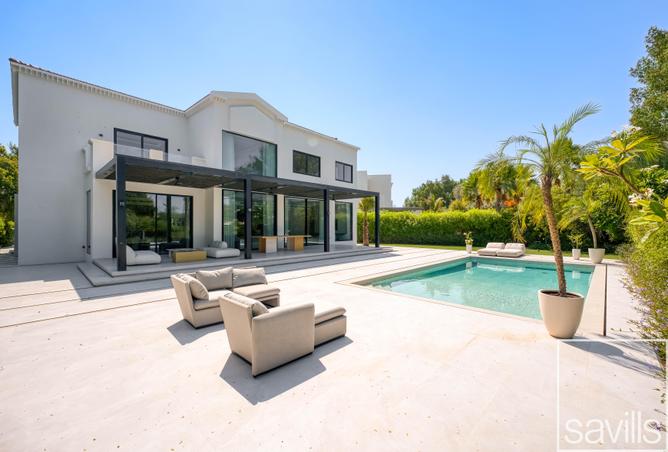
Villa
Listed 4 days ago
3,500,000 AED/year
Large Plot | Luxury Villa | Smart Home
Entertainment Foyer, Mediterranean Clusters, Jumeirah Islands, Dubai
5
6
11,045 sqft
-

Villa
Listed 5 days ago
1,700,000 AED/year
Luxury Villa | Smart Home | Furnished
Entertainment Foyer, Mediterranean Clusters, Jumeirah Islands, Dubai
4
5
11,046 sqft
-


Villa
Listed 5 days ago
650,000 AED/year
Luxurious Villa | Outside Kitchen | Garden Area
Nad Al Sheba Villas, Nad Al Sheba 3, Nad Al Sheba, Dubai
5
7
10,790 sqft
-

Villa
Listed 2 weeks ago
2,000,000 AED/year
Unfurnished | Smart Home | Lift | Lake View
Entertainment Foyer, Mediterranean Clusters, Jumeirah Islands, Dubai
6
7
8,794 sqft
-
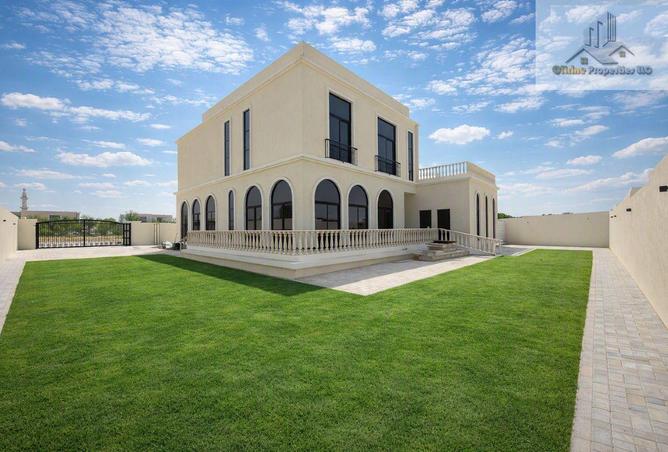
Villa
Listed 7 days ago
575,000 AED/year
Brand New | Garden Area | Covered Car Parking
Nad Al Sheba Gardens 1, Nad Al Sheba Gardens, Nad Al Sheba 1, Nad Al Sheba, Dubai
5
7
13,042 sqft
-
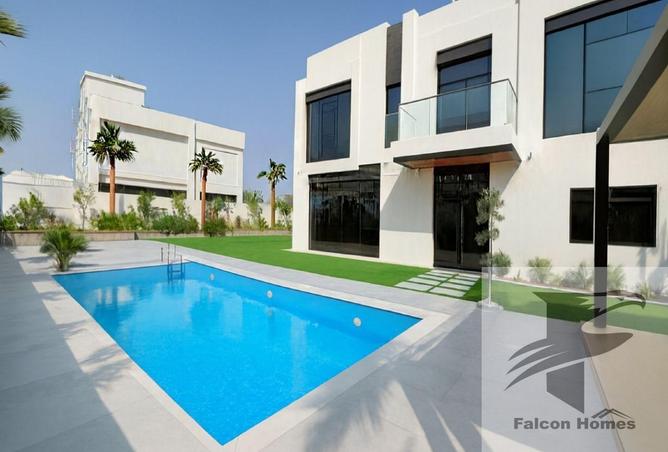

Villa
Listed 3 days ago
699,999 AED/year
Brand New | 5BR Elegant Villa with Pool and Garden
Nad Al Sheba Villas, Nad Al Sheba 3, Nad Al Sheba, Dubai
5
6
12,002 sqft
Property compliance documentation
These documents confirm that the property meets Dubai’s legal and structural requirements.
Building licence and use verification
Landlords must ensure the unit has no unapproved modifications and is licensed for its correct use (residential or commercial).
Valid trade licence
If the landlord is a company, a valid trade licence is required to prove leasing authority.
Ejari registration certificate
Once the contract is signed, the landlord or agent must register it on Ejari and obtain the Ejari certificate, which serves as the legal foundation of the tenancy. The Ejari certificate serves as official proof and a legally binding document of the tenancy rights, providing legal protection for both parties.
Corporate and company rentals

When companies rent property for employees, the following are required:
- Valid trade license
- A passport copy of the General Manager signing the agreement
- Passport of the actual occupant
- Corporate authorisation documents (if a representative signs)
Additional utilities and services setup
After registering the tenancy, tenants must complete a few setup steps to activate essential services.
DEWA registration
You can get DEWA services in Dubai without any hassle, as they send you an SMS and email after registering for Ejari. This is owed to the integration between Ejari and DEWA.
After receiving this information, you should follow the following steps to start enjoying this service:
- Download DEWA’s app and then follow the instructions regarding requesting the operation of DEWA’s service
- Enter Ejari’s contract number, then upload a copy of your Emirates ID and passport
- Pay the security fee, which is refundable
- Finally, pay the operation fee for DEWA (non-refundable)
Afterwards, the service will be in effect. Also, DEWA is the only official entity that offers water and electricity services in Dubai to ensure the residents have a unified system.
Moreover, the previous tenant might not have paid their bills; in this case, the service won’t operate unless you pay the dues. Consequently, before signing the contract, you should align with the landlord to make sure that all the bills are paid.
Cooling provider registration
Some communities use district cooling (Empower, Tabreed, Emicool). Tenants may need:
- Ejari certificate
- Emirates ID copy
- Deposit payment
Access and movement documentation
For gated communities or towers:
- Move-in permit
- Access card application
- Service elevator booking
- Refundable damage deposit
Tenants should consult the building management before scheduling movers.
Step-by-step rental process timeline
The rental journey in Dubai follows a clear sequence from documentation to move-in.
Phase 1: Document preparation
Prepare all identity, financial, and employment documents. Keep scanned copies ready.
Phase 2: Application and verification
Landlords or agents verify:
- Identity
- Financial stability
- Employment
- References (if requested)
Phase 3: Offer and acceptance
Both parties agree on:
- Rent amount
- Cheque frequency
- Move-in date
- Any special conditions
A Memorandum of Understanding (MOU) may be signed.
Phase 4: Tenancy contract signing
The official contract (DLD-approved format) is signed.
Phase 5: Ejari registration and move-in
Ejari is completed → utility registration → move-in permits → handover.
Explore the Available Properties for Rent in Dubai
-


Apartment
Listed 1 week ago
190,000 AED/year
2 CHEQUES POSSIBLE | EXCLUSIVE | FULL PALM VIEWS
Beach Vista Tower 2, Beach Vista, Emaar Beachfront, Dubai Harbour, Dubai
2
2
1,138 sqft
-
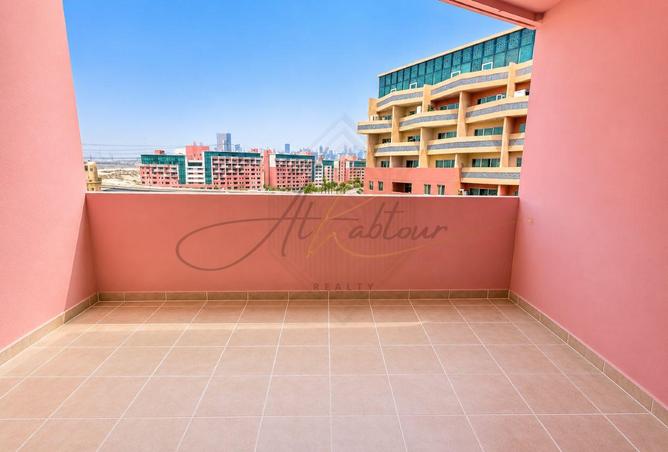
Apartment
Listed 1 week ago
48,000 AED/year
Spacious Studio | Balcony | Neat to Metro
The Gardens Building 1, The Gardens Buildings, The Gardens, Dubai
studio
1
460 sqft
-
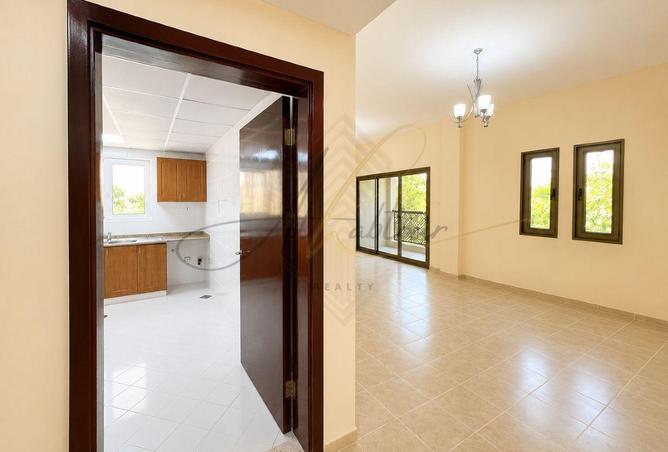
Apartment
Listed 1 week ago
85,000 AED/year
Next to Metro | Green Community | Pet Friendly
The Gardens Building 124, The Gardens Buildings, The Gardens, Dubai
2
2
1,012 sqft
-
Villa
Listed 3 days ago
750,000 AED/year
Vastu | Upgraded | Private | Family Home
Entertainment Foyer, Mediterranean Clusters, Jumeirah Islands, Dubai
4
5
11,048 sqft
-
Villa
Listed 4 days ago
3,500,000 AED/year
Large Plot | Luxury Villa | Smart Home
Entertainment Foyer, Mediterranean Clusters, Jumeirah Islands, Dubai
5
6
11,045 sqft
-
Villa
Listed 5 days ago
1,700,000 AED/year
Luxury Villa | Smart Home | Furnished
Entertainment Foyer, Mediterranean Clusters, Jumeirah Islands, Dubai
4
5
11,046 sqft
-
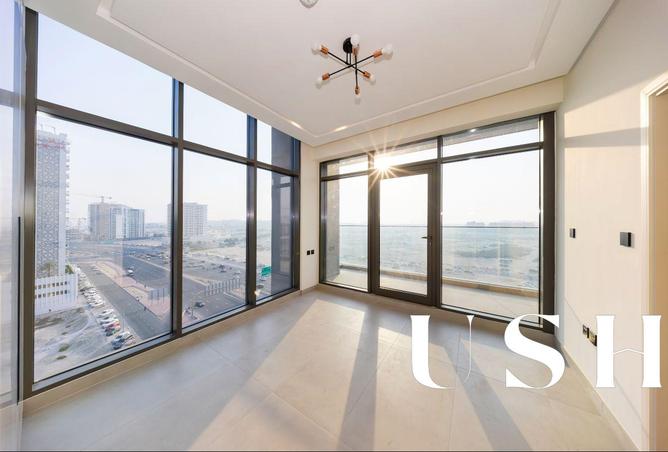

Apartment
Listed 2 days ago
74,999 AED/year
Elegant Residence | Premium Finishes | PG One
PG One, Al Furjan, Dubai
1
2
829 sqft
-


Apartment
Listed 20 hours ago
91,000 AED/year
Terraced 1BR | Four Cheques | Full Best facilities
Al Badia Living Building E, Al Badia Living, Dubai Festival City, Dubai
1
1
818 sqft
-
Villa
Listed 5 days ago
650,000 AED/year
Luxurious Villa | Outside Kitchen | Garden Area
Nad Al Sheba Villas, Nad Al Sheba 3, Nad Al Sheba, Dubai
5
7
10,790 sqft
-
Villa
Listed 2 weeks ago
2,000,000 AED/year
Unfurnished | Smart Home | Lift | Lake View
Entertainment Foyer, Mediterranean Clusters, Jumeirah Islands, Dubai
6
7
8,794 sqft
Important considerations and best practices

- Always work with RERA-registered agents
- Verify the landlord’s identity using the title deed
- Ensure all cheques are payable to the landlord (not an unlicensed entity)
- Review renewal terms and early termination clauses
- Confirm all service charges and outstanding DEWA bills before signing
- Double-check expiry dates on passports, visas, and Emirates ID
- A valid UAE residence visa is generally required to rent long-term. Exceptions may apply for:
- Holiday homes
- Hotel apartments
- Short-term tourist rentals
Key takeaways
Renting a home in Dubai requires preparing essential identification documents, proof of income, security deposits, and post-dated cheques. Ejari registration remains central to formalising the tenancy and enabling utilities activation. Landlords must provide ownership and compliance documents, while corporate rentals follow additional licensing and authorisation requirements. With a structured rental process and clear regulations, both tenants and landlords can navigate the leasing journey confidently and securely.
FAQs
Passport, UAE residence visa, Emirates ID, proof of income, security deposit cheque, post-dated cheques, and a completed tenancy contract.
No, except for holiday homes or hotel apartments.
It legally registers the tenancy, protects both parties, and is required for DEWA and visa processes.
Typically, 4-12, but premium areas may require 1-2 cheques.
Title deed, Emirates ID, passport copy, and any authorisation documents.