Listed 11 days ago
80,000 yearly
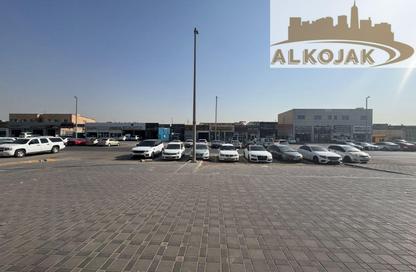
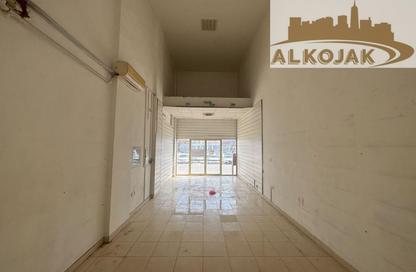
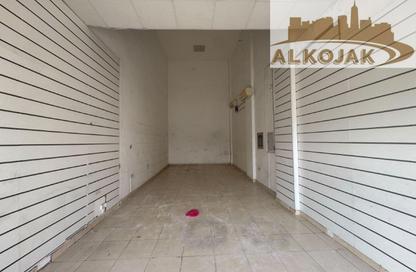
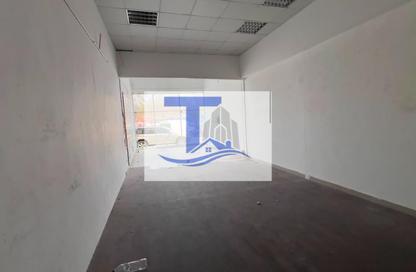
Commercial Shop for Rent Musaffah M7, Abu Dhabi

Area: 455 ft²
Shop
Mussafah Industrial Area, Mussafah, Abu Dhabi
Listed 11 days ago
Area: 455 ft²
Shop
Mussafah Industrial Area, Mussafah, Abu Dhabi

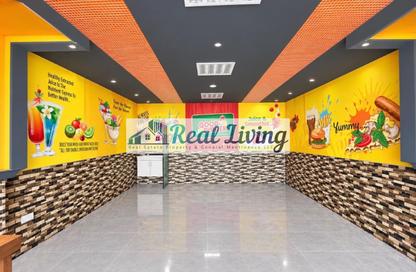
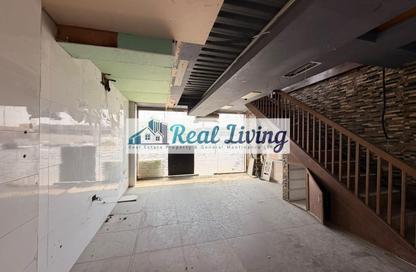
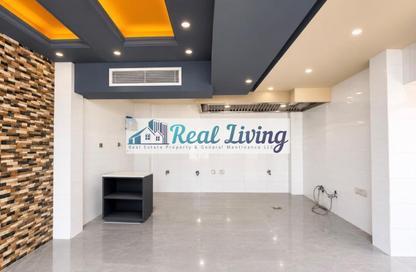
Listed 13 days ago

Area: 485 ft²
Shop
Mussafah Industrial Area, Mussafah, Abu Dhabi


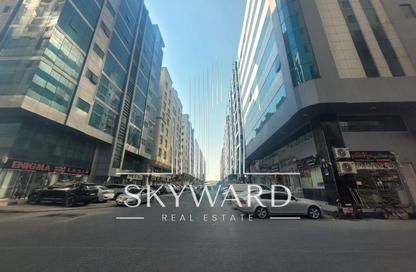
Listed 14 days ago
Area: 387 ft²
Shop
Shabiya 12, Shabiya, Mussafah, Abu Dhabi

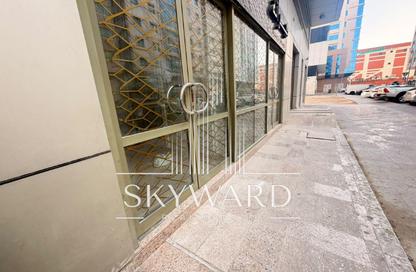
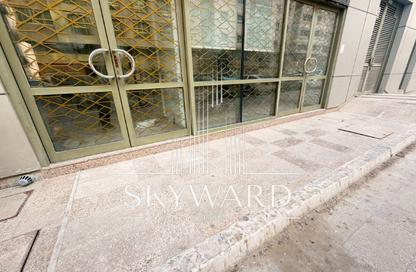
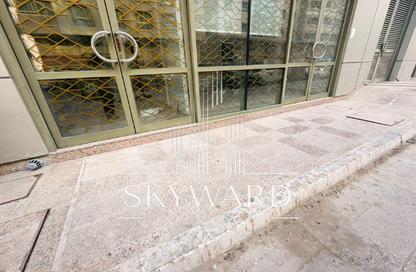
Listed 18 days ago
Area: 516 ft²
Shop
Shabiya, Mussafah, Abu Dhabi
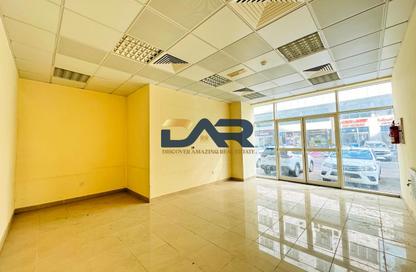
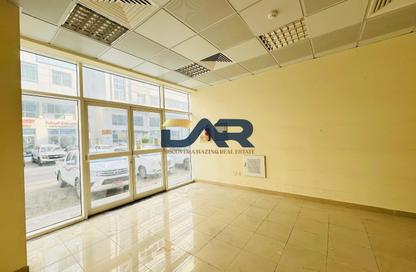
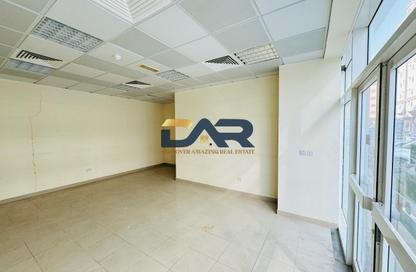
Listed 22 days ago
Area: 520 ft²
Shop
Shabiya 10, Shabiya, Mussafah, Abu Dhabi



Listed 2 months ago

1
Area: 9,000 ft²
Shop
Mussafah Industrial Area, Mussafah, Abu Dhabi



Listed 2 months ago

1
Area: 700 ft²
Shop
Mussafah, Abu Dhabi

Get notified with new properties for Mussafah

Vibrant and desirable area
Hunting for a shop for rent in Mussafah usually starts on the service roads. Ground floor units line these strips, sitting inside a district that blends the Mussafah Industrial Area, Industrial City Abu Dhabi (ICAD), and the Shabiya residential clusters.
The area holds one of the emirate's largest concentrations of workshops, showrooms, and warehouses. Shops here trade off that daily working population. Retail tenants tend to be small and medium businesses. Think grocery stores, cafeterias, mobile phone outlets, tailors, salons, laundries, auto spare parts dealers, and hardware suppliers. Units sit either in standalone commercial buildings along Shabiya's numbered sectors, or on the ground floors of mixed use blocks facing the industrial plots. A main road frontage almost always pulls stronger interest than an interior street unit, and the rent gap reflects that. Footfall runs in two streams. Shabiya, Mussafah Gardens, and Cubes Park bring a resident base of professionals and families shopping close to home. ICAD and the industrial zones bring a large weekday workforce chasing meals, services, and quick errands. That dual demand keeps turnover steady for shops selling everyday needs. The tenant mix skews multicultural, matching the workforce profile of the wider district. Anyone comparing a store for rent in Mussafah against other options will find operators typically want a straightforward, budget conscious base with room to load stock and park customer vehicles nearby, not a boutique high street setting.
Retail tenants renting a shop for rent in Mussafah draw from three distinct catchments: the Industrial Area workshops, the ICAD workforce, and the Shabiya apartment blocks. That mix shapes what actually sells. Cafeterias, groceries, mobile shops, tailors, and workshop-facing trade counters take most of the leases, with chains and independents sharing the same commercial strips. Stock is almost entirely ground-floor units in mid-rise buildings, sized for standalone trade rather than mall formats. Frontage matters more than square footage. A unit facing the arterial roads that feed E30 rents at a clear premium, while quieter interior streets inside Shabiya cost noticeably less for shops serving the immediate blocks. Demand runs on two clocks. Weekday lunch and afternoon trade comes from industrial employees, and evenings bring the resident crowd out. Passing traffic from Mohamed Bin Zayed City, ten minutes away, adds a third layer that favours food service, telecoms, laundry, and auto-related retail. Between them, these categories fill most active leases.
Commercial licensing sits with the Abu Dhabi Department of Economic Development, and expatriate operators lease rather than own. That structure, paired with rents that trail central Abu Dhabi, is what keeps a store for rent in Mussafah attractive to new entrants and to chains piloting a format before moving closer to the island.
Mussafah Gardens and the strips along Sheikh Khalifa Bin Zayed Street draw the widest tenant mix. Shops of 300 to 700 sq ft go for about 45,000 to 80,000 AED per year. Corner units near BIGmart Hypermarket and Safeer Center tend to fill first. Pharmacies, mobile shops, restaurants, and salons work well here, since the customer base splits between residents and passing industrial traffic.
• LLH Hospital Musaffah
• NMC Medical Centre
• Saba Medical Centre
• Aster Clinic Primary Care
• Dalma Mall
• ICAD Mall
• Safeer Center
• BIGmart Hypermarket
• Al Madina Hypermarket
• Pak Bangla Cafe & Restaurant
• King Chef Cafeteria
• Zaharaa Public Kitchen
• Dhabi Al Saudih Restaurant & Cafe
• Pulse Lounge Cafe
• Al Quwwa Gym
• Olympia Fitness Center
• Eight Pack Fitness World
• Unique Body Fitness
Mussafah's eastern edge sits directly on the E30, so trucks and delivery vans reach shopfronts without doubling back. Mohammed Bin Zayed City is roughly 10 minutes out. Khalifa City takes about 15 minutes. Sheikh Maktoum Bin Rashid Road (E11) carries traffic into central Abu Dhabi in under 25 minutes, and the airport run clocks in at 28 minutes on a clear afternoon. Bus coverage runs through Mussafah Bus Stop, Mussafah Port Bus Stop, and the 115 route stop. That matters for staff commuting in from Shabiya and for customers arriving after shift end. Distances between commercial strips stretch further than they look on a map, which is why most trade still arrives by car. Taxis and ride-hailing cover the short hops inside ICAD and around the residential blocks.