Vibrant and desirable area
Peaceful place for family with all necessary nearby. Free parking. Schools are nearby
It was very awsome and fantastic job done. Well managed and superb. Thanks for your kindness and support
Good place to live, school, hospital, malls, groceries shop are very nearby
Its very good place to live. Schools, malls, hospitals, hotels, restaurants & groceries store are very close.Most over less traffic and free packing
I live in MBZC shabia . Its a nice place to live in such a place because its quit and there is parking. All the services are available.

Shabiya 11 is one of the numbered sub-communities inside Mussafah Shabiya, the residential pocket across the bridge from Abu Dhabi's main island and alongside the Mussafah industrial zone. It has a grid of low-rise apartment buildings on named internal streets, with ground-floor shops and villas mixed between the taller blocks.
Day-to-day life here plays out on the service roads rather than at any single center. Grocery stores, bakeries, laundries, and small restaurants line the ground floors, so residents can walk to most daily errands from their front doors. This makes apartments in Shabiya practical for everyday living.
The wider Shabiya cluster, including neighboring Shabiya 9, shares the same mosques, parks, and clinics, while Mussafah's showrooms, workshops, and offices are a short drive away. Residents can also find homes in Shabiya close to these work and service areas.
It suits tenants who want straightforward Abu Dhabi apartment living on a working budget, especially those commuting into Mussafah or ICAD. The main trade-off is density. It is a utilitarian neighborhood rather than a landscaped master community, so expect pressure on street parking and limited green space between buildings. This can matter when comparing houses for rent in Abu Dhabi.
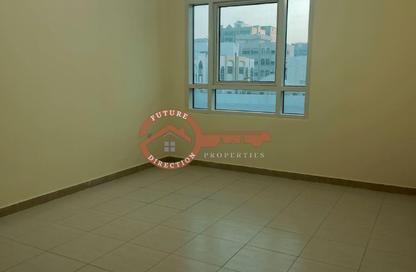
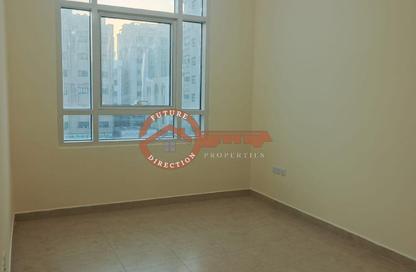
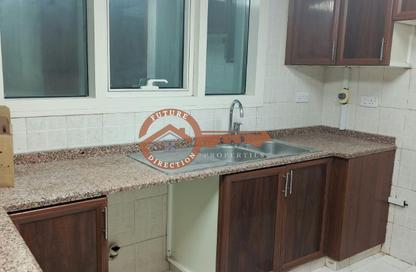
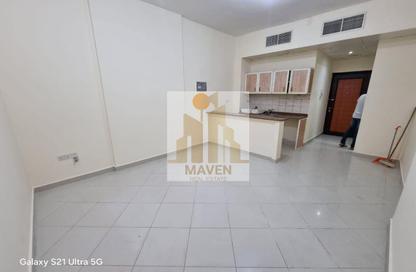
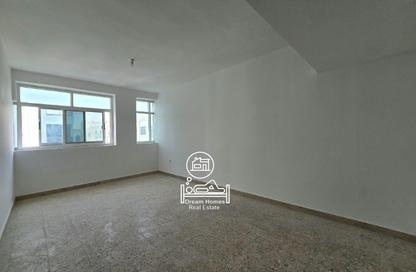
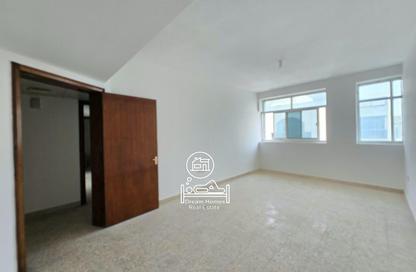
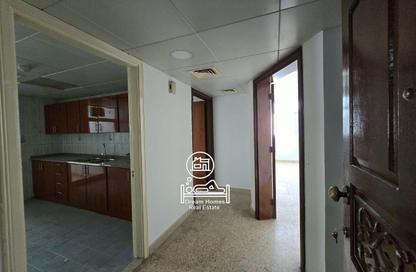
The rental stock in Shabiya 11 is inside the low-rise residential blocks that make up this pocket of Mussafah. Apartments for rent in Shabiya 11 lean toward family-sized layouts, with two and three bedroom units forming most of what reaches the market.
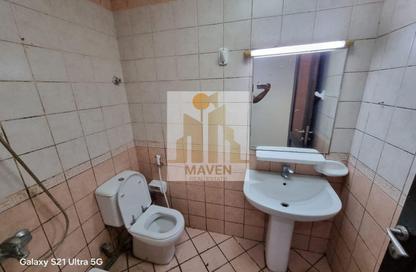
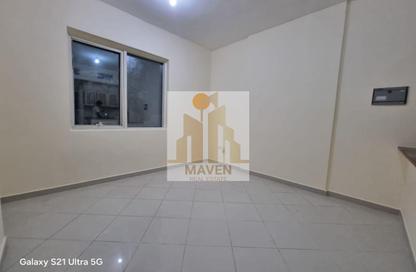
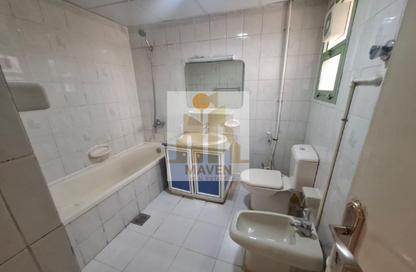
Sizes tend to run from compact two-bedroom floors around 1,100 sqft up to larger three-bedroom homes closer to 1,800 sqft. Finishes are straightforward, and most buildings offer basic parking and lift access.
Annual rents currently range from about AED 33,000 at the lower end to AED 105,000 for the largest, better-finished units, with a median near AED 69,000. The gap reflects unit size, floor level, condition, and whether the apartment comes furnished or unfurnished.
Renters working in Mussafah's industrial zones get a short commute from Shabiya 11.
Entry rents from AED 33,000 a year suit single tenants watching their housing costs.
Larger apartments stretching toward AED 105,000 give families room without crossing into the city.
Flatmates splitting a lease find Shabiya 11 workable, with a median rent near AED 69,000.
Renters wanting Mussafah access without villa pricing land comfortably in the Shabiya 11 apartment market.
Apartments for rent in Shabiya 11 run from around AED 33,000 to AED 105,000 a year, with the middle of the market located near AED 69,000. That gives renters real room to pick a layout that fits the household rather than squeezing to meet a central-city rent.
The Shabiya 11 cluster is built on the same low-rise grid as the rest of Shabiya. As a result, apartment blocks stay walkable to corner shops, laundries, and small supermarkets without needing to drive for every errand.
Shabiya 11 is inside the Mussafah-Shabiya zone, which keeps workshops, warehouses, and ICAD industrial jobs close by. For anyone commuting into Mussafah's business and industrial streets, the drive is short and predictable.
The resident mix in Shabiya 11 leans toward young professionals and shared student households, with a smaller share of families. That shapes the rental stock: compact one and two-bedroom apartments outnumber the larger family layouts.
Shabiya 11 connects out through Mussafah's main roads toward Mohammed Bin Zayed City, the airport road, and onward to Abu Dhabi island. Tenants working across the capital can keep a Shabiya 11 base without being locked into one side of town.
Renters who like the Shabiya 11 feel but want to compare rents or layouts can look at adjacent clusters like Shabiya 9 within the same Shabiya grid. This makes it easy to shortlist apartments without leaving the neighborhood.
Daily errands in Shabiya 11 stay close to home, with schools, clinics, groceries, and Mussafah's wider retail strip all within easy reach of the apartment blocks.
Shabiya 11 is inside the Mussafah Shabiya grid, and daily movement here runs on cars and buses rather than rail. The street layout is simple, with numbered blocks and a good range of surface parking outside the low-rise apartment buildings.
Residents who commute into central Abu Dhabi tend to lean on the main arterial roads that frame Mussafah. Shorter trips to supermarkets, clinics, and workshops stay within the neighborhood itself.
Shabiya 11 works well for renters looking for straightforward low-rise apartment living in the Mussafah Shabiya belt. Annual rents are between AED 33,000 and AED 105,000, with a median around AED 69,000, which keeps it accessible compared to central Abu Dhabi island.
It's a drive rather than a walk, but the main industrial and commercial zones of Mussafah are right next door.
Both are inside the same Shabiya cluster off Mussafah, built around similar low-rise apartment blocks and ground-floor shops. Shabiya 11 and Shabiya 9 differ mainly in street layout and the mix of buildings on offer at any given time. As a result, rent levels and layouts should be compared block by block rather than by sub number.
The resident mix leans toward working singles, sharers, and smaller families drawn by rents that undercut Khalifa City and the island. Apartment sizes and prices suit tenants who want proximity to Mussafah's workplaces without paying a premium.
The current rent range of AED 33,000 to AED 105,000 covers everything from compact one-bedroom units at the lower end through to larger family apartments at the top. Layouts are typically found in low-rise residential buildings rather than high rise towers.