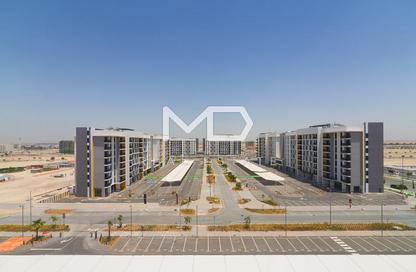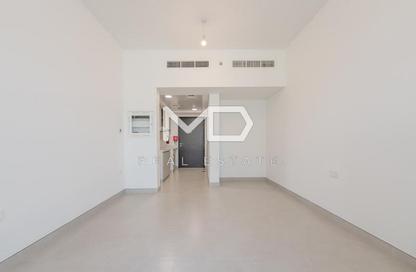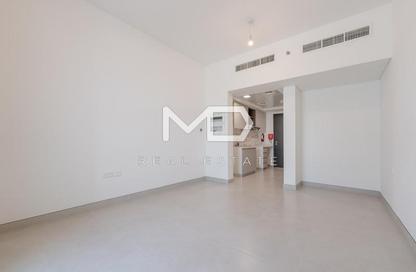
Your Guide to Studio Apartments for Rent in Abu Dhabi
Abu Dhabi operates at its own pace—more measured than Dubai, more rooted in tradition while still pushing forward with ambitious development. As the UAE's capital and political center, the city sits on a T-shaped island extending into the Persian Gulf, balancing its role as an industrial hub with genuine quality of life.
For nine consecutive years through 2025, Abu Dhabi has held the title of world's safest city. That's not marketing spin—it's a reflection of how seriously the emirate takes security and infrastructure. Expatriates make up roughly 80% of the population, creating an international environment where newcomers integrate quickly. The residential landscape varies dramatically from high-energy downtown districts to quiet suburban communities with low-rise buildings and actual greenery.
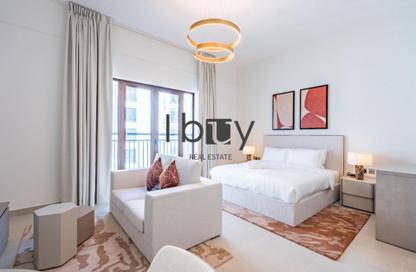
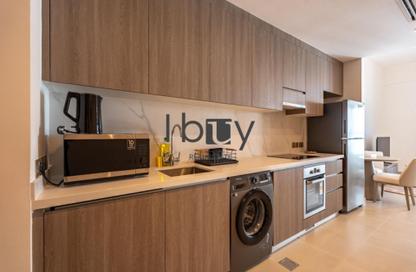
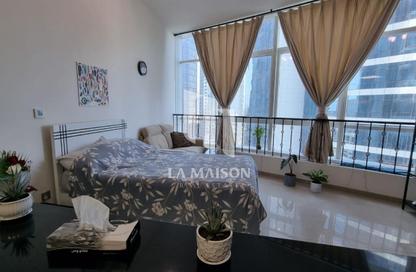
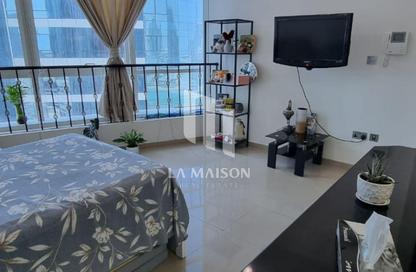
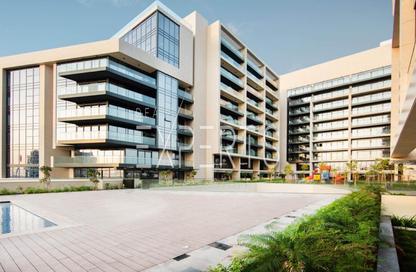
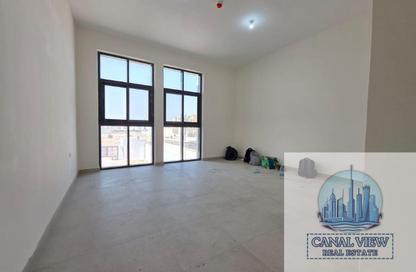
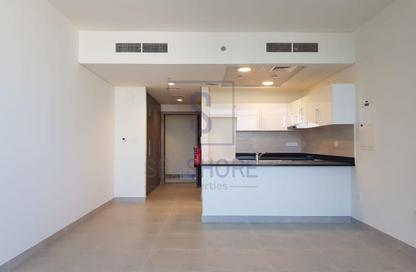
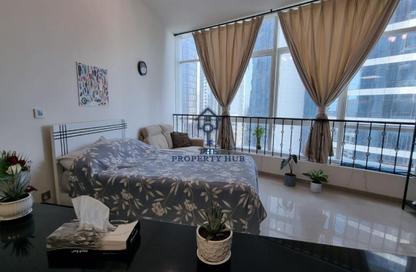
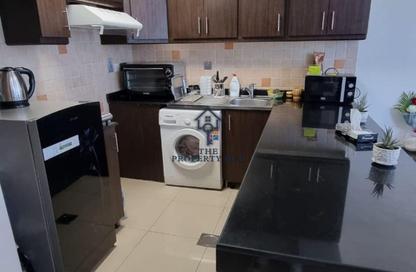
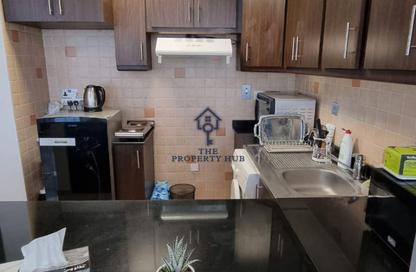
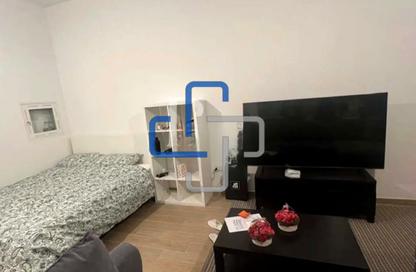
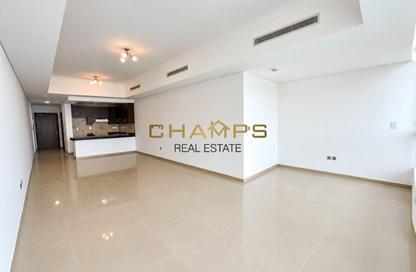
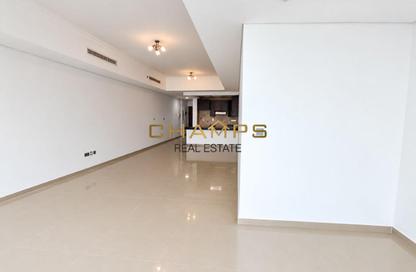
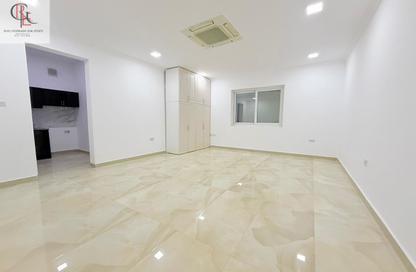
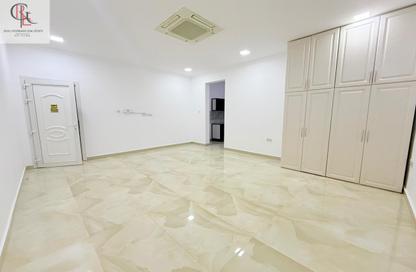
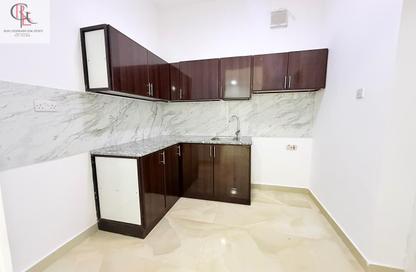
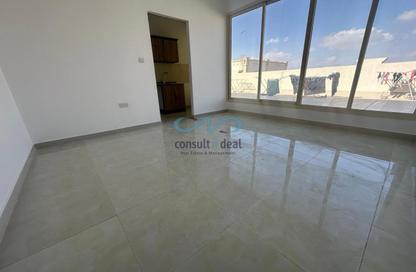
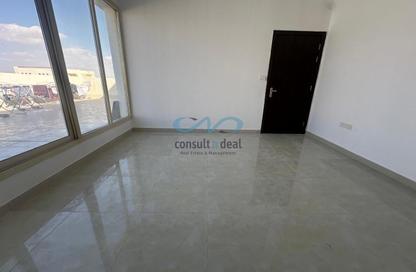
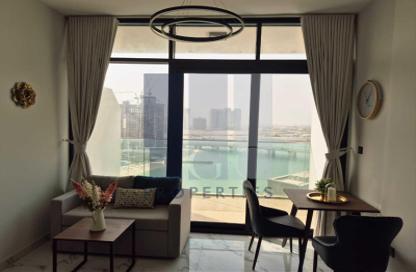
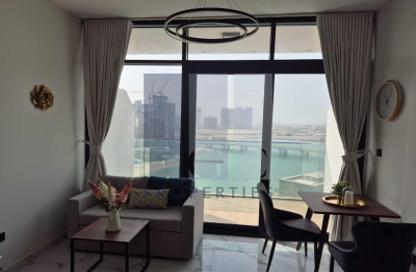
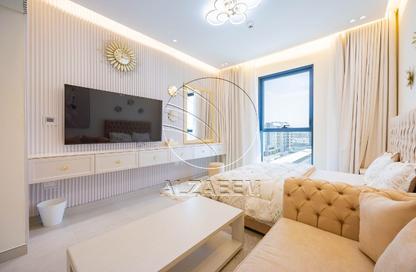
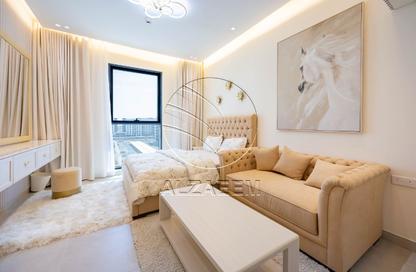
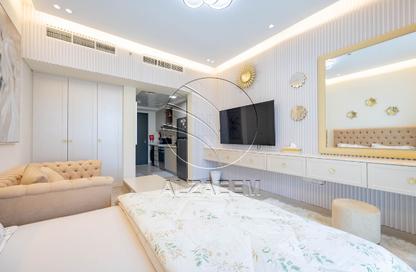
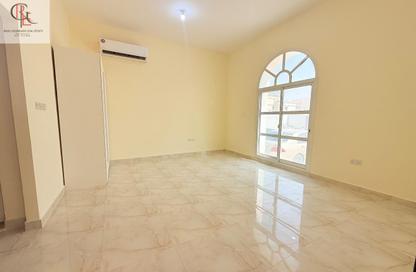
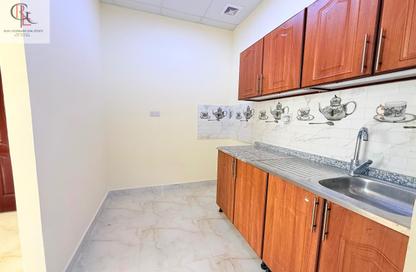
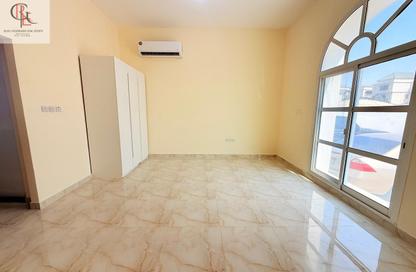
If you're searching for a studio for rent in Abu Dhabi, you're looking at the most practical entry point into the capital's rental market. These compact units work particularly well for singles, students, and young professionals who want access to the city's high standard of living without overextending their budget. The open-plan layout integrates living, sleeping, and kitchen areas into a single functional space—efficiency by design rather than compromise.
The appeal of a studio apartment for rent in Abu Dhabi is straightforward: easy maintenance, proximity to employment hubs, and monthly expenses that leave room for experiences beyond just covering rent.
Market Overview
Rental costs for studios in Abu Dhabi fluctuate based on community and amenities, but the overall picture is more affordable than Dubai while maintaining comparable quality.
Current market data shows annual rental contracts typically starting around AED 28,000, with the city-wide average sitting at approximately AED 72,000 per year. If you need short-term flexibility, monthly rentals are common, starting from AED 2,200 and averaging near AED 7,100 monthly.
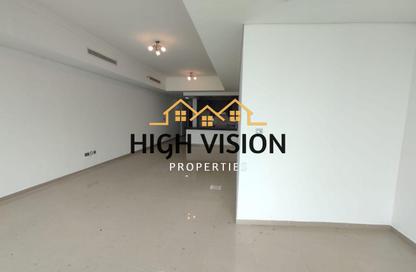
Space-wise, studio apartments for rent in Abu Dhabi generally range between 340 and 800 square feet, with 490 square feet representing the typical average. That's compact, but most modern buildings include built-in wardrobes and balconies that prevent the space from feeling claustrophobic.
The savings compared to larger units are substantial. Studios offer the lowest entry threshold while still providing access to shared amenities like gyms, pools, and covered parking that you'd find in pricier apartments.
Average Prices & Sizes of a Studio for Rent in Abu Dhabi
Understanding neighborhood-specific costs helps you make informed decisions about where your budget goes furthest versus where you're paying for location premium. Abu Dhabi's geography creates distinct pricing tiers—mainland communities emphasize affordability and space, while island developments command higher rents for waterfront access and modern infrastructure.
Affordable Areas on the Outskirts
Al Shamkha delivers the capital's most competitive pricing with median rents at AED 26,000 annually. Studios here average around 450 square feet. This vibrant community attracts both families and bachelors focused on minimizing housing costs. The tradeoff is straightforward: you're further from downtown employment hubs, which means longer commutes but significantly lower monthly expenses.
Mohamed Bin Zayed City (MBZ City) sits at AED 33,000 per year median rent, with studios averaging 650 square feet—notably larger than most budget options. Divided into 34 clusters, this sprawling suburb sits about 30 minutes from downtown and works particularly well for people who commute between Abu Dhabi and Dubai thanks to highway proximity. The spacious, affordable properties here appeal to families, but singles find good value as well.
Al Ghadeer averages AED 40,000 annually for studios around 480 square feet. Positioned directly on the Abu Dhabi-Dubai border, it's ideal for professionals working in both emirates. The community emphasizes sustainable, quiet living with lush landscaping—a self-sufficient development where you're not constantly leaving to access amenities.
Al Mushrif hovers around AED 39,000 per year with studios averaging 500 square feet. This area stands out for green spaces and tree-lined streets that create a genuinely pleasant residential environment. You're close to key parks and local amenities without paying island premiums, making it popular with families and singles who value walkability.
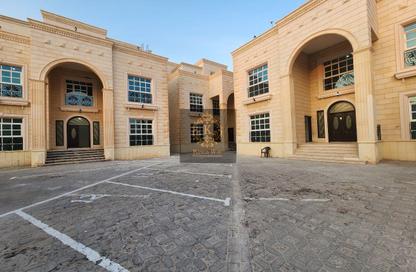
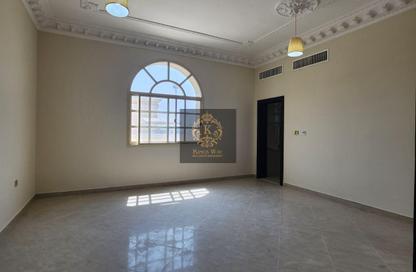
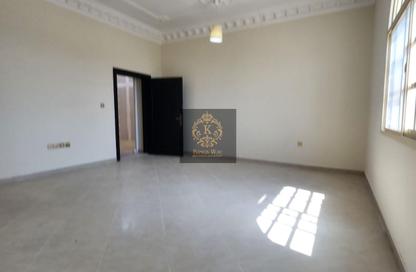
Khalifa City averages AED 43,000 annually, with typical units around 600 square feet. Located on the mainland near the airport, it offers a calm suburban atmosphere across several zones including areas formerly known as Khalifa City A and Shakhbout City. The proximity to Masdar City and numerous schools makes it particularly appealing to families, though singles appreciate the quieter setting. Actual listings include 600 sq ft studios in Khalifa City A Villas for AED 35,000 per year.
Central Urban Communities
Muroor Area sits at AED 66,000 per year median rent for studios averaging 450 square feet. Running along Muroor Road, this location delivers central convenience for bachelors or small families who need downtown proximity for work but can't justify waterfront pricing. You're paying more than mainland suburbs but significantly less than island developments while maintaining reasonable access to business districts.
Island and Waterfront Communities
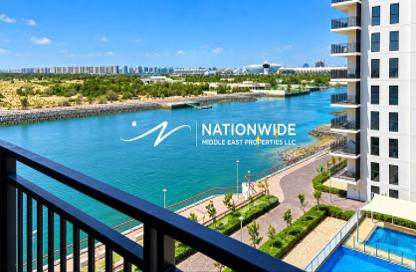
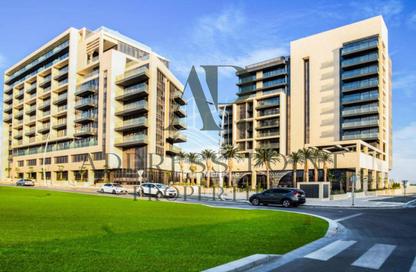
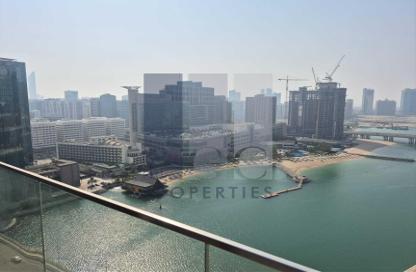
Al Reem Island commands median rents of AED 62,000 annually for studios averaging 480 square feet. This natural island represents the sweet spot between urban vibrancy and waterfront living. Sub-areas like Marina Square and City of Lights feature iconic modern skyscrapers such as the Gate Towers. Expatriates dominate the resident base, creating a genuinely international community feel. Residents cite stunning waterfront views and quick access to Reem Central Park as major draws. The infrastructure here is contemporary, and you're getting genuine island living without reaching Yas Island price levels.
Saadiyat Island averages AED 68,000 per year for studios around 490 square feet. Home to prestigious institutions like New York University Abu Dhabi, this island emphasizes cultural attractions and maintains a more refined, less commercial atmosphere compared to Yas. The premium reflects access to quality beaches, museums, and a sophisticated residential environment.
Corniche Road properties average AED 68,000 annually for studios typically offering around 517 square feet. These prime waterfront locations put you along the iconic 8-kilometer promenade with public beaches, cycling tracks, and Gulf views. Recent listings include premium units like the 517 sq ft studio in Meera MAAM Residence for AED 80,000 per year—you're paying top-tier pricing for the address and direct waterfront access.
Yas Island commands the highest rents at AED 90,000 per year median for studios averaging 490 square feet. Known as Abu Dhabi's entertainment hub, the island hosts Ferrari World, Yas Mall, and Yas Marina Circuit. Studios in developments like Waters Edge or Ansam offer a high-energy lifestyle with world-class leisure facilities and public beaches at your doorstep. If your lifestyle revolves around events, dining, and active recreation, the premium starts making sense—you're essentially living in a resort environment.
The pattern holds consistently: every step closer to the islands and waterfront areas adds thousands to your annual rent. Whether that proximity justifies the cost depends entirely on where you work, how much you value your commute time, and whether the resort-style amenities align with how you actually live.
Why Rent a Studio in Abu Dhabi?
The case for a studio apartment for rent in Abu Dhabi combines financial pragmatism with genuine quality of life advantages specific to the capital.
Studios represent the most affordable entry point into Abu Dhabi's rental market, making the city's sophisticated lifestyle accessible even on entry-level professional salaries. The money you save on rent can fund experiences, build savings, or simply reduce financial stress—all legitimate priorities when you're establishing yourself in a new city.
Safety is a major factor that shouldn't be dismissed lightly. Abu Dhabi's consistent global safety rankings translate to real daily benefits: walking home late without anxiety, leaving belongings visible in your car, existing without constant vigilance. For solo renters, particularly women living alone, this peace of mind carries genuine value that's hard to quantify but easy to appreciate.
The studio lifestyle works best for people who view their apartment primarily as a base rather than where they spend most waking hours. If you're working full days, exploring the city on weekends, and using your home mainly for sleeping and basic living, the compact footprint delivers exactly what you need without excess baggage.
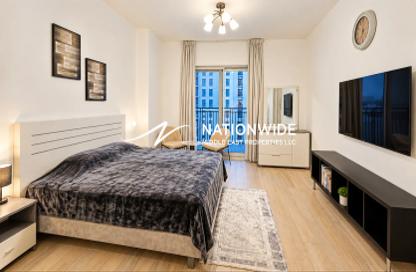
Market trends show growing demand for furnished studios, which are widely available and eliminate the substantial upfront cost of buying furniture. This matters particularly for expatriates relocating from abroad or professionals on temporary assignments who want to avoid the hassle of furnishing from scratch.
Nearby Amenities & Lifestyle
Abu Dhabi's infrastructure ensures that even budget studio living provides access to world-class facilities and services.
Schools and Universities
The emirate takes education seriously, offering various curricula including British, American, and Indian systems across numerous schools. Notable institutions include:
K-12 Schools:
- GEMS American Academy Abu Dhabi
- The British School Al Khubairat
- Al Yasmina Academy
- Cranleigh Abu Dhabi
- Raha International School
Higher Education:
- New York University Abu Dhabi (Saadiyat Island)
- Sorbonne University Abu Dhabi (Al Reem Island)
- Khalifa University
Hospitals and Clinics
State-of-the-art medical facilities serve residents throughout the city, providing comprehensive care that meets international standards:
- Cleveland Clinic Abu Dhabi
- Sheikh Khalifa Medical City (SKMC)
- Sheikh Shakhbout Medical City
- Burjeel Hospital
Malls
Major retail destinations provide everything from daily necessities to luxury brands:
- Yas Mall
- Abu Dhabi Mall
- The Galleria Al Maryah Island
Supermarkets like Waitrose, Carrefour, and Spinneys are well-distributed across all major residential zones, making grocery shopping convenient regardless of where you live.
Parks and Recreation
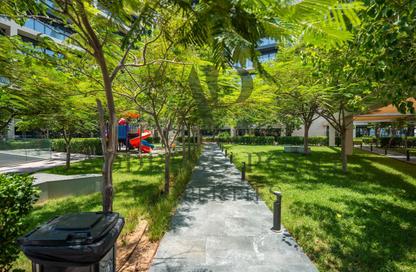
Abu Dhabi's commitment to green spaces distinguishes it from other Gulf cities. The 8-kilometer Corniche Road features public beaches and cycling tracks. Other popular outdoor spaces include:
- Mangrove National Park
- Umm Al Emarat Park
- Various themed parks throughout the city
These spaces provide genuine recreational options beyond air-conditioned malls—important for maintaining quality of life in the desert climate.
Location & Transportation
Abu Dhabi's infrastructure prioritizes high connectivity between the islands and mainland, though the geography creates inherent commuting considerations.
Road Network
Major thoroughfares include Sheikh Zayed Road (E10) and Al Khaleej Al Arabi Street (E20). Three primary bridges, Maqta, Mussafah, and Sheikh Zayed Bridge, link the main island to the mainland. The Umm Yifeenah Bridge recently added a vital connection between Al Reem Island and the city center, improving commute times significantly.
Public Transportation
The Integrated Transport Centre (ITC) manages a reliable bus network with local trips costing as little as AED 2. Frequent travelers benefit from the Hafilat Card for seamless fare payments across the system. The bus network is comprehensive, though Abu Dhabi remains more car-centric than Dubai, having a vehicle improves convenience substantially, particularly if you live in outer communities.
Pros & Cons of Renting a Studio Apartment in Abu Dhabi
Pros:
- World-class safety rankings create genuine peace of mind for solo residents and families alike
- Exceptional affordability provides the lowest entry point into a high-standard rental market
- Access to excellent community amenities (gyms, pools, security) even in compact units
- Strategic locations simplify commuting between Abu Dhabi and Dubai for those working in both emirates
- Furnished options widely available, eliminating furniture purchase and setup hassles
Cons:
- Compact living spaces around 490 sq ft average may feel restrictive for those with substantial belongings
- Peak hour traffic and AED 4 toll charges per crossing for mainland residents commuting to the island
- Higher noise levels in central urban districts compared to quieter suburban areas
- Limited storage requires creative solutions and disciplined minimalism
FAQs About Studio for Rent in Abu Dhabi
What's the most affordable area for studio apartments in Abu Dhabi?
Al Shamkha consistently offers the capital's lowest studio rents at AED 26,000 annually for approximately 450 square feet. Mohamed Bin Zayed City provides slightly larger spaces (650 sq ft) at AED 33,000 per year. Both mainland communities require longer commutes to central business districts but deliver substantial savings; you could pay four times more on Yas Island for similar square footage.
How does Abu Dhabi's studio rental market compare to Dubai?
Abu Dhabi generally offers better value. Where Dubai's central areas like Business Bay start around AED 55,000 annually, Abu Dhabi's Al Mushrif and Al Ghadeer average AED 39,000-40,000. Even Abu Dhabi's premium locations like Al Reem Island (AED 62,000 median) undercut comparable Dubai waterfront areas. The capital's slower pace and less dense development mean more affordable options overall, though top-tier locations like Yas Island reach Dubai-level pricing at AED 90,000 annually.
Are furnished studios common, and do they cost significantly more?
Furnished studios are increasingly common in Abu Dhabi, particularly targeting expatriate professionals and short-term residents. Many landlords offer fully furnished units knowing their tenant base includes international workers on temporary assignments. Expect a modest premium over unfurnished options, typically 5-10% higher monthly, but you save substantially on initial furniture purchases and avoid the hassle of furnishing from scratch.
Which areas work best for people commuting between Abu Dhabi and Dubai?
Al Ghadeer sits directly on the Abu Dhabi-Dubai border, making it ideal for frequent inter-emirate commuters at AED 40,000 annually. Mohamed Bin Zayed City (AED 33,000 annually) also works well thanks to proximity to major highways, though you're 30 minutes from downtown Abu Dhabi. The geographic positioning matters significantly, choosing the wrong area can add 45+ minutes to your daily commute in each direction.