Listed 1 month ago
17,000 monthly
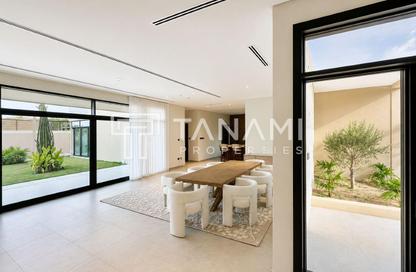
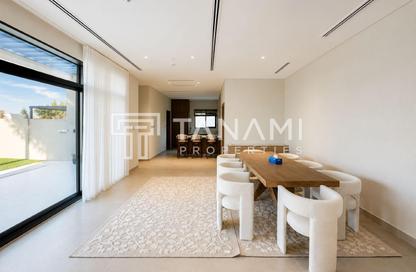
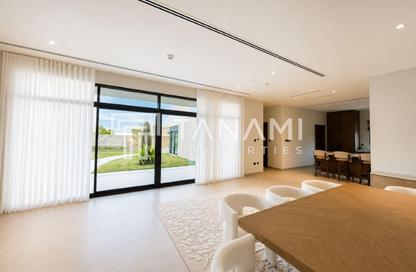
Ready Fully Furnished Luxury Interior Landscaped

2
4
Area: 8,137 ft²
Villa
Al Jurf Gardens, AlJurf, Ghantoot, Abu Dhabi
SUPERAGENT
Listed 1 month ago
2
4
Area: 8,137 ft²
Villa
Al Jurf Gardens, AlJurf, Ghantoot, Abu Dhabi



Listed 1 month ago

1
1
Area: 400 ft²
Villa
Al Mushrif, Abu Dhabi

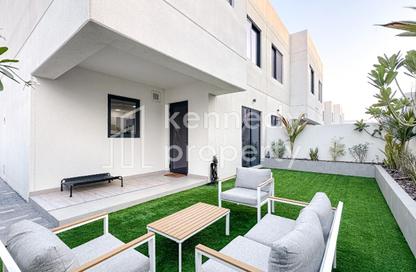
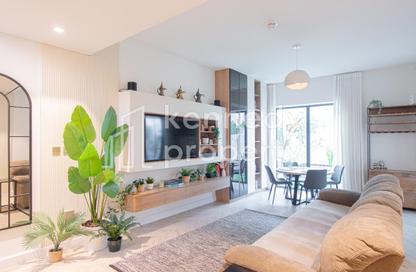
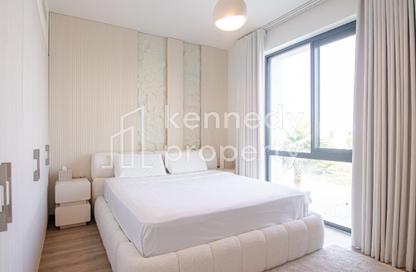
Listed 2 months ago

4
4
Area: 1,816 ft²
Villa
Noya Viva, Noya, Yas Island, Abu Dhabi

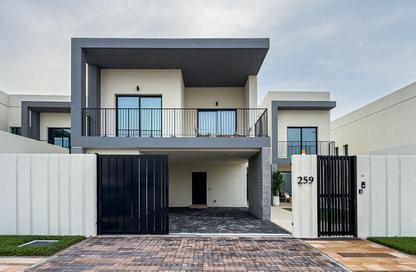
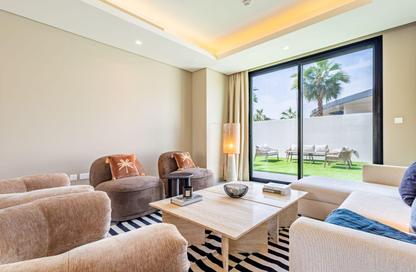
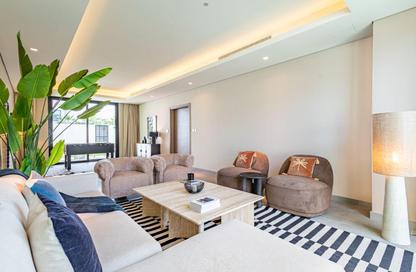
Listed 6 months ago

4
5
Area: 6,458 ft²
Villa
The Magnolias, Yas Acres, Yas Island, Abu Dhabi

Get notified with new properties for Abu Dhabi
Abu Dhabi sits on a T-shaped island and stretches onto the mainland. Wide roads and well-known bridges such as the Sheikh Zayed, Maqtaa, and Mussafah tie the whole city together. The capital has a hot desert climate with sunny skies most of the year, so communities with cooling features, shaded paths, and open waterfronts often shape where people decide to live.
Life across the emirate leans toward family living and close communities. Picking a villa usually means stepping away from the busy towers of the center and settling into a calm suburb or a planned island community. These areas bring less traffic noise and fast access to parks, private beaches, and local shops.
Renting by the month has become popular for good reason. A villa for rent in Abu Dhabi monthly gives you the freedom of a short commitment. It suits people on corporate moves, staff on business assignments, anyone testing a neighborhood before signing a yearly deal, and families who need a longer stay. You get to learn the commute, check how close the schools are, and get a feel for the lifestyle before you commit.
Most monthly listings point to premium, move-in-ready homes in popular leisure districts. Many arrive fully furnished, which is one of the main reasons people pick a short lease. Demand for an Abu Dhabi villa for rent monthly stays strong among relocating professionals and families who want flexibility without a long contract.
What you pay depends on the community, the size of the home, and the furnishings. A monthly deal usually includes furniture and sometimes utilities, while a yearly lease often comes unfurnished, with the bills left to you. That bundling, along with the freedom to leave sooner, is the main difference from an annual rental.
Rental rates rise with community prestige, plot size, and furnishings. Yas Island shows the range clearly, from compact family homes to large luxury villas.
It often makes more sense to pick a smaller villa in an area with good services than a huge home far from daily life. Weigh the price per square foot against the amenities you actually get.
Villas give you far more floor area and private outdoor space than a city apartment. The extra room suits growing households who want a garden, a yard for the children, or simply more distance from the neighbors.
Most planned villa developments come with shared pools, playgrounds, and small retail centers. You settle into a real neighborhood with parks and quiet paths rather than a single tower block.
An Abu Dhabi villa for rent monthly lets you test a commute or a community without the lock of a yearly lease. If your plans shift, you can move on with far less fuss.
The capital ranks as one of the safest cities in the world. That record gives families real peace of mind, day and night.
Different districts suit very different lives. The emirate covers both budget-friendly suburbs on the mainland and high-end island communities by the water, so renters can match their choice to their needs and budget.
Abu Dhabi's road network links the islands to the mainland through major routes such as the E10 (Sheikh Zayed Road) and the E20 (Khaleej Al Arabi Street). Well-known bridges, including the Sheikh Zayed and Maqta crossings, connect the central island to the surrounding districts.
Drivers should plan for the Darb toll system, which charges AED 4 to cross key bridges during peak hours. For public transport, the city runs a wide bus network that you pay for with a reloadable Hafilat card, and local trips start at just AED 2. Taxis are everywhere, and smart options like automated rapid transit and driverless taxis keep expanding in areas such as Yas Island and Saadiyat Island.
Yes. In the capital, leases are registered through the Tawtheeq system on the TAMM portal, which is the local equivalent of Ejari. The owner or the licensed property manager handles this, and tenants cannot do it themselves. Once the contract is registered, the certificate triggers the water and electricity connection through the Abu Dhabi Distribution Company.
Some furnished monthly villas include utilities, so always check the listing. Expatriates also pay a municipality fee of 5% of the annual rental value. This is split into 12 parts and added to the monthly ADDC water and electricity bill, with a minimum charge of AED 450 a year.
You can pay electronically through the government TAMM portal, set up an automatic direct debit with your bank, or arrange a standard bank transfer. Each method gives you a clear, trackable record.
Many are. Short-term listings in premium districts usually come furnished and move-in ready, though standards vary, so confirm what is included before you sign.
You can exit early without a penalty only if your contract includes a mutual break clause. Without one, the owner can charge a penalty, which often equals one or two months' rent.
Yes. A reliable bus network connects the suburbs to the city center, and you pay with an Hafilat card. Taxis are widely available, and some areas, such as Yas Island, also have autonomous transport.