



Moving into a new rental property in Dubai is exciting, but it also comes with several important administrative and practical steps that need to be completed before settling in. From sorting out tenancy documents and registering Ejari to activating utilities and arranging building access, having a proper move-in check list can help tenants avoid delays, unexpected costs, and last-minute complications.
Dubai’s rental process is structured and often requires multiple approvals, deposits, and service activations before a property is ready for occupancy. Whether you are moving into your first apartment, relocating to a villa, or shifting to a new community within the city, preparation is essential to ensure a smooth handover.
While renting is a flexible and popular option for many residents, others may eventually decide to transition from being tenants to homeowners. If you are looking for long-term stability and wish to avoid annual lease renewals, exploring the diverse range of villas to buy in Dubai can be an excellent step toward securing your permanent dream home and making a solid real estate investment.
In this guide, you’ll find:
- Pre-Move-In Preparation
- Move-In Check List: Utility & Service Setup
- Building & Logistical Requirements
- Move-In Day Essentials
- Post-Move-In Follow-Up
- Cost Quick Reference Table
- Key Takeaways
- Frequently Asked Questions (FAQs)
Pre-Move-In Preparation
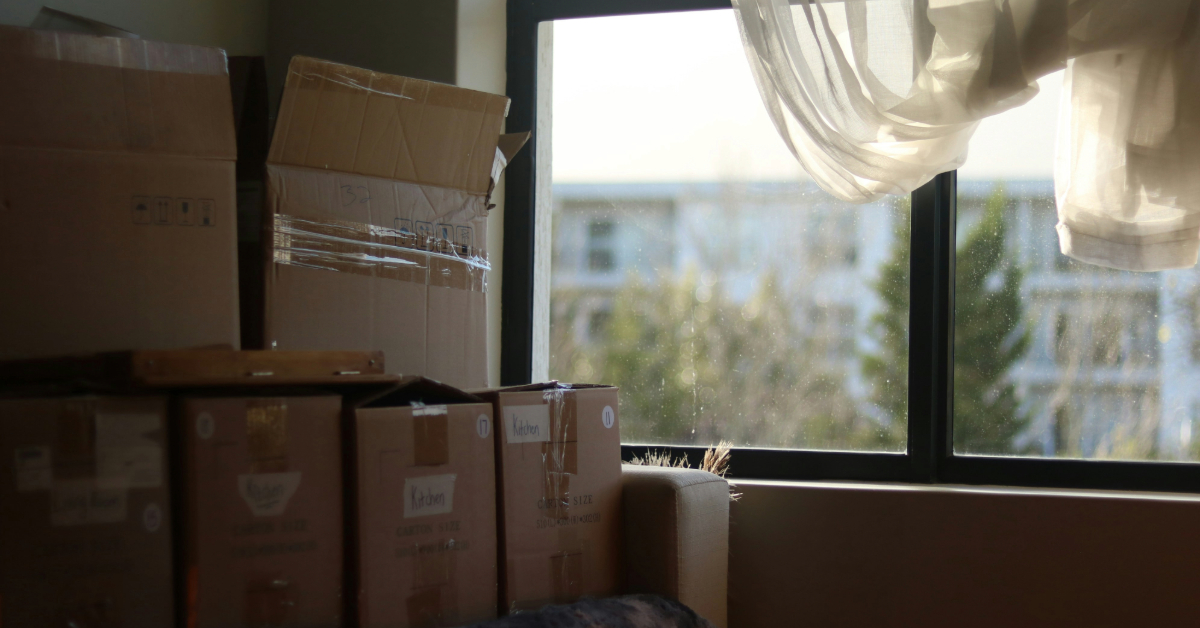
Getting organised before moving day is essential to avoid delays and ensure a smooth transition into your new Dubai rental property.
Documentation Required
Make sure all required paperwork is ready and verified before the handover process begins.
- Valid passport copy (photo and signature pages)
- Emirates ID copy (front and back)
- Visa or residency permit (if applicable)
- Signed tenancy contract by both landlord and tenant
- Power of Attorney (if signed on behalf of the landlord)
- Photos or a written inventory of the property’s condition
Financial Commitments
Understanding all expected payments in advance helps avoid last-minute surprises during the move-in process.
| Item | Description | Typical Amount / Notes |
| Security Deposit | Refundable amount to cover potential damages | Usually 5%–10% of annual rent, depending on the landlord’s terms |
| First Rent Instalment | Initial payment due before move-in or at contract signing | Commonly paid through post-dated cheques |
| Agency Fee / Commission | Paid to the broker or leasing agent | Typically 5% of annual rent |
| Ejari Registration Fee | Required to legalise the tenancy contract through Dubai Land Department | Nominal administrative charge |
Move-In Check List: Utility and Services Setup
Setting up essential services in advance ensures your new home is fully functional and ready from the moment you move in.
Explore the Available Apartments for Rent in Dubai
-
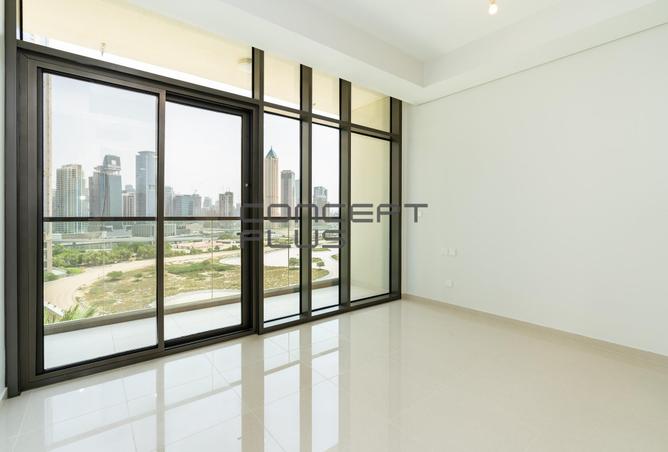

Apartment
Listed 2 weeks ago
67,000 AED/year
Modern Living | Equipped Kitchen | Spacious
Aykon City Tower C, Aykon City, Business Bay, Dubai
studio
1
426 sqft
-

Apartment
Listed 6 days ago
280,000 AED/year
Lifestyle Amenities| Ideal Location |2-months free
City Tower 1, City Towers, Sheikh Zayed Road, Dubai
3
5
2,271 sqft
-
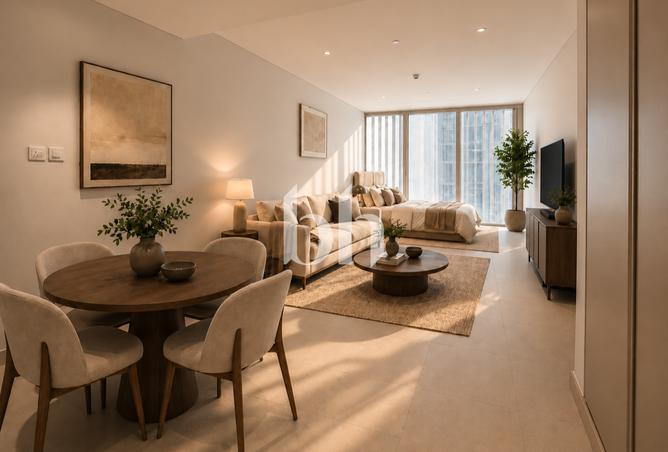
Apartment
Listed 6 days ago
85,000 AED/year
2-months free | Brand new | Metro nearby
City Tower 1, City Towers, Sheikh Zayed Road, Dubai
studio
1
538 sqft
-
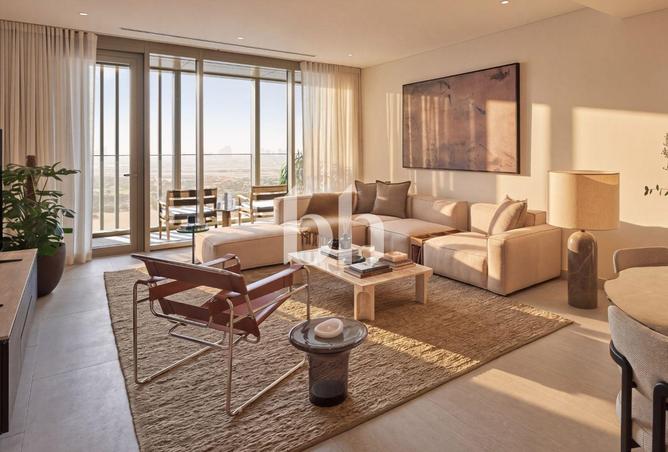
Apartment
Listed 6 days ago
200,000 AED/year
Elegant home | Skyline views | 2-months free
City Tower 1, City Towers, Sheikh Zayed Road, Dubai
2
4
1,701 sqft
-

Apartment
Listed 6 days ago
160,000 AED/year
2-Months free | Metro access | Ready to move in
City Tower 1, City Towers, Sheikh Zayed Road, Dubai
1
2
861 sqft
-
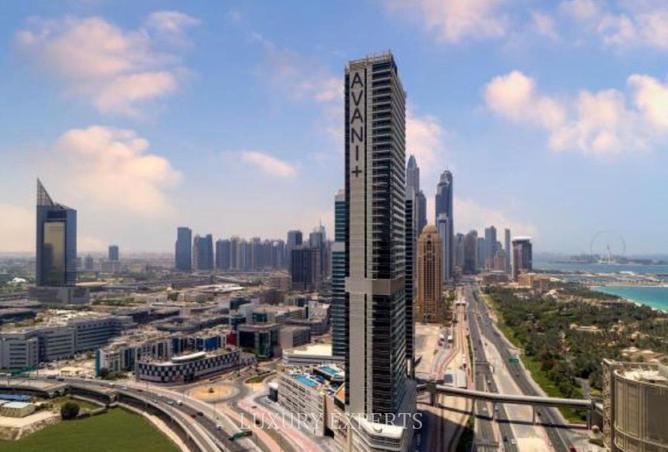
Apartment
Listed 8 hours ago
200,000 AED/year
2BR Furnished | Sea and Palm Views
Palm View, Dubai Media City, Dubai
2
3
1,579 sqft
-

Apartment
Listed 5 days ago
2,500,000 AED/year
Exceptional Burj Al Arab and Sea View
Jumeirah Living Marsa Al Arab, Marsa Al Arab, Jumeirah 3, Jumeirah, Dubai
2
3
2,121 sqft
-

Apartment
Listed 1 week ago
210,000 AED/year
2BR Furnished Flat | Sea & Palm Views
Palm View, Dubai Media City, Dubai
2
3
1,579 sqft
-
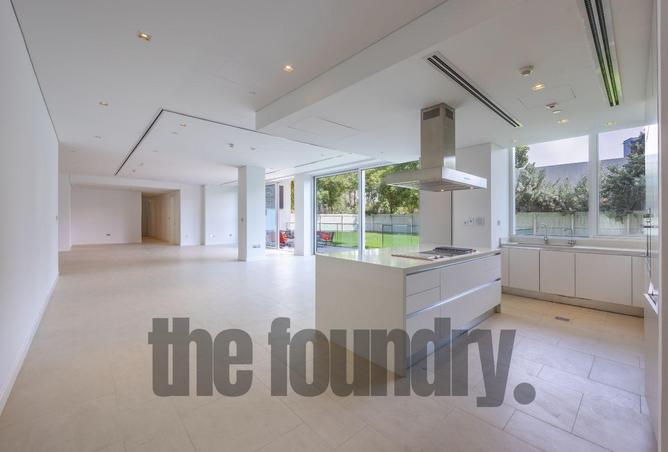
Apartment
Listed 5 days ago
900,000 AED/year
Ground Floor Gem | Massive Private Garden | Availa
Seventh Heaven, Al Barari, Dubai
3
4
9,169 sqft
-
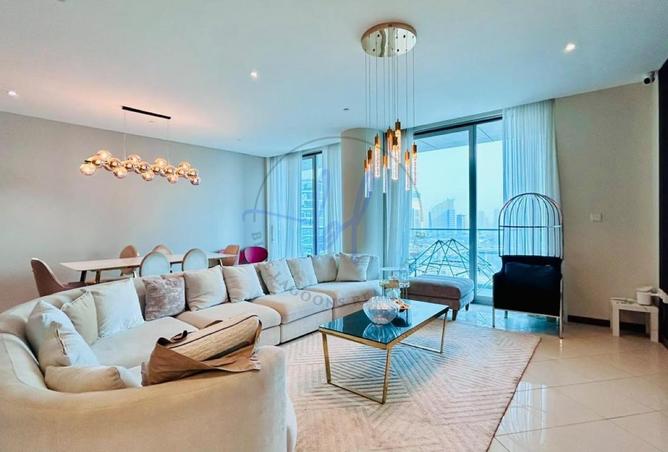
Apartment
Listed 6 days ago
240,000 AED/year
Fully Furnished| Creek Front Living | Large Size
Intercontinental Residence Suites, Marsa Plaza, Dubai Festival City, Dubai
3
5
2,704 sqft







Ejari Registration
Complete your Ejari registration early, as it is required to legalise your tenancy contract and activate key utilities.
- Submit required documents, including the tenancy contract, Emirates ID, passport, and visa.
- Obtain your Ejari certificate once registration is completed.
- Keep a digital and printed copy for future service activations.
DEWA (Electricity & Water)

Activating DEWA ahead of time ensures electricity and water are available on move-in day.
- Provide the property’s 9-digit premises number.
- Pay the required security deposit and connection fee.
- Activation is usually completed within approximately 15 working hours after Ejari verification and payment.
District Cooling (If Applicable)
If your building uses district cooling, registration must be completed separately with the assigned provider.
- Confirm whether your provider is Empower, Emicool, or Tabreed.
- Register your account before move-in.
- Complete any required deposit or activation payment.
Internet, TV, and Gas Setups
Arranging these services in advance helps avoid unnecessary delays after moving in.
- Choose your internet and broadband provider, typically du or Etisalat.
- Confirm fibre connectivity and service availability within your building.
- Arrange gas connection setup if the property uses central or piped gas systems.
Building & Logistical Requirements
Sorting out building procedures and access arrangements in advance helps ensure a smooth and hassle-free moving day.
Move-In Permit & Building Access
Many residential buildings and gated communities in Dubai require prior approval before tenants can move in.
- Check whether your building or community requires a move-in permit.
- Reserve service lifts and parking spaces for moving vehicles.
- Coordinate move-in timings with building management or security.
- Register for access cards, gate entry, or parking permits where required.
Inspection & Handover Report
A thorough inspection before moving in helps identify any existing issues and protects your security deposit.
- Conduct a complete walkthrough of the property before accepting handover.
- Check for any damages, defects, or maintenance issues.
- Document concerns with clear photos or videos.
- Ensure both tenant and landlord sign the property condition or handover report.
Move-In Day Essentials
- Collect all physical keys, remote controls, and access cards during handover.
- Check that all essential utilities are fully operational, including water, electricity, cooling, and internet.
- Confirm all security deposits have been processed and obtain payment receipts.
- Ensure the property is clean and ready for occupancy, or arrange deep cleaning before settling in.
Post-Move-In Follow Up
- Update your address on your Emirates ID within the required 30-day timeframe.
- Notify banks, your employer, schools, and relevant government services of your new address.
- Keep all invoices, receipts, and tenancy-related documents safely organised.
- Report any defects or missing items discovered after moving in within the stipulated notice period.
Cost Quick Reference Table
Understanding the standard move-in costs helps you budget effectively and avoid unexpected expenses.
| Service | Typical Fee / Deposit |
| DEWA Deposit (Apartment) | AED 2,000 |
| DEWA Deposit (Villa) | AED 4,000 |
| DEWA Connection / Supply Activation Fee | Approximately AED 155 for small meters, with higher charges for larger or commercial units |
Key Takeaways
A successful move-in check list in Dubai depends on careful planning and timely preparation. Registering your tenancy contract through Ejari is essential, as it is required before activating utilities and accessing many official services. It is equally important to arrange DEWA, internet, and cooling services in advance so your new home is fully functional from day one. Building logistics such as move-in permits, access cards, and service lift bookings should be organised ahead of time to avoid delays. Financial commitments, including deposits, rent payments, and administrative fees, must be clearly understood and settled on time. Finally, conducting a thorough inspection and documenting the property’s condition during handover can help protect your security deposit and prevent disputes later on.
Frequently Asked Questions (FAQs)
Yes, Ejari registration is essential as it legalises your tenancy contract and is required for activating DEWA and completing certain official procedures.
DEWA is typically activated within approximately 15 working hours once your Ejari certificate is issued and all required payments have been completed.
In most cases, the tenant is responsible for paying the broker or agency commission, which is commonly around 5% of the annual rent. Always confirm this before signing the tenancy agreement.
No, move-in permit requirements vary depending on the building or community. It is best to confirm directly with building management beforehand.
To maximise your chances of receiving the full deposit, maintain the property well, document any pre-existing damage, return all keys and access items, settle outstanding utility bills, and comply with the tenancy agreement’s terms regarding wear and tear.