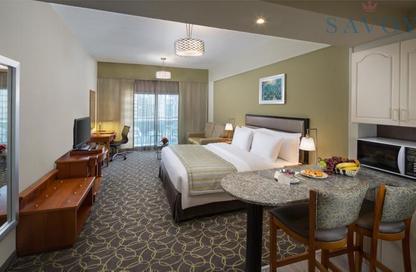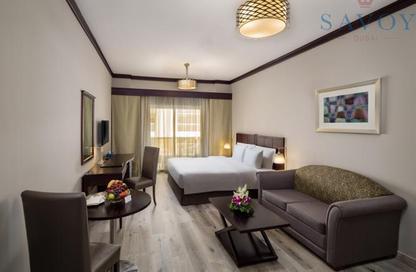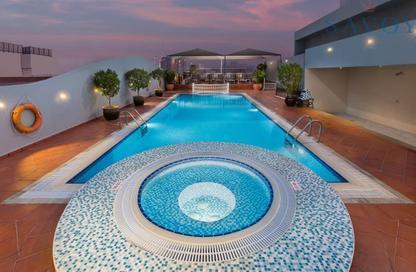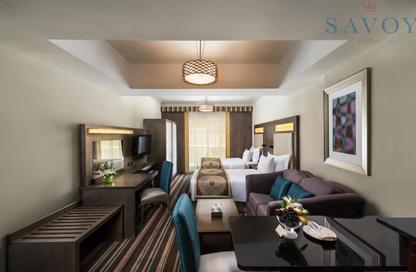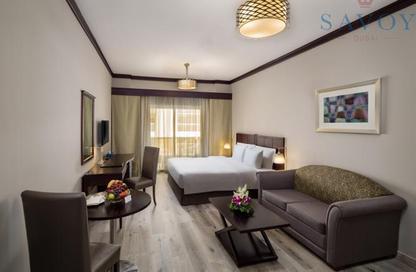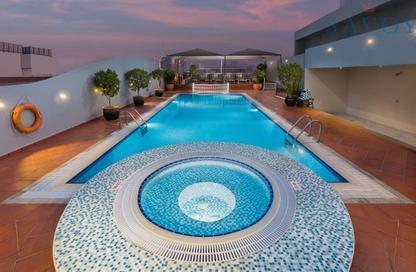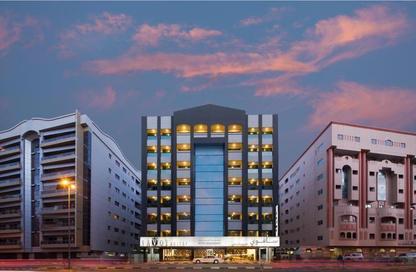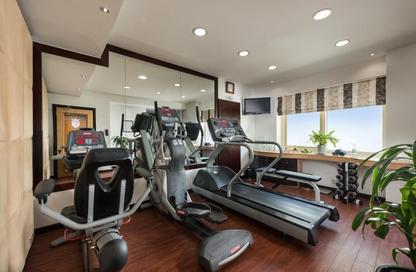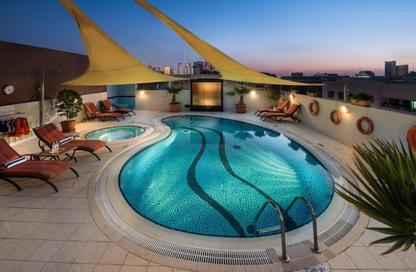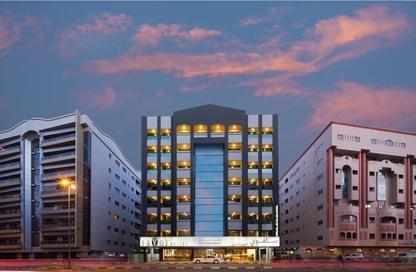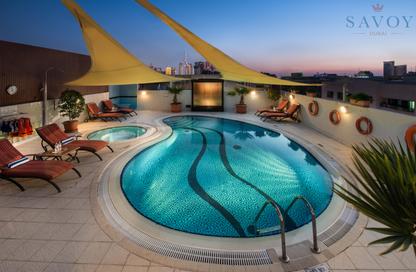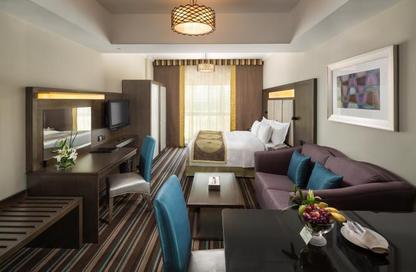
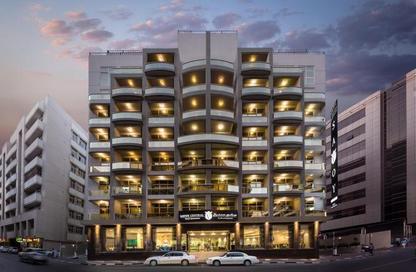
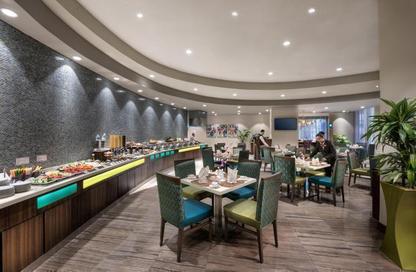
Very well maintained building but known to spoil the market; seeks excessive and unreasonable premium in rentals; no avenues for kids to play (which is a problem across all buildings)
I’ve spent quite a bit of time around Bur Dubai and it’s one of those areas that feels very “Dubai before the glam”, in a good way, mostly. On the plus side, everything is genuinely within reach. You’ve got supermarkets, cafés, clinics, and all the everyday essentials right there, which makes life very easy. There’s also a proper sense of community here. It feels lived-in, diverse (especially within the south asian community), and not overly curated and neither ridiculously expensive, which is refreshing compared to some of the newer areas. But realistically, there are a couple of things that can’t be ignored. Parking, especially for visitors, is almost impossible at times: you can easily spend way too long just trying to find a spot. And depending on where you are, the street noise can be a bit much, particularly in the evenings when it gets busier. Overall, it’s great if you value convenience and character over polish. Just be prepared to compromise a bit on the quieter, more seamless/glossy side of things.
Bur Dubai is the Hub for Desi People, its very lively and active
I lived here during my early years in the UAE back in 2018. You’ll experience the authentic old Dubai with its rich culture and affordable commodities. There are restaurants, central transportation, and more. However, it’s not the best place for families because it’s overcrowded and primarily caters to shopping and tourists.
Bur Dubai is one of Dubai’s most culturally rich and historic neighborhoods, offering a unique blend of old-world charm and everyday convenience. Known for its strong Indian influence, the area carries the true essence of India—with bustling streets, authentic eateries, traditional markets, and a vibrant community atmosphere. It’s the go-to place if you’re looking to shop for spices, linens, textiles, and other traditional goods. Steeped in heritage, Bur Dubai is home to landmarks like the Al Fahidi Historical Neighborhood and the Dubai Creek, giving it a distinct old Dubai character that contrasts with the city’s modern skyline. It’s a lively, well-established area that appeals to both families and working professionals looking for affordability and connectivity. The locality is well-connected via metro and road networks, making daily commuting easy. However, it can get crowded, with older infrastructure and limited parking in certain pockets. Overall, Bur Dubai stands out for its cultural depth, accessibility, and value-driven living, making it a preferred choice for those who appreciate heritage, vibrant community life, and traditional shopping over modern luxury.
Bur Dubai is a busy area with more shops and restaurants. It is always crowded and people keep walking around all the time. You will get all the required things nearby. Less parks and play areas for kids. Easy access to bus stop and metro to move around the city.
Popular Searches
Nearby Al Mankhool
Investing in real-estate with Off plan
Al Mankhool sits inside Bur Dubai, framed by Khalid bin Al Waleed Road, Sheikh Rashid Road, Sheikh Khalifa Bin Zayed Street, and Al Satwa Road. Kuwait Street runs through the middle. Most residential blocks are a short walk from shops, clinics, and daily services.
A flat for rent in Mankhool can range from studios to four-bedroom units. Buildings range from older low-rise stock to newer mid-rise towers.
Median asking rents sit near 91,000 AED per year. The wider range runs from roughly 40,000 to 650,000 AED, depending on size and building age.
The resident mix skews toward working professionals and long-term renters. Retirees make up a notable share, and young professionals form a smaller group. That balance gives the streets a settled feel. It also shapes the retail: family grocers, independent cafes, casual restaurants, and small clinics rather than nightlife venues.
Renters usually pick Al Mankhool for the central Bur Dubai address, mature buildings, and steady access to BurJuman, Al Fahidi, and Dubai Creek without paying downtown rents. It suits people who want an established neighborhood with real character.
Asking prices for a flat for rent in Mankhool span roughly 40,000 to 650,000 AED a year, with the middle of the pack landing near 91,000 AED. Just over half the tenant base works full-time, retirees account for close to a third, and young professionals fill the remainder. Tenants tend to renew rather than restart the search, so turnover around Kuwait Street stays low.
Mid-rise apartment blocks carry the market, running from studios to four bedroom flats, with a small pocket of villas on Al Nada.
Pricing lands below Downtown Dubai and DIFC for the same size, close to Al Karama and Oud Metha. The trade is older stock and squeezed visitor parking. What pays for it: two metro stations, BurJuman across the street, and a straight run to Dubai Creek.
| Median Price | Size Range sqft | |
|---|---|---|
| Studio | Approx. AED 53,000 per year | 10 - 750 |
| 1 Bedroom | Approx. AED 75,000 per year | 10 - 8,396 |
| 2 Bedrooms | Approx. AED 92,000 per year | 10 - 9,135 |
| 3 Bedrooms | Approx. AED 138,000 per year | 1,150 - 2,850 |
| 4 Bedrooms | Approx. AED 160,000 per year | 1,224 - 3,351 |
Office workers heading into Bur Dubai and Downtown lean on ADCB and BurJuman metro access to skip morning traffic on Sheikh Khalifa Bin Zayed Street.
Studios and compact one bedroom flats here start near the lower end of the market, a rare find this close to the creek for single tenants watching monthly outgoings.
Ambassador School, New Academy, and roughly twenty others fall inside a short drive, so morning drop-offs rarely turn into a proper commute.
Renters who value local grocers, small cafes, and cultural pockets around Al Fahidi tend to settle in and stay put for years.
Iranian Hospital, NMC, and BurJuman Mall employees keep commutes short, and frequent bus stops on Kuwait Road cover the shift patterns a car cannot.
Affordable towers for renting an apartment in Al Mankhool
Golden Sands 14 anchors the entry tier. Studios and 1 bedroom flats start around 40,000 AED per year, which works for solo tenants and couples who want to walk to BurJuman Metro and pick up groceries on the way home.
Afnan Building next door leases 1 bedroom flats for about 45,000 AED. Interiors show their age, but covered parking comes with the rent, and that alone saves the daily hunt for a street bay.
Luxury towers for renting an apartment in Al Mankhool
BurJuman Residence wins on convenience. The lobby feeds straight into BurJuman Mall, so a grocery run or a metro trip means an elevator ride, not a walk in July heat. 2 bedroom flats lease from around 130,000 AED per year and come with a pool, gym, and concierge.
The Waves Residences caters to families instead. Its 3 bedroom flats start near 160,000 AED, with newer finishes and a quieter address just off Kuwait Street.
Popular towers for renting an apartment in Al Mankhool
Blue Diamond Building is where most working professionals land. 2 bedroom flats of roughly 1,140 to 1,195 sq ft go for 52,000 to 62,000 AED per year, and a 1 bedroom recently renewed at 40,761 AED.
Manazil Al Mankhool 01 and Bin Hendi Tower cater to the same crowd. Tenants tend to renew rather than restart the search, mostly because ADCB Metro, Standard Chartered, and the Mankhool Road shops sit on the walking route.
Two Red Line stops serve the area. ADCB sits about 800 metres from most buildings, and BurJuman links the Red and Green lines just over 1.5 km away. Renters reach Downtown Dubai, Deira, and Dubai Marina without a car.
A typical block has supermarkets, clinics, salons, and cafés like Route66 and Lavazza all within a few hundred metres. Groceries, pharmacies, and quick meals sit on the same street as home, so most weekday errands finish on foot.
A flat for rent in Mankhool lands renters near Dubai Creek and BurJuman without Downtown or DIFC pricing. That trade holds across apartment sizes, which is why long-term tenants stay put through renewals rather than shopping the market each year.
Twenty-two schools sit within 5 km, including Ambassador School, The Apple International Community School, and New Academy School, all under 1.2 km away. Families here pick from Indian, UK, American, and French curricula without a long school run.
Most residential towers include covered parking with the apartment, and paid RTA bays line the surrounding streets for guests. That combination is uncommon in older central districts and helps renters who commute by car or host visitors often.
Blue Diamond, BurJuman Residence, and Golden Sands 14 cover studios through four-bedroom apartments. That range lets a single tenant, a sharer pair, and a family of five all find a fit on the same street, and it makes sizing up at renewal simple.
Daily errands stay close for renters in Mankhool. Grocery runs, clinics, and schools sit within a short walk of most residential streets off Kuwait Road and Al Mankhool Road, which is why tenants here tend to skip the car on weeknights.
Khalid Bin Al Waleed Road and Sheikh Rashid Road frame Mankhool, with Sheikh Khalifa Bin Zayed Street to the east and Al Satwa Road to the west. Kuwait Street runs through the middle. Tenants reach BurJuman in about 5 minutes by car and Downtown Dubai in around 12. Dubai International Airport is roughly 15 minutes away via Sheikh Rashid Road outside peak traffic.
The Red Line runs from ADCB Metro Station, about 820 meters from central Mankhool. BurJuman interchange links the Red and Green Lines around 1.6 km away. Bus stops at Mankhool Center Point 1 and 2, Kuwait Road 1 and 2, and Mankhool Street 12A connect residents to Karama, Al Satwa, and Oud Metha. Taxis are plentiful, so a car isn't essential for daily errands.
Both furnished and unfurnished apartments show up across the mid-rise buildings near Kuwait Street and Khalid Bin Al Waleed Road. A furnished unit usually adds 10 to 20% to the annual rent, which suits shorter stays or a professional relocating on notice. For longer leases and families, unfurnished remains the default choice.
Pet rules are set building by building, so written approval from the landlord or building management comes first. Some towers around BurJuman and Kuwait Street accept cats and small dogs against a refundable pet deposit. Others restrict pets outright. Always get the rule confirmed in writing before you sign the tenancy contract.
Renewals follow Dubai Land Department rules under Decree No. 43 of 2013. A landlord must give 90 days' written notice of any change, and increases are capped based on how far the current rent sits below the RERA Rental Index. The official RERA rent calculator on the DLD website confirms the allowed range.
Families here have 22 schools inside a 5 km radius. Ambassador School (Indian curriculum) sits at 0.7 km, The Apple International Community School (UK) at 0.8 km, and New Academy School (American) at 1.1 km. Lycee Francais International is 2 km away, and Dubai English Speaking School is 2.6 km out.
A one bedroom apartment here usually measures 650 to 850 sq ft. Recent tenancy contracts in Blue Diamond Building show units close to 678 sq ft. Step up to two bedrooms and the range shifts to 1,130 to 1,195 sq ft, which gives families a bit more room without leaving central Bur Dubai.
ADCB on the Red Line and BurJuman interchange put two metro options inside walking range for most buildings. Bus stops along Kuwait Road and Mankhool Street feed into Karama, Satwa, and Oud Metha. Taxis and ride-hailing are constant on the main roads, so daily errands rarely need a private car.
| Community | Average price (AED/year) |
|---|---|
| Blue Diamond Building | 49,794 |
The data displayed is based on Property Finder’s last 12 months’ listing data.
See more price insightsPowered byDataGuru