Listed 8 hours ago
50,000 yearly
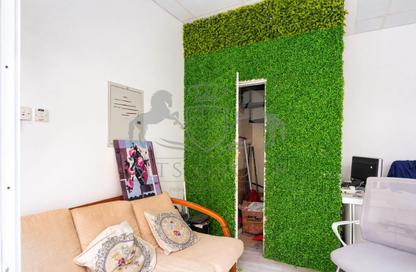
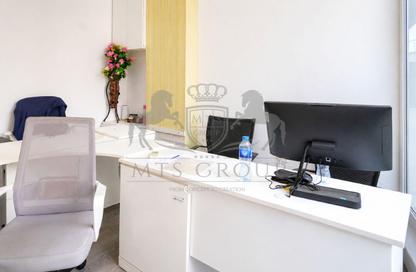
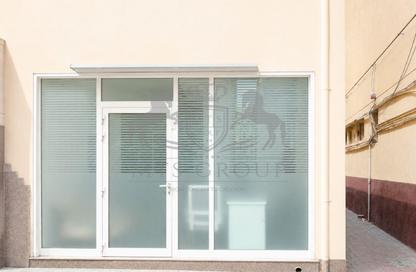
Shop for Rent | Ground + Mezzanine | Near Metro

Area: 506 ft²
Shop
Souk Al Kabeer Building, Al Souk Al Kabeer, Bur Dubai, Dubai
Listed 8 hours ago
Area: 506 ft²
Shop
Souk Al Kabeer Building, Al Souk Al Kabeer, Bur Dubai, Dubai
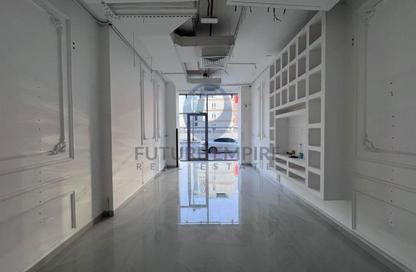

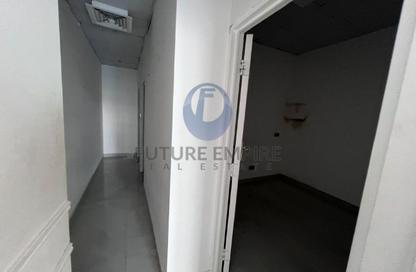
Listed 9 hours ago

1
Area: 612 ft²
Shop
Lamcy Residence, Oud Metha, Bur Dubai, Dubai
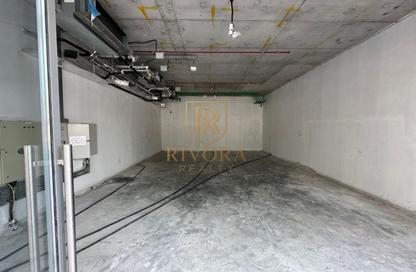
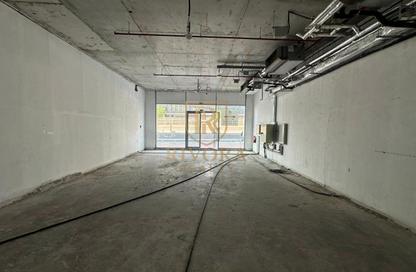
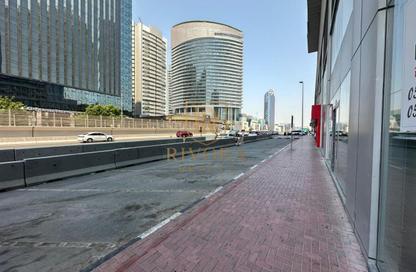
Listed 1 day ago

Area: 984 ft²
Shop
Titanium Tower, Al Karama, Bur Dubai, Dubai

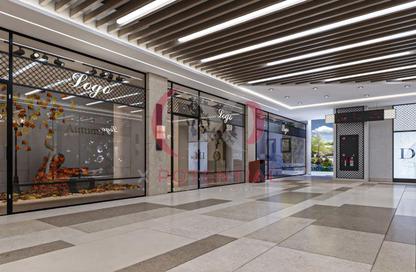
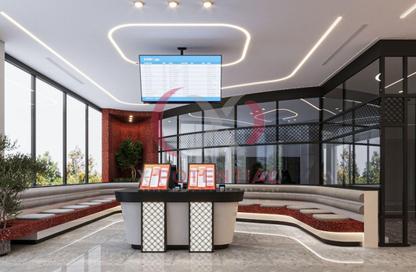
Listed 1 day ago

1
Area: 1,190 ft²
Shop
Meena Bazaar, Al Souk Al Kabeer, Bur Dubai, Dubai


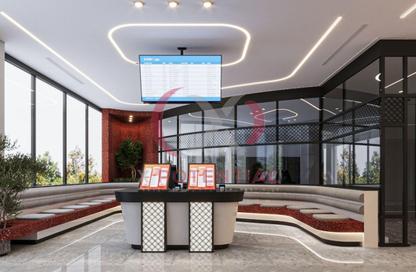
Listed 1 day ago
1
Area: 777 ft²
Shop
Meena Bazaar, Al Souk Al Kabeer, Bur Dubai, Dubai
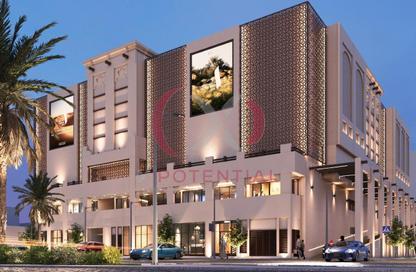
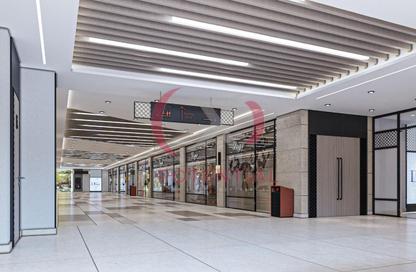
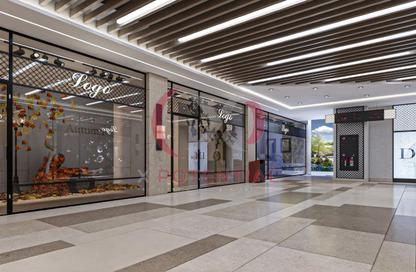
Listed 3 days ago
1
Area: 1,022 ft²
Shop
Meena Bazaar, Al Souk Al Kabeer, Bur Dubai, Dubai
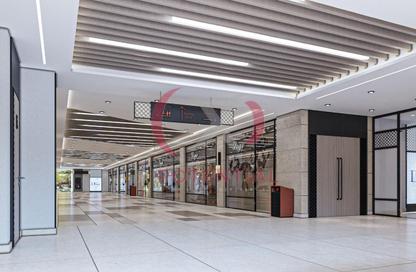
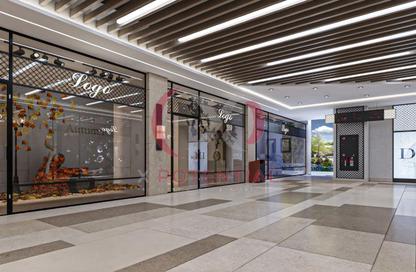
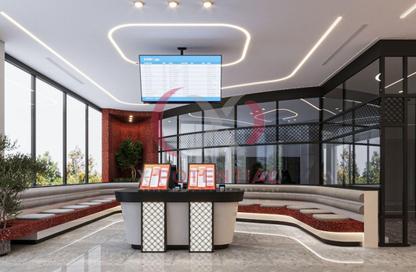
Listed 3 days ago
1
Area: 9,522 ft²
Shop
Meena Bazaar, Al Souk Al Kabeer, Bur Dubai, Dubai
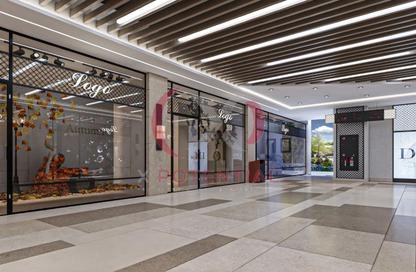
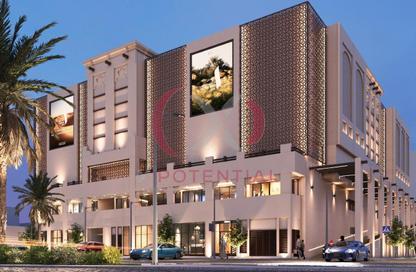
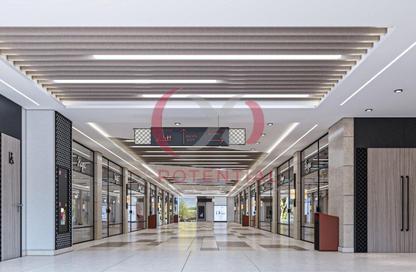
Listed 3 days ago
1
Area: 613 ft²
Shop
Meena Bazaar, Al Souk Al Kabeer, Bur Dubai, Dubai
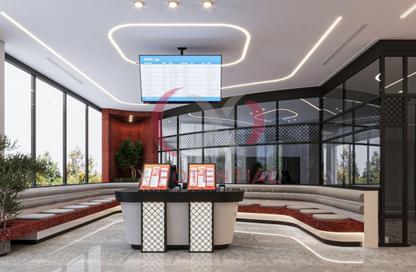
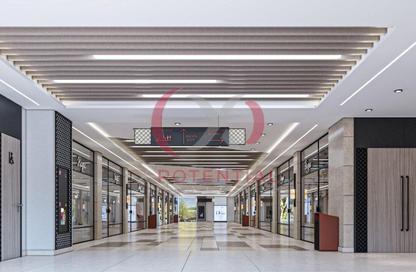
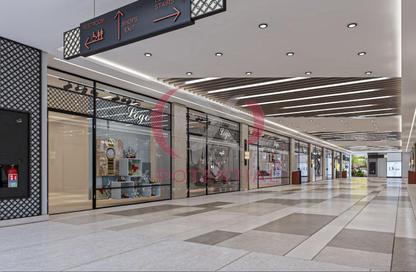
Listed 3 days ago
1
Area: 1,235 ft²
Shop
Meena Bazaar, Al Souk Al Kabeer, Bur Dubai, Dubai
Listed 3 days ago
1
Area: 1,118 ft²
Shop
Meena Bazaar, Al Souk Al Kabeer, Bur Dubai, Dubai
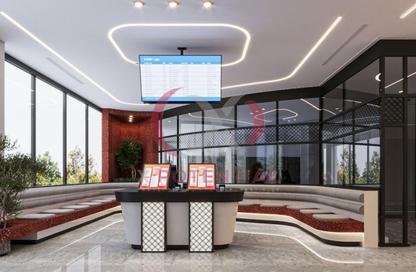
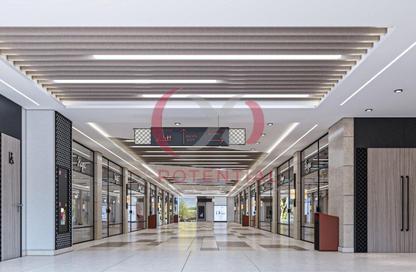
Listed 3 days ago
1
Area: 1,410 ft²
Shop
Meena Bazaar, Al Souk Al Kabeer, Bur Dubai, Dubai

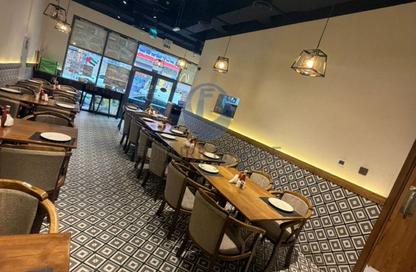

Listed 3 days ago
1
Area: 1,145 ft²
Shop
Karama Park Area, Al Karama, Bur Dubai, Dubai
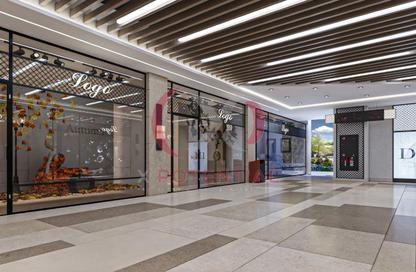


Listed 4 days ago
1
Area: 1,726 ft²
Shop
Meena Bazaar, Al Souk Al Kabeer, Bur Dubai, Dubai
Get notified with new properties for Bur Dubai

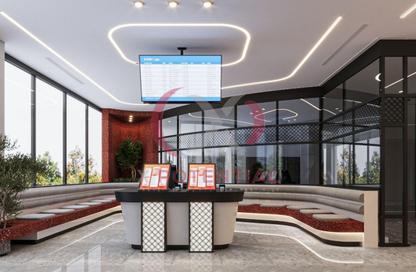

Listed 4 days ago
1
Area: 650 ft²
Shop
Meena Bazaar, Al Souk Al Kabeer, Bur Dubai, Dubai

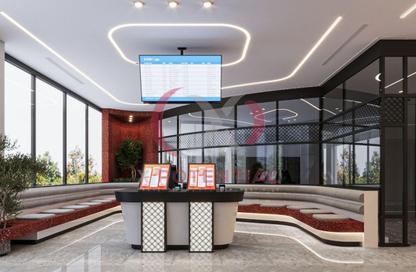

Listed 4 days ago
1
Area: 469 ft²
Shop
Meena Bazaar, Al Souk Al Kabeer, Bur Dubai, Dubai
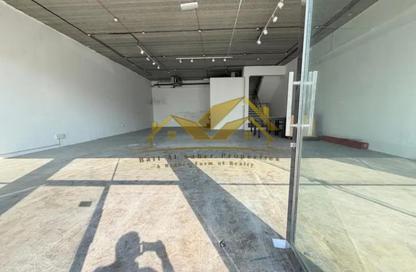
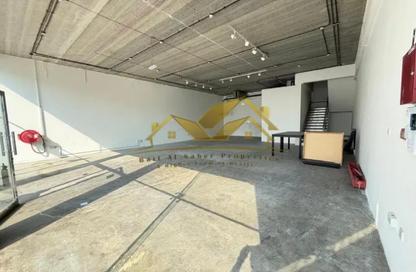
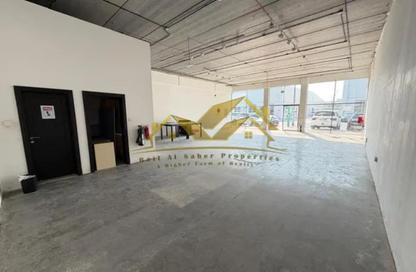
Listed 4 days ago

1
Area: 1,600 ft²
Shop
Al Mina, Bur Dubai, Dubai
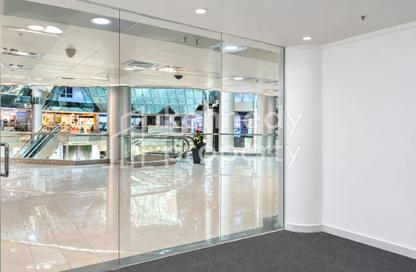
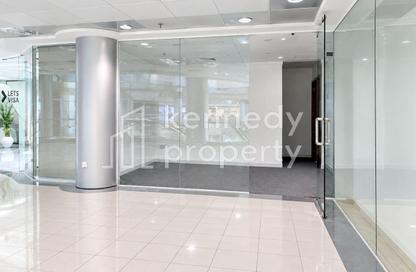
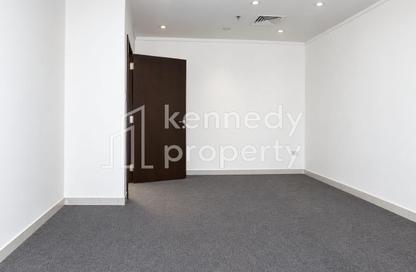
Listed 5 days ago

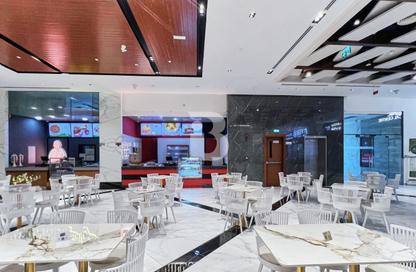
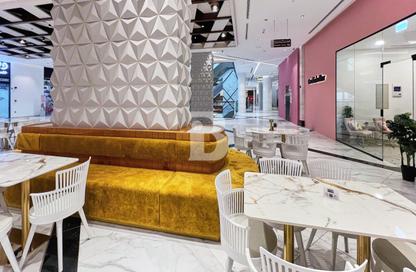
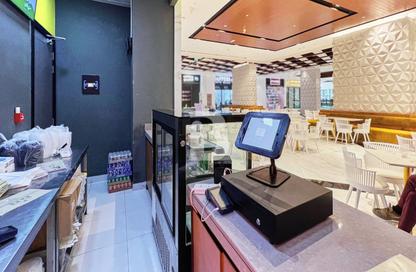
Area: 800 ft²
Shop
Pyramid Centre, Oud Metha, Bur Dubai, Dubai
Listed 5 days ago

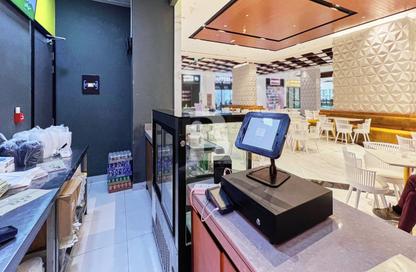
Area: 1,226 ft²
Shop
Al Hudaiba Mall, Al Hudaiba, Bur Dubai, Dubai


Listed 5 days ago
Area: 355 ft²
Shop
Al Hudaiba Mall, Al Hudaiba, Bur Dubai, Dubai

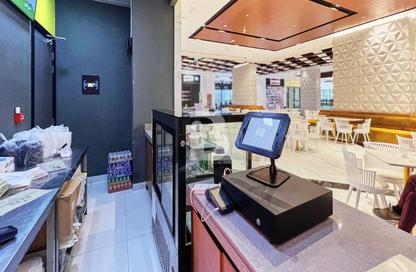

Listed 5 days ago
Area: 376 ft²
Shop
Al Hudaiba Mall, Al Hudaiba, Bur Dubai, Dubai
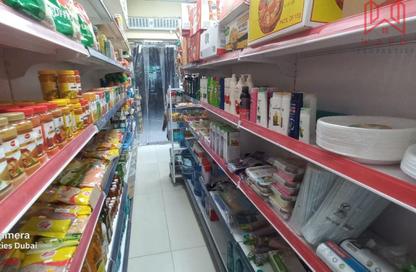
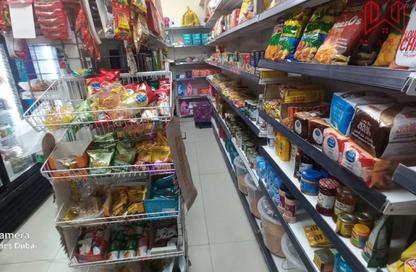
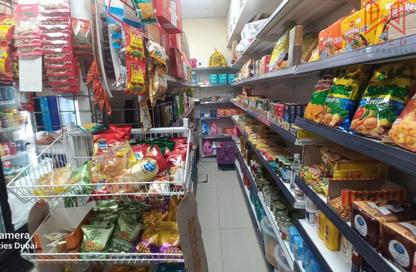
Listed 5 days ago

1
Area: 253 ft²
Shop
Al Karama Square, Al Karama, Bur Dubai, Dubai
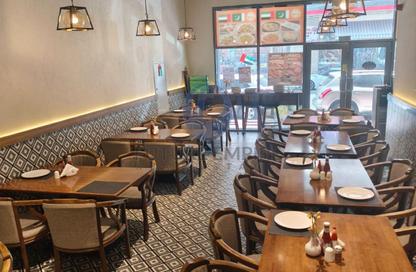
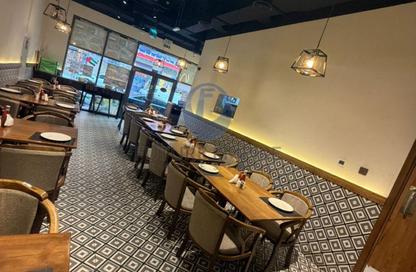
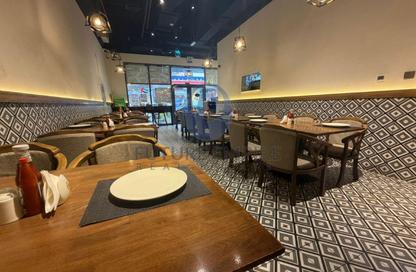
Listed 6 days ago
1
Area: 1,145 ft²
Shop
Karama Park Area, Al Karama, Bur Dubai, Dubai
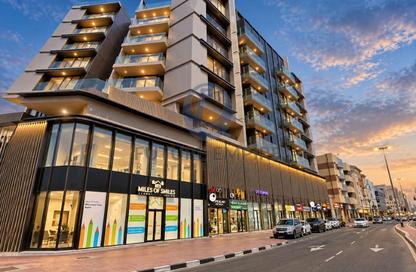
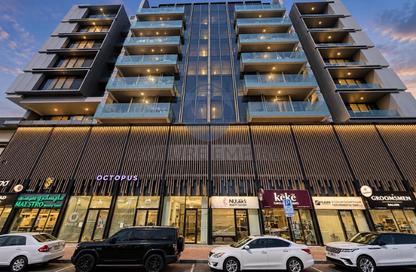
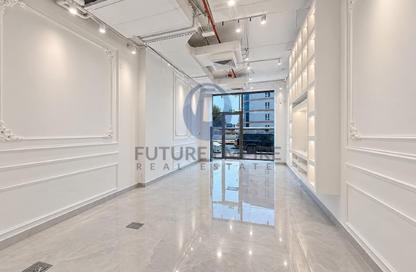
Listed 6 days ago
1
Area: 612 ft²
Shop
Lamcy Residence, Oud Metha, Bur Dubai, Dubai
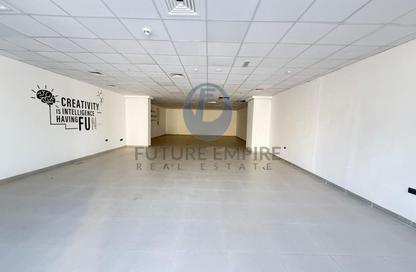
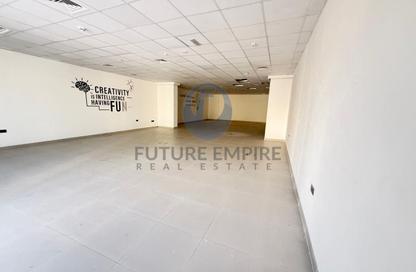
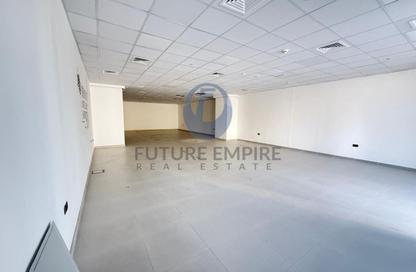
Listed 6 days ago
3
Area: 1,621 ft²
Shop
Dubai Healthcare City, Bur Dubai, Dubai
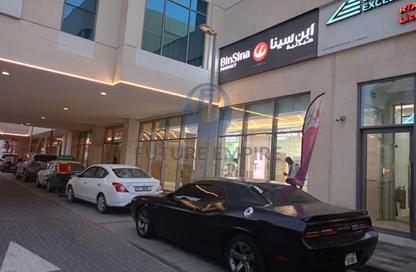
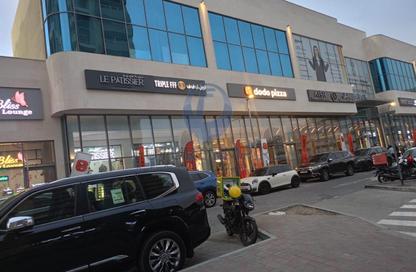
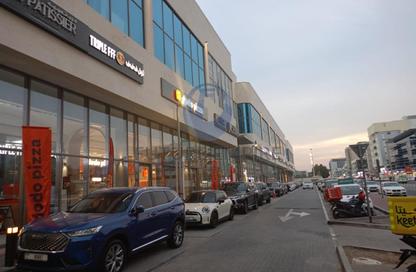
Listed 6 days ago
1
Area: 280 ft²
Shop
Al Nasr Central Building, Oud Metha, Bur Dubai, Dubai

I’ve spent quite a bit of time around Bur Dubai and it’s one of those areas that feels very “Dubai before the glam”, in a good way, mostly. On the plus side, everything is genuinely within reach. You’ve got supermarkets, cafés, clinics, and all the everyday essentials right there, which makes life very easy. There’s also a proper sense of community here. It feels lived-in, diverse (especially within the south asian community), and not overly curated and neither ridiculously expensive, which is refreshing compared to some of the newer areas. But realistically, there are a couple of things that can’t be ignored. Parking, especially for visitors, is almost impossible at times: you can easily spend way too long just trying to find a spot. And depending on where you are, the street noise can be a bit much, particularly in the evenings when it gets busier. Overall, it’s great if you value convenience and character over polish. Just be prepared to compromise a bit on the quieter, more seamless/glossy side of things.
Bur Dubai is the Hub for Desi People, its very lively and active
I lived here during my early years in the UAE back in 2018. You’ll experience the authentic old Dubai with its rich culture and affordable commodities. There are restaurants, central transportation, and more. However, it’s not the best place for families because it’s overcrowded and primarily caters to shopping and tourists.
Bur Dubai is one of Dubai’s most culturally rich and historic neighborhoods, offering a unique blend of old-world charm and everyday convenience. Known for its strong Indian influence, the area carries the true essence of India—with bustling streets, authentic eateries, traditional markets, and a vibrant community atmosphere. It’s the go-to place if you’re looking to shop for spices, linens, textiles, and other traditional goods. Steeped in heritage, Bur Dubai is home to landmarks like the Al Fahidi Historical Neighborhood and the Dubai Creek, giving it a distinct old Dubai character that contrasts with the city’s modern skyline. It’s a lively, well-established area that appeals to both families and working professionals looking for affordability and connectivity. The locality is well-connected via metro and road networks, making daily commuting easy. However, it can get crowded, with older infrastructure and limited parking in certain pockets. Overall, Bur Dubai stands out for its cultural depth, accessibility, and value-driven living, making it a preferred choice for those who appreciate heritage, vibrant community life, and traditional shopping over modern luxury.
Bur Dubai is a busy area with more shops and restaurants. It is always crowded and people keep walking around all the time. You will get all the required things nearby. Less parks and play areas for kids. Easy access to bus stop and metro to move around the city.